



For decades, politicians, football officials and governing bodies have promoted sport as a force for unity. The World Cup, in particular, is often presented as a celebration of diversity and international cooperation — a stage where political differences are set aside in favour of a shared love of the game.
Yet as the 2026 FIFA World Cup gets underway, a growing number of incidents involving participants from the Middle East and Africa are raising uncomfortable questions about whether that ideal is being fully upheld.
Iraq’s Leading Striker Detained for Seven Hours Upon Arrival
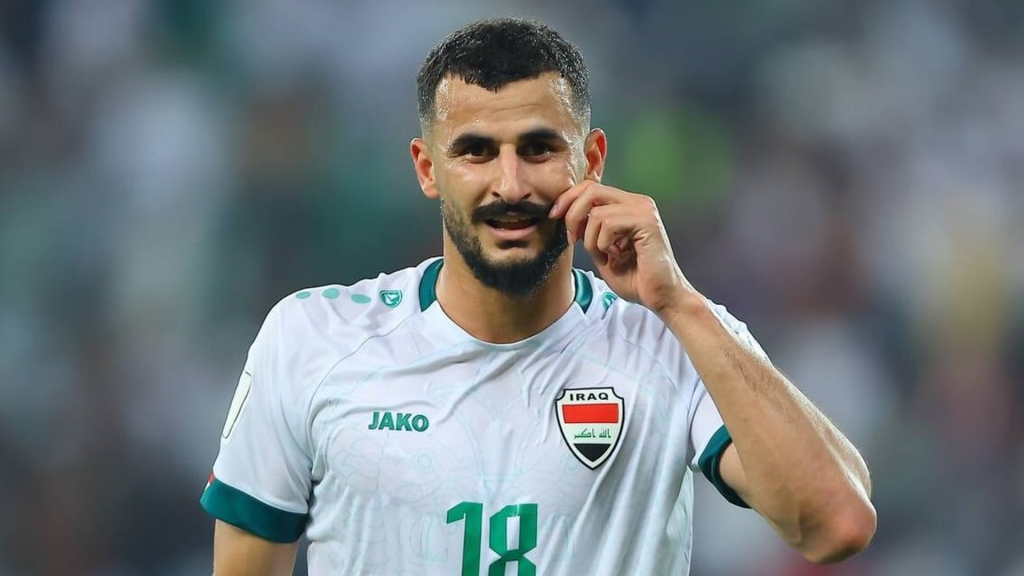
Iraq’s national team arrived in Chicago expecting to begin its World Cup campaign. Instead, its striker Aymen Hussein, found himself separated from his teammates and subjected to additional questioning.
While the rest of the Iraqi squad was allowed to leave, Hussein reportedly spent around seven hours undergoing interviews and administrative procedures before eventually being released.
The incident immediately raised questions. If Hussein was eventually permitted to enter the country, many wondered what justified keeping one of Iraq’s most recognisable footballers in custody for such an extended period.
Iraqi Team Photographer Denied Entry to the United States
The difficulties for the Iraqi delegation did not end there.
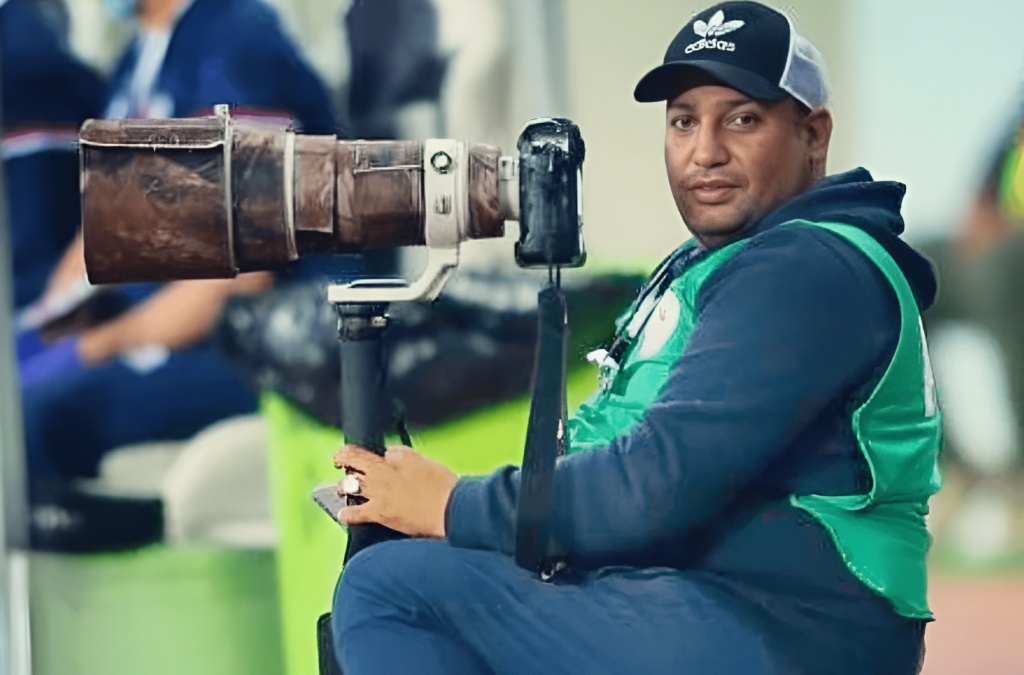
Talal Salah, a photographer travelling with the team, was detained and ultimately denied entry into the United States. U.S. Customs and Border Protection cited “vetting concerns” but did not publicly provide further details.
The lack of transparency surrounding the decision has only added to the controversy. Without a clear explanation, questions inevitably arise about the criteria being applied and whether all World Cup participants are being treated in the same manner.
15 Iranian Team Officials Denied U.S. Visas
Iran has also found itself at the centre of one of the tournament’s most significant visa disputes.
While U.S. officials stated that Iranian players and essential support staff had received visas, Iranian authorities said around 15 members of the delegation were denied entry. Those reportedly affected included football federation president Mehdi Taj, his deputy, senior administrators, media personnel and technical advisers.
This was not a dispute involving one or two individuals but a substantial portion of the delegation surrounding one of the tournament’s participating teams.
The episode also highlights the challenge of separating football from wider geopolitical tensions. The World Cup is meant to provide a platform where nations compete on equal terms, yet situations like this inevitably raise questions about whether politics is continuing to shape participation behind the scenes.
Iran Forced to Move Its World Cup Base to Mexico
The visa issues had consequences beyond personnel.
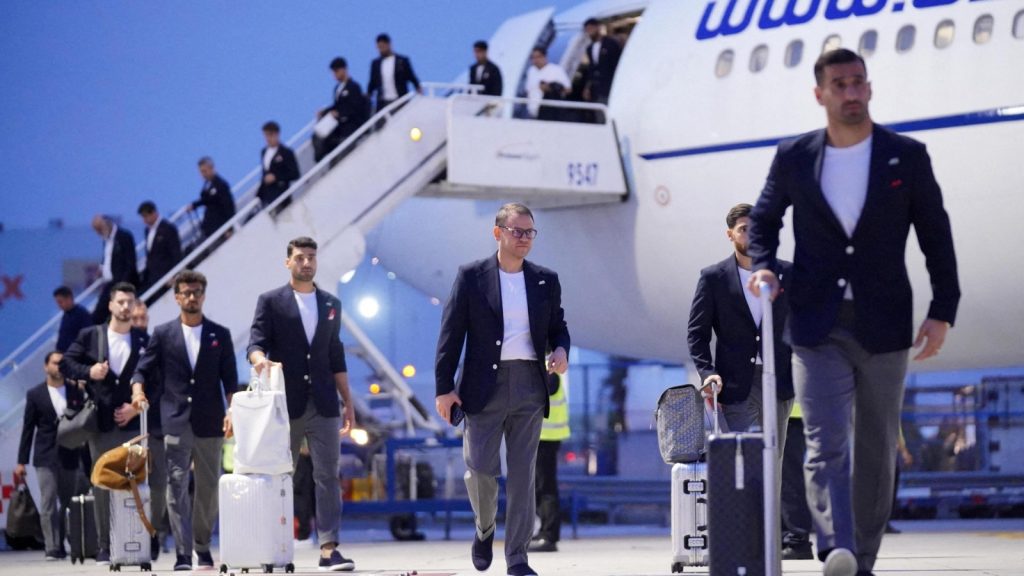
Iran was forced to abandon plans to establish its World Cup base in Arizona and instead relocated to Tijuana, Mexico. As a result, players will now travel into the United States for matches before returning across the border afterwards.
The arrangement creates additional logistical challenges during the most important tournament in international football.
At the very least, it raises questions about whether all teams are benefiting from the same conditions and opportunities to prepare for competition.
Somali World Cup Referee Denied Entry to the United States
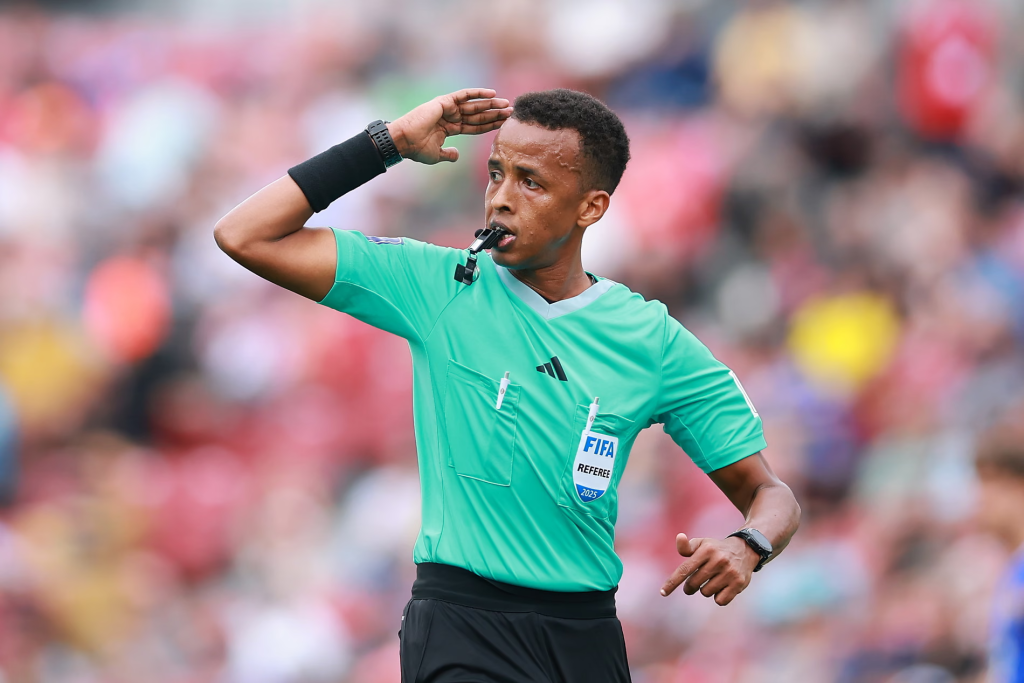
Perhaps one of the most disappointing cases involves Somali referee Omar Artan.
Artan was set to become the first Somali official to referee at a FIFA World Cup, marking a historic achievement both for him and for Somali football. Instead, he was denied entry to the United States.
The decision was particularly striking given Artan’s credential as the reigning CAF Referee of the Year 2025.
Senegal Team Subjected to Extensive Security Screening
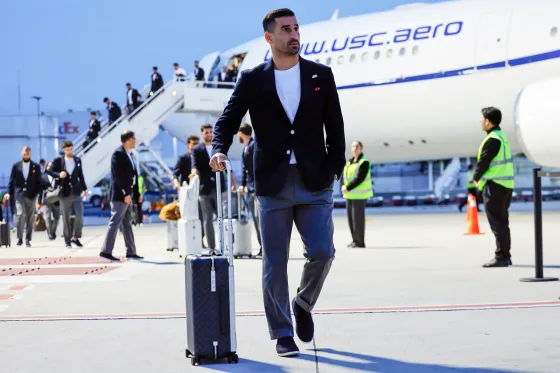
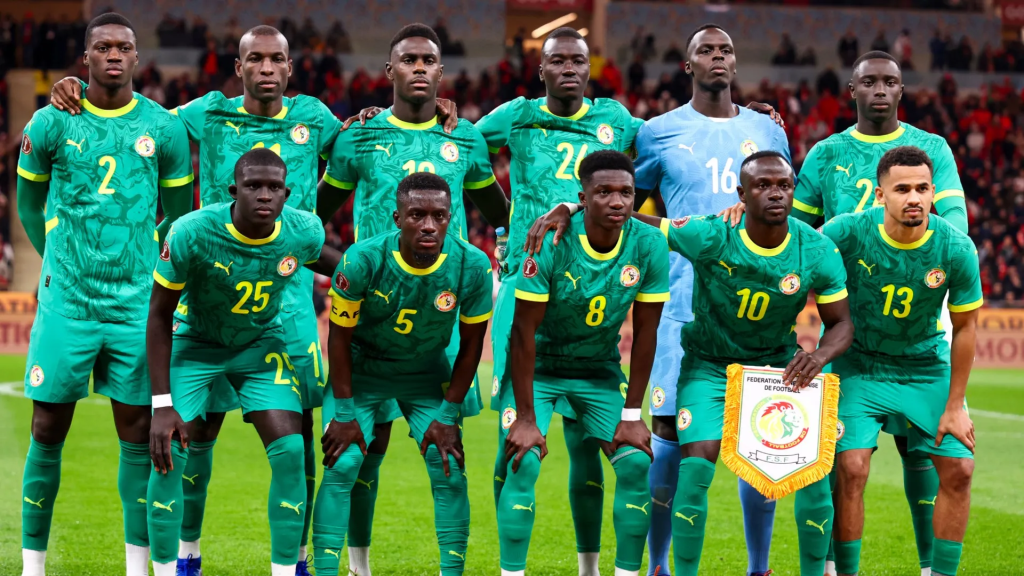
Senegal’s national team has also reportedly been subjected to unusually intensive security procedures upon arrival in the United States.
Reports indicate that players underwent extensive baggage inspections and screening measures, while images circulating online appeared to show members of the delegation being searched shortly after landing.
Security checks are, of course, a routine part of international travel. Yet incidents such as these continue to attract attention because they appear to fit within a broader trend involving teams and participants from the Middle East and Africa.
A Pattern That Is Becoming Harder to Ignore
The debate surrounding the 2026 World Cup is no longer centred on any single incident.
The question is no longer whether each case can be explained individually. The question is why so many of these controversies appear to involve participants from the same regions.
That matters because the World Cup is built on the promise that football can transcend politics, borders and international tensions. When representatives from the Middle East and Africa repeatedly encounter obstacles before they even step onto the pitch, it inevitably undermines that message.
The cumulative effect of these incidents is creating the impression that some participants are facing hurdles that others simply do not.
We Said This: Don’t Miss…Every MENA Team Heading to the 2026 FIFA World Cup