


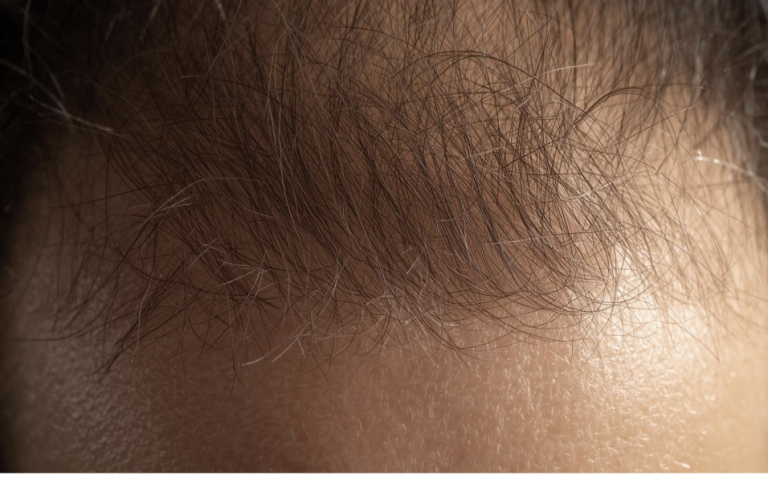
You wash your hair and notice more strands on your fingers than usual. A few weeks later, your ponytail feels thinner, or you can see your scalp more clearly in certain light. It’s alarming, and the instinct is to panic. But in many cases, this kind of hair loss has a specific name, a clear explanation, and — importantly — a natural resolution.
What Is Telogen Effluvium and Why Does It Happen
Hair grows in cycles. At any given time, most of your hair is actively growing (the anagen phase), while a smaller portion is resting before it sheds (the telogen phase). Normally, about 10–15% of your hair is in the telogen phase at once.
Telogen effluvium happens when this balance is disrupted. A physical or emotional stressor signals the body to push a large number of hair follicles out of the growth phase and into the resting phase simultaneously. About two to three months later, those follicles shed — all at roughly the same time. That’s why the hair loss feels sudden even though the trigger happened weeks earlier.
Understanding What Is Telogen Effluvium in full detail can help you recognize whether what you’re experiencing fits this pattern, or whether something else might be going on.
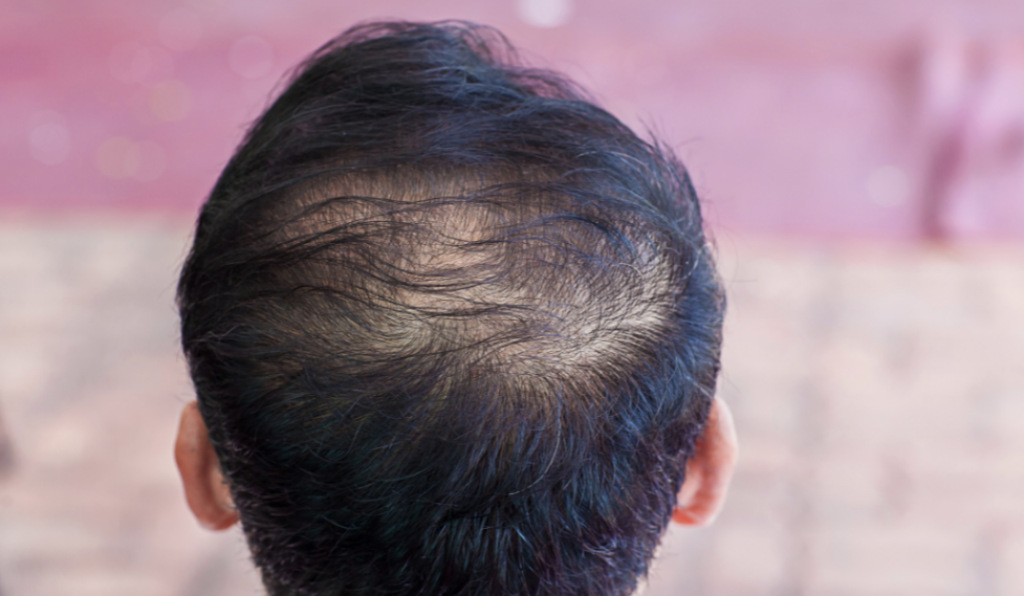
Common Triggers Behind the Shedding
The list of triggers is wider than most people expect. The condition doesn’t always follow something dramatic. Sometimes the cause is subtle and easy to overlook.
Common triggers include:
- High fever or a prolonged illness (including post-viral recovery)
- Major surgery or physical trauma
- Significant weight loss or crash dieting
- Childbirth — a very common cause in postpartum women
- Thyroid imbalances, both overactive and underactive
- Iron deficiency or low ferritin levels
- Chronic psychological stress over weeks or months
- Stopping hormonal contraceptives
The reason these triggers work through a similar mechanism is that the body is essentially a system of priorities. When it detects significant stress — physical or emotional — it redirects resources away from non-essential functions. Hair growth is considered non-essential. The follicles get put on pause.
Why the Timing Feels So Confusing
Most people struggle to connect their hair loss to its actual cause because of the delay involved. You might lose your hair three months after recovering from an illness, or several weeks after a difficult period of stress has already passed. By the time the shedding begins, the trigger feels irrelevant or forgotten.
This delay happens because the telogen phase itself lasts around 100 days before the hair actually falls out. So the shedding you see today reflects what your body was going through in the past. This is also why some people assume their hair loss is getting worse over time when, in reality, they’re just seeing the tail end of a single event.

How to Know If You’re Recovering
Telogen effluvium is largely self-limiting. Once the triggering stressor is resolved and your body stabilizes, the hair cycle typically corrects itself. New growth usually begins within three to six months, though it can take up to a year to see full density return.
Signs that recovery is underway include:
- Short, fine “baby hairs” appearing along the hairline or part
- A gradual slowing of the daily shed count
- Improved energy or other health markers (especially if a nutritional deficiency was involved)
What complicates recovery is when the underlying cause isn’t identified or addressed. If iron levels remain low, if the thyroid is still imbalanced, or if chronic stress continues, the shedding can persist and become what’s known as chronic telogen effluvium — where the disruption never fully resolves.
The Role of Root-Cause Thinking in Treatment
This is where most standard advice falls short. Generic tips like “eat healthy” or “reduce stress” aren’t wrong, but they don’t address the specificity of what’s happening in your body. Addressing telogen effluvium properly means finding out exactly what triggered it.
Some treatment approaches, like Traya, are built around identifying the root cause of hair loss through a combination of health assessments and targeted interventions — rather than offering one-size-fits-all solutions.
Getting blood work done to check ferritin, thyroid function, and vitamin D is a reasonable first step for most people. Diet adjustments, stress management, and topical support may all play a role — but they work best when guided by what your body actually needs.

Final Thoughts
Telogen effluvium is one of the more treatable forms of hair loss, largely because it follows a logical pattern. Something disrupts the hair cycle, the body sheds more than usual, and then — given the right conditions — it corrects itself. The challenge is understanding what caused it, addressing that cause directly, and being patient enough to let recovery happen. Hair loss is rarely just about hair. It’s the body communicating that something, somewhere, needed attention.
WE SAID THIS: Don’t Miss…How Workplace Injuries Qualify for Workers’ Compensation Benefits