


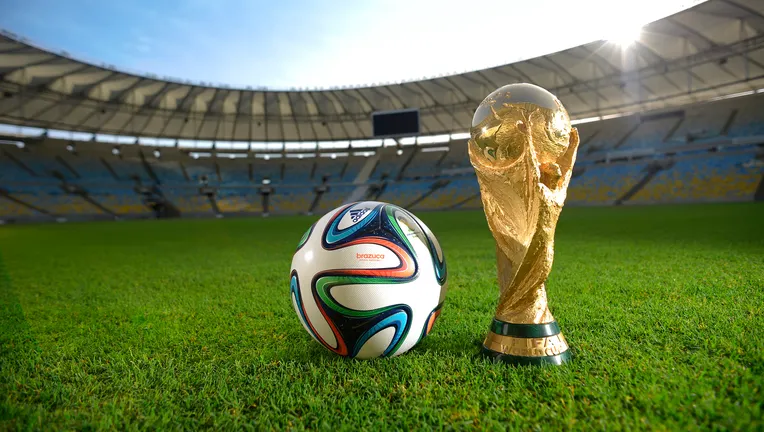
Long before Morocco had the world collectively chanting “Dima Maghrib,” countries from across the Middle East and North Africa had already been carving out their own place in World Cup history. Some milestones came in the form of famous wins, others through groundbreaking firsts, and a few became part of football folklore.
From Egypt showing up when hardly anyone from the region had, to the Arab world’s biggest-ever representation in 2026, here are some of the moments that put MENA football on the world map.
Egypt Became the First Arab and African Team to Reach the World Cup – 1934
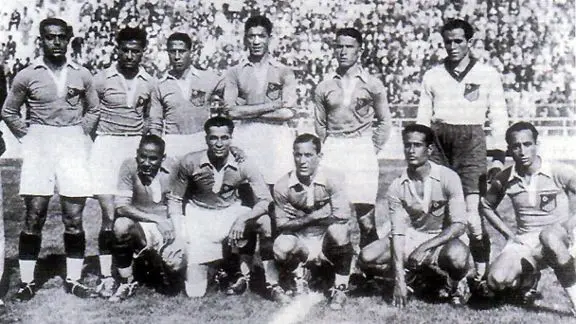
Back in 1934, Egypt became the first Arab and African nation to qualify for the World Cup. At a time when participation from outside Europe and South America was rare, Egypt’s appearance in Italy marked a historic breakthrough for the region.
The Pharaohs may have exited after a 4-2 defeat to Hungary, but they had already made history simply by being there.
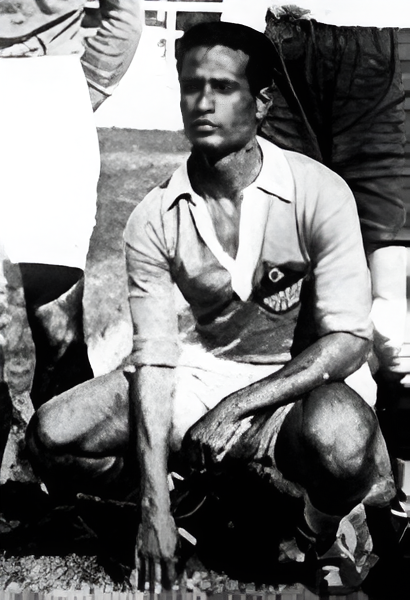
Egyptian Abdel Rahman Fawzi Became Africa’s First World Cup Goalscorer – 1934
Making your World Cup debut is one thing. Scoring in it is another.
During that same 1934 tournament, Abdelrahman Fawzy found the net twice against Hungary, becoming the first African player ever to score at a World Cup. Nearly a century later, his achievement remains one of the continent’s earliest milestones on football’s biggest stage.
Talk about setting the tone for generations to come.
Morocco Recorded Africa’s First World Cup Draw – 1970
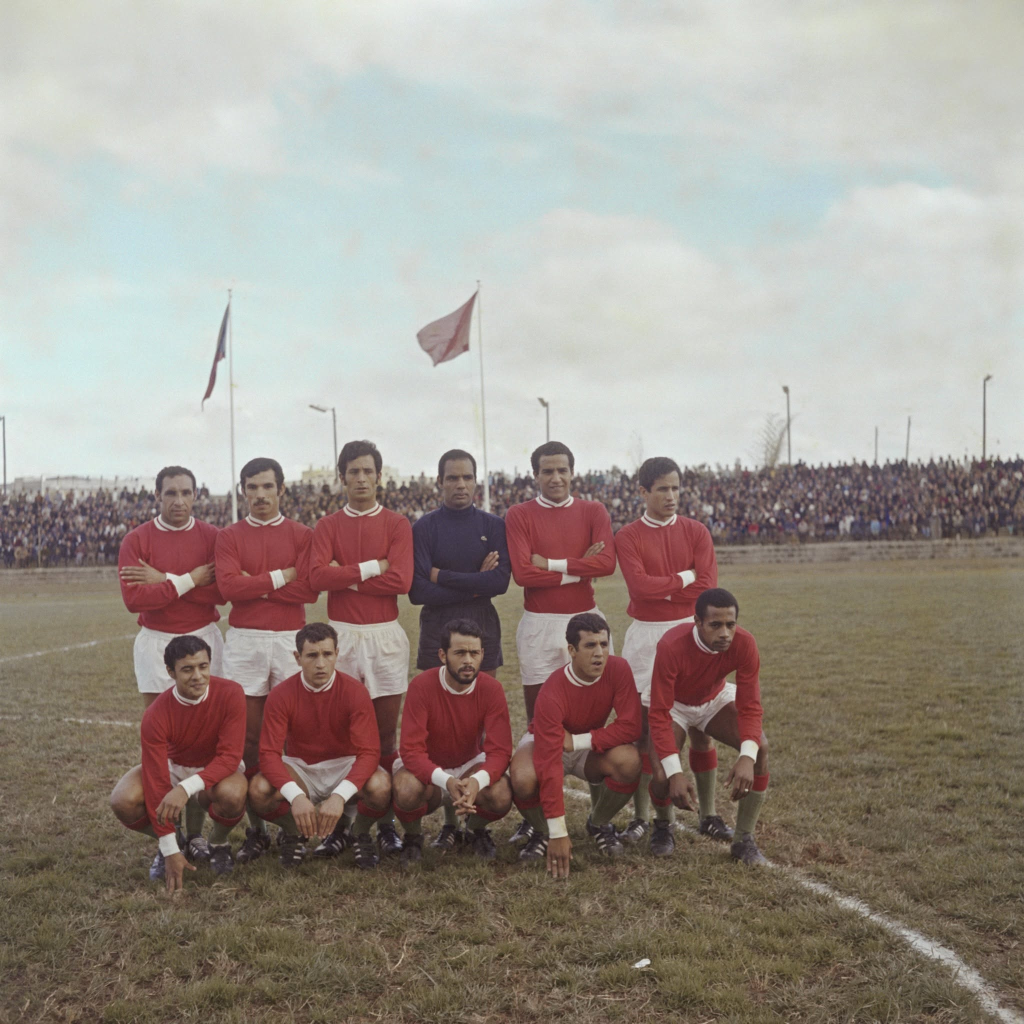
Fast forward to 1970, and Morocco added another chapter to the continent’s story. Their 1-1 result against Bulgaria made them the first African side to avoid defeat at a World Cup.
It might sound modest by today’s standards, but at the time, every point felt like a step toward proving African and Arab teams belonged on football’s biggest stage.
Tunisia Became the First African Team to Win a World Cup Match – 1978
Eight years later, Tunisia achieved something no African team had managed before: winning a World Cup match.
Their 3-1 comeback victory over Mexico in 1978 was a watershed moment, ending decades of near misses and opening the door for future generations. Suddenly, African teams weren’t just participants—they were contenders capable of upsetting the script.
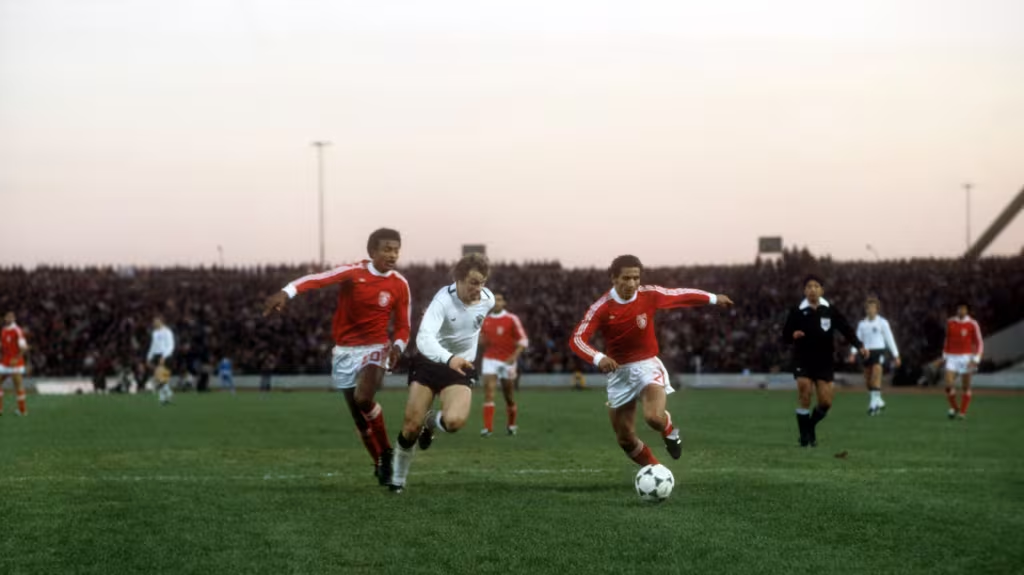
Morocco Became the First African Team to Reach the Knockout Stage – 1986
By 1986, Morocco was making history again.
The Atlas Lions became the first African nation to advance beyond the group stage, topping a group featuring England, Poland and Portugal before narrowly losing to West Germany in the Round of 16.
It was a landmark achievement that showed African and Arab teams could compete with the established powers over an entire tournament.
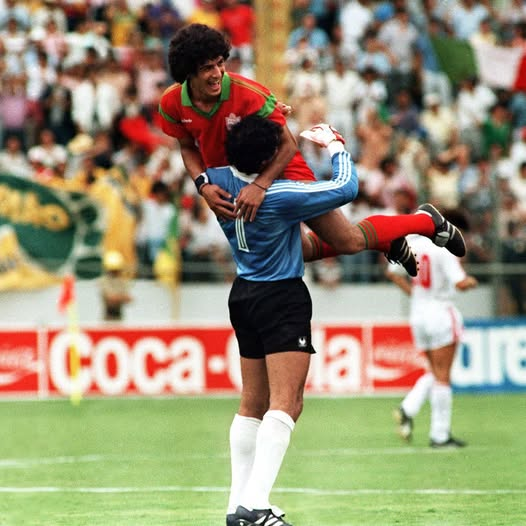
Algeria Became the First African Team to Score Four Goals in a Match – 2014
At the 2014 World Cup, Algeria entered the record books once again.
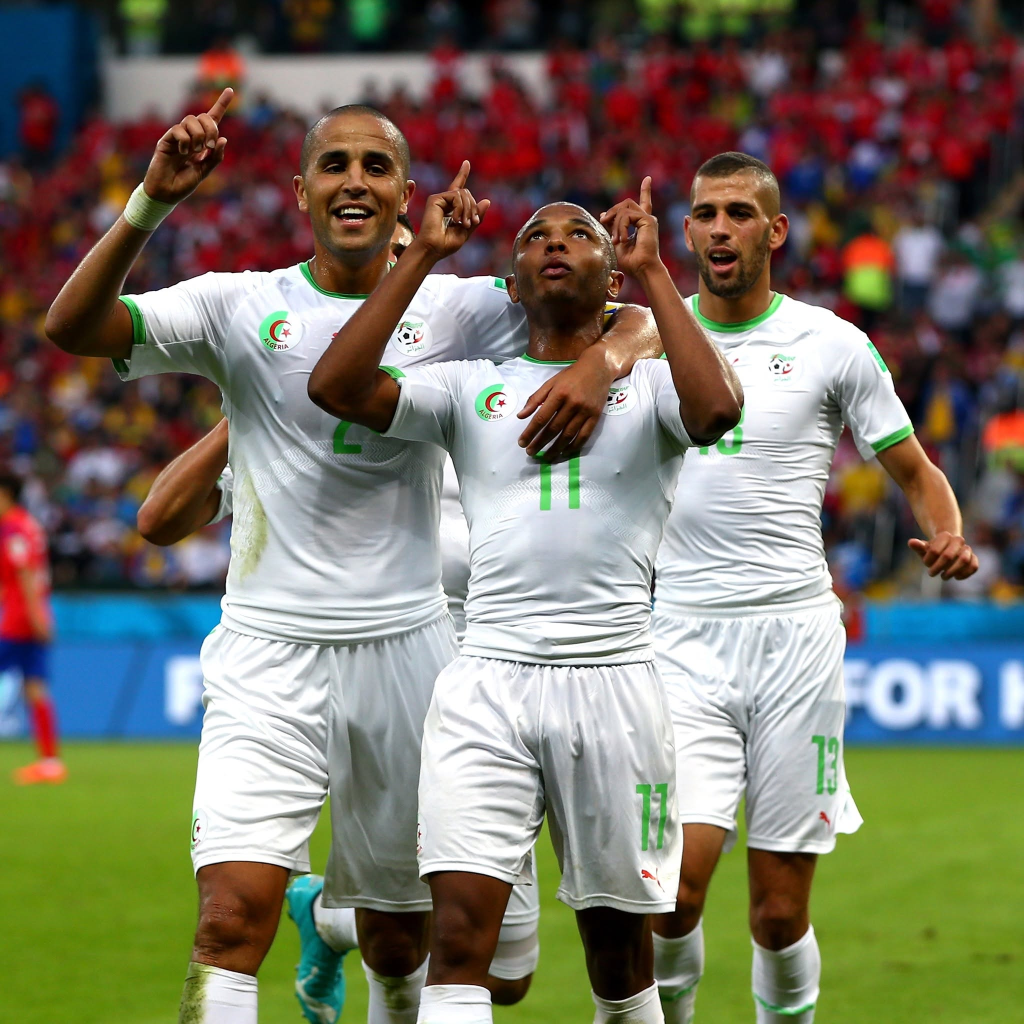
Their thrilling 4-2 victory over South Korea made them the first African team to score four goals in a single World Cup match. The Desert Foxes would eventually reach the Round of 16 and push eventual champions Germany to extra time in one of the tournament’s most entertaining encounters.
Essam El Hadary Became the Oldest Player in World Cup History – 2018
When Egypt returned to the World Cup in 2018, Essam El Hadary made history of his own.
At 45 years old, the legendary goalkeeper became the oldest player ever to appear at a World Cup. As if showing up at that age wasn’t impressive enough, he also saved a penalty against Saudi Arabia.
Goalkeepers are known to enjoy longer careers, but reaching the world’s biggest tournament at 45 remains extraordinary. In an era where football gets faster and more physically demanding every year, El Hadary’s record feels almost untouchable.

Qatar Brought the World Cup to the Middle East – 2022
For decades, hosting the World Cup seemed like a distant dream for the region.
That changed in 2022 when Qatar became the first Middle Eastern nation to stage the tournament. Beyond the football, the competition brought Arab culture, traditions and hospitality to a global audience and marked a new chapter in the history of the sport.

Morocco Became the First Arab and African Team to Reach the Semifinals – 2022
And then came Morocco in 2022.
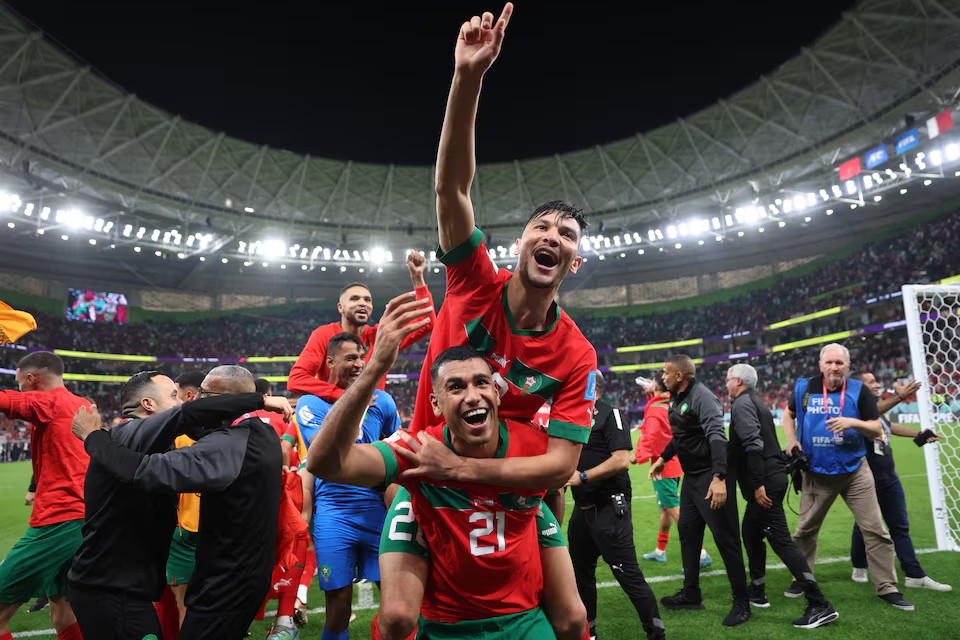
With victories over Spain and Portugal, the Atlas Lions became the first Arab and African nation ever to reach a World Cup semifinal. What began as an underdog story quickly turned into a celebration shared across the region and far beyond.
Eight Arab Nations Qualify for the World Cup for the First Time – 2026
If the story of Arab football at the World Cup began with one team in 1934, it reached another landmark in 2026.
For the first time in history, eight Arab nations are represented at a single FIFA World Cup. The expanded tournament has opened the door for unprecedented participation, making 2026 the biggest Arab presence the competition has ever seen.
From Egypt’s lonely journey in 1934 to eight flags flying on football’s grandest stage, the growth has been remarkable.

Honorable Mention: Magdy Abdelghani’s Goal – 1990
Every World Cup run produces iconic moments. Some are remembered by historians. Others live forever in fan conversations, group chats, and the comments section.
Which brings us to Abdelghani’s goal. In 1990 in Italy, Egypt forward Magdy Abdel-Ghany scored from a penalty against the Netherlands in the group stage of the World Cup. It was the last World Cup goal Egypt scored for nearly three decades, broken only by Mohamed Salah in 2018. At this point, it’s practically part of the lore.
Was it the most important goal? Historians may debate. Fans certainly won’t. Because football isn’t just built on trophies and statistics—it’s also built on beloved moments, exaggerated memories, and the running jokes that somehow become immortal.
Shared post on Time
More Than Just Records
Looking back, the history of MENA countries at the World Cup isn’t just a list of statistics or firsts. It’s a story of barriers being broken, expectations being challenged, and generations of fans daring to dream a little bigger each time.
From Abdel Rahman Fawzi’s historic goals in 1934 to eight Arab nations preparing to take part in 2026, the region’s World Cup journey has come a long way.
And if history has taught us anything, it’s that the next unforgettable chapter might be closer than we think.
We Said This: Don’t Miss…Every MENA Team Heading to the 2026 FIFA World Cup