



The MENA region is home to some of the world’s most extraordinary landscapes, from fossil-filled deserts and coral reefs to ancient forests and remote islands found nowhere else on Earth. Most recently, Wadi Wurayah National Park in Fujairah became the UAE’s first UNESCO-recognized natural site and the country’s third UNESCO designation overall after joining UNESCO’s World Network of Biosphere Reserves. But it’s far from the region’s only natural treasure. Here are nine breathtaking UNESCO-recognized natural sites across the Middle East and North Africa that have earned global recognition for their outstanding biodiversity, geology, and landscapes.
Wadi Wurayah, Fujairah, UAE
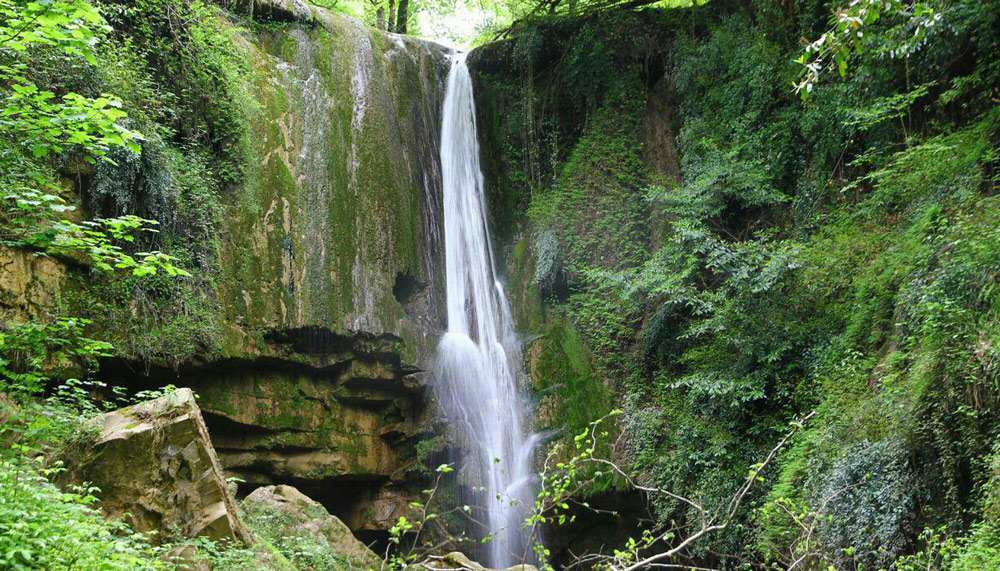
Wadi Wurayah National Park became the UAE’s first UNESCO-designated natural site after being added to UNESCO’s World Network of Biosphere Reserves. Tucked away in the Hajar Mountains, the protected valley is famous for its year-round freshwater pools, waterfalls, and rugged mountain scenery: a rarity in the Arabian Peninsula. It’s home to more than 860 species of plants and animals, including the endangered Arabian tahr, mountain gazelles, and numerous migratory birds, making it one of the UAE’s richest biodiversity hotspots.

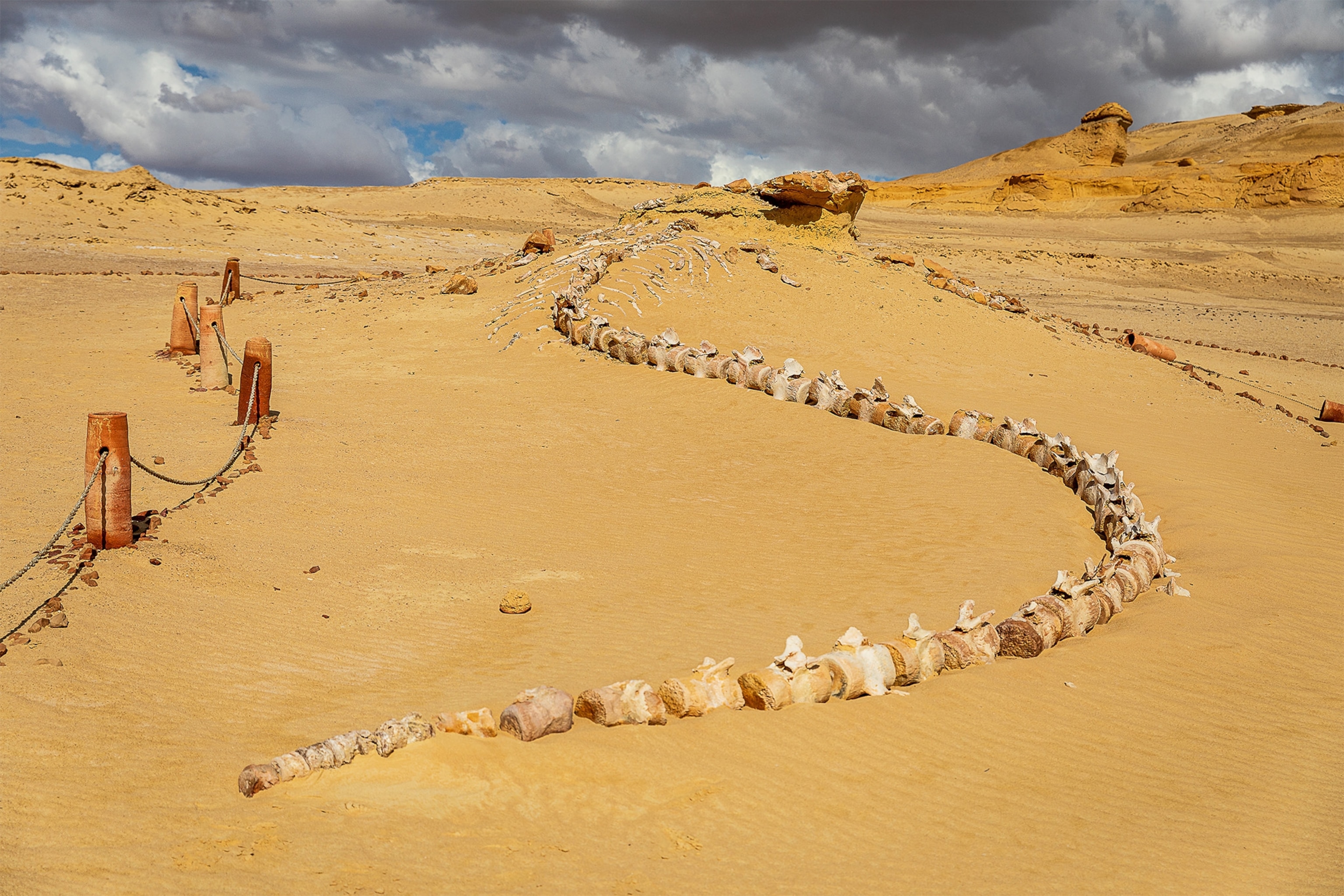
Wadi Al-Hitan (Whale Valley), Egypt
Listed as a UNESCO World Heritage Site in 2005, Wadi Al-Hitan is one of the world’s most important fossil sites. Located in Egypt’s Western Desert, it preserves hundreds of remarkably intact skeletons of ancient whales that document their evolutionary transition from land-dwelling mammals to ocean creatures around 40 million years ago. The exceptional quality and concentration of these fossils make it unmatched anywhere else in the world.
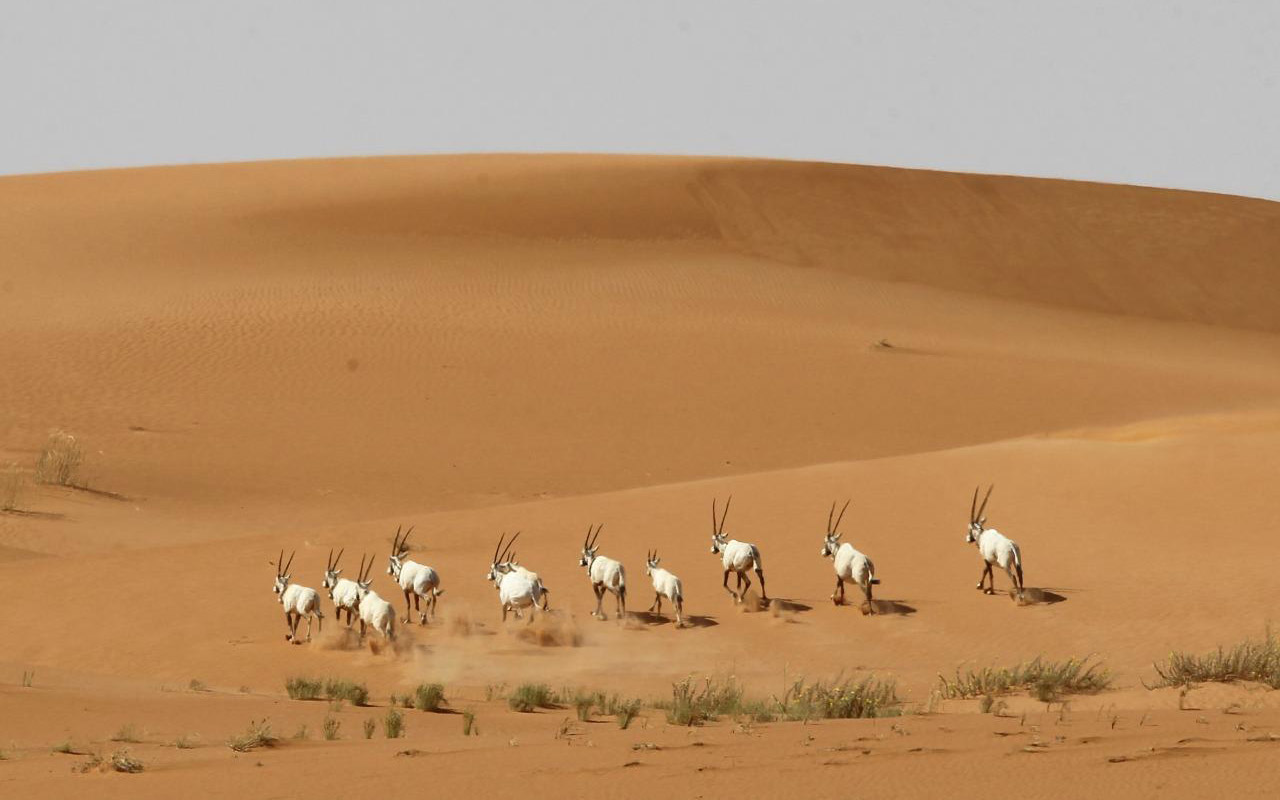
‘Uruq Bani Ma’arid, Saudi Arabia
Saudi Arabia’s ‘Uruq Bani Ma’arid Reserve was inscribed as a UNESCO World Heritage Site in 2023, becoming the Kingdom’s first natural World Heritage property. Stretching across the edge of the Empty Quarter (Rub’ al Khali), it features towering dunes, gravel plains, and desert ecosystems that support rare wildlife, including the Arabian oryx, sand gazelle, and Arabian wolf. The reserve also represents one of the region’s most successful wildlife reintroduction and conservation stories.
Socotra Archipelago, Yemen
Often called the “Galápagos of the Indian Ocean,” the Socotra Archipelago was inscribed on UNESCO’s World Heritage List in 2008 thanks to its extraordinary biodiversity. Around one-third of its plant species exist nowhere else on Earth, including the iconic dragon’s blood tree with its umbrella-shaped canopy. Its long geographic isolation has also produced dozens of endemic reptiles, birds, and marine species, making it one of the planet’s most unique island ecosystems.

Aqaba Marine Reserve, Jordan
Added to UNESCO’s World Network of Biosphere Reserves in 2026, Aqaba Marine Reserve protects Jordan’s only coastline along the Red Sea. Despite its relatively small size, the reserve contains vibrant coral reefs, seagrass meadows, mangroves, and hundreds of fish species. Its reefs are also attracting global scientific attention for their remarkable resilience to rising sea temperatures, offering hope for coral conservation worldwide.

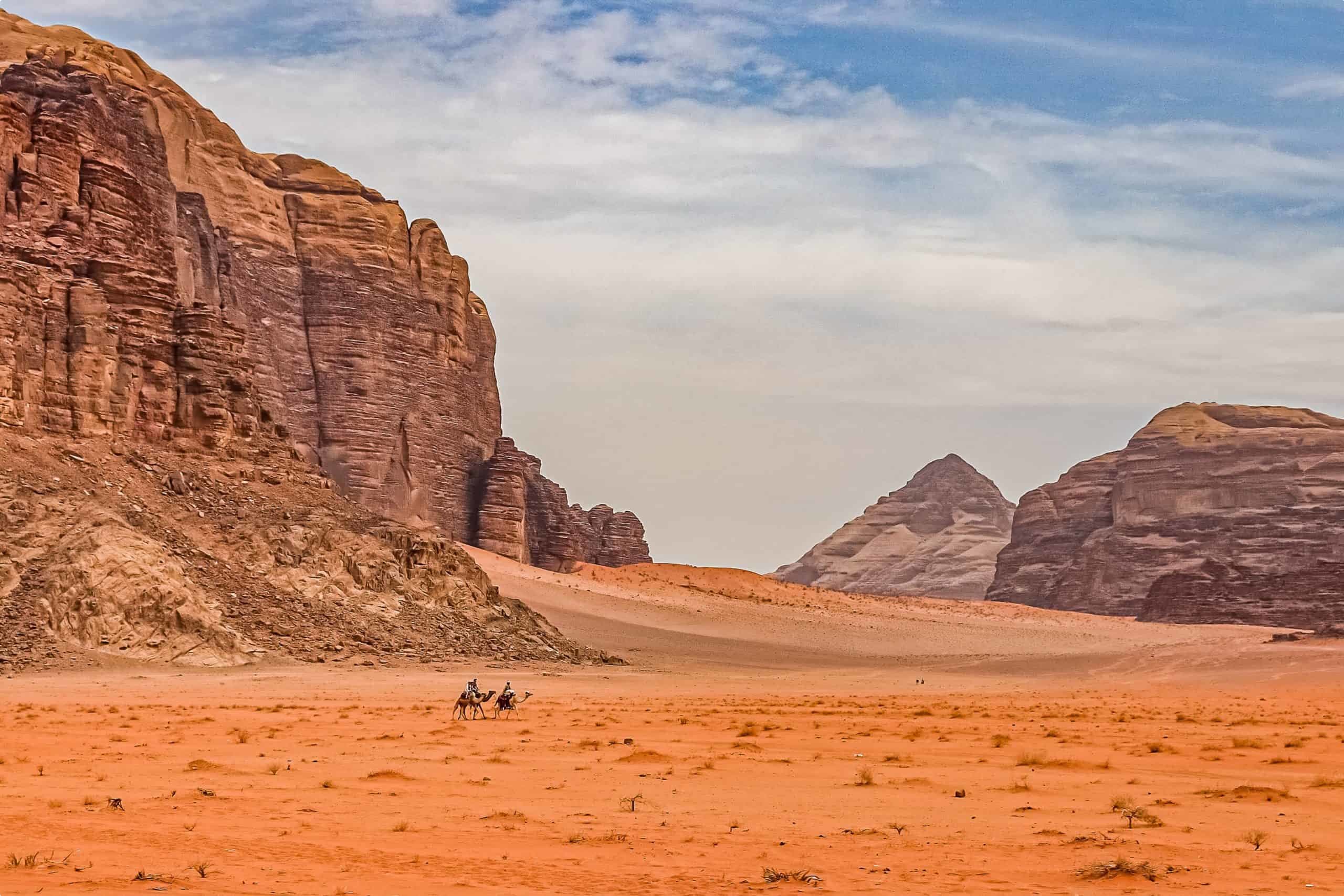
Wadi Rum Protected Area, Jordan
Inscribed as a UNESCO Mixed World Heritage Site in 2011, Wadi Rum is recognized for both its spectacular natural landscapes and its cultural significance. Massive sandstone mountains, dramatic canyons, natural arches, and red desert dunes have made it one of the world’s most recognizable desert landscapes and a favorite filming location for movies such as The Martian, Dune, and Lawrence of Arabia. The area also contains thousands of ancient rock carvings and inscriptions dating back over 12,000 years.
Ichkeul National Park, Tunisia
Tunisia’s Ichkeul National Park joined UNESCO’s World Heritage List in 1980 because of its critical importance for migratory birds. Centered on Lake Ichkeul, the park is one of the last major freshwater wetlands in North Africa and serves as a vital stopover for hundreds of thousands of ducks, geese, flamingos, storks, and other bird species traveling between Europe and Africa each year.

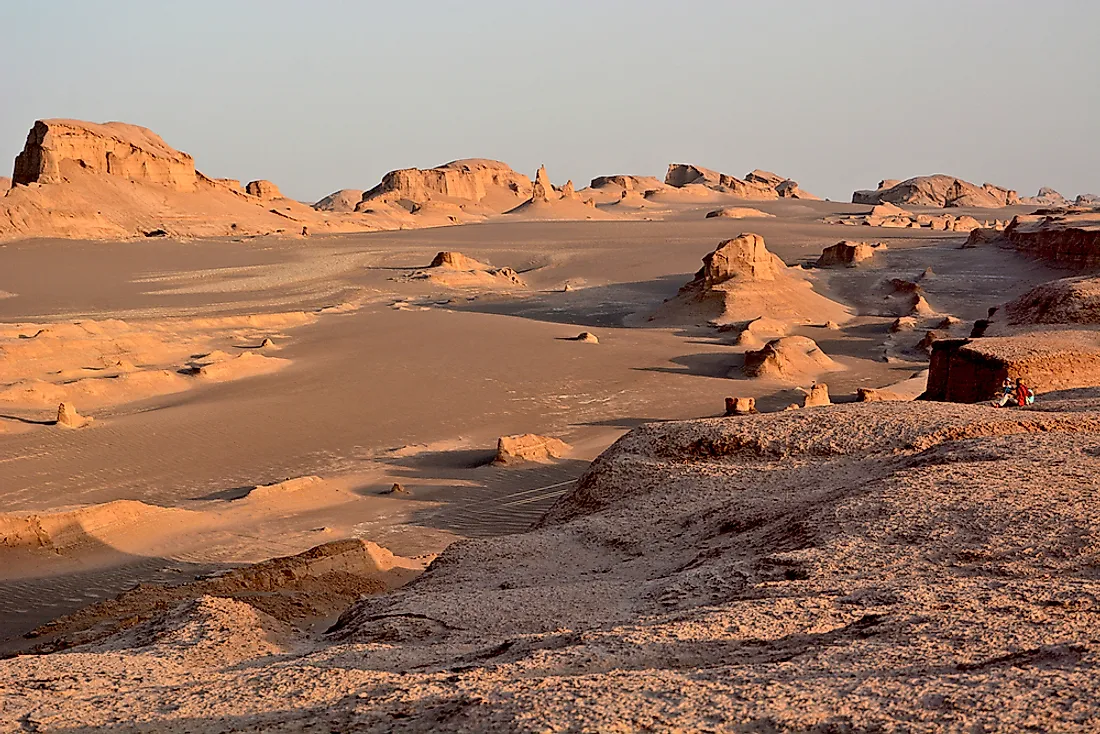
Lut Desert (Dasht-e Lut), Iran
Iran’s Lut Desert became a UNESCO World Heritage Site in 2016 and is renowned for its otherworldly landscapes. The desert is home to vast fields of towering yardangs, wind-carved ridges sculpted over thousands of years, and some of the hottest land surface temperatures ever recorded on Earth. Its striking geological formations have made it one of the most scientifically significant deserts in the world.
Hyrcanian Forests, Iran
Inscribed in 2019, the Hyrcanian Forests are among the oldest forests on the planet, dating back between 25 and 50 million years. Stretching along the southern coast of the Caspian Sea, these ancient temperate broadleaf forests survived the Ice Ages while much of Europe’s forests disappeared. Today, they shelter exceptional biodiversity, including the endangered Persian leopard, and preserve living ecosystems that have remained largely unchanged since prehistoric times.
From deserts that reveal the story of whale evolution to islands filled with species found nowhere else on Earth, these UNESCO-recognized natural sites showcase a side of the MENA region that’s every bit as remarkable as its rich history and cultural heritage. Whether you’re drawn to mountains, marine life, forests, or fossil landscapes, these destinations prove that the region’s natural wonders are just as worthy of global recognition.
We Said This: Don’t Miss… A Look at Morocco’s Filming Locations That Brought The Odyssey to Life