



Christopher Nolan’s The Odyssey has finally arrived in cinemas, bringing Homer’s legendary tale to life on an epic scale. As audiences follow Odysseus’ perilous journey home after the Trojan War, many have been wondering where these ancient kingdoms and mythical landscapes were filmed in real life.
Several of the movie’s most striking scenes were shot across Morocco, with the country’s historic cities, dramatic coastline, and vast desert landscapes standing in for locations from the ancient Greek epic. Here’s a closer look at the Moroccan filming locations featured in The Odyssey.
Aït Benhaddou: The City of Troy
Nestled on the edge of the Atlas Mountains near Ouarzazate, the UNESCO World Heritage Site of Aït Benhaddou served as the legendary city of Troy in Nolan’s film.
The centuries-old mud-brick ksar provided the perfect backdrop for the production’s ambitious recreation of the ancient city. To transform the site, the crew built a massive 360-degree set that included more than 60 structures, from towering city gates and hand-built staircases to the Temple of Athena. The set was large enough to accommodate over 2,000 extras, while even 15 full-grown olive trees were craned into place to make Troy feel authentic and lived-in.
Aït Benhaddou is no stranger to Hollywood. Over the decades, it has appeared in iconic productions including Lawrence of Arabia, Gladiator, Game of Thrones, and The Mummy, cementing its reputation as one of the world’s most recognizable filming locations.

Essaouira: Where Odysseus Begins His Journey
Morocco’s Atlantic coast also plays a key role in the film. The beaches around the historic port city of Essaouira were used for scenes depicting the discovery of the Trojan Horse and the beginning of Odysseus’ long voyage back to Ithaca after the fall of Troy.
To bring the legendary tale to life, the production placed a towering 35-foot Trojan Horse half-buried along Morocco’s Atlantic coast.

Speaking to The Guardian about his vision for the film, Christopher Nolan explained what drew him to these grand locations:
I was intrigued by the idea of a Hollywood studio taking on the biggest of stories, with a top-level budget, a top-level cast, and pouring all the techniques and resources of a massive Hollywood production into this world.
Essaouira’s windswept coastline and historic atmosphere helped create the sense of scale and adventure that defines the opening chapters of Odysseus’ epic journey.

Western Sahara: A Filming Location That Sparked Controversy
Parts of The Odyssey were also filmed in the city of Dakhla in Western Sahara, a decision that drew criticism from Sahrawi rights groups and activists.
Critics argued that filming in the territory, which has been largely under Moroccan control since 1975 but is regarded by the United Nations as a non-self-governing territory with disputed status, risked normalizing Morocco’s administration of the region. Some activists also highlighted filming restrictions faced by members of the Sahrawi community, contrasting them with the welcome extended to major international film productions.
The controversy became part of the wider conversation surrounding the film’s production, demonstrating how major international projects can intersect with longstanding political disputes.
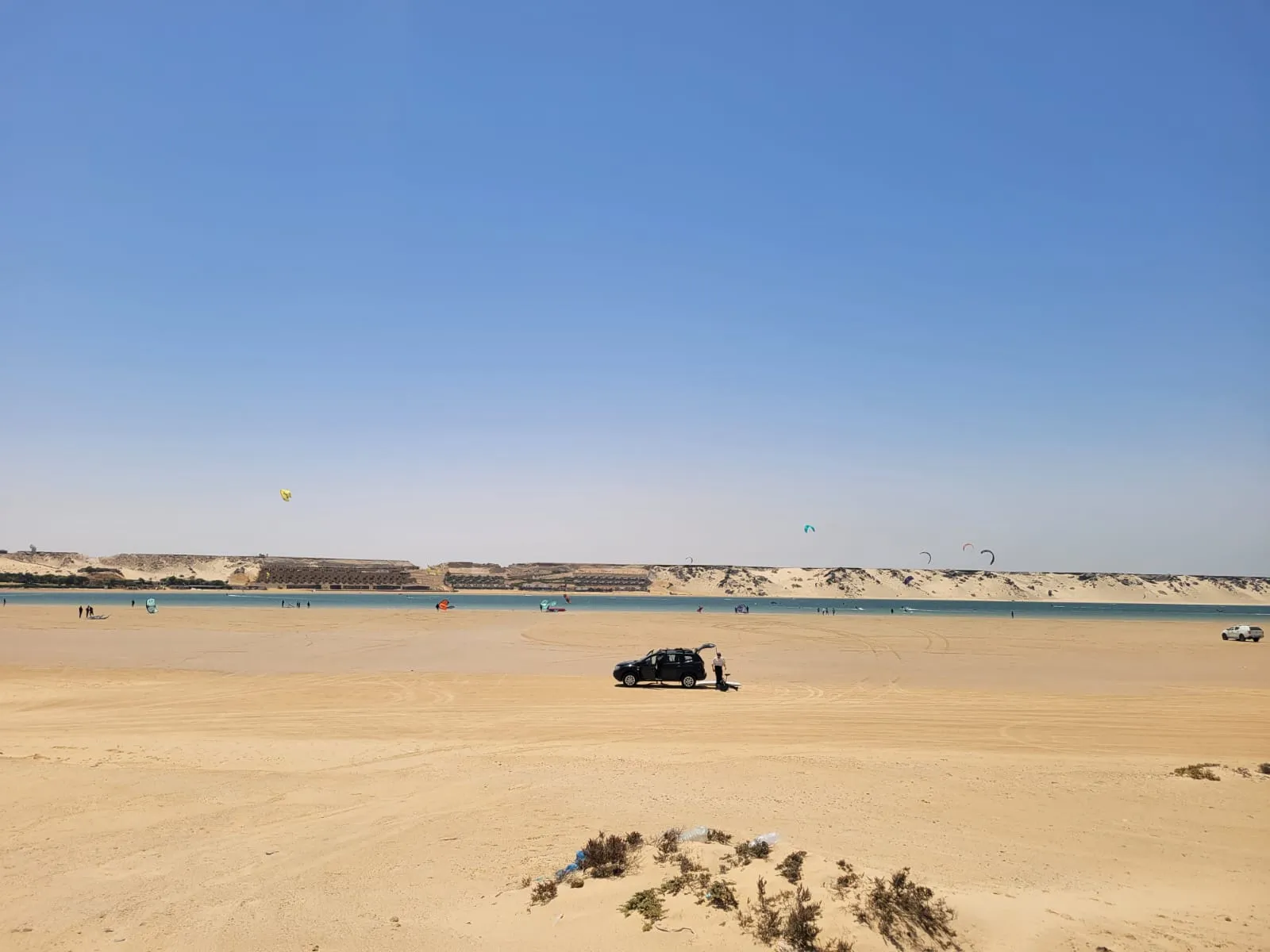
Whether through the ancient streets of Aït Benhaddou, the Atlantic shores of Essaouira, or the vast landscapes of Western Sahara, Morocco provided some of The Odyssey‘s most memorable settings, once again proving why it remains one of Hollywood’s favorite destinations for bringing epic stories to the big screen.
We Said This: Don’t Miss… Is the Story Behind Odysseus’ Greatest Trick Actually Egyptian?