


For centuries, combustion has been the dominant way people consumed tobacco. Light it, burn it, inhale the smoke. It was a simple process that remained largely unchanged for generations.
Today, technology has introduced a different approach: vaporization. While both methods deliver nicotine, the science behind them is fundamentally different. Understanding that difference helps explain why so many adult consumers have become interested in modern smoke-free alternatives.
What Is Combustion?
Combustion occurs when a material burns at high temperatures in the presence of oxygen. In the case of traditional cigarettes, tobacco is ignited and reaches temperatures that can exceed 800°C during a puff.
At those temperatures, the tobacco doesn’t simply release nicotine. It undergoes a series of chemical reactions that produce smoke and thousands of other compounds.
This process is similar to burning wood in a fireplace. The heat creates flames, ash, smoke, and a wide range of byproducts. While the intended result may be warmth, combustion inevitably creates many additional substances along the way.
The same principle applies to tobacco.
What Is Vaporization?
Vaporization works differently.
Rather than burning a substance, vaporization uses controlled heat to convert specific ingredients into an aerosol that can be inhaled. The temperatures involved are significantly lower than those found during combustion.
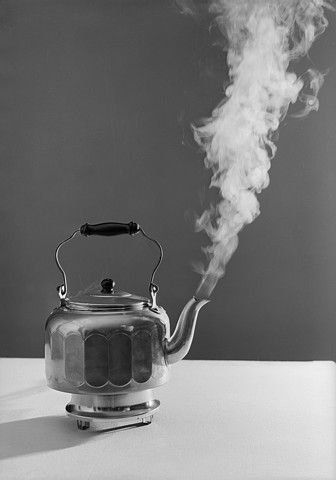
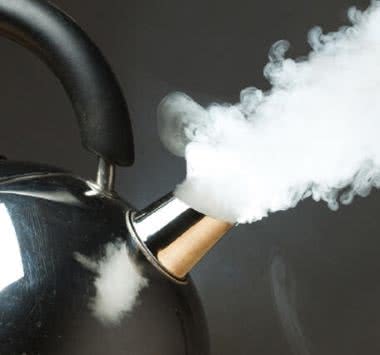
Think about boiling water in a kettle. Water changes into steam without catching fire. Vaporization follows a similar concept. Heat is applied carefully to create vapor without triggering the burning process.
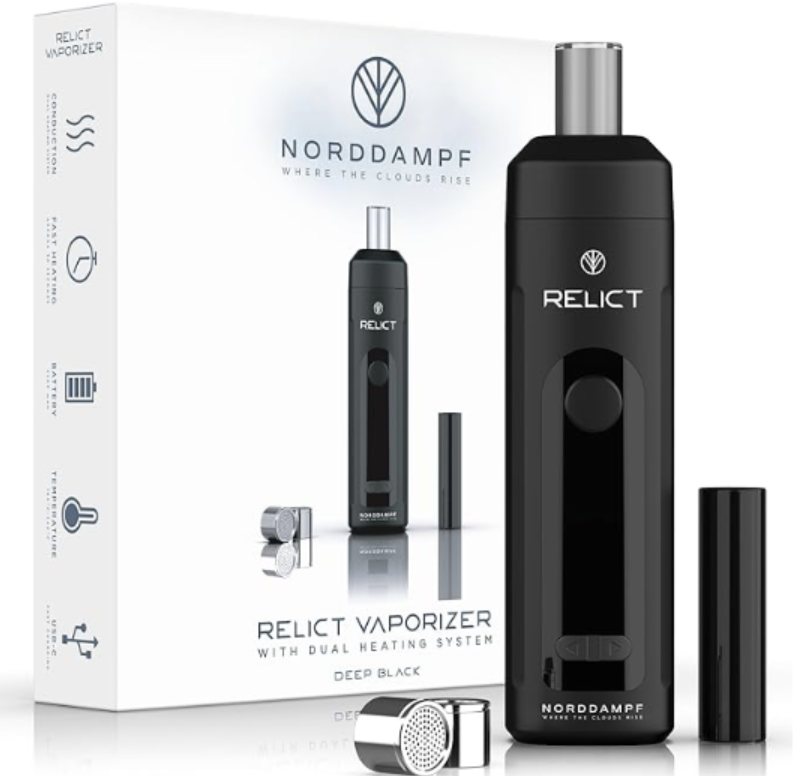
Modern vape devices, like the Relict Vaporizer, use advanced heating elements designed to maintain precise temperature ranges. This controlled approach allows liquid formulations to be transformed into vapor while avoiding the combustion process entirely.
Why Temperature Matters
Temperature is at the heart of the difference between combustion and vaporization.
When tobacco burns, extreme heat causes complex chemical reactions that generate smoke and numerous combustion-related byproducts.
With vaporization, the objective is to reach a temperature high enough to create vapor but low enough to avoid burning the material.
This distinction may seem technical, but it has a major impact on the user experience.
Combustion creates visible smoke, lingering odors, ash, and residue. Vaporization produces an aerosol that behaves differently and leaves behind none of the ash associated with burning tobacco.
Smoke and Vapor Are Not the Same Thing
Many people use the terms interchangeably, but smoke and vapor are not identical.
Smoke is a product of combustion. It contains particles created when materials are burned.
Vapor is produced through heating without burning. The resulting aerosol is generated through a different physical process and contains a different composition.
An easy comparison can be found in the kitchen. Burn a piece of toast and you’ll create smoke. Boil water and you’ll create steam. Both become visible in the air, but the mechanisms that produce them are completely different.
The distinction between smoke and vapor follows the same scientific principle.
How Technology Changed Nicotine Consumption
The development of modern vaporization devices represents a significant technological shift.
Early electronic devices were relatively basic. Today’s products incorporate advanced battery systems, temperature regulation, sophisticated heating elements, and carefully engineered airflow systems.
Manufacturers continue investing in research and product development to improve consistency, reliability, and user experience.
This evolution has transformed vaporization from a niche innovation into a category that attracts millions of adult consumers around the world.
The Role of Device Design
The effectiveness of vaporization depends heavily on engineering.
A well-designed device must manage several factors simultaneously:
- Heating performance
- Temperature consistency
- Battery efficiency
- Airflow control
- Liquid delivery
If any of these elements are poorly designed, the overall experience can suffer.
That is why quality manufacturing and rigorous testing have become increasingly important in the modern vape industry. Adult consumers now expect products that deliver reliable performance every time they are used.
Why Adult Consumers Are Paying Attention
Many adult smokers exploring alternatives are curious about the science behind newer technologies.
Understanding the difference between burning and heating helps explain why vaporization has gained popularity in recent years. Rather than relying on combustion, modern devices use controlled heating systems designed around a completely different principle.
For consumers who appreciate innovation, the shift from combustion-based products to vaporization represents one of the most significant developments in nicotine consumption in decades.
Looking Ahead
The story of nicotine consumption is closely tied to technological progress.
Combustion dominated the market for generations because there were few alternatives available. Advances in engineering, battery technology, and material science have changed that landscape dramatically.
As innovation continues, vaporization technology will likely become even more sophisticated, offering improved performance, greater customization, and enhanced user experiences.
At its core, the distinction remains surprisingly simple: combustion burns, while vaporization heats. That single scientific difference has helped reshape an entire category and continues to influence the future of smoke-free products worldwide.
WE SAID THIS: Don’t Miss…How Justin Fulcher Built Global Healthcare Access with RingMD