


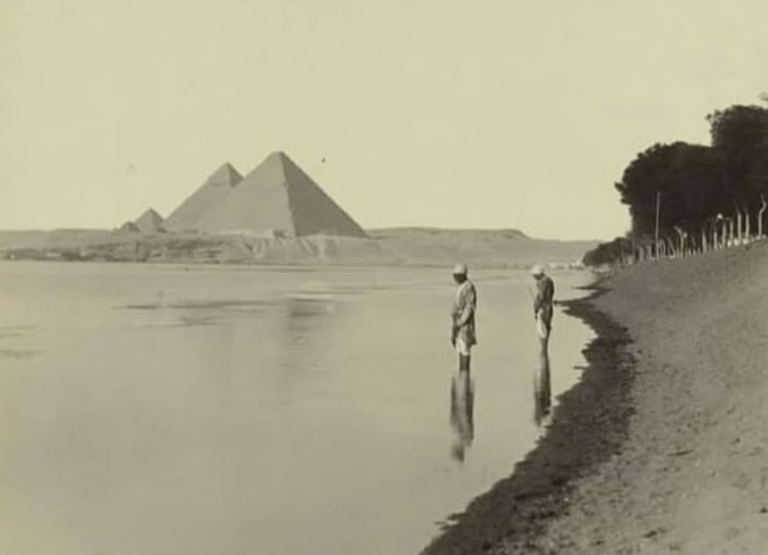
Every August, Egypt celebrates Wafaa El-Nil, the “Fidelity of the Nile” — a tradition tied to the time of year when the river would begin rising and, with it, determine what the next year would look like.
Imagine living in a country where your harvest, your food and your future could all come down to one question: How high will the Nile rise this year?
For ancient Egyptians, this wasn’t folklore. It was life. And when you build an entire civilization around one river, eventually you start giving that river gods, legends, tears and, naturally, a few wildly dramatic stories.
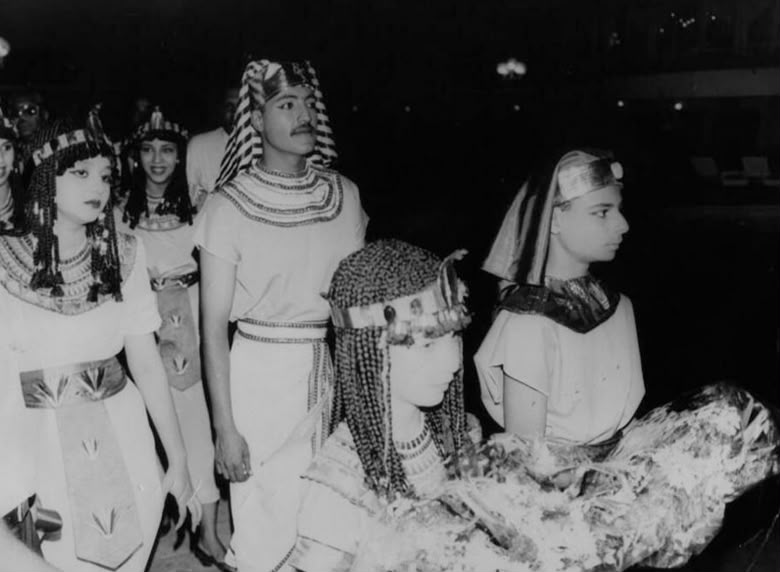
When the Nile Decided Your Fate
Every year, Egyptians waited for the waters to rise, carrying fresh water and dark, fertile silt that would transform the land after the flood receded. A good flood meant fertile fields and abundant crops. A weak one could mean drought, hunger and a very different year ahead.
The ancient Egyptian calendar was built around this rhythm: Akhet, the flood season; Peret, when crops grew; and Shemu, the harvest.
So when the Nile rose, people had plenty of reasons to celebrate. This wasn’t just a river doing its thing. This was the river deciding whether Egypt would eat.
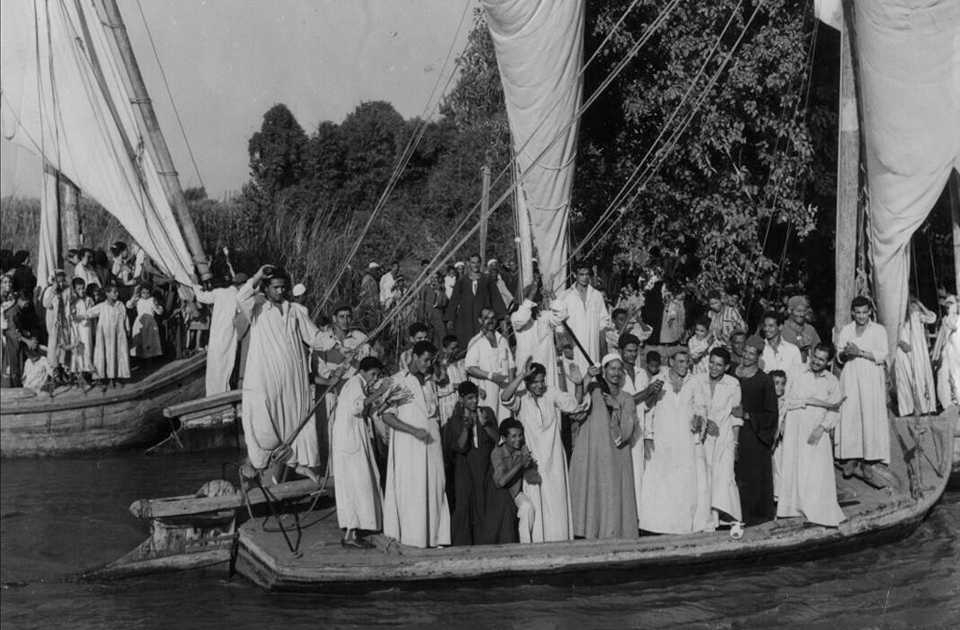
Apparently, Isis Had Something to Do With It
The ancient Egyptians had their own explanation for why the waters rose.
According to one of the most enduring myths, the goddess Isis wept after her husband Osiris was killed by his brother Set. Her tears fell into the Nile, causing the river to swell and flood the land.
It’s hard to imagine a more poetic explanation for something so important: every year, the river rises because a goddess is still mourning the man she loved.
And somehow, that makes the Nile feel less like a geographical feature and more like a living part of the story.
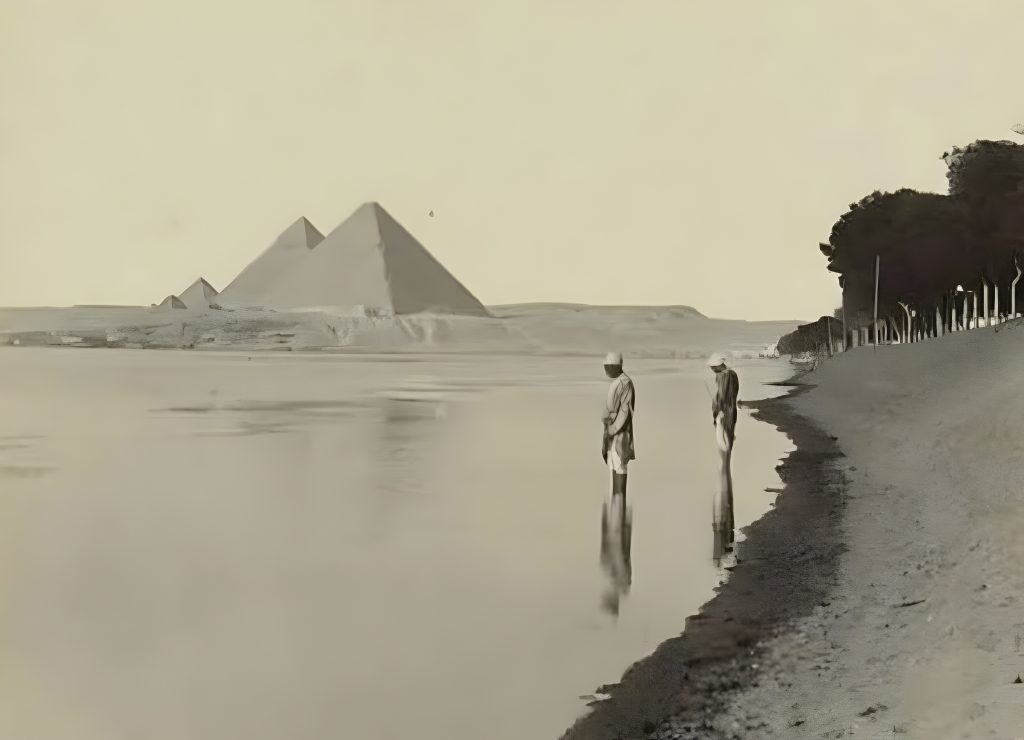
Enter Hapi, God of the Flood
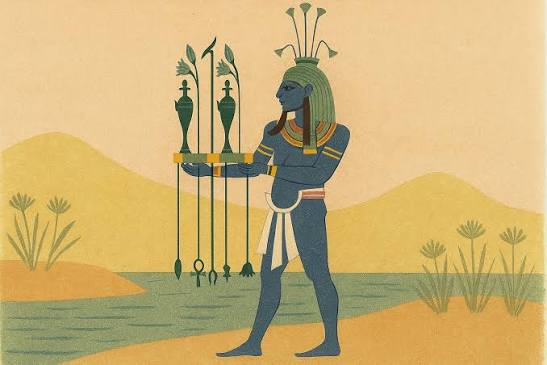
Then there was Hapi, the deity associated with the annual inundation.
Hapi represented the flood and everything it brought with it, water, fertile soil and abundance. The ancient Egyptians celebrated and made offerings in hopes that the Nile would continue to provide.
Because when your entire civilization depends on a river showing up on time, gratitude probably feels like the least you can do.
And the river had quite the reputation for keeping everyone guessing.
The Nile Bride Is the Darkest One
Then comes the story almost every Egyptian has heard at some point: the Bride of the Nile.
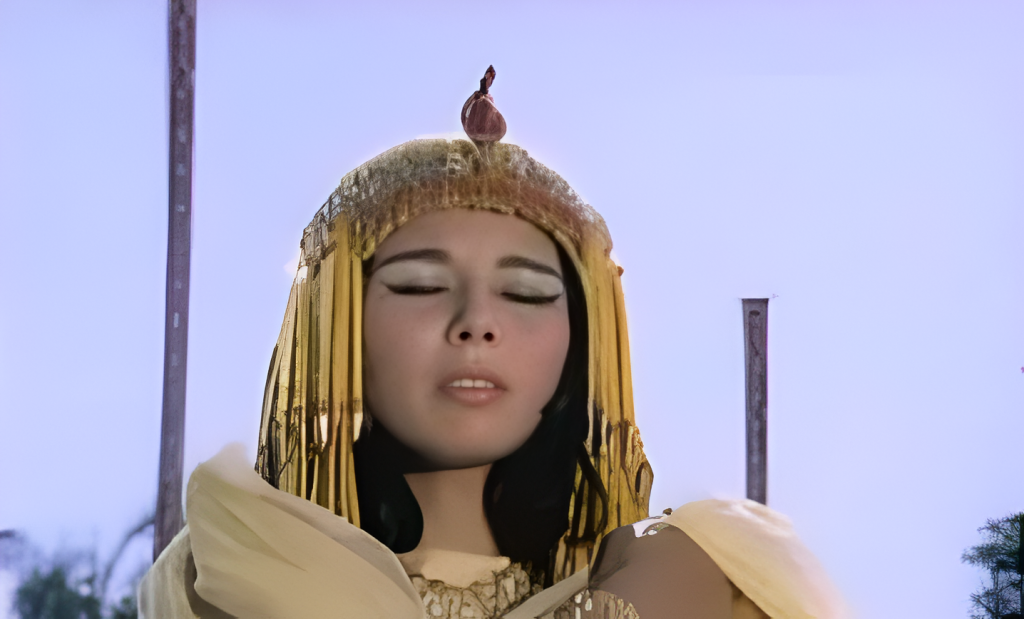
The legend tells of a beautiful young woman chosen as a sacrifice to the river. Dressed in beautiful clothes and jewelry, she would supposedly be thrown into the Nile so that Hapi would bless Egypt with a plentiful flood.
It is, admittedly, an unforgettable story.
It is also almost certainly just that — a story.
There is no evidence in the surviving ancient Egyptian inscriptions and papyri that this kind of human sacrifice actually took place. The famous Bride of the Nile tale appears to have been a later legend that grew around the enormous importance of the river.
Still, it survived. And survived. Until eventually it became one of those stories that feels almost inseparable from the Nile itself.
And Then the Nile Changed Forever
For thousands of years, the rhythm was familiar: the water rose, the land flooded, the silt settled, and eventually the fields were ready again.
Then came the Aswan High Dam in the 1960s.
The annual flooding that had shaped Egyptian life for millennia was brought under control. No more waiting for the river to decide how much water it would bring. No more watching the flood rise with the same uncertainty.
But the stories remained.
Today, Wafaa El-Nil is celebrated around mid-August through cultural events, performances and celebrations of the river. The flood itself may no longer arrive like it once did, but the memory of it is still there.
Because for ancient Egypt, the Nile wasn’t simply something that ran through the country.
It was the reason the country was there at all.
And maybe that’s why, every August, we still find ourselves telling stories about it — the god who brought the flood, the goddess whose tears became its waters, the bride who was never actually sacrificed, and a river that once decided the fate of an entire civilization.
WE SAID THIS: Don’t Miss…Love, Heartbreak & Nile Flood: Unveiling The Myth of Isis And Osiris