



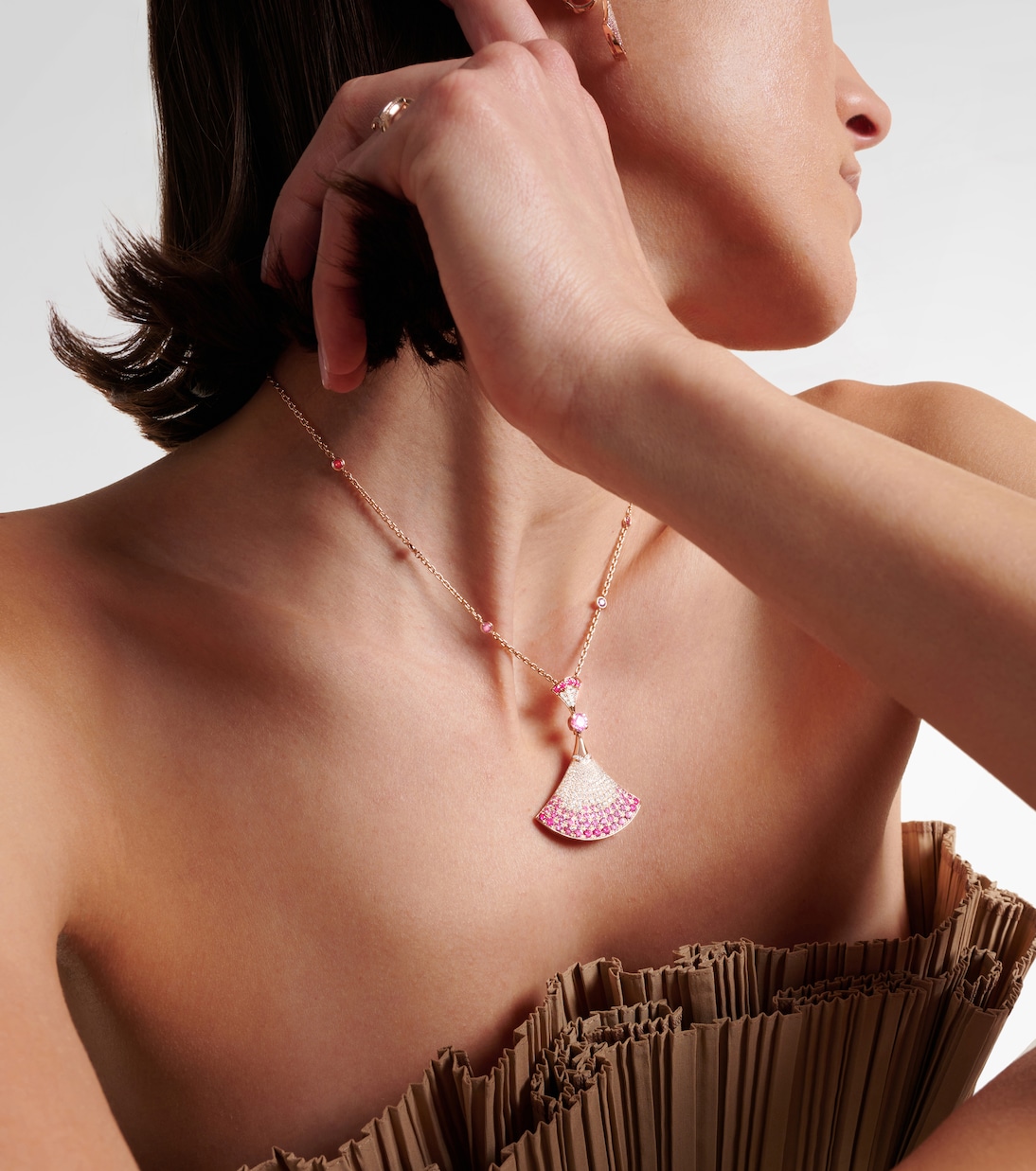
The lotus flower has once again become the center of an online debate after Bulgari’s latest Divas’ Dream collection described its signature lotus-inspired motif as part of Roman heritage. The campaign sparked criticism across social media, with many pointing out that the lotus has been one of the most recognizable symbols of ancient Egypt for thousands of years. While flowers have inspired art across many civilizations, few cultures embraced the lotus as deeply as the ancient Egyptians, who transformed it into a symbol of creation, rebirth, beauty, and eternal life.
Growing from the fertile mud of the Nile before blooming into a pristine flower each morning, the lotus became one of ancient Egypt’s most enduring cultural and spiritual icons. Its image appeared on temples, jewelry, tombs, perfumes, and sacred rituals, leaving behind a legacy that continues to inspire artists and designers today.
Why Bulgari’s Lotus Collection Sparked Debate
The lotus returned to public conversation after Bulgari’s latest Divas’ Dream collection promoted its floral motif as being inspired by Roman heritage. While the Italian luxury house has long connected the design to Roman mosaics and architecture, social media users argued that the lotus itself has one of its deepest and most recognizable historical roots in ancient Egypt.
The criticism wasn’t about whether multiple civilizations appreciated floral motifs, but rather about the historical significance of a flower that has represented Egyptian identity for over 5,000 years. For many Egyptians, the lotus is more than a decorative pattern; it is a symbol woven into the country’s mythology, religion, architecture, art, and cultural heritage.
How the Lotus Became a Sacred Symbol in Ancient Egypt
The lotus, particularly the blue lotus (Nymphaea caerulea), often called the Egyptian blue water lily, flourished naturally along the Nile River. Its unique daily cycle made it unlike any other flower: its petals closed at sunset and reopened with the first rays of morning light.
Ancient Egyptians saw this rhythm as a reflection of the sun’s daily journey across the sky. Because the flower appeared to “awaken” every dawn, it became closely associated with Ra, the sun god, and the eternal cycle of death and rebirth.
According to Egyptian creation myths, the very first lotus emerged from the primordial waters of Nun at the beginning of time. As the blossom opened, it revealed the infant sun, bringing light and life into the world. This story made the lotus not simply a beautiful flower but one of the earliest symbols of creation itself.

A Symbol of Rebirth, Purity, and Eternal Life
The lotus came to represent many of the beliefs at the heart of ancient Egyptian civilization.
Its ability to emerge clean from muddy waters symbolized purity, while its daily blooming represented renewal and resurrection. Egyptians believed the soul could be reborn just as the lotus reopened each morning, making the flower an important symbol in funerary beliefs and the afterlife.
The flower was also associated with Nefertem, the youthful god of perfume, healing, and the first rays of the sun. Often depicted wearing a lotus blossom on his head, Nefertem embodied beauty, fragrance, health, and new beginnings.
Because of these associations, lotus imagery became a symbol of prosperity, divine protection, and the eternal rhythms of nature that governed Egyptian life.

The Lotus in Ancient Egyptian Art
The lotus appears throughout nearly every period of Egyptian art but became especially prominent during the New Kingdom.
One of its most famous appearances can be found in the Tomb of Nebamun (around 1350 BCE), where banquet guests are shown holding lotus flowers to their noses. These scenes symbolized joy, celebration, rebirth, and participation in eternal life rather than simple decoration.
Archaeologists have also uncovered dried lotus flowers inside royal tombs, including burials dating to the reign of Ramesses II. Their presence suggests the flower played an important role in funerary rituals, accompanying the deceased on their journey into the afterlife.
Lotus motifs also decorated coffins, papyrus scrolls, ceremonial objects, furniture, and wall reliefs, becoming one of the defining visual symbols of ancient Egyptian civilization.

From Temple Columns to Monumental Architecture
The influence of the lotus extended far beyond decoration.
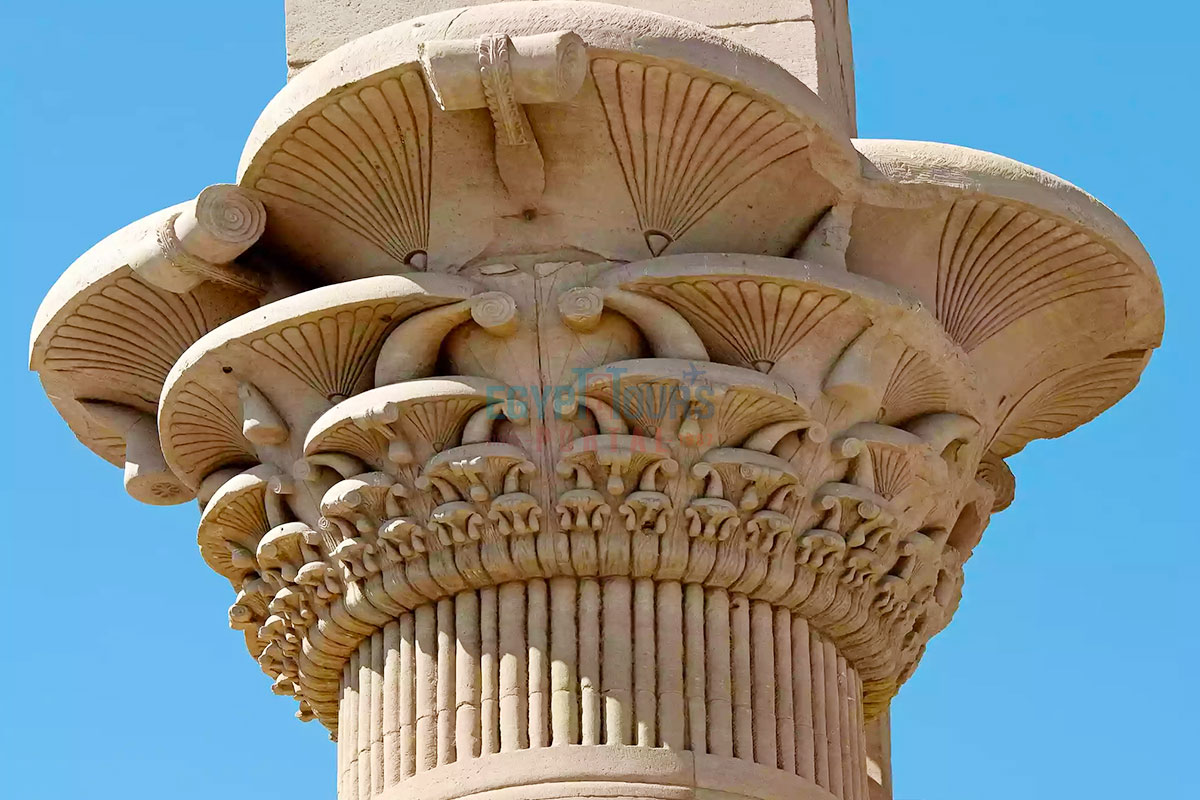
Ancient Egyptian architects modeled entire columns after lotus buds and open blossoms, creating some of the most recognizable architectural forms in history. Lotus capitals first appeared during the Old Kingdom but became increasingly elaborate during the New Kingdom.
At temples such as Karnak and Luxor, forests of towering lotus-shaped columns transformed sacred spaces into symbolic representations of the primordial marsh from which creation first emerged.
Walking through these temples was meant to evoke the moment life began, with the lotus serving as a reminder of the universe’s continual renewal.
More Than a Symbol: How Egyptians Used the Lotus
The lotus was woven into everyday life as much as it was into religion.
Its fragrant blossoms were used to produce perfumes and scented oils for both sacred ceremonies and personal adornment. Ancient texts and archaeological evidence suggest the blue lotus was steeped in wine during banquets and religious rituals, where it may have produced mild relaxing or euphoric effects.
The flower also appeared in medicinal practices, with various parts of the plant believed to possess healing properties.
Whether worn, inhaled, or offered to the gods, the lotus represented physical beauty alongside spiritual well-being.

Lotus Jewelry That Promised Eternal Protection
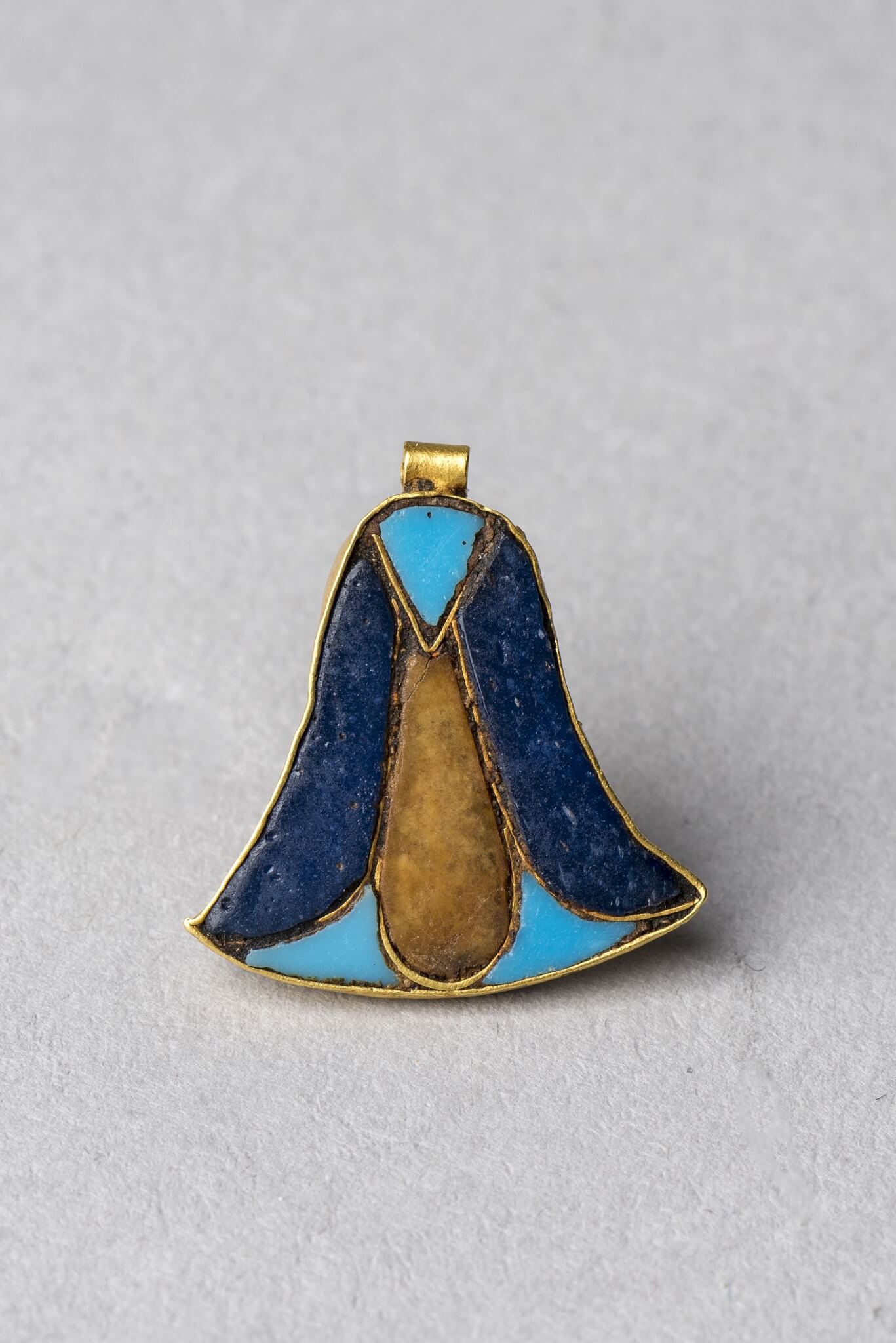
Long before luxury houses adopted lotus-inspired designs, ancient Egyptian goldsmiths were transforming the flower into exquisite jewelry.
Craftsmen fashioned pendants, rings, pectorals, earrings, and elaborate broad collars using gold alongside precious stones such as lapis lazuli, turquoise, and carnelian. These weren’t simply ornamental pieces; they carried profound symbolic meaning.
Wearing lotus jewelry was believed to offer divine protection and to represent eternal life, regeneration, and the promise of rebirth in the afterlife. Many surviving examples discovered in royal tombs demonstrate just how closely jewelry and spirituality were intertwined in ancient Egypt.
The controversy has reignited conversations about cultural attribution and historical inspiration, reminding the world that behind one of history’s most elegant floral designs lies an ancient civilization that gave the lotus its enduring meaning.
We Said This: Don’t Miss… When Ancient Egypt Inspired the World’s Most Luxurious Jewelry Houses