



Palestine’s Ministry of Tourism and Antiquities has announced that 12 additional cultural and natural sites have been added to the UNESCO World Heritage Tentative List, marking another step in the country’s efforts to preserve and gain international recognition for its heritage.
The latest additions bring the total number of Palestinian sites on UNESCO’s Tentative List to 23, reflecting ongoing efforts to document and safeguard places of historical, cultural, and religious significance.
A Step Toward Preserving Palestinian Heritage
According to the ministry, the new registrations were completed in cooperation with Palestine’s Permanent Delegation to UNESCO as part of a broader effort to strengthen the international presence of Palestinian heritage and showcase the country’s rich cultural and natural diversity.
Being included on UNESCO’s Tentative List is the first stage before a site can be nominated for the official World Heritage List. The process also helps strengthen conservation efforts, improve site management, and encourage greater international cooperation in protecting these locations.
The ministry said it remains committed to documenting and preserving Palestinian heritage for future generations.
Which Sites Were Added?
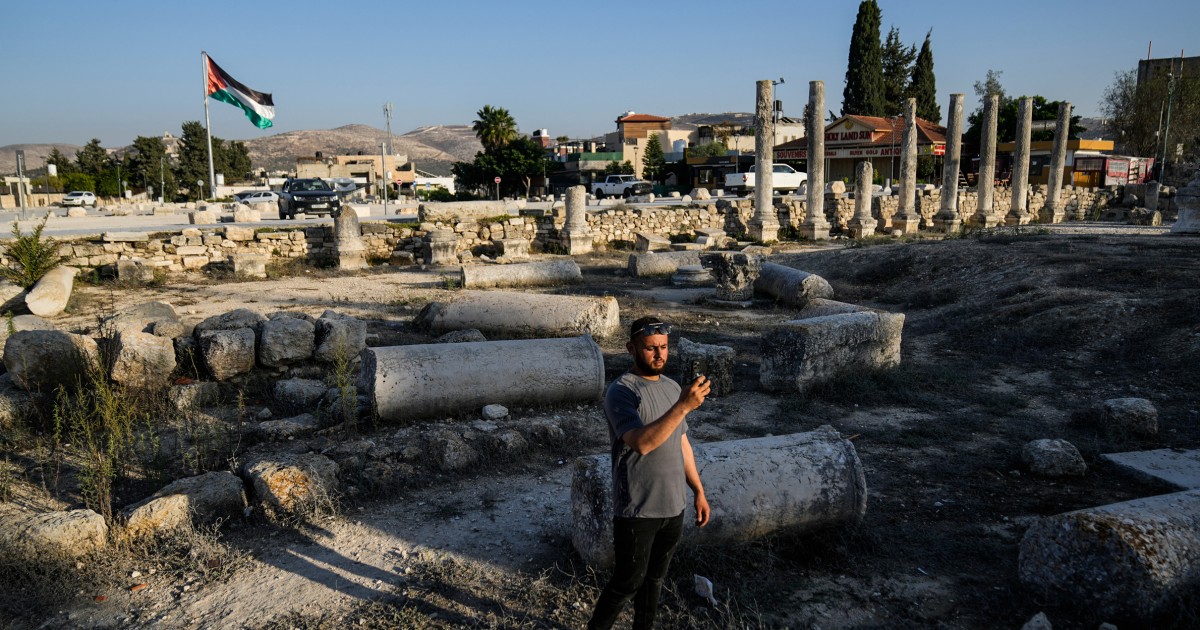
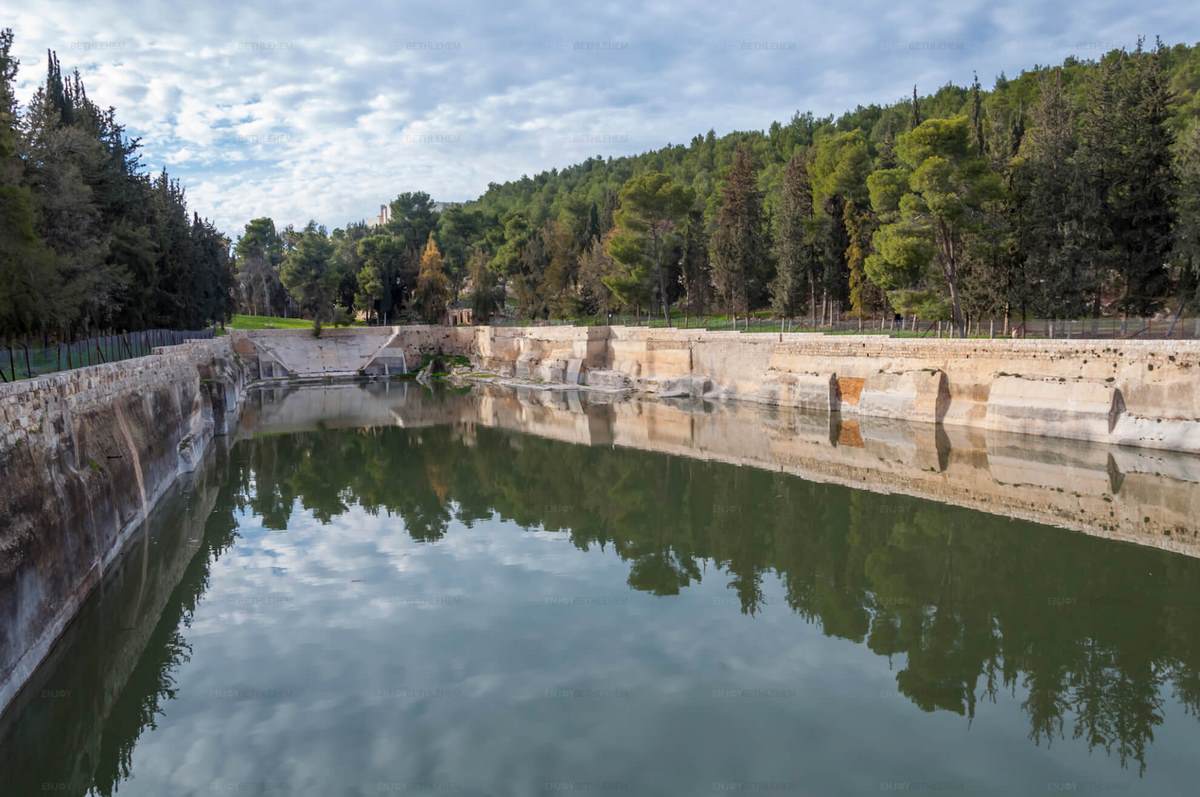
Among the newly listed sites highlighted by the ministry are Sebastia in the northern occupied West Bank, Solomon’s Pools south of Bethlehem, and the Ibrahimi Mosque in Hebron.
The ministry said these sites have faced increasing Israeli measures in recent months that aim to isolate them from their Palestinian surroundings and tighten Israeli control over them.

Growing Concerns Over Heritage Sites in the West Bank
Palestinian officials say archaeological and heritage sites across the occupied West Bank continue to face escalating pressures, including expanded Israeli administrative control and measures affecting historically significant locations.
In June, Israeli Finance Minister Bezalel Smotrich announced that planning and construction authority around the Ibrahimi Mosque would be transferred from the Hebron Municipality to the Israeli administration.
The Palestinian Authority says the decision violates the 1997 Hebron Agreement, while Smotrich described it as part of strengthening Israeli sovereignty in the occupied West Bank.
Meanwhile, the Israeli Knesset is discussing legislation that would grant Israeli authorities broader powers over the management of archaeological sites in the occupied West Bank.

Why the UNESCO Listing Matters
Palestinian authorities argue that protecting heritage sites has become increasingly urgent as historical landmarks face growing political and administrative pressures.
These measures are taking place alongside wider developments in the occupied West Bank, including arrests, displacement, home demolitions, and the destruction of agricultural land. Palestinian officials argue that these actions contribute to efforts that could pave the way for the formal annexation of parts of the West Bank, a move they say would undermine the prospects of a future Palestinian state envisioned in United Nations resolutions.
While inclusion on UNESCO’s Tentative List does not grant World Heritage status, it is an important milestone that strengthens international recognition of these sites and lays the groundwork for their future nomination to the UNESCO World Heritage List.
We Said This: Don’t Miss… EU Launches $1 Billion ‘Team Gaza Initiative’ to Support Gaza’s Recovery