


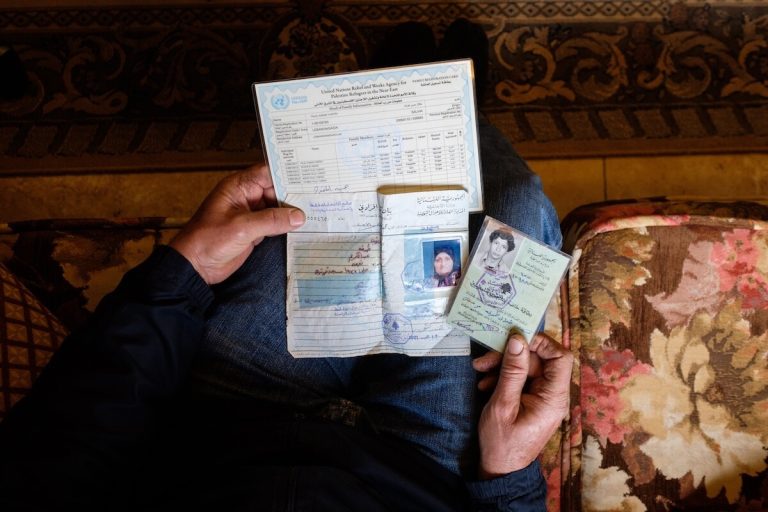
The story of Lebanon’s Seven Lost Villages begins with a question: what happens when foreign powers redraw a map without regard for the people who live on it?
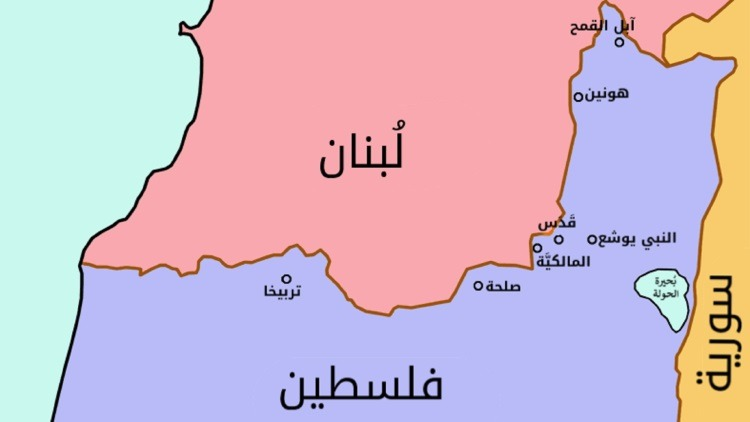
For the residents of Tarbikha, Abil al-Qamh, Hunin, Nabi Yusha, Qadas, Salha, and al-Malikiyya, the answer was devastating. First, colonial powers separated their communities from Lebanon. Then, during the Nakba of 1948, they were driven from their homes altogether. More than seventy years later, their villages no longer exist as they once did, but their story remains an important chapter in the history of displacement in Palestine and Lebanon.
Were These Villages Lebanese or Palestinian?
For centuries, the people of the Seven Villages lived as part of a connected region stretching across what is now southern Lebanon and northern Palestine. They were predominantly Shiite Muslim, with one village (Abil al-Qamh) also containing Christian families. Families traded, farmed, married, and moved throughout the area without the modern borders that exist today.
That changed after World War I.
As the Ottoman Empire collapsed, Britain and France divided the Levant between themselves. In the early 1920s, colonial officials drew new borders that placed the seven villages on the Palestine side of the frontier, despite their historic connections to Lebanon. The decision was made by colonial officials, not by the people who lived there.
On paper, the villages had changed countries. In practice, life continued much as before—at least for a while.
What Happened in 1948?
The Nakba transformed everything.
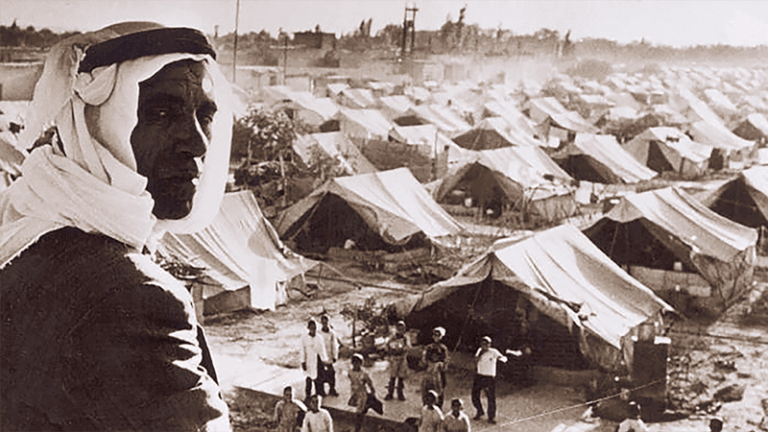
As Zionist forces captured territory across Palestine, hundreds of Palestinian communities were depopulated and their residents displaced. The people of the Seven Villages were among those forced to flee. Many escaped north to Lebanon, believing they would soon return.
They never did.
Families left behind homes, farmland, businesses, and generations of history. What began as a desperate search for safety became a permanent exile.
What Happened to the People?
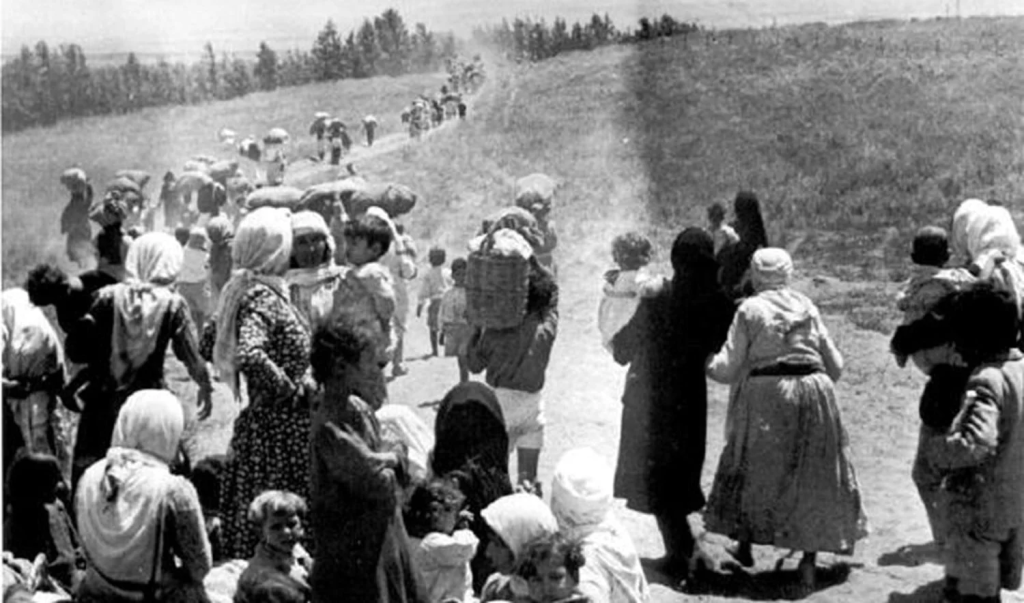
The displacement of the Seven Villages came at a heavy human cost. During the violence of 1948, many residents were killed, while thousands of others were forced to flee their homes and seek refuge in Lebanon.
For many, displacement also brought legal uncertainty, as residents of the Seven Villages faced a long struggle to secure full recognition and citizenship rights in Lebanon.
Like many displaced Palestinians, many families believed their exile would be temporary. Instead, they spent generations unable to return. Despite rebuilding their lives in Lebanon, they preserved their connection to their villages through stories, documents, and family memories. Many descendants still keep the keys to homes their families were forced to leave behind—a symbol of both loss and an enduring hope of return.
What Became of Their Homes?
The villages were not simply abandoned. After their residents were displaced, Israeli settlements were established on their lands.
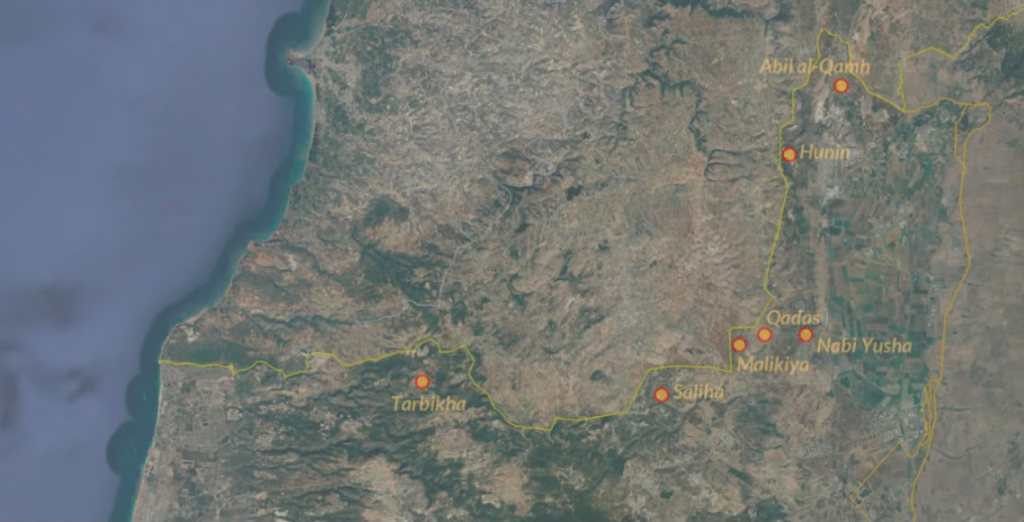
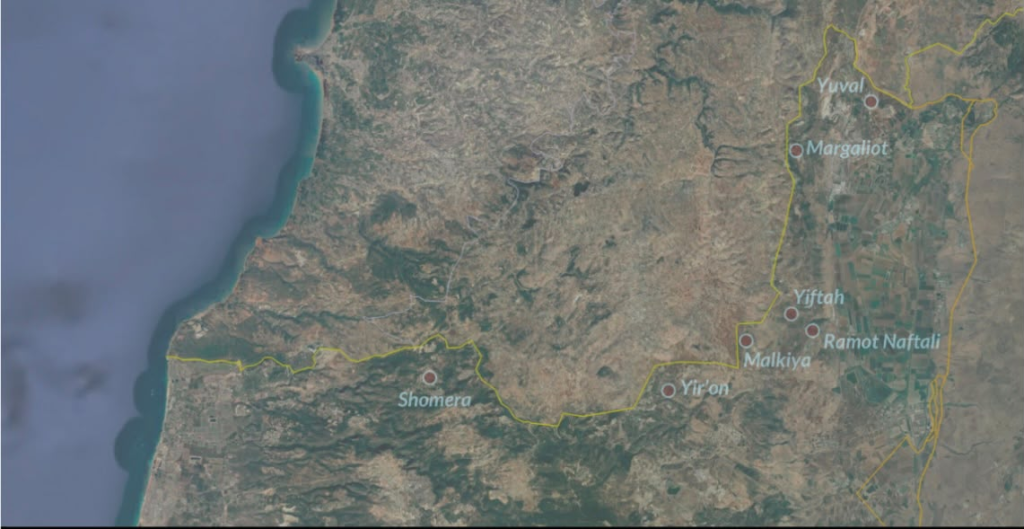
Their Arabic names were replaced with Hebrew ones. Some homes were taken over and modified by new residents. Others were demolished entirely. Agricultural land changed hands, and parts of the area were transformed into military zones and settlements.
For the displaced villagers, the loss was not only of property. It was the loss of communities, memories, and a way of life rooted in the land.
Before:
After:
Why Does This Story Matter Today?
The Seven Villages highlight two forms of dispossession that shaped the region.
The first came from colonial powers that drew borders without consulting local populations. The second came with the displacement of the villages’ residents during the creation of Israel and the broader Nakba.
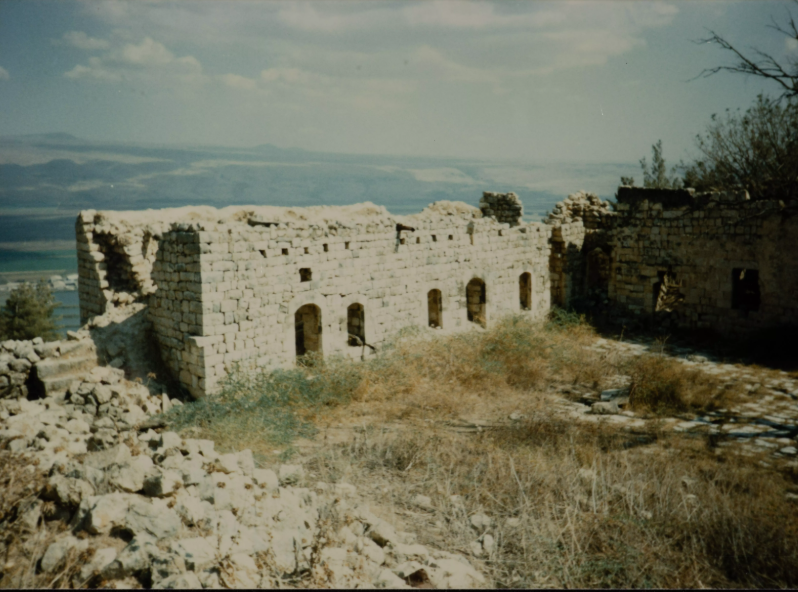
Today, descendants of the original villagers continue to preserve their history and connection to the land, even as the physical traces of their communities have largely disappeared.
Conclusion
The story of the Seven Lost Villages is ultimately about more than borders or geography. It is about people whose lives were transformed by decisions made far from their homes and by a displacement that continues to shape generations.
The villages may have been renamed, repurposed, or erased from the landscape, but they remain alive in family memories and historical records. Their story serves as a reminder that behind every border, every village, and every map are real communities whose histories cannot simply be erased.
We Said This: Don’t Miss…“We Have More to Do”: The Politics Behind Netanyahu’s “Greater Israel”