


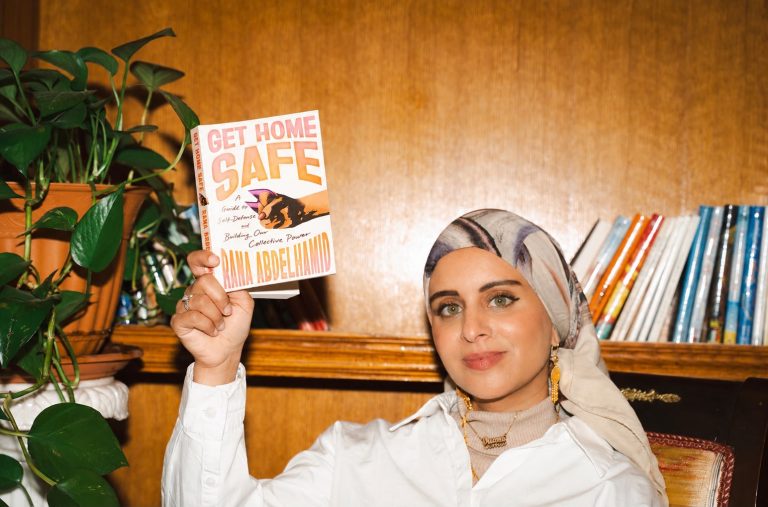
As the founder of Malikah, author of Get Home Safe, and a lifelong advocate for Muslim women, Rana Abdelhamid has spent years creating a space where women can feel safe, seen, and empowered. But before becoming a community leader, she was simply an Egyptian-American girl growing up in Queens, navigating life between cultures while witnessing the challenges facing immigrant communities firsthand. In conversation with us, Abdelhamid reflects on her Egyptian roots, the assault that changed her life, the power of self-defense, and why she hopes Muslim women never feel the need to shrink themselves to belong.
Growing Up Egyptian-American in Queens
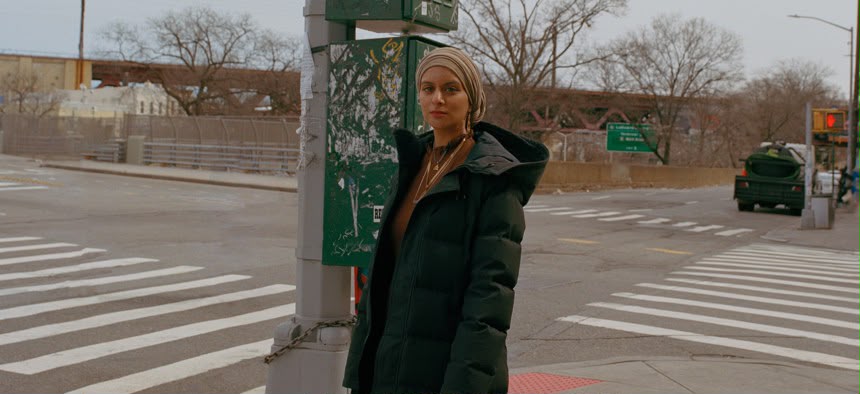
For Rana Abdelhamid, growing up as an Egyptian-American Muslim girl in Queens meant living between two worlds. At home, she was surrounded by Egyptian culture, language, food, music, and family gatherings that stretched for hours. Beyond her front door, she witnessed the realities many immigrant families faced, from economic hardship and language barriers to discrimination and violence.
I became aware at a young age of how race, religion, gender, and immigration status could shape the way people were treated and the opportunities available to them.
Finding Strength in Her Roots
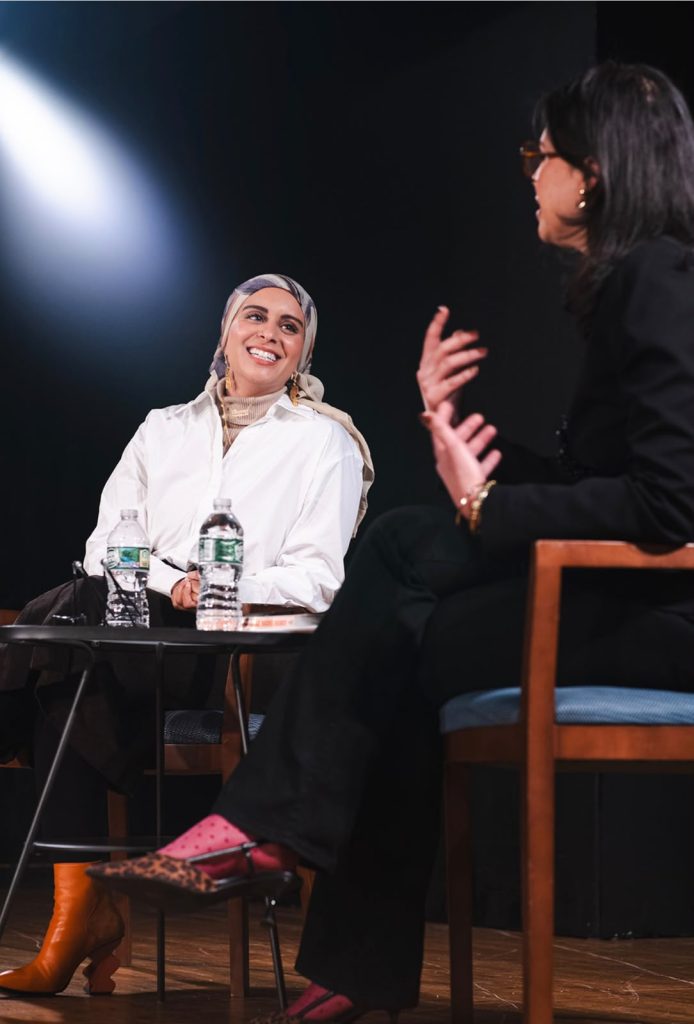
Growing up in post-9/11 New York City, Abdelhamid remembers watching Muslim and Arab communities come under increased scrutiny. Suddenly, many people around her felt they had to explain themselves, justify their identities, or make themselves smaller in order to be accepted.
Yet despite the fear and uncertainty, she recalls how her community refused to disappear. Families continued gathering in each other’s homes, going to mosques, speaking Arabic, playing Egyptian music, and celebrating their culture with pride.
For Abdelhamid, that resilience became the foundation of her connection to her Egyptian identity. Rather than seeing her upbringing as a story of assimilation, she sees it as a continuation of culture and community. The vibrant Egyptian community in Queens became proof that identity could endure, adapt, and thrive.
The Experience That Changed Everything
As a teenager, Abdelhamid was physically assaulted for wearing the hijab, an experience that divided her life into a clear before and after.
Before, there was a sense of normalcy: going to school, spending time with friends, and simply being a teenager in Queens. Afterward, she became acutely aware of how quickly an ordinary moment could become dangerous.
The experience also exposed a difficult truth: safety is not distributed equally.
Rather than retreating or hiding parts of herself, Abdelhamid responded by becoming even more rooted in her identity and convictions.
It taught me that we don’t solve violence by asking individuals to adapt to it. We solve it by building a different kind of world.
Boxing, Confidence, and Reclaiming Power
Long before the attack, Abdelhamid had already developed a love for martial arts, beginning karate lessons at the age of seven. Her sensei, a celebrated champion in Egypt and across Africa, was also an immigrant living in Queens, making the experience feel deeply connected to both her personal growth and her cultural roots.
Following the assault, she leaned further into training, not because she wanted to become tougher, but because she wanted to feel grounded again.
Through martial arts, she learned to reconnect with her body, her confidence, and her sense of agency. The experience taught her that she didn’t need to apologize for taking up space or make herself smaller to feel safe.
Instead, she discovered strength in her own presence.
As a young woman, martial arts helped me understand that my body was capable, strong, and powerful.
Creating a Space Where Women Feel Seen
Abdelhamid founded Malikah with a simple but powerful goal: to create the kind of support system she knew so many women needed.
The organization serves women who have experienced harassment, discrimination, domestic violence, and other forms of harm. It was built for Muslim women who often find themselves under scrutiny while rarely feeling fully seen or understood.
At its core, Malikah is a space where women can show up as they are, without having to explain, justify, or defend themselves.
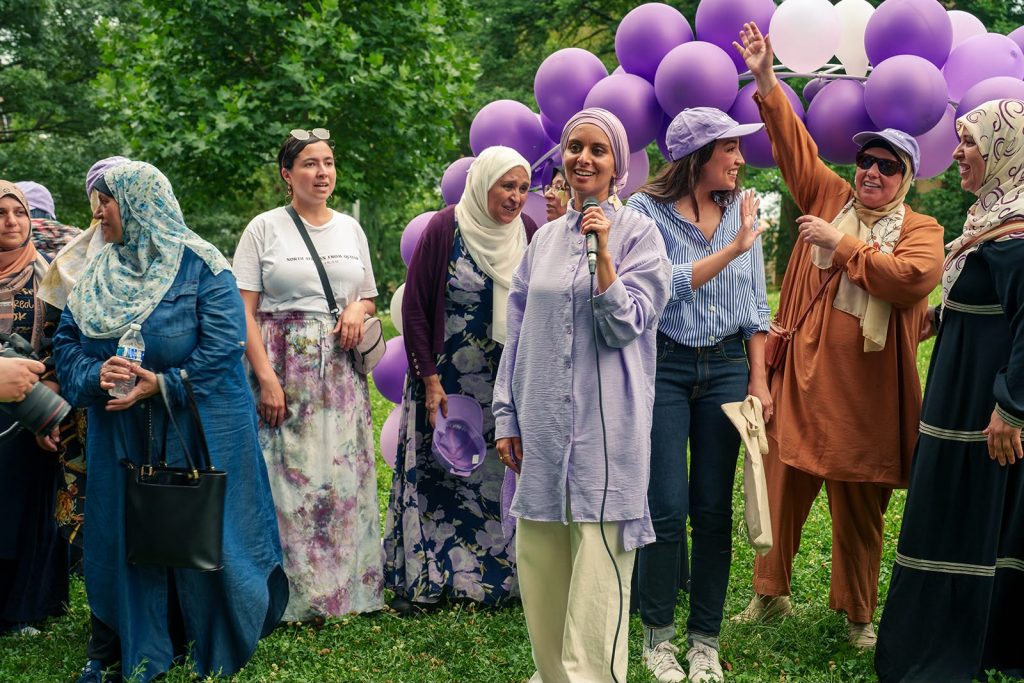
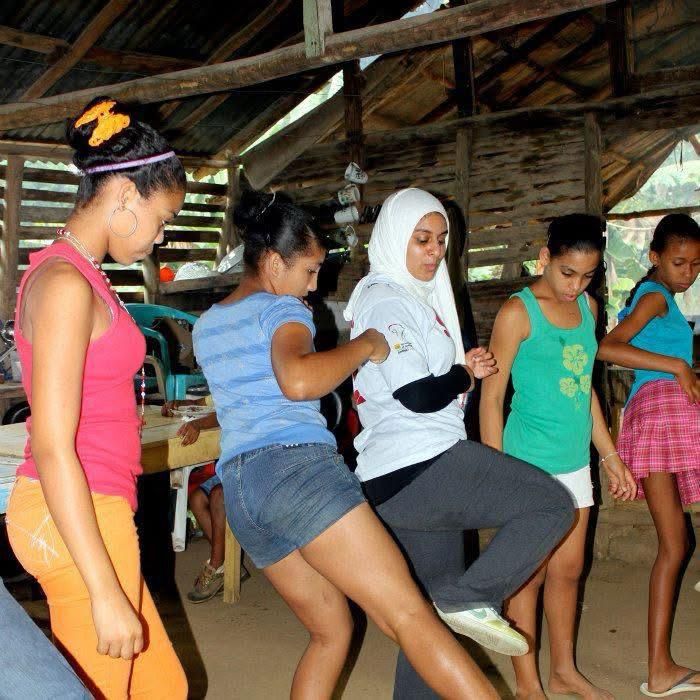
Through self-defense training, de-escalation workshops, and bystander intervention programs, the organization equips women with practical tools they can use in real-life situations. But beyond those skills, Malikah focuses on something equally important: community.
For Abdelhamid, empowerment is not about facing challenges alone. It’s about building the relationships, confidence, and support systems that allow people to move through the world with greater strength and security.
Turning Her Story Into Get Home Safe
For years, Abdelhamid never imagined writing a book. But after working closely with women from countless backgrounds, she began noticing a pattern.
Many of them carried experiences similar to her own, yet often felt they were facing those struggles alone.
I had seen enough women and girls to know that these experiences were not just mine.
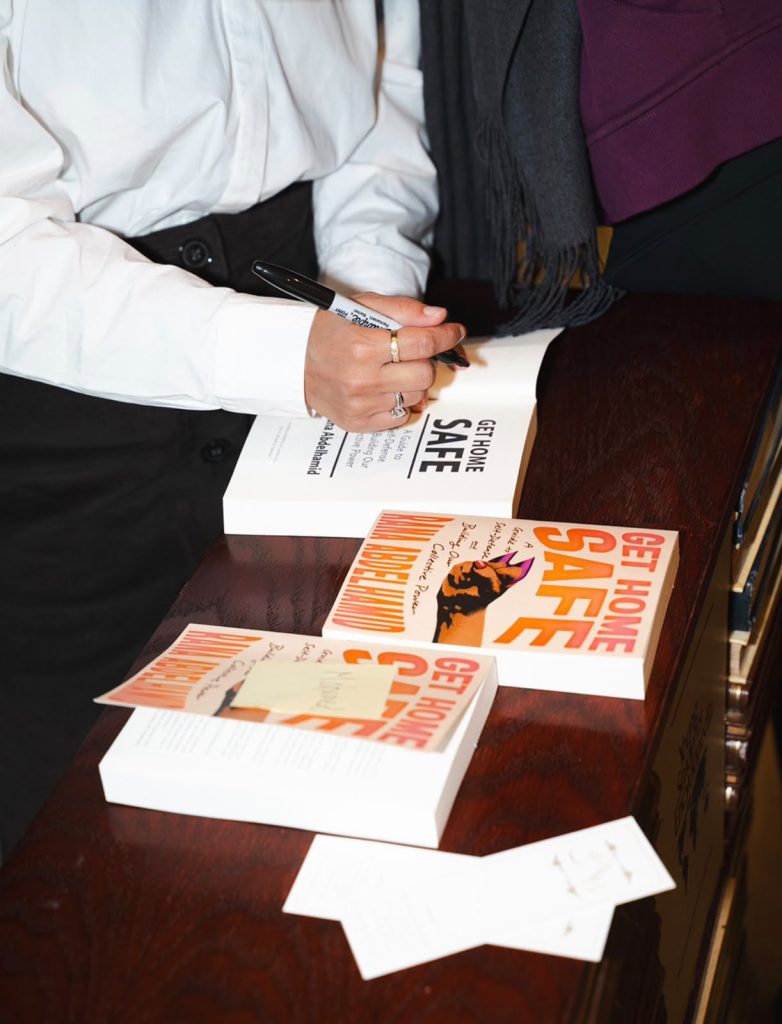
Realizing how much silence can isolate people, she decided it was time to tell her story. She spent time in Egypt writing Get Home Safe, reflecting not only on her own experiences but also on the many women whose stories had shaped her journey.
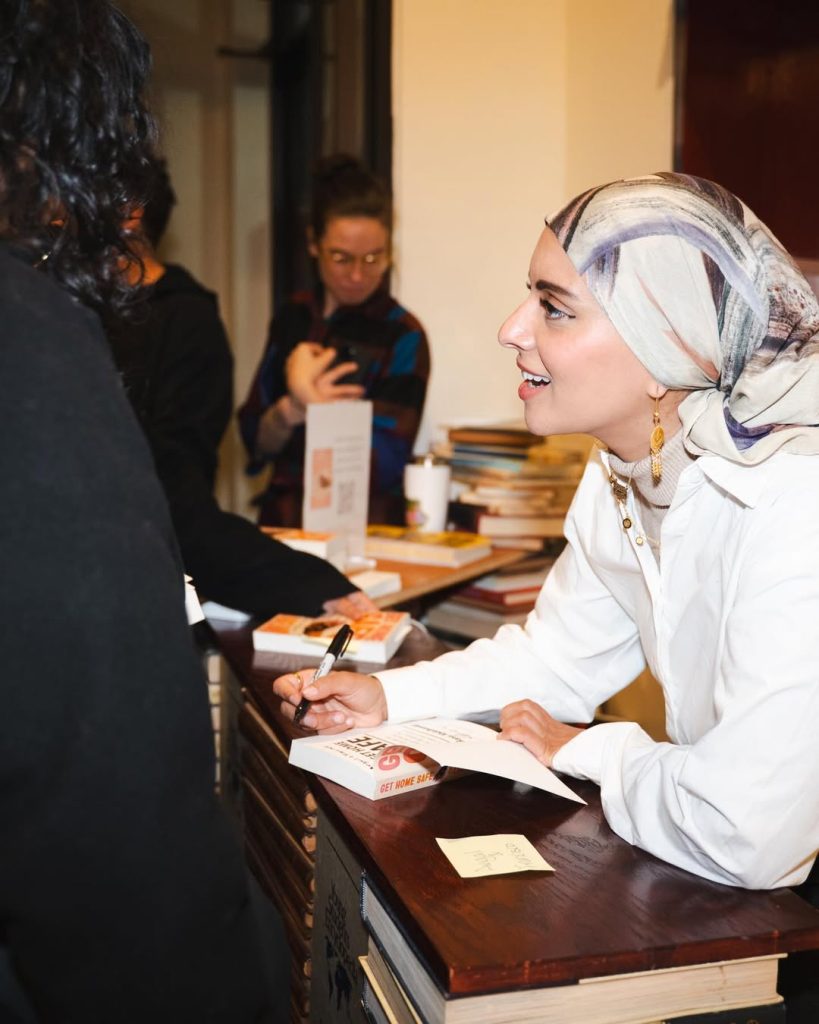
Some of her most meaningful moments, however, aren’t found in the pages of a book. They’re the everyday interactions that remind her why the work matters: neighborhood aunties who see Malikah as a second home, or community members who stop her on the street to share their appreciation.
What She Wants Muslim Girls to Know
Many Muslim girls grow up receiving messages that they should downplay parts of themselves to fit in, whether that’s their faith, heritage, language, or culture.
Abdelhamid hopes her story offers a different message.
She sees her Egyptian and Muslim identities not as obstacles, but as sources of strength, belonging, and purpose. They have shaped her understanding of community, hospitality, and responsibility toward others.
She wants young women to know that success doesn’t require leaving those identities behind.
Instead, they can serve as an anchor.
I also hope they see that success is not just about the individual or even the immediate family unit.
For Abdelhamid, success also includes contributing to the wellbeing of others, improving the communities around us, and using our voices, talents, and experiences to create opportunities for those who come next.
Most importantly, she hopes women recognize that they already possess power within themselves.
Finding Hope in the Next Generation
When Abdelhamid looks at younger Muslim women today, she sees a generation that is increasingly willing to define itself on its own terms.
She finds hope in young women who are creating their own platforms, sharing their own stories, and refusing to wait for permission to be visible.
Whether in politics, business, sports, the arts, or activism, she sees Muslim women embracing opportunities while remaining deeply connected to their cultures and identities.
For her, that confidence and self-assurance signal a promising future.
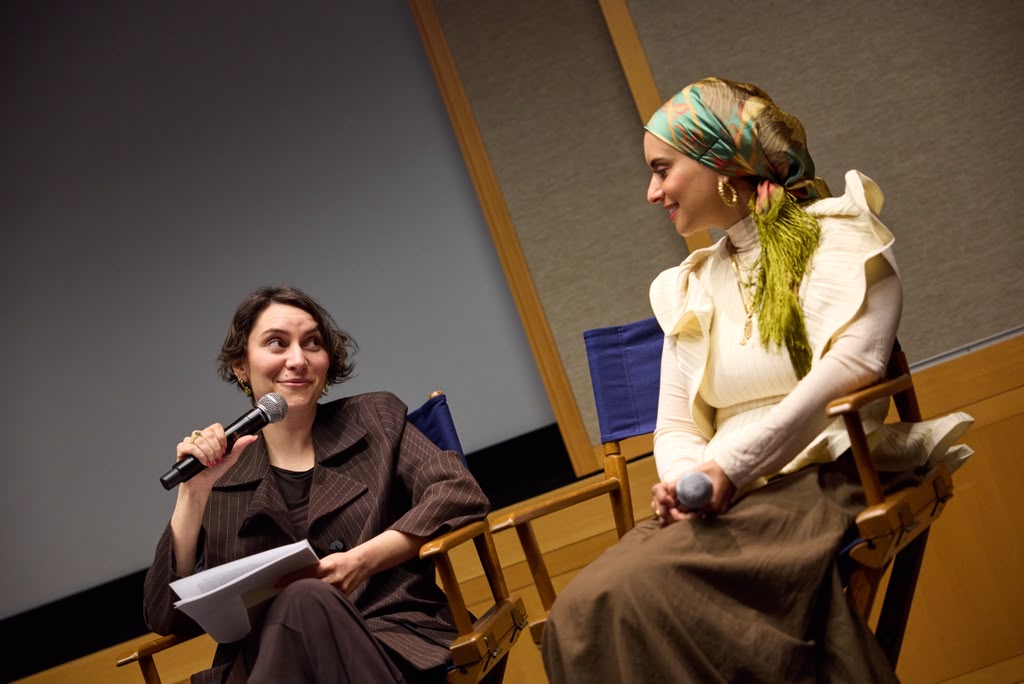
A Message to Her Younger Self
When asked what she would tell her younger self, Abdelhamid pauses to reflect on how much life has unfolded in ways she never could have imagined.
Growing up as the daughter of immigrants in working-class Queens, accomplishments like attending Harvard, writing a book, running for office, building a social enterprise that has impacted thousands of lives, becoming a mother, and finding love all felt far beyond what she could envision as a child.
I honestly don’t think she could have imagined this life.
Yet rather than seeing her story as complete, she views it as something still unfolding; proof that the possibilities ahead are often greater than the ones we can see for ourselves.
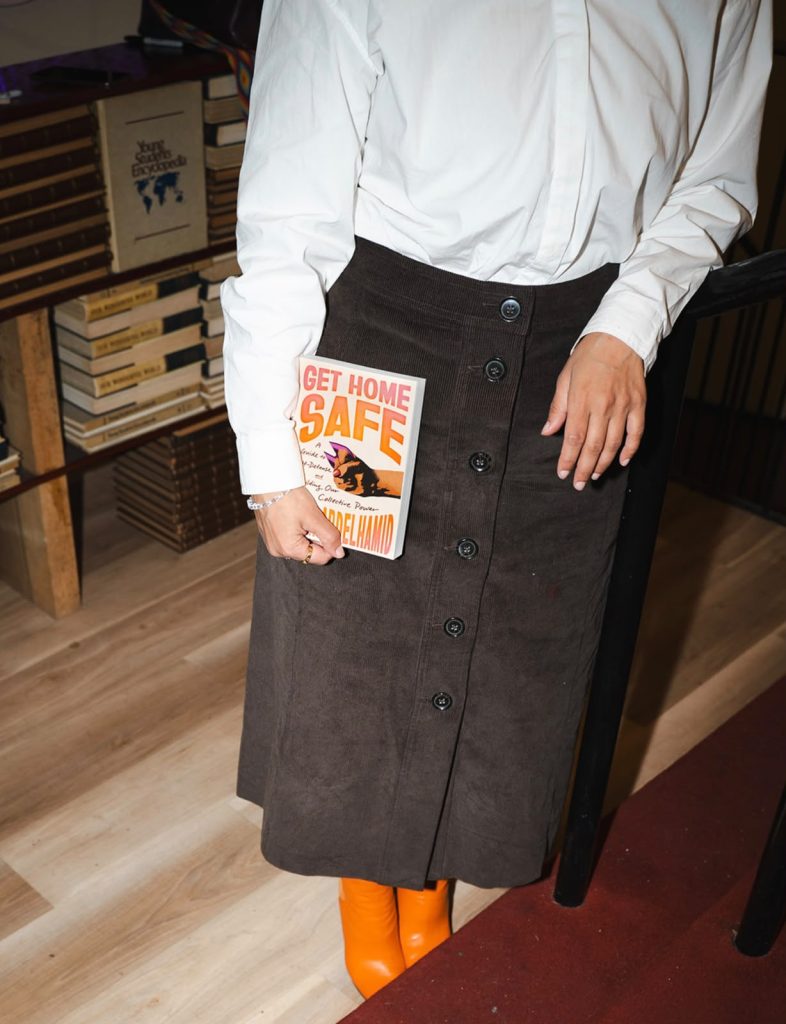
From a young Egyptian-American girl navigating life in Queens to a community leader empowering women across the United States, Rana Abdelhamid’s journey has always been rooted in the belief that identity is a source of strength, not limitation.
Through Malikah, her advocacy, and now Get Home Safe, she continues to challenge the idea that Muslim women should make themselves smaller to belong. Instead, her story is a reminder that resilience grows through community, that power already exists within us, and that creating a safer world begins with ensuring no one has to face it alone.
We Said This: Don’t Miss… 6 Books on Arab American Identity That Hit Close to Home