


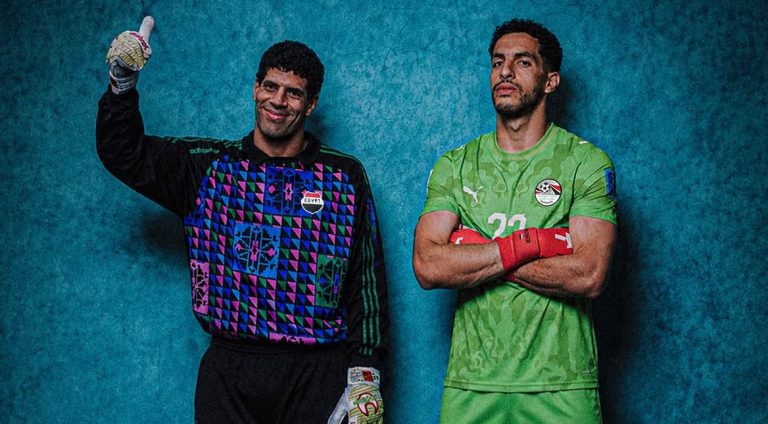
Every World Cup creates new heroes.
But every now and then, a different kind of story appears — not a breakthrough, not a surprise, but a continuation.
At World Cup 2026, several MENA teams arrived carrying more than expectations. They arrived carrying surnames, memories, and unfinished chapters. Some players are following fathers who once wore national colours. Others are former World Cup players who have returned years later in suits instead of kits.
This is football’s version of inheritance: not trophies passed down, but dreams.
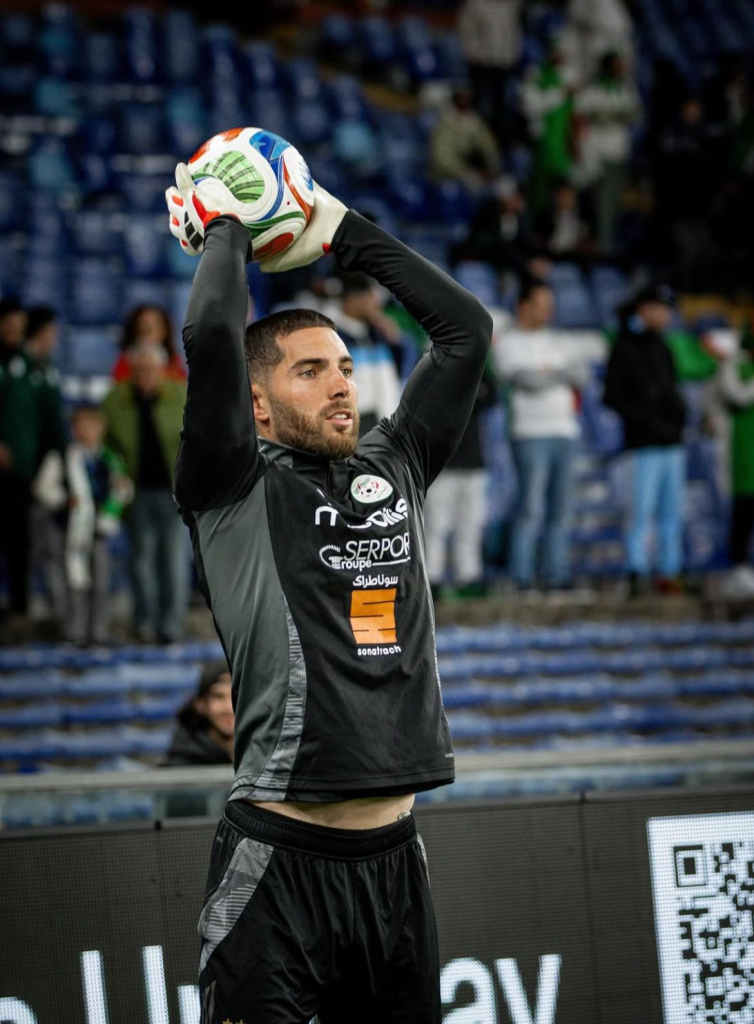
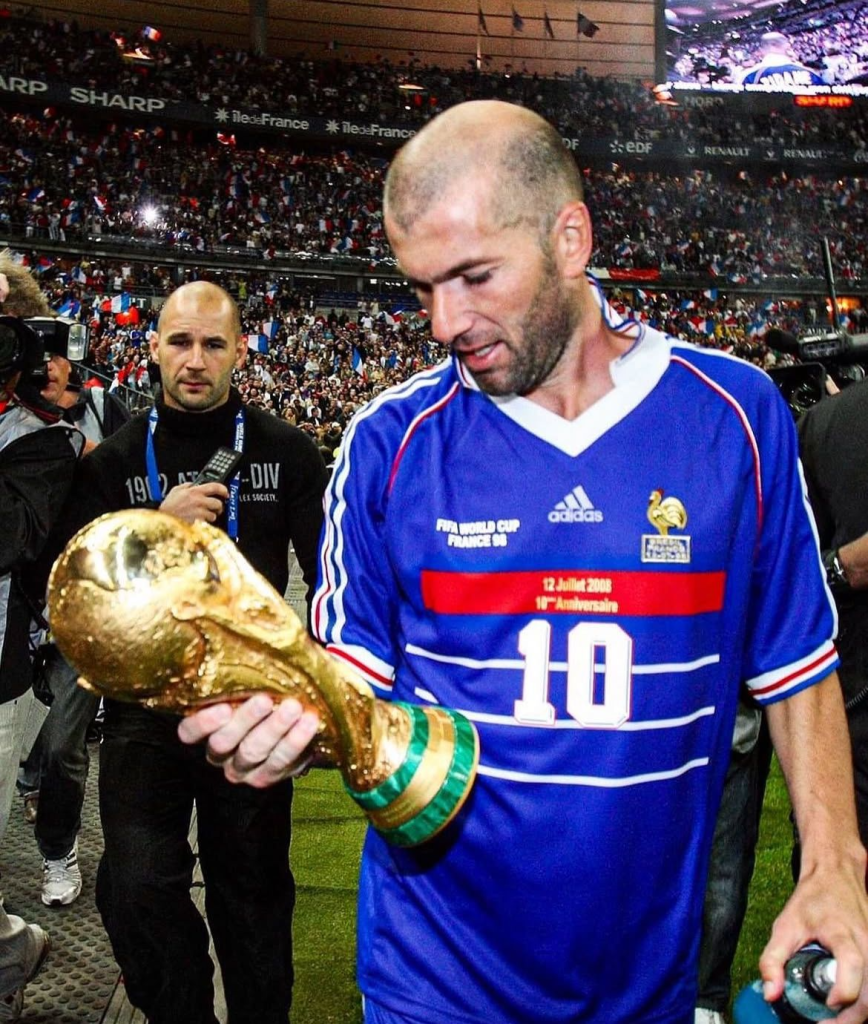
Luca Zidane (Algeria): Son of Zinédine Zidane (France)
Some surnames arrive with impossible expectations.
Luca Zidane walked into World Cup 2026 with one of the biggest in football.
His father, Zinédine Zidane, is not just a former footballer — he is one of the defining figures in World Cup history. He played in three World Cups (1998, 2002, and 2006) with France and became immortal in 1998 when France won its first-ever World Cup, with Zidane scoring two goals in the final against Brazil. Eight years later, he led France back to the 2006 World Cup Final in one of football’s most unforgettable farewell tournaments.
Now comes the next generation. But Luca’s story takes a different path. Instead of continuing under France, he chose Algeria and became the starting goalkeeper for the Desert Foxes. Same surname. Different gloves. Different flag.
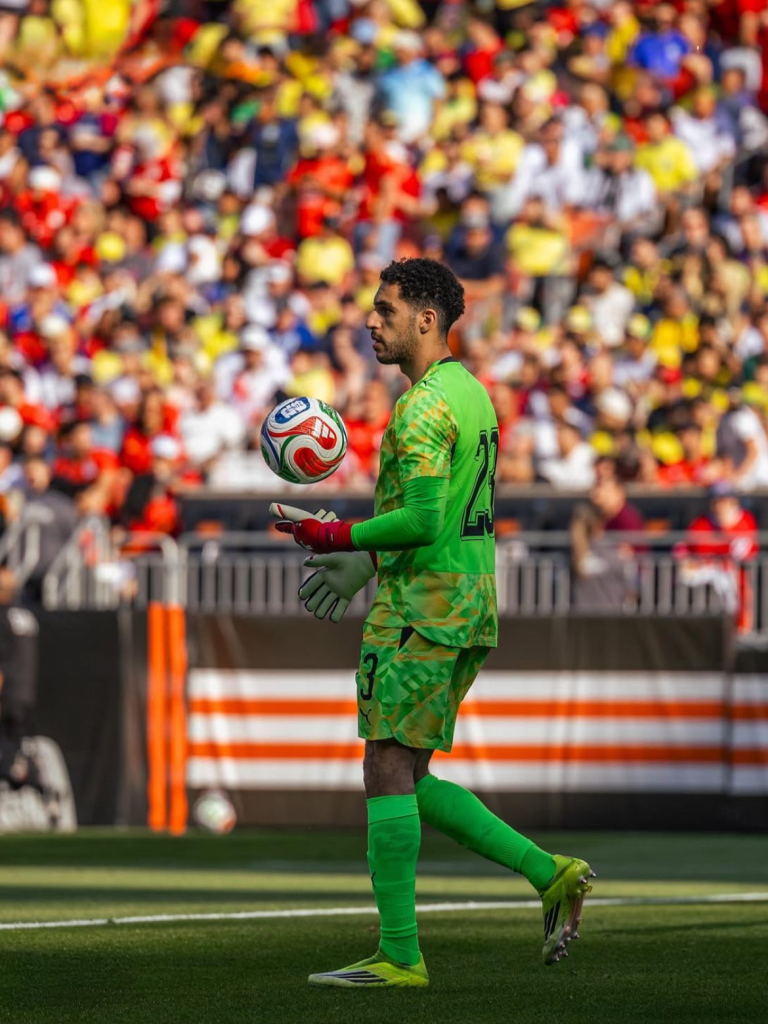
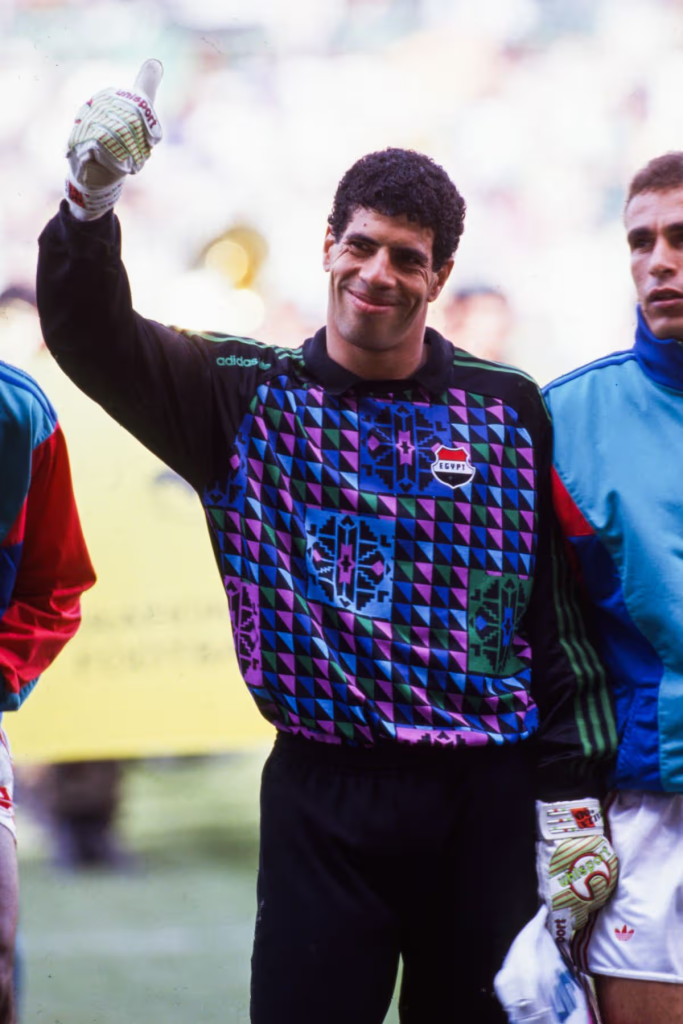
Mostafa Shobeir (Egypt): Son of Ahmed Shobeir (Egypt)
Some football legacies are almost poetic.
Ahmed Shobeir stood in goal for Egypt at the 1990 FIFA World Cup in Italy — Egypt’s first World Cup appearance since 1934. That tournament became memorable because Egypt remained difficult to beat and earned draws against both the Netherlands and Ireland.
Ahmed later became one of Egypt’s most recognisable football personalities and a symbol of an entire generation of Egyptian football.
Now in 2026, his son Mostafa Shobeir arrives wearing the same badge and guarding the same net.
Goalkeeper fathers and sons always feel special because the similarities are impossible to ignore: the position, the responsibility, the moments where one save can define a generation.
For Egypt, this is not simply another player selection. It feels like a story returning after more than three decades.
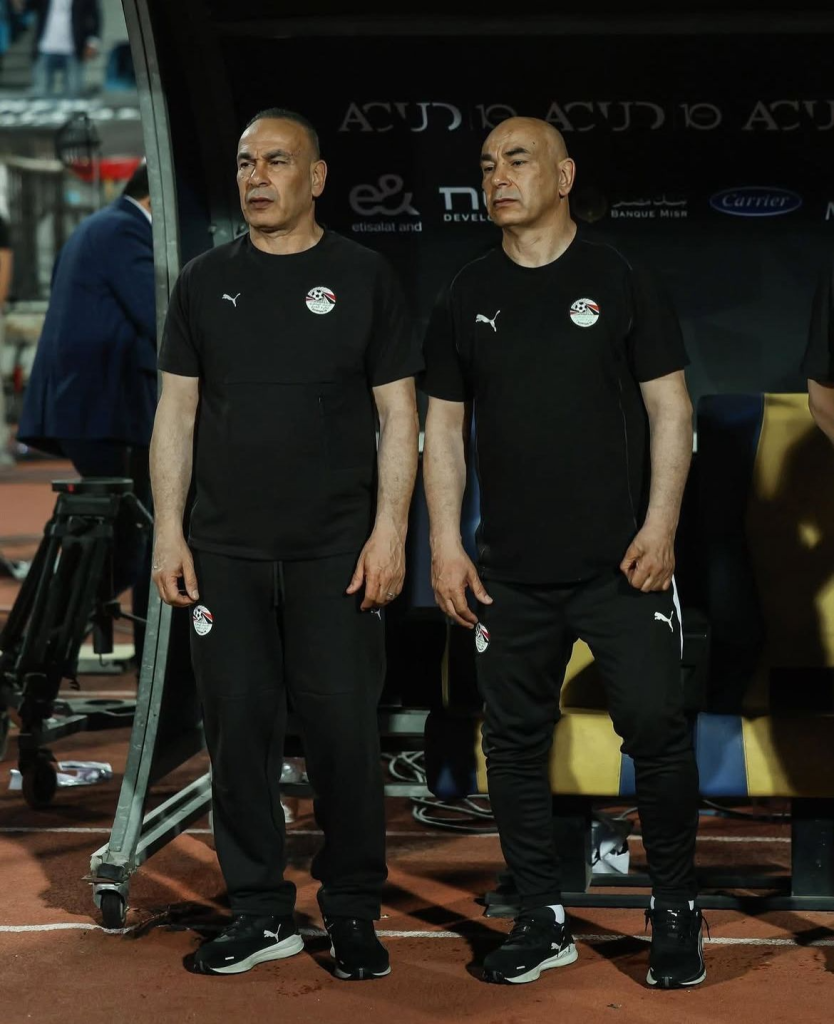
Hossam Hassan and Ibrahim Hassan (Egypt): From World Cup Players to World Cup Coaches
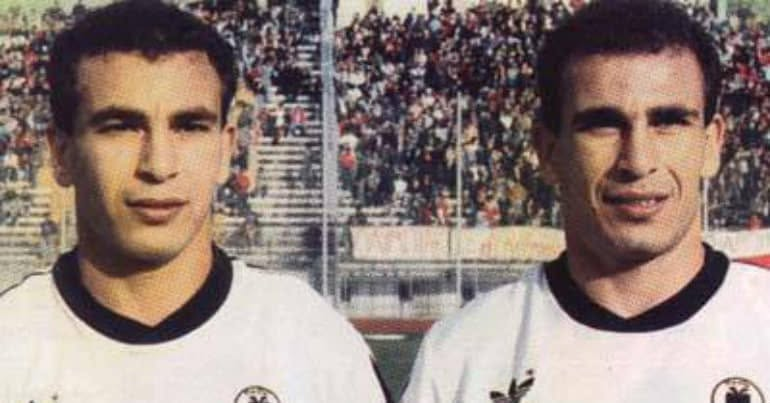
Hossam Hassan and Ibrahim Hassan already wrote their names into Egyptian football history as players.
The twins were part of Egypt’s 1990 World Cup squad, the country’s last World Cup appearance before the modern era. Hossam became Egypt’s all-time leading scorer for many years and one of Africa’s great strikers, while Ibrahim became one of Egypt’s most iconic right-backs and captains.
Now they are back. Only this time there are no warmups, no shin pads, and no sprint to kickoff. Their continuation comes from the technical area.
Few stories capture football’s long timeline better than former players becoming national-team coaches. The game changes, but familiar faces remain.
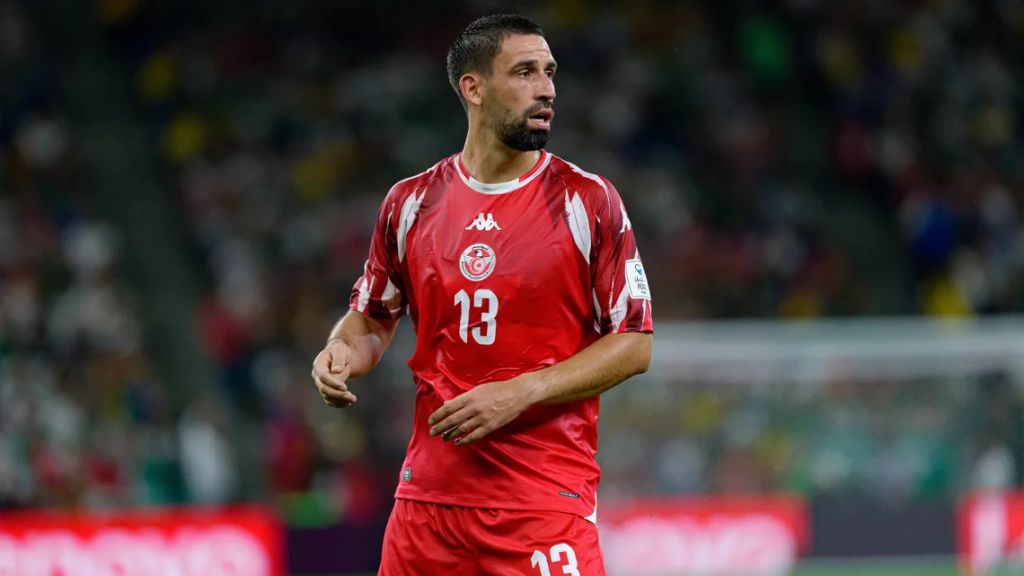
Rani Khedira (Tunisia): Brother of Sami Khedira (Germany)
The Khedira story is slightly different.
This one is not father to son — it is brother to brother.
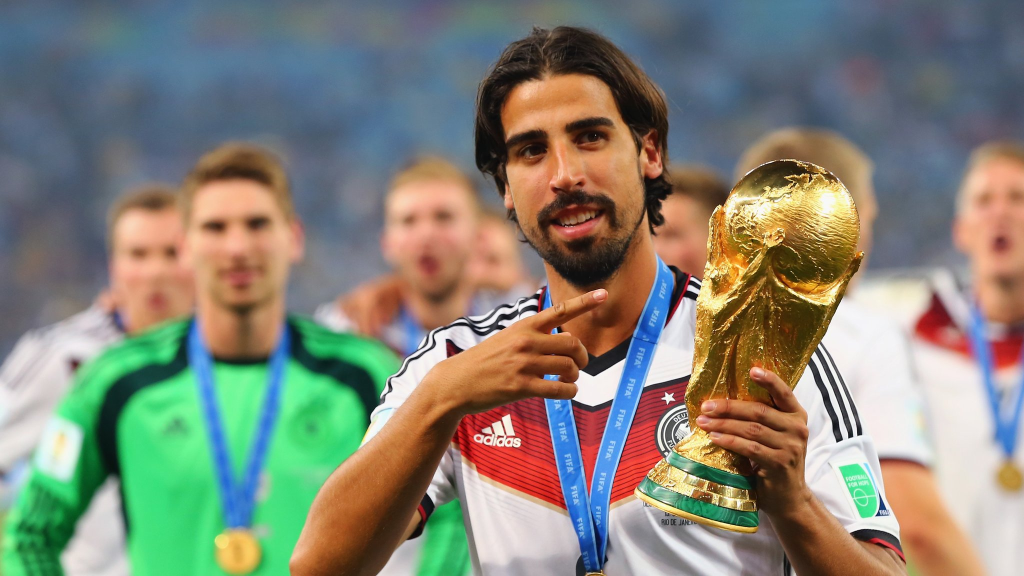
Sami Khedira became one of Germany’s defining midfielders of his generation. He played at the 2010, 2014, and 2018 World Cups, and in 2014 he became a World Cup winner with Germany in Brazil, helping power one of international football’s most dominant tournament runs.
Now attention shifts toward his younger brother, Rani Khedira.
Representing Tunisia after switching international allegiance, Rani brings another version of football legacy into the tournament: not inheritance, but inspiration.
Different journeys and shirts but the same legacy.
Conclusion: World Cup Stories Don’t End
World Cups are usually sold as beginnings.
The young star. The breakout nation. The next generation.
But legacy stories remind us that football rarely starts from zero. Sometimes a goalkeeper grows up watching his father’s old matches. Sometimes a former striker returns decades later carrying a tactics board instead of chasing defenders. Sometimes a famous surname appears again — and discovers its own identity.
World Cup 2026 has goals, drama, and surprises. But quietly, in Egypt, Algeria, and Tunisia, it also has something else: Football families proving that some tournaments never really end — they just change generations.
We Said This: Don’t Miss…Every Goal Egypt Has Scored at the FIFA World Cup