


World Cups are supposed to belong to stars. But every great tournament ends up creating new ones.
For Egyptian football fans, the 2026 World Cup has brought back memories of one of the most famous coaching decisions in the national team’s modern history. Before the 2010 Africa Cup of Nations, many questioned Hassan Shehata’s decision to include Mohamed Nagy “Gedo” in the squad. At the time, he was far from being the biggest attacking name available.
A few weeks later, he became the story of the tournament.
Sixteen years on, the names have changed, but the idea feels familiar.
This time, Hossam Hassan has built part of Egypt’s World Cup journey on players who were not necessarily at the center of the conversation before the tournament began.
And so far, that belief is being rewarded.
Mostafa Zico — The Player Hossam Saw Before Everyone Else
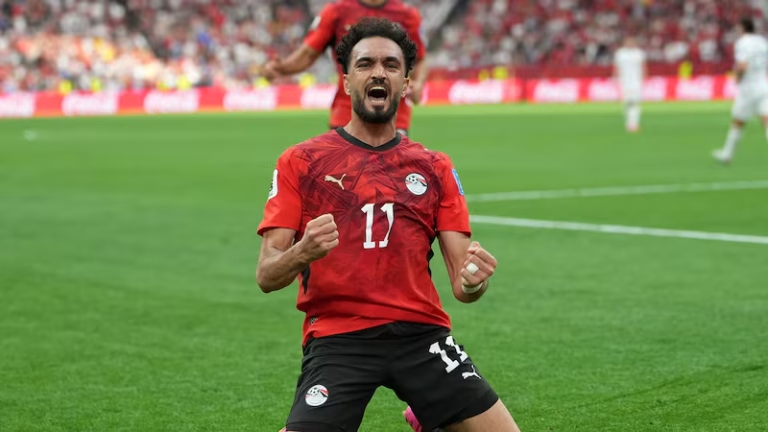
If one player has captured attention during the Egypt’s World Cup match today against New Zealand, it is Mostafa Abdel Raouf “Zico”.
Before the tournament, his inclusion was not universally expected. Compared with more established names and experienced professionals, Zico was not the player most people imagined would become one of Egypt’s decisive attacking weapons.
Hossam Hassan thought differently.
He trusted the player’s versatility, movement and confidence in one-on-one situations and gave him an opportunity on the biggest stage in football. The story almost sounds unreal in hindsight.
Zico himself revealed that he had been preparing to spend his summer holiday on Egypt’s North Coast before receiving the call to join the national team.
From vacation plans to the World Cup. Then came New Zealand.
Egypt went behind, the pressure increased, and Zico became one of the turning points of the match. He scored the equaliser, created another goal and helped lead Egypt to a historic 3–1 comeback victory.
His performances in the build-up to the tournament against Russia and Brazil had hinted at what was coming.
Against New Zealand, the rest of the football world started paying attention.
Hamza Abdelkarim — Not a Surprise, but a Statement
Hamza Abdelkarim’s story is different.
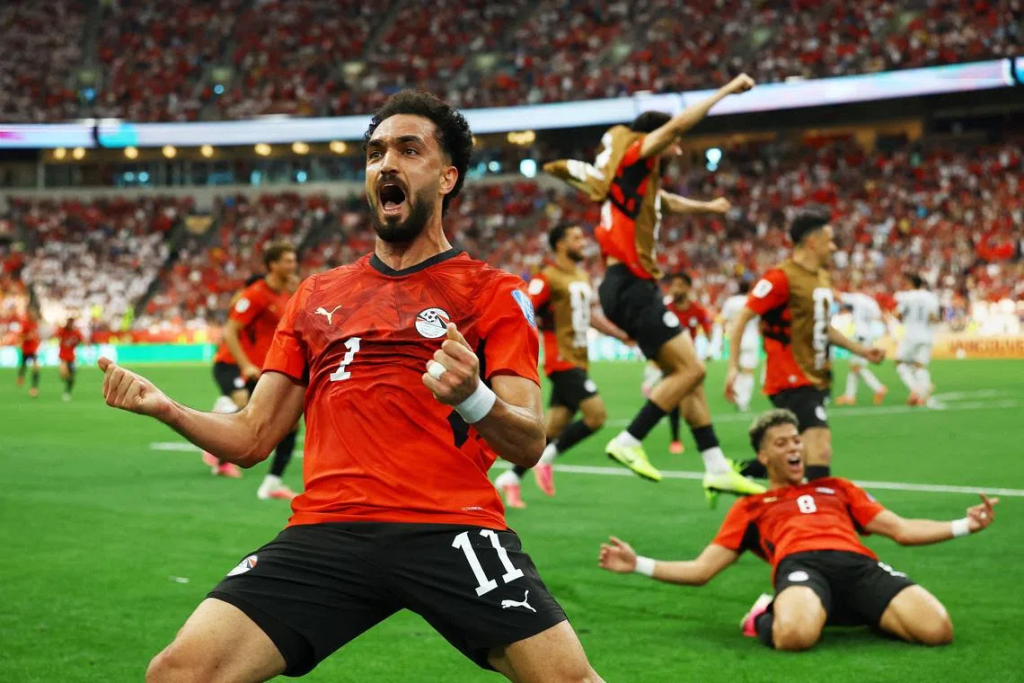
By the time he arrived at the World Cup, Hamza had already built a reputation as one of Egypt’s brightest young forwards. After joining from Al Ahly, he made his senior debut in the CAF Champions League and became the youngest Egyptian footballer to appear in the competition for the club. His move abroad to Barcelona and growing profile meant people already knew the talent was real.
Hossam Hassan’s decision described as “bold” was not because of choosing an unproven player — it was choosing youth.
At a tournament where coaches often lean toward experience and reliability, Hossam trusted an 18-year-old to contribute in moments that carry enormous pressure.
And Hamza has justified that trust.
Against Belgium and New Zealand, he came on late and immediately changed the rhythm of the game. His movement stretched the defence, he found dangerous spaces and looked comfortable rather than overwhelmed.
Deep into stoppage time, his intelligent movement nearly created another Egyptian goal.
There was no dramatic winning moment attached to his performance, but that almost made it more interesting. Hamza did not arrive to steal headlines. He arrived looking like he belonged. For the youngest Egyptian and Arab player on this stage, that alone says a lot.
Mohanad Lasheen — The Bet That Required Patience
Then there is Mohanad Lasheen, the Pyramids FC midfielder and perhaps the riskiest of Hossam Hassan’s three World Cup bets — but arguably the one that says the most about him as a coach..
After the friendly against Brazil, criticism followed Lasheen after a costly mistake. It became easy to focus on what went wrong and overlook everything else he continued to bring to the team.
Then came Belgium.
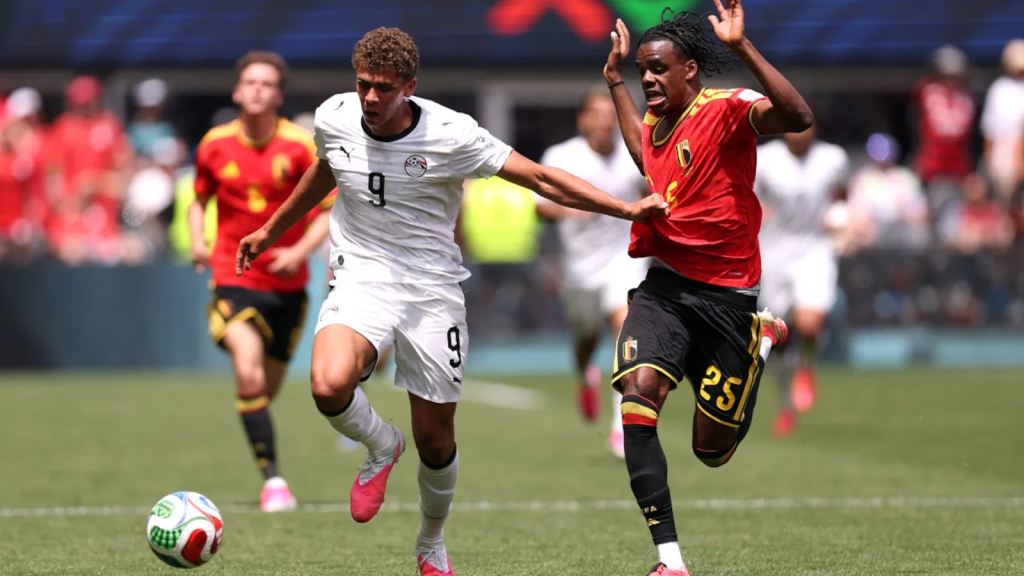
Against one of the strongest midfields in the tournament, the Pyramids FC midfielder delivered one of the standout defensive performances of the opening round. He recovered possession eight times — more than any player in the tournament at that stage — while repeatedly disrupting attacks and helping Egypt transition forward.
His six successful tackles helped frustrate Belgium and maintain Egypt’s balance throughout the match.
The Real Pattern Behind Hossam Hassan’s Choices
The comparison with 2010 is difficult to ignore.
Back then, Hassan Shehata trusted Gedo before the public fully understood why. That decision ended with a continental title and one of the most memorable individual tournament runs in Egyptian football history.
Hossam Hassan’s World Cup story feels different in details but familiar in spirit.
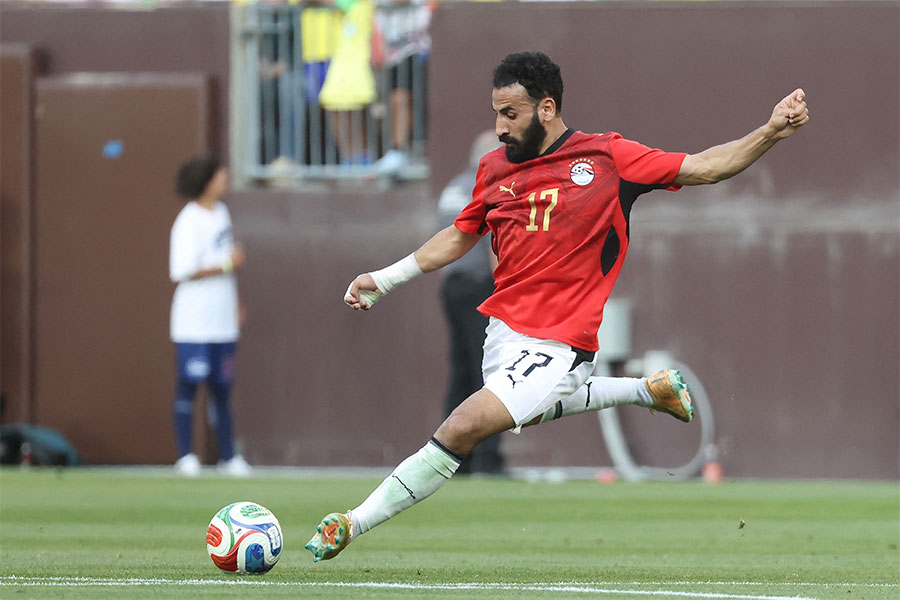
Zico was trusted before becoming decisive. Hamza was trusted before reaching his peak. Lasheen was trusted after making mistakes.
Three completely different cases. But one consistent idea. Great coaches are not remembered for choosing obvious stars. They are remembered for recognising the right player at the right moment.
And maybe that is the real dark horse story of Egypt’s World Cup — not one player, but a coach willing to bet that potential matters more than reputation.
We Said This: Get World Cup Tickets on TicketX