


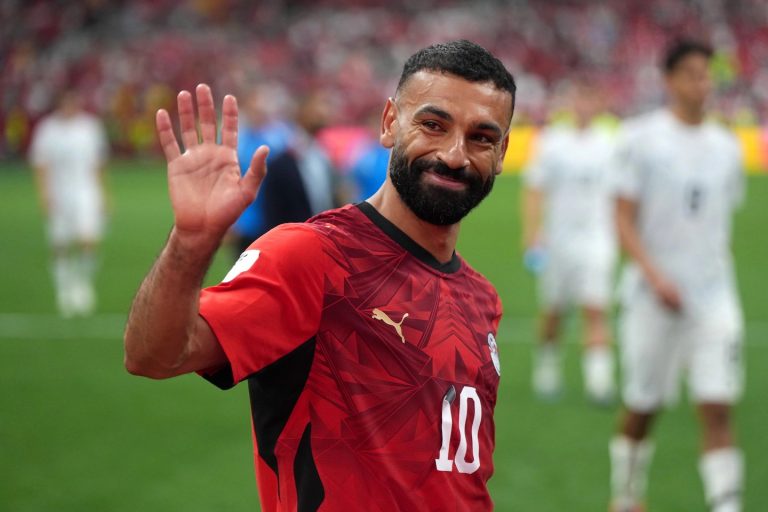
The 2026 FIFA World Cup has already delivered its fair share of unforgettable moments, and for Arab football fans, one of the biggest highlights came courtesy of Egypt captain Mohamed Salah. Salah added a third World Cup goal to his record, making him Egypt’s all-time leading scorer in the competition.
With that strike, he joined an elite group of Arab players who have each scored three goals at the World Cup. So, here’s a look back at those standout names who have left their mark on football’s biggest stage.
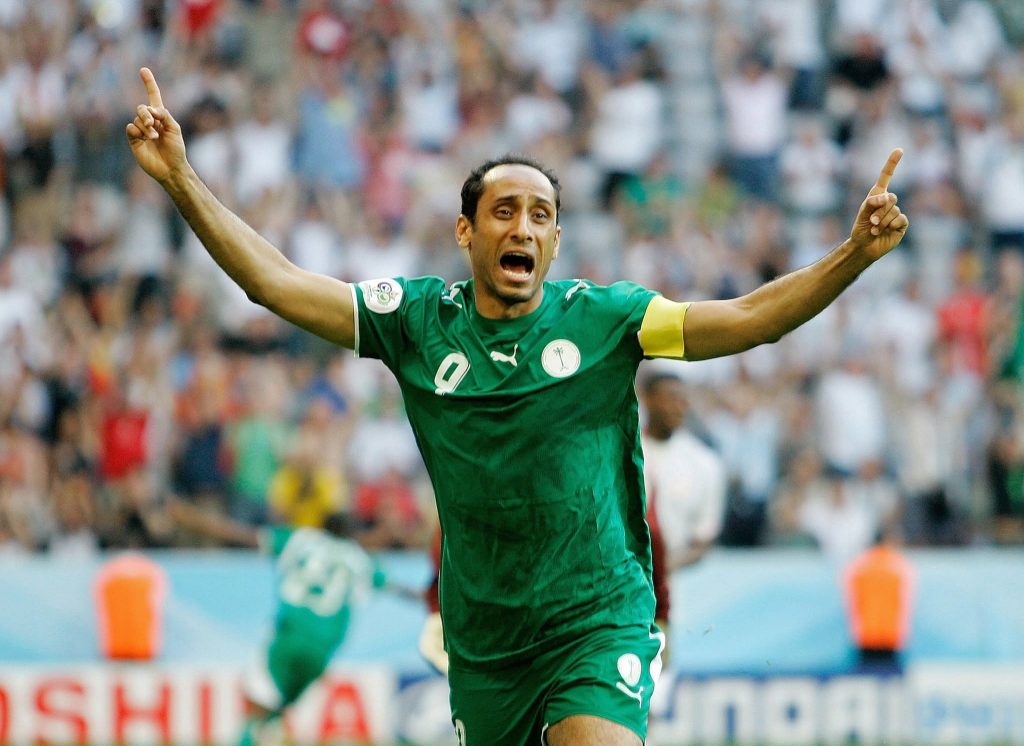
Sami Al-Jaber (Saudi Arabia)
A true pioneer of Arab football, Sami Al-Jaber became the one of the few players from Asia to score in three different FIFA World Cups. His first goal came in Saudi Arabia’s debut tournament in 1994, when he opened the scoring in a 2-1 victory over Morocco during the group stage.
Four years later, he found the net again against South Africa at France 1998. Al-Jaber completed his remarkable World Cup scoring record in Germany 2006, converting a penalty against Tunisia just moments after coming off the bench.
His three goals across three separate tournaments remain one of the most impressive achievements by an Arab player at the World Cup.
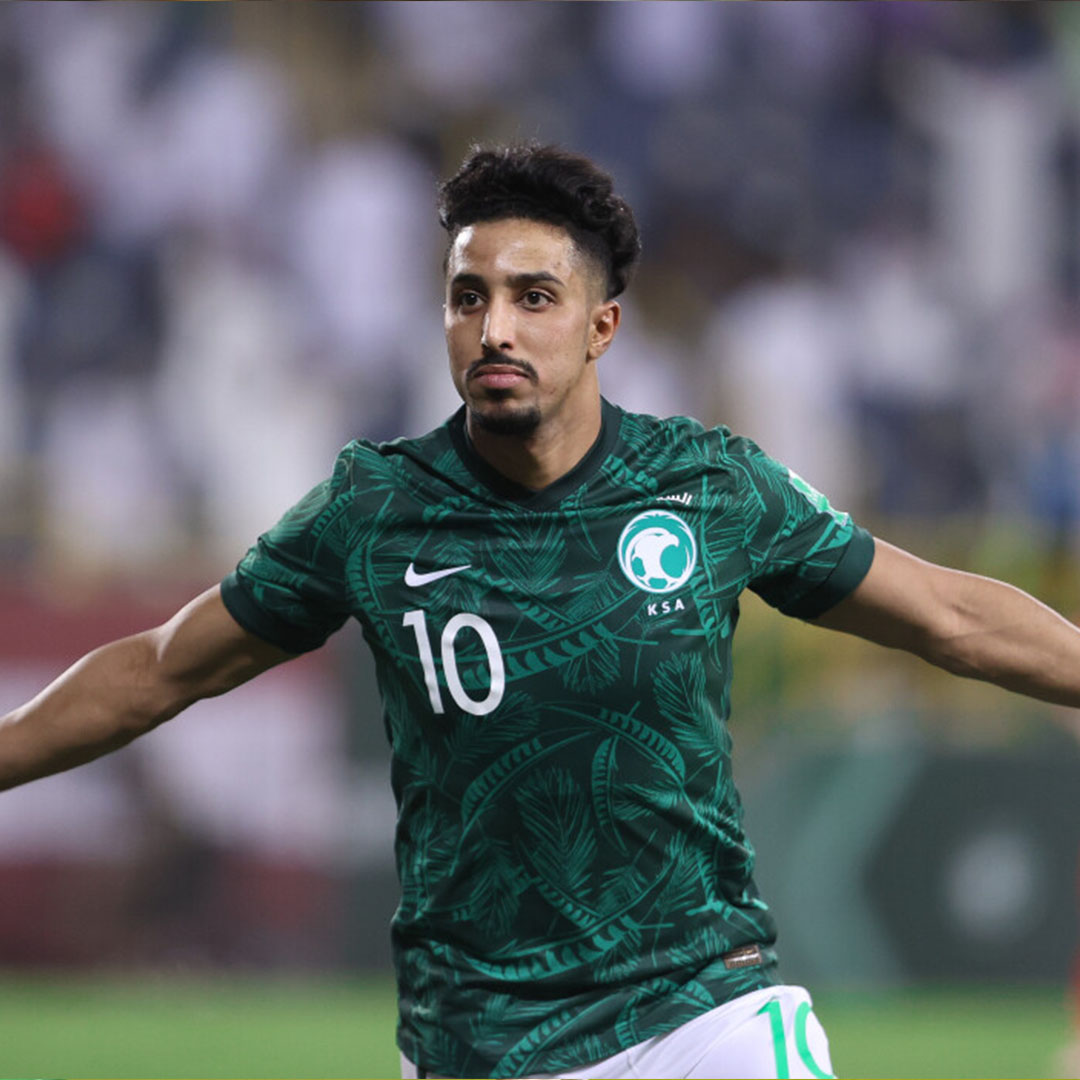
Salem Al-Dawsari (Saudi Arabia)
Salem Al-Dawsari announced himself on the global stage at Russia 2018 with a dramatic stoppage-time winner against Egypt.
He then elevated his legacy in Qatar 2022, scoring one of the tournament’s most memorable goals in Saudi Arabia’s stunning 2-1 upset over eventual champions Argentina. Days later, he added another against Mexico in the final group-stage match.
Having also featured at the 2026 World Cup, Al-Dawsari continues to build on a record that has already placed him alongside the greatest Arab scorers in tournament history.
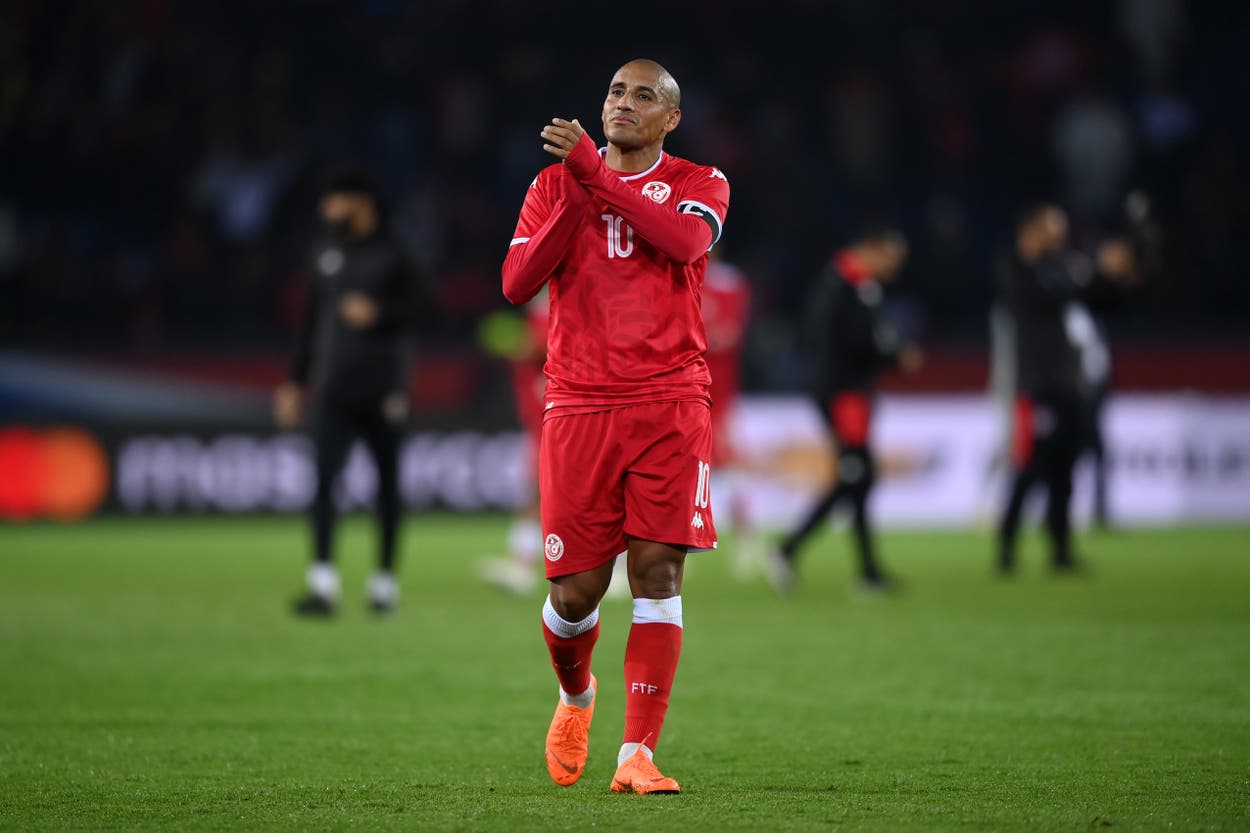
Wahbi Khazri (Tunisia)
Wahbi Khazri was Tunisia’s main attacking inspiration across two World Cups. His first World Cup goal came against Belgium in the 2018 group stage, before he scored again in Tunisia’s thrilling 2-1 victory over Panama, helping the Eagles of Carthage secure their first World Cup match win since 1978.
Four years later in Qatar, Khazri delivered another historic moment by scoring the winning goal against France, handing the defending champions a rare World Cup defeat. Those three strikes saw him join the list of the highest-scoring Arab players in World Cup history
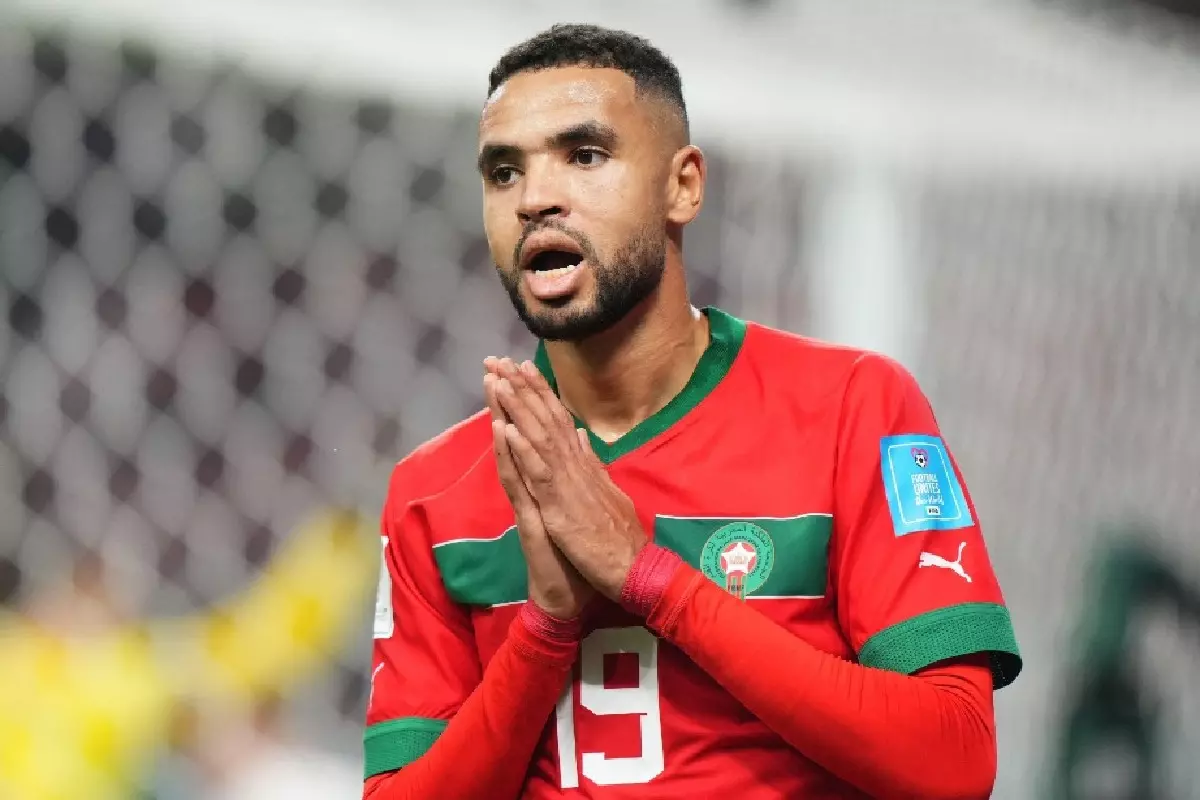
Youssef En-Nesyri (Morocco)
Youssef En-Nesyri’s World Cup journey began in Russia 2018 when he scored Morocco’s lone goal in a dramatic 2-2 draw with Spain. He returned four years later as one of the stars of Morocco’s historic run to the semi-finals in Qatar.
in 2022, En-Nesyri struck against Canada in the group stage before producing the most important goal of his career in the quarter-finals, rising high to score the winner against Portugal.
That goal made Morocco the first Arab and African nation to reach a World Cup semi-final, securing En-Nesyri’s place in football history.
Mohamed Salah (Egypt)
Mohamed Salah first made his mark on the FIFA World Cup stage at Russia 2018, scoring Egypt’s first World Cup goal in 28 years from the penalty spot against hosts Russia in the group stage.
He followed that up with another goal against Saudi Arabia in Egypt’s final match of the tournament, becoming the first Egyptian player to score twice in a single World Cup.
Eight years later, Salah added to his tally at the 2026 FIFA World Cup, finding the net against New Zealand in a Group G clash. With three World Cup goals and two assists to his name, the Liverpool star sits alongside some of the most prolific Arab goal scorers in tournament history and continues to enhance his legacy as one of the region’s greatest-ever players.

From Al-Jaber’s trailblazing scores in the 1990s to En-Nesyri’s history-making header in Qatar and Salah’s latest contribution in 2026, these players have produced some of the most iconic moments Arab football has ever seen on the World Cup stage. Their goals are more than just statistics; they are milestones that continue to inspire millions of fans across the region.
We Said This: Don’t Miss… Who Is Egypt’s Real Dark Horse at the World Cup?