


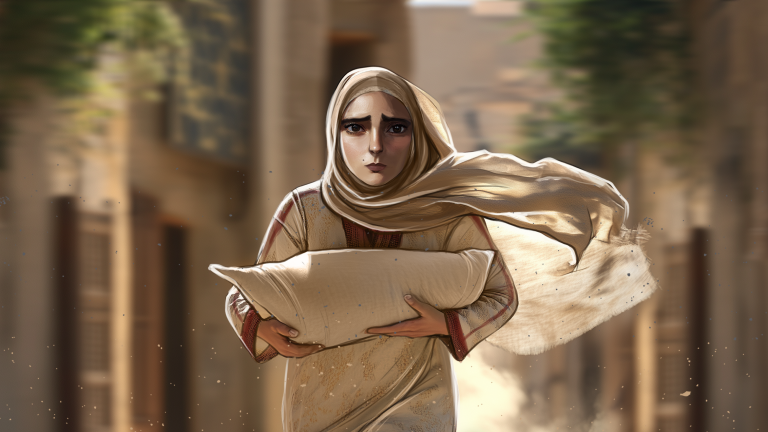
In recent years, video games have increasingly become a space for deeply personal storytelling, moving beyond entertainment to explore identity, loss, and history. Few upcoming titles capture that shift as powerfully as Dreams on a Pillow, the narrative adventure game by Palestinian developer Rasheed Abueideh.
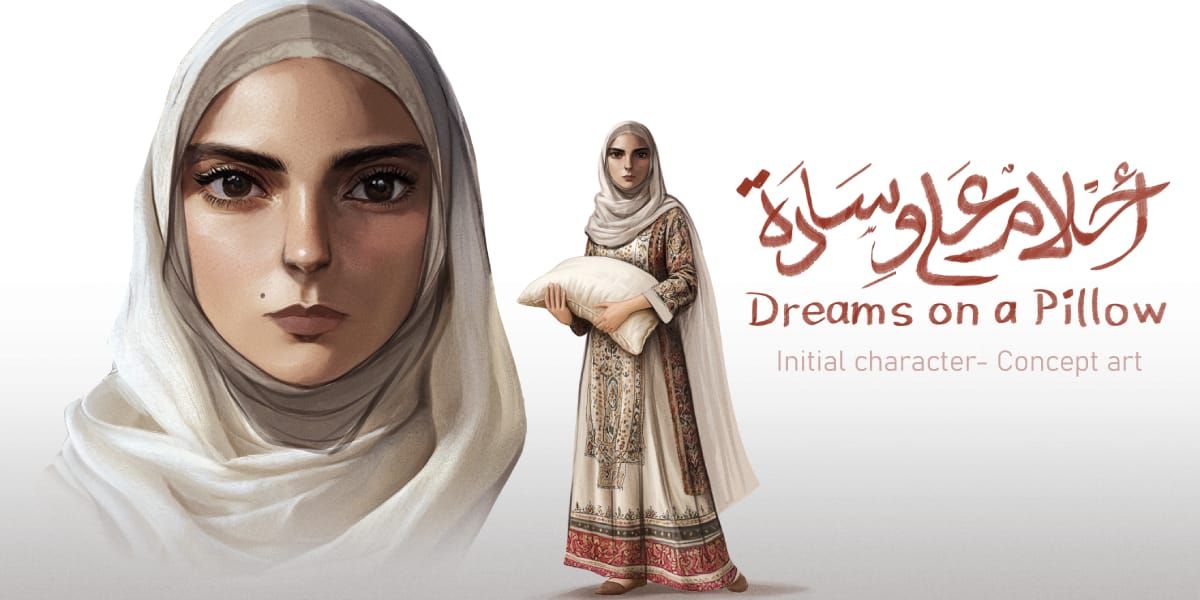
Inspired by stories from the Nakba of 1948, the game follows a young Palestinian woman fleeing violence in her hometown with nothing but a pillow in her hands. What begins as a survival journey slowly unfolds into something more emotional and symbolic, exploring memory, displacement, and the weight of carrying home with you after losing it.
Rather than telling history through documentaries or textbooks, Dreams on a Pillow places players directly inside the experience, allowing them to navigate fear, uncertainty, and survival through gameplay itself.
Blending Folklore With Gameplay
At the heart of the game is a blend of pseudo-stealth mechanics, environmental puzzles, and dreamlike storytelling inspired by Palestinian folk tales. The pillow itself becomes more than just an object, transforming into a symbol of comfort, memory, and the fragments of life left behind during forced displacement.
The game moves between reality and surreal sequences rooted in Palestinian history, creating an atmosphere that feels emotional rather than purely political. Instead of relying on heavy exposition, the storytelling unfolds through movement, landscapes, and quiet moments of tension.
This approach reflects a growing movement within independent gaming, where developers are using interactive worlds to explore real human experiences in more intimate and immersive ways.
Grounding the Game in Palestinian Memory
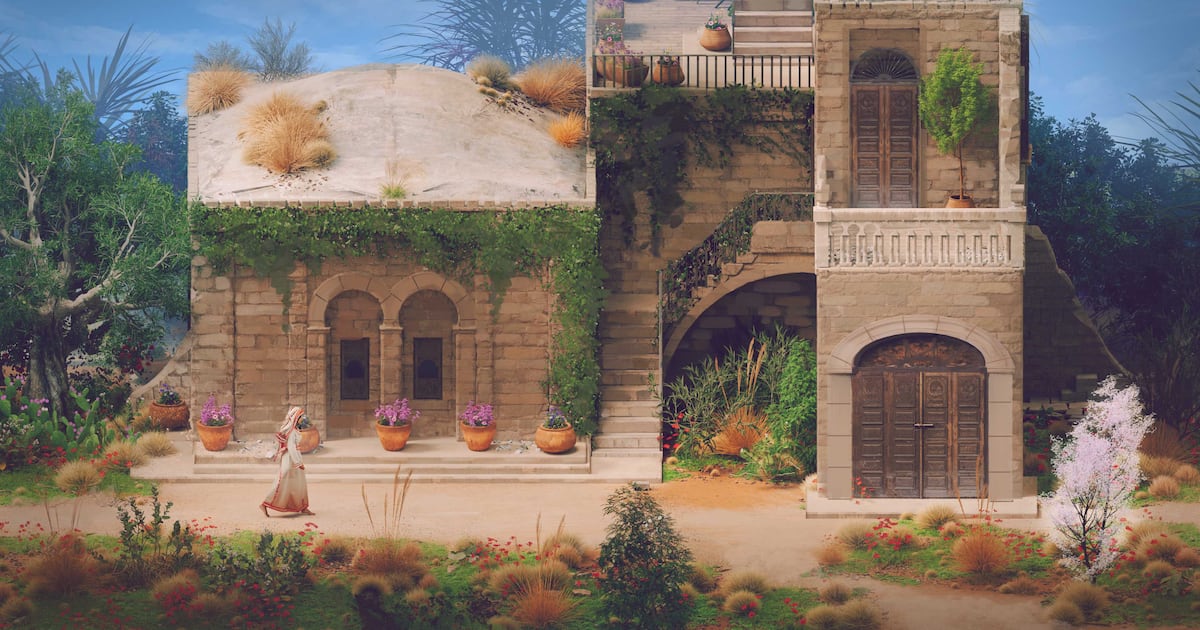
Part of what makes Dreams on a Pillow so significant is its historical grounding. Some sections are set in the Palestinian town of Tantura, a location tied to some of the most painful events surrounding the ethnic cleansing of Palestinians in 1948.
The game does not attempt to recreate history through spectacle. Instead, it focuses on atmosphere and personal perspective, centering ordinary people caught in extraordinary circumstances. Through exploration and survival mechanics, players experience the emotional aftermath of violence rather than observing it from a distance.
That human-centered approach has resonated with audiences far beyond the Arab world.
A Story That Found Global Support
The project gained international attention after its crowdfunding campaign drew support from thousands of people across the world, eventually surpassing its original funding goal of $194,800 and raising more than $240,000. The response highlighted how interactive storytelling can create empathy across cultures, with many supporters connecting to the game’s themes of survival, loss, and resilience regardless of their background.
The next phase in its development will focus on building and polishing the remaining levels already mapped out in the game’s design documents ahead of a planned PC release in 2027.
For many supporters, Dreams on a Pillow represents more than just an indie game release. It reflects a broader push for Palestinian stories to exist within global media spaces that have often overlooked them, particularly in gaming.
Continuing a Legacy of Palestinian Storytelling
For Rasheed Abueideh, this is not the first time he has used gaming as a storytelling medium. His earlier title, Liyla and The Shadows of War, received international acclaim for its emotional portrayal of children living through attacks on Gaza, earning multiple awards and bringing wider attention to Palestinian-made games.
With Dreams on a Pillow, the scale is far larger, but the goal remains similar: using games not simply to entertain, but to preserve stories, evoke empathy, and create emotional understanding through interactivity.

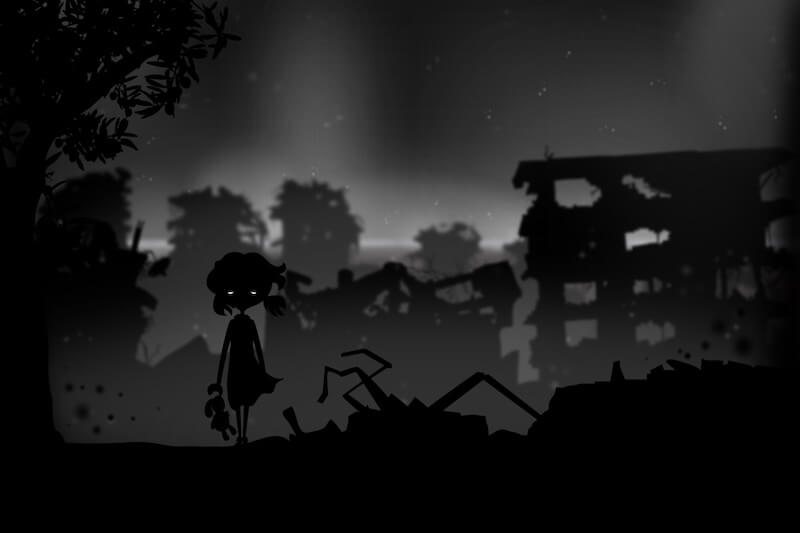
As the gaming industry continues to evolve, projects like Dreams on a Pillow show how video games can become powerful cultural and historical spaces. By combining folklore, survival gameplay, and lived history, the game offers players something increasingly rare: an experience designed not just to be played, but deeply felt.
We Said This: Don’t Miss… On Daily Life in Gaza: Angelina Jolie Shares a Young Woman’s Heartbreaking Letter