


Every year, millions of Muslims from around the world journey to the holy city of Makkah to perform Hajj and Umrah. For many pilgrims, this is a once-in-a-lifetime visit, making the days before or after the rituals a valuable opportunity to experience the city beyond its spiritual landmarks. From historical sites to cultural spaces, Makkah holds layers of heritage that often go beyond its religious significance.
Here are some cultural sites in Makkah worth exploring during your trip.
The Seerah Museum
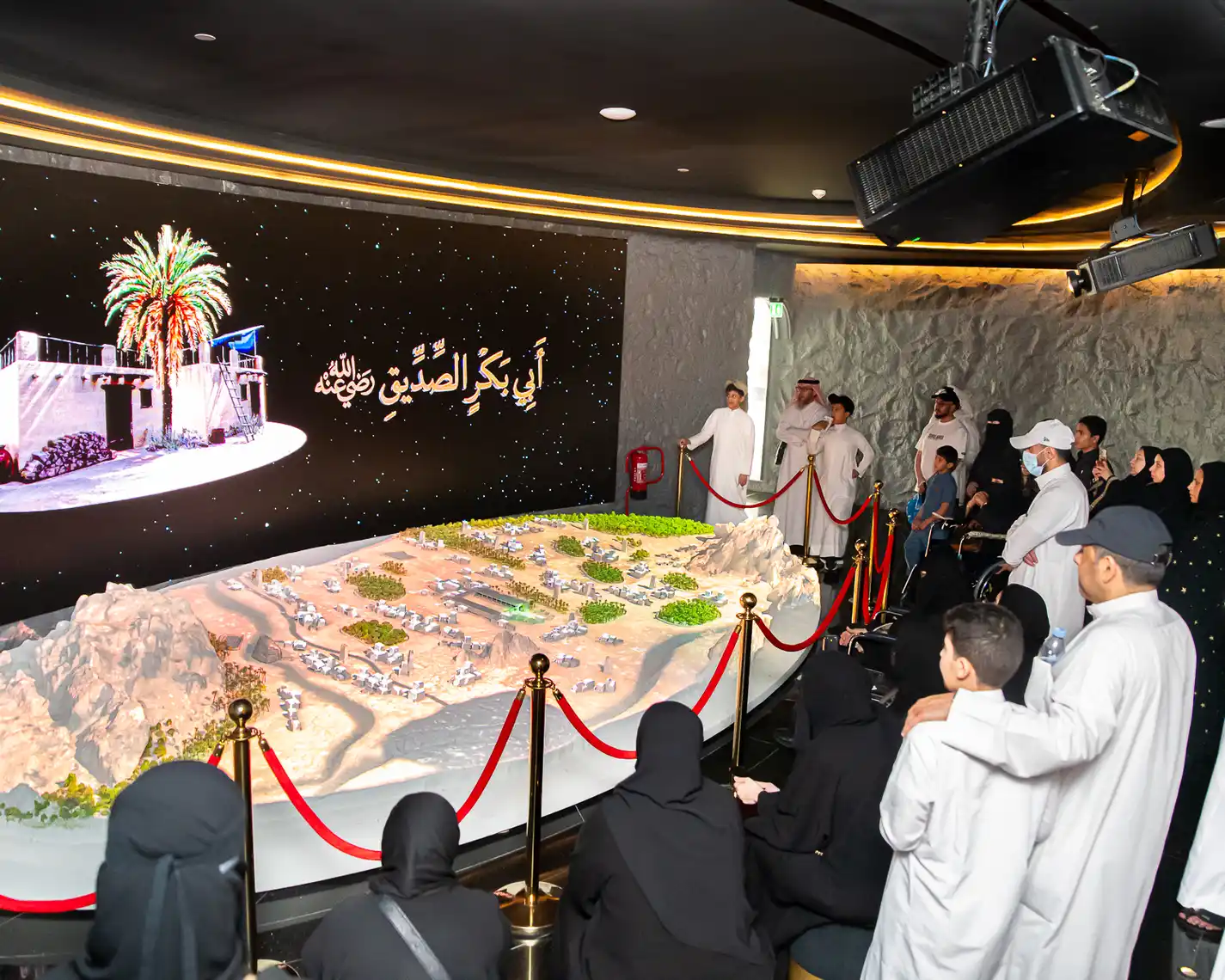
The International Fairs and Museums Center offers a modern and immersive way to explore the biography of the Prophet ﷺ, highlighting his noble character, exemplary morals, and timeless teachings through a research-based, educational approach.
Using cutting-edge technology and interactive storytelling, the center brings the Seerah to life as an engaging, sensory experience, all under the supervision of the Muslim World League.
Located within the King Abdulaziz Endowment, just minutes from Masjid al-Haram, the Seerah Museum invites visitors on a journey through the Prophet’s life via interactive exhibits presented in seven languages. Blending education with multimedia innovation, it makes his story more accessible, vivid, and meaningful for visitors from around the world.
The Holy Quran Museum
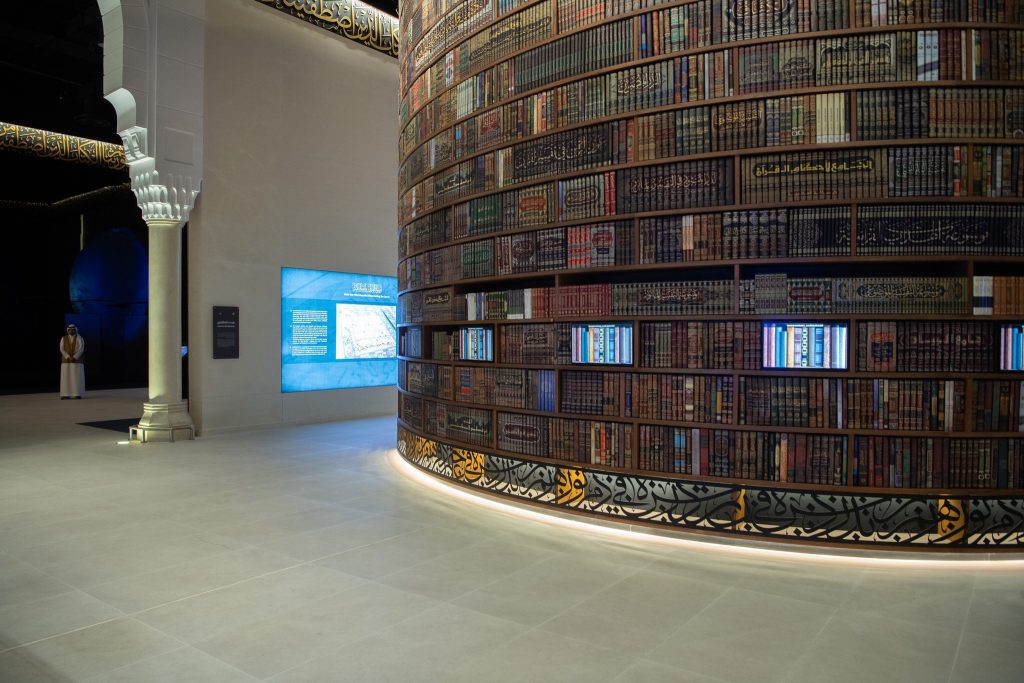
The Holy Quran Museum is one of the most contemporary and accessible cultural stops in Makkah. The indoor museum is dedicated to the revelation, transcription, and preservation of the Quran throughout Islamic history. Its exhibits showcase rare manuscripts, traditional calligraphy, and the evolution of Quranic recitation, offering visitors a deeper appreciation of the text’s enduring legacy.
The museum also provides meaningful context for visitors to the holy city, connecting the site of the first revelation with centuries of scholarship, preservation, and devotion that followed. It is part of the Hira Cultural District, located at the foot of Jabal Al Nour, approximately 4 km northeast of Masjid al-Haram.
Ain Zubaidah
Ain Zubaidah is one of the most remarkable archaeological water systems in Makkah, admired for its sophisticated engineering and elegant geometric design. It is considered one of the oldest water networks built to supply pilgrims and travelers, serving the region for over 1,200 years. The system was commissioned by Zubaidah bint Ja‘far, wife of Caliph Harun Al-Rashid, in 194 AH (809–810 CE). She dedicated it as a waqf, ensuring a continuous water supply to the holy sites of Makkah as well as surrounding villages.
Today, visitors can still trace parts of this historic network across several sites in Makkah, including the Al-Kar Mountains, the sacred sites of Arafat, the surrounding slopes between Arafat and Muzdalifah, and the Al-Aziziyah district.

Al Aseel House Museum
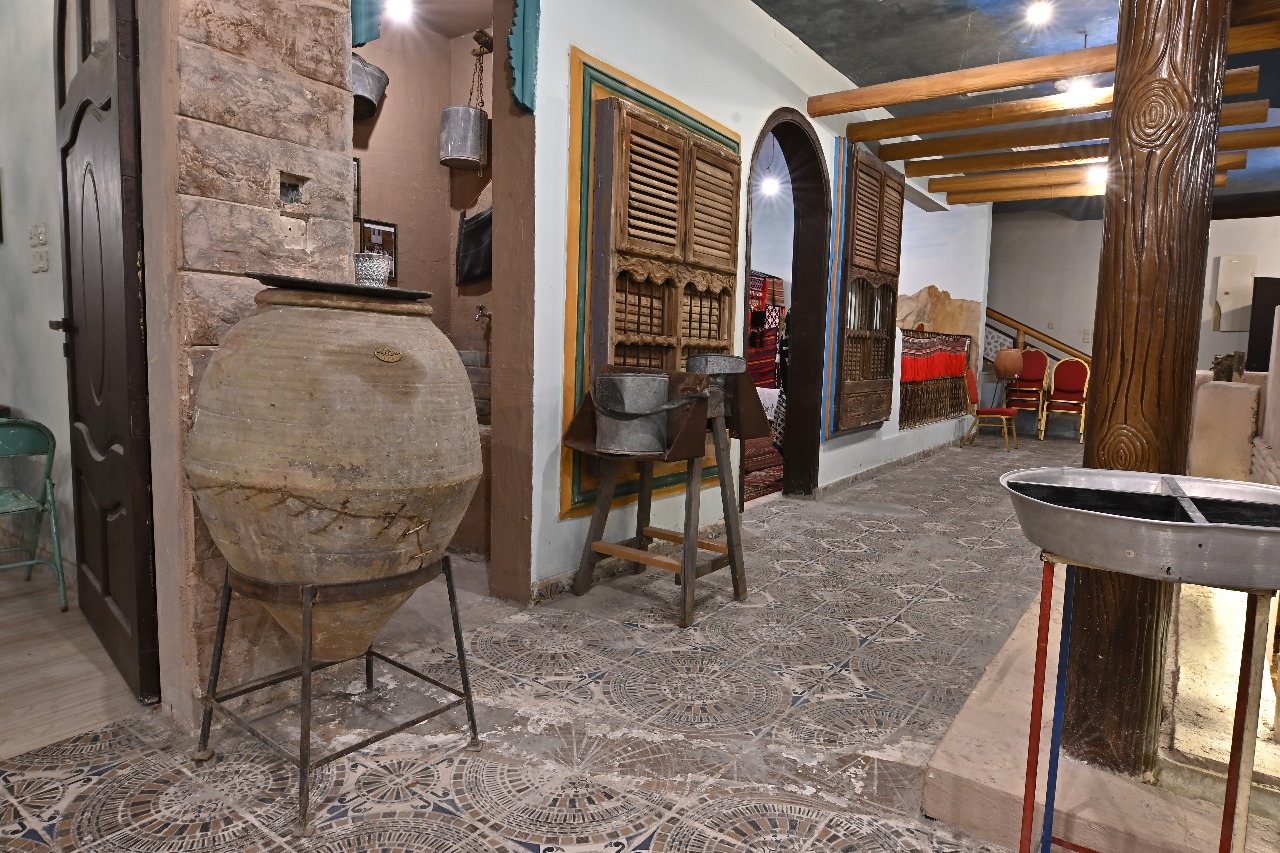
Al Aseel House Museum is a charming private cultural space that brings the spirit of old Makkah back to life. Dedicated to preserving and documenting traditional life in the city, it recreates everyday scenes from the past, offering visitors a closer, more personal look at Makkah’s social customs, architecture, and cultural traditions.
Just around 20 minutes from Masjid al-Haram, the museum feels like a step into another era, where heritage is not just displayed but experienced. Beyond its exhibits, Al Aseel House also works as an interactive cultural hub, hosting workshops and educational programs that reimagine how history is taught, making learning more hands-on, immersive, and engaging for today’s visitors.
The Exhibition of the Two Holy Mosques Architecture
Nestled among the hills of Mecca’s Umm al-Joud area, this exhibition offers a rich and engaging journey through Islamic history. It takes visitors on a visual time-travel experience, tracing the evolution of Al-Masjid Al-Haram and Al-Masjid An-Nabawi from the earliest Islamic periods through the Umayyad and Abbasid eras, all the way to their modern Saudi expansion.
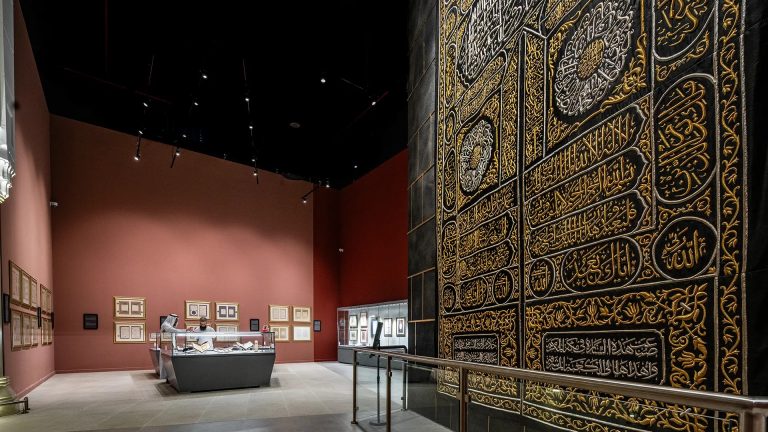
Spread across seven thoughtfully curated halls, the museum brings history to life through detailed models of the Two Holy Mosques, rare antiquities and inscriptions, and displays of the Kaaba’s iconic Kiswa. Visitors can also see the historic Kaaba door, a collection of rare photographs of the Two Holy Mosques, and a replica of Uthman’s codex of the Quran, each piece adding a new layer to the story of these sacred sites.

From interactive museums and archaeological landmarks to cultural districts and historic mosques, Makkah offers a lot beyond its spiritual rituals. Scattered across the city are sites that bring Islamic history, heritage, and daily life to life in engaging and accessible ways. These cultural stops add depth and context to any pilgrimage or visit, turning a sacred journey into an even richer experience.
We Said This: Don’t Miss… 6 Staycation Spots in the UAE to Make the Most of Your Weekend