


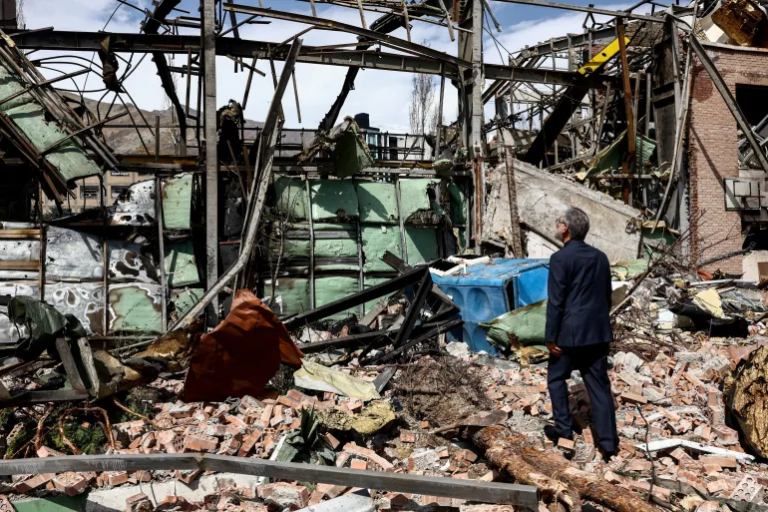
Across Iran, the scale of damage reported in recent strikes by the US-Israel has been widening fast. Local media estimates suggest that at least 56 heritage sites, 30 universities, and 55 libraries have been affected.
But beyond the numbers, what’s really striking is what has been hit, places tied to memory, learning, identity, and daily life. Historic palaces, research centers, mosques, and even synagogues.
Officials in Isfahan went as far as calling it a “declaration of war on a civilisation”, as cultural and academic sites across the country continue to suffer damage. Iran’s officials also warned that targeting universities and research centers amounts to “returning to the Stone Age,” echoing earlier threats about infrastructure strikes.
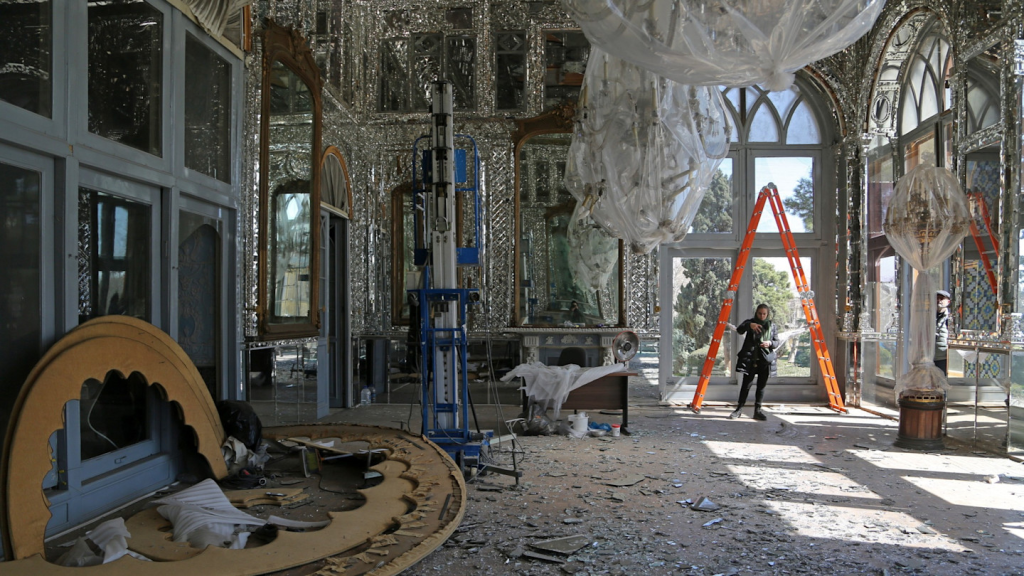
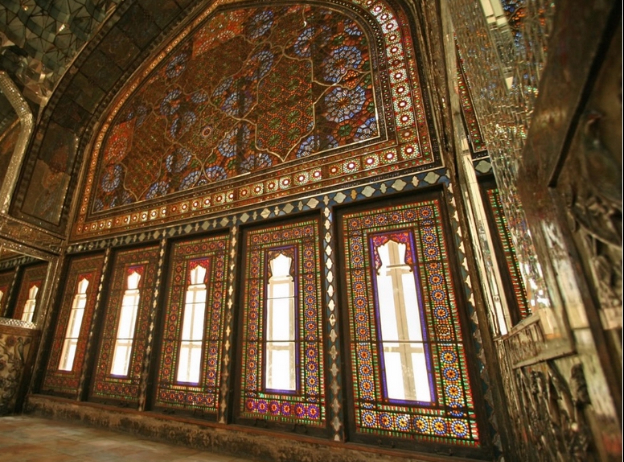
Golestan Palace — Damaged in March 2026
Golestan Palace is one of those places that holds its history in place.
In March 2026, it was badly damaged after nearby strikes on Tehran sent shockwaves through the area. The palace itself wasn’t directly hit, but explosions close by were enough to cause widespread destruction inside the complex.
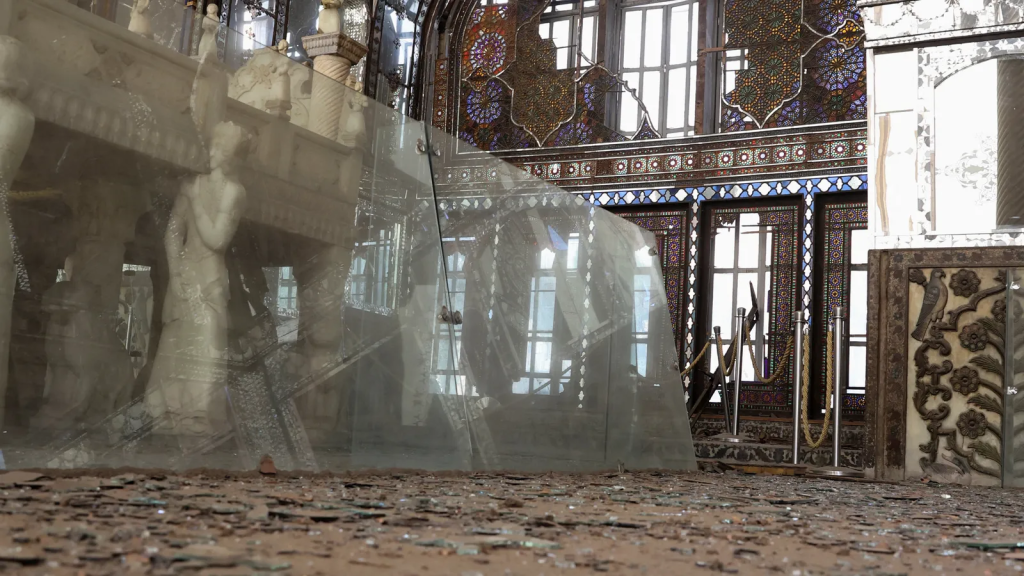
Windows shattered, walls cracked, tiles and masonry fell away, and parts of the structure were heavily shaken. The impact was especially visible in the Mirror Hall, where its delicate mirrored surfaces collapsed and scattered across the floor. In the Marble Throne Hall, ceiling ornaments dating back to around 1750 fell, and windows across the palace were blown out.
Built during the Qajar era (1789–1925), when Tehran became Iran’s capital, Golestan blends Persian craftsmanship with European influence — gardens, pools, ornate halls. Its name, Golestan, means “flower garden,” which now feels almost painfully distant from the damage it has suffered.
UNESCO, which lists it as a World Heritage Site, said it had already shared site coordinates with all parties involved. Iran’s foreign minister Abbas Araghchi, blamed Israel, saying,
“It’s natural that a regime that won’t last a century hates nations with ancient pasts.”
There’s something heavy about seeing a place like this shaken — not just because of what it is, but because of how much time it has already survived.
Before:

After:
Before:
After:
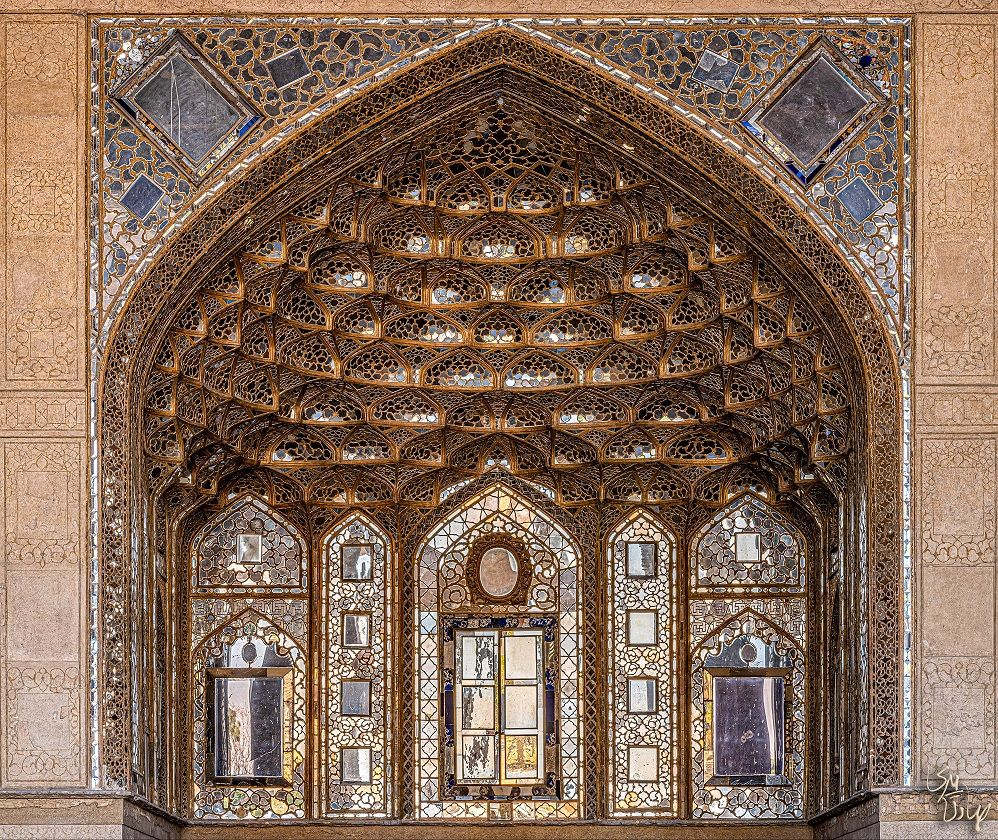
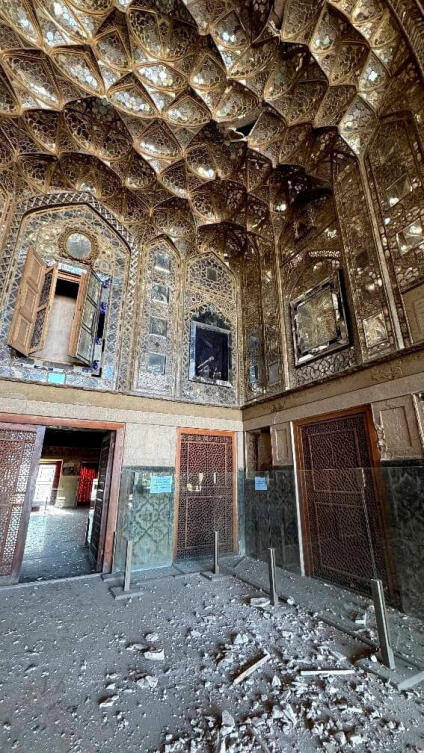
Chehel Sotoun Palace — Damaged in March 2026
In Isfahan, the Chehel Sotoun Palace, another UNESCO-Listed Palace, was also damaged.
This 17th-century Safavid pavilion is known for its reflecting pool and painted halls — a place where architecture and landscape are meant to echo each other. It’s part of Iran’s Persian garden tradition, where beauty is carefully composed, almost like memory made physical.
Its inclusion among damaged heritage sites adds to a growing sense that this is not isolated — it’s spread across entire historical landscapes.
Sharif University of Technology — Damaged in April 2026
Sharif University of Technology is often described as Iran’s most important engineering university — a place many compare to MIT.
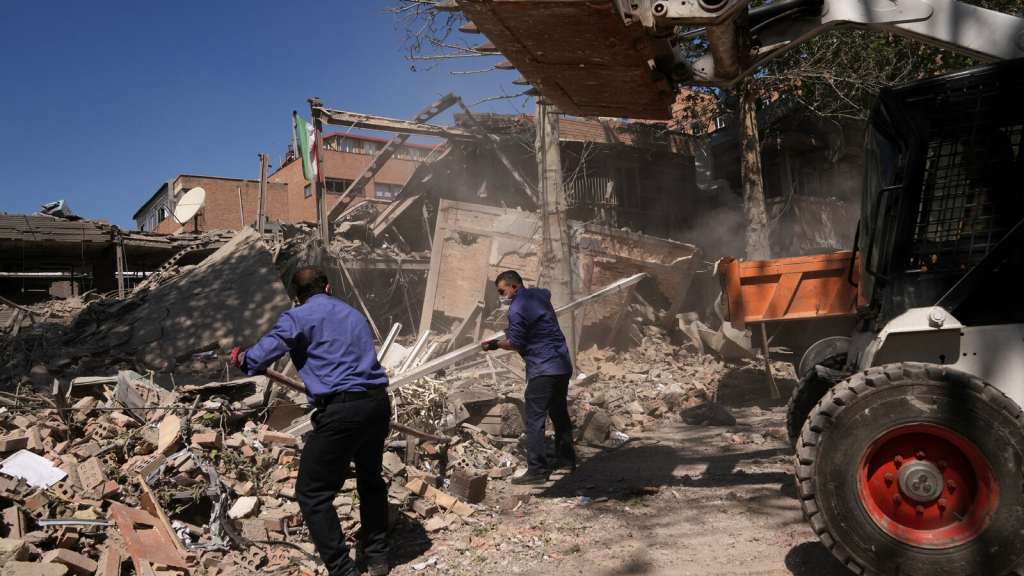
On April 6, 2026, it was struck during US-Israeli attacks on Tehran. The damage carried a different kind of weight.
Iranian officials condemned the strike, saying that attacking research centers is an attempt to have Iran “return to the Stone Age,” pointing to Trump’s earlier threats about targeting infrastructure across the country.
Before:
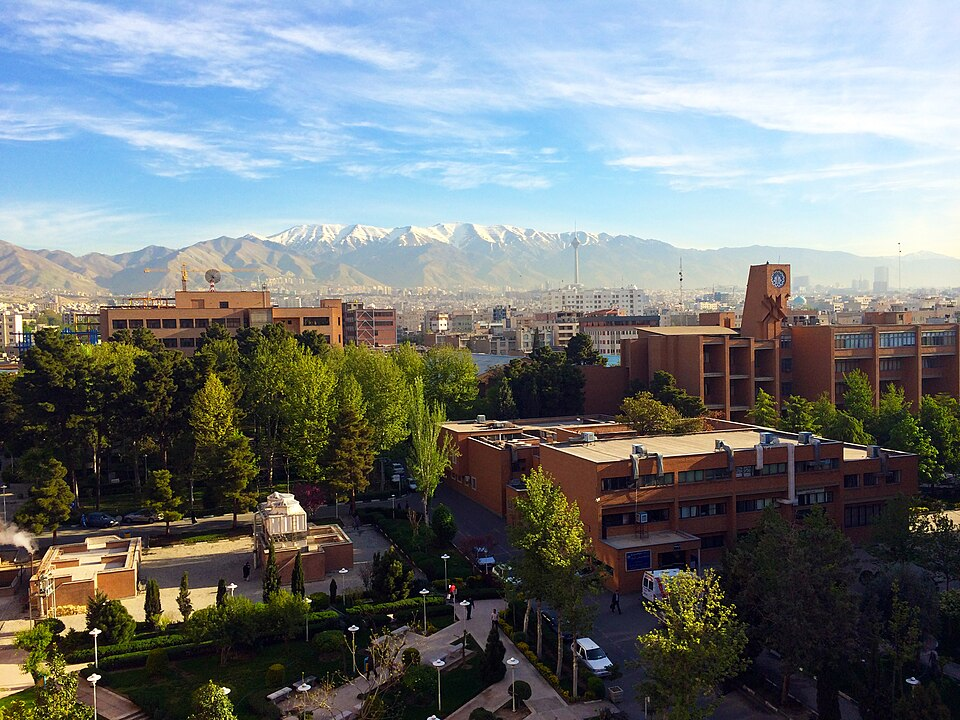
After:
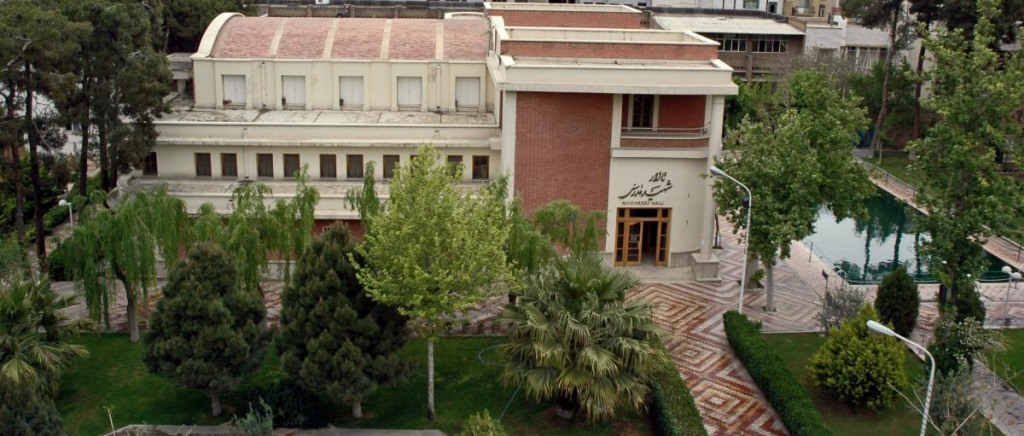
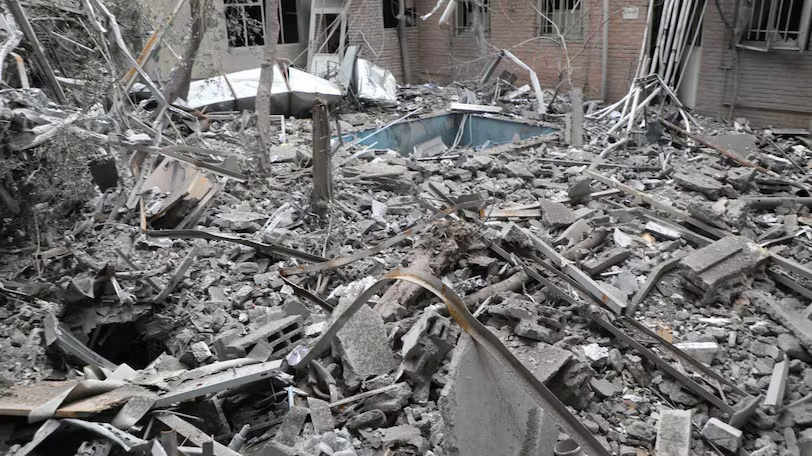
Pasteur Institute of Iran — Damaged in April 2026
The Pasteur Institute of Iran, founded in 1920, was heavily damaged as well.
The WHO said the institute was left unable to continue providing health services. That alone gives a sense of what was lost — not just a building, but a functioning part of the country’s health system.
It is one of the world’s oldest centers for vaccine production, medical research, and healthcare technology, and is part of a global network of Pasteur Institutes. Two of its departments also worked with the WHO as collaborating centers.
When places like this are damaged, the impact doesn’t stay inside the walls.
Before:
After:
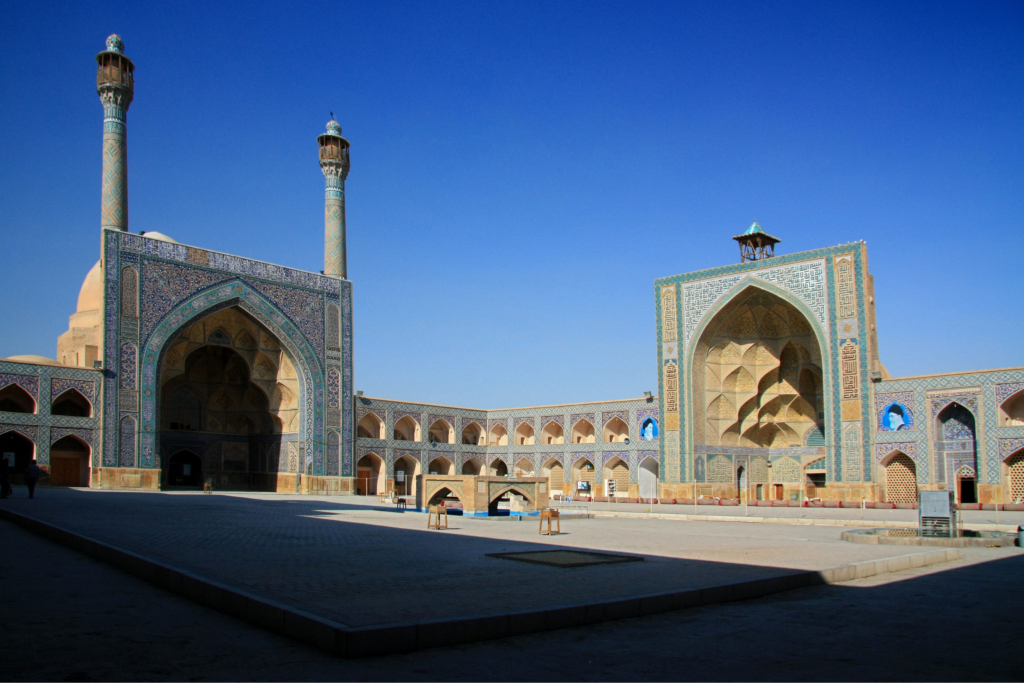
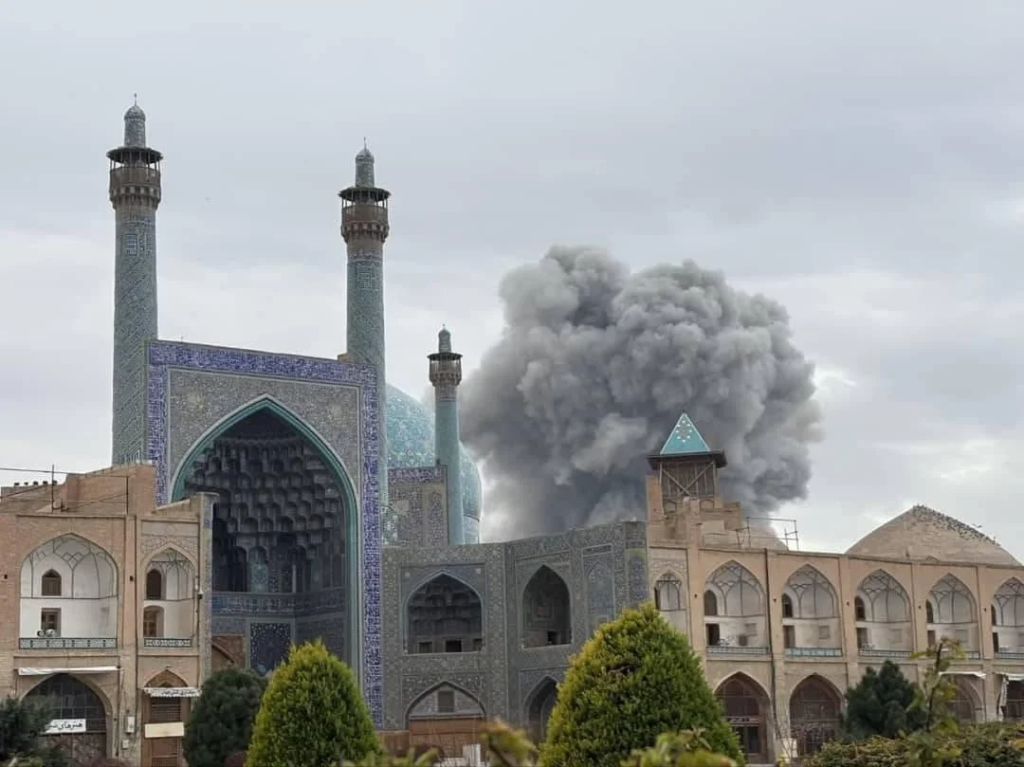
Masjed-e Jame of Isfahan —Damaged in March 2026
The Masjed-e Jame of Isfahan, Iran’s oldest Friday mosque, was also hit.
This is not just a mosque — it is a living record of 12 centuries of Iranian Islamic architecture, with each era leaving its own trace in brick, tile, and structure.
Iran’s culture minister described the deeper loss clearly:
“Restoration, no matter how perfect, can never return an artefact to its starting point… Every crack is a permanent scar.”
There’s something final in that idea — that even careful repair cannot fully bring back what was once continuous history.
Before:
After:
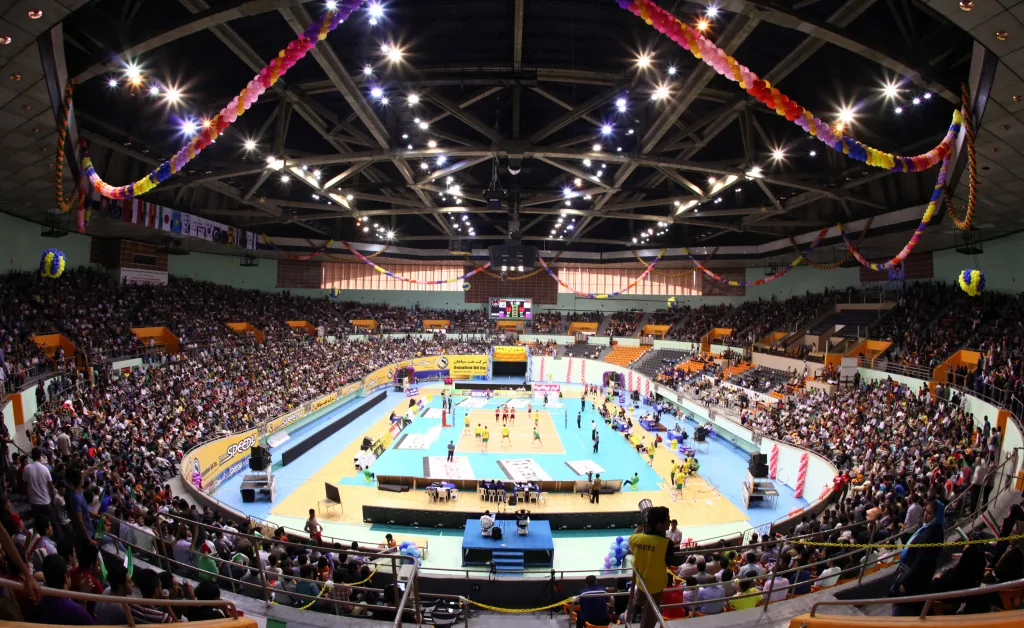
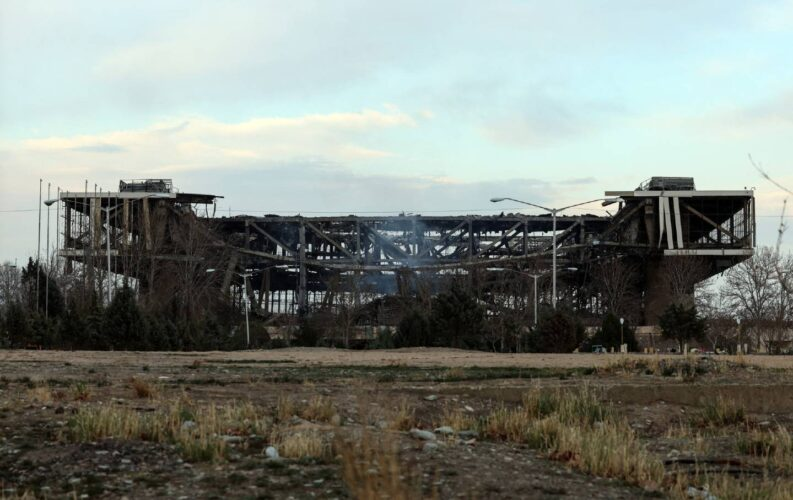
Azadi Stadium — Damaged in March 2026
The Azadi Stadium complex in Tehran was also struck.
It is one of Asia’s largest stadiums, but its meaning goes far beyond size. It’s where people gather for national football matches, where Iran secured qualification for the 2026 World Cup, and where generations have shared moments of collective pride.
It also carries layers of history — built before the 1979 revolution, and once hosting Frank Sinatra in 1974, when Iran’s cultural connection to the world felt very different.
Damage here isn’t just structural. It touches something shared and familiar — a place tied to memory, celebration, and identity.
Before:
Rafi-Nia Synagogue — Damaged in April 2026
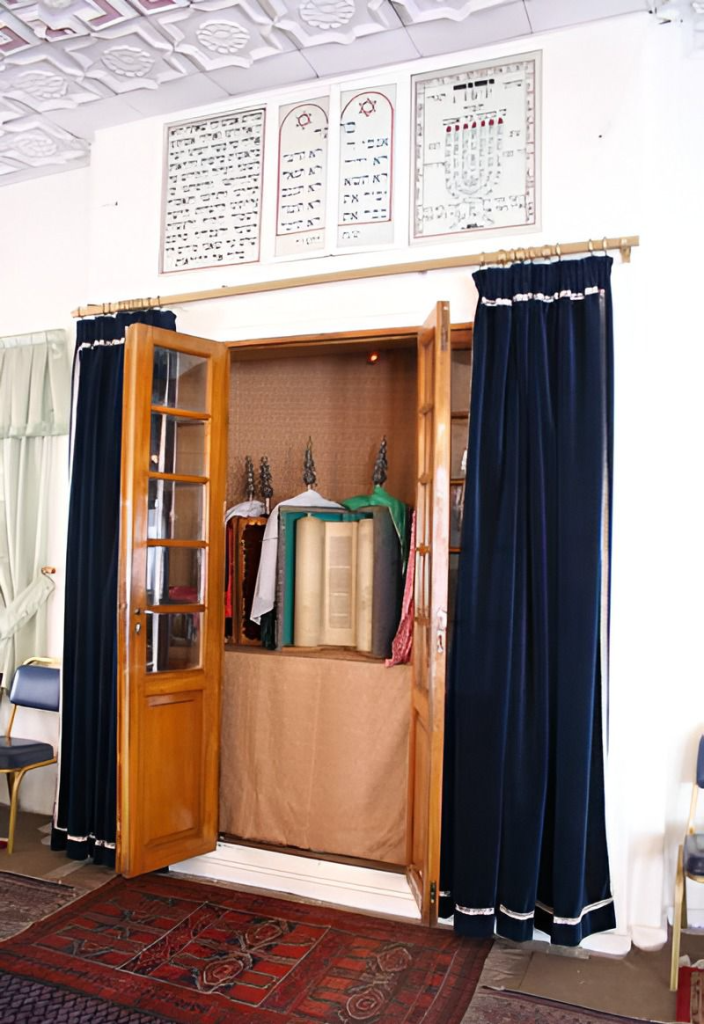
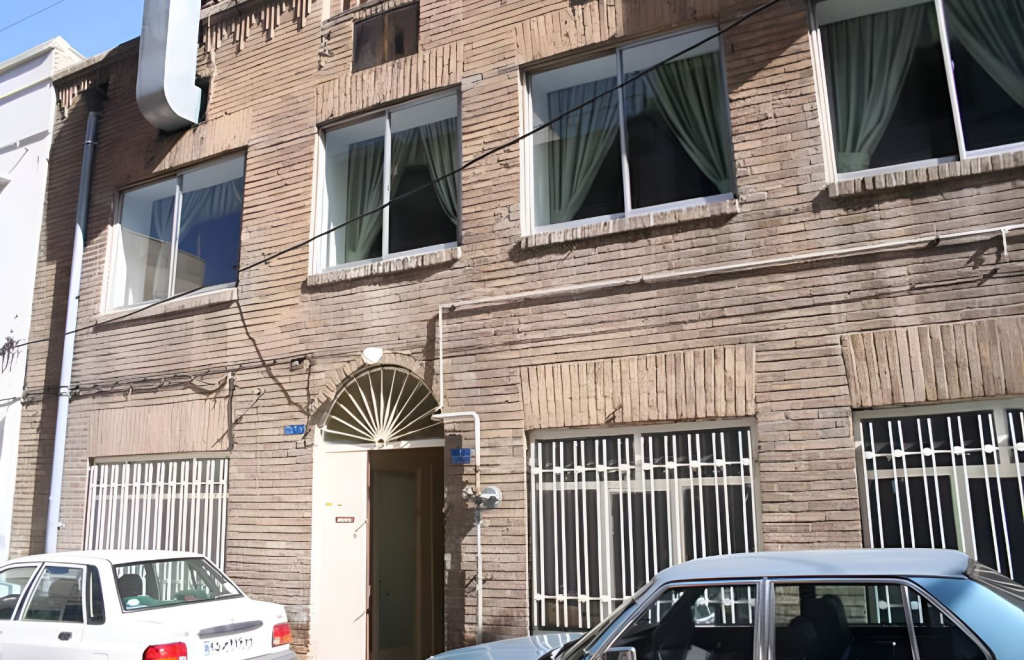
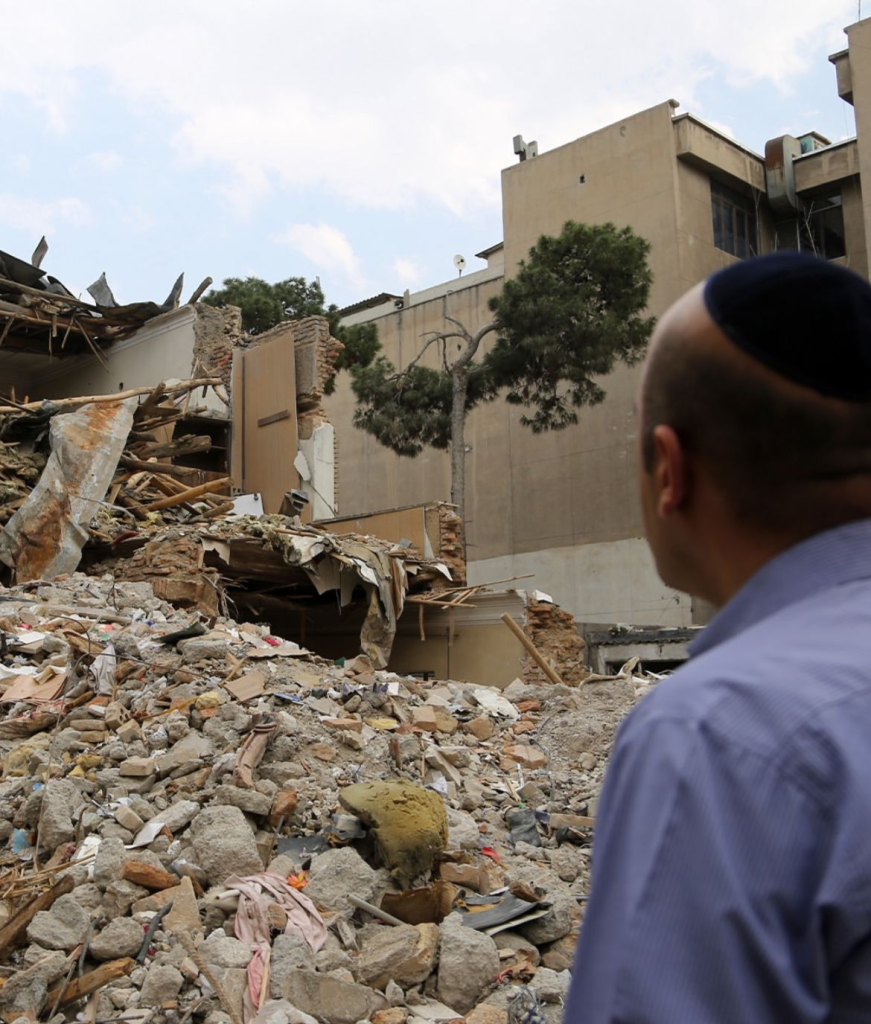
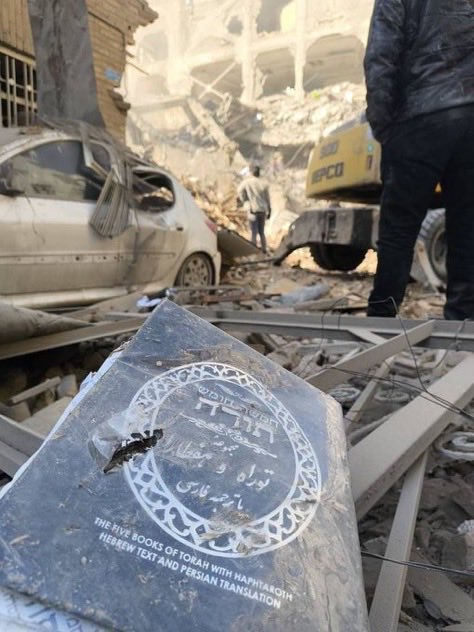
The Rafi-Nia Synagogue in Tehran’s Yusef Abad neighborhood was completely destroyed when an adjacent residential building was struck.
It had long been an important gathering place for Iran’s Jewish community, especially Jews of Khorasani origin. Its loss was felt not just as damage to a structure, but as the disappearance of a place where people met, prayed, and stayed connected.
The Jewish Association of Iran condemned the attack, saying:
“Following the relentless attacks by the Zionist regime on our beloved homeland, the Rafi-Nia Synagogue, one of Tehran’s active and historic synagogues, was completely destroyed in an American-Zionist enemy assault. Once again, it has been shown that the rulers of the United States and the Zionist regime harbor enmity toward the Iranian people, without distinction of ethnicity or religion.”
What makes this moment particularly striking is the tension it exposes between Judaism as a religion and identity, and Zionism as a political ideology.
Before:
After:
Closing reflection
Taken together, these sites show something more than damage reports. They are reminders that what gets affected in conflict isn’t only infrastructure — it’s continuity. It’s the slow, accumulated sense of place that takes centuries to build and moments to fracture.
And once that breaks, even when repaired, it rarely feels exactly the same again.
WE SAID THIS: Don’t Miss…Lebanon’s History Under Fire: 7 Cultural Sites Damaged by Israeli Strikes