


The Islamic World Educational, Scientific and Cultural Organization (ICESCO) has added two more Egyptian treasures to its heritage register: the Dendera Temple Complex and the Historic Houses of Rosetta, bringing the country’s total to six recognized sites. From ancient temples to preserved architectural gems, here’s a closer look at the landmarks that earned their place on the list.
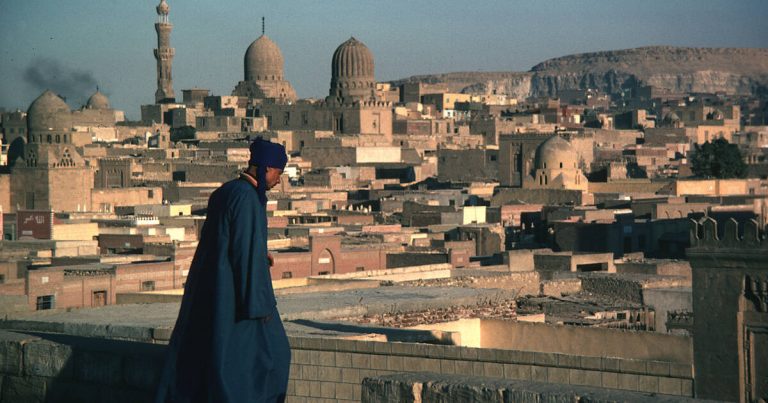
Historic Cairo
Tucked into the middle of today’s bustling Cairo, this historic city, founded in the 10th century, is one of the oldest Islamic cities in the world, and it still knows how to show off. From grand mosques and ornate mausoleums to centuries-old caravanserais, fountains, and hammams, it feels like an open-air museum where every corner has a story to tell.
Over the centuries, many civilizations have called it home, leaving behind a rich mix of Islamic arabesques, Christian architecture, and even intricate Jewish motifs, blending together into a one-of-a-kind cultural tapestry.
Between the 9th and 15th centuries, often referred to as the Islamic Renaissance, the city truly hit its stride. It became a powerhouse of knowledge and creativity, home to influential scientists, doctors, astronomers, scholars, and writers whose ideas reached far beyond the Islamic world and helped shape global thought.

Palace of Baron Empain
Another standout on the list is the dazzling Baron Empain Palace: a true architectural fantasy sitting in the heart of Cairo’s Heliopolis district. With its bold design and almost otherworldly presence, the palace quickly earned its reputation as one of the most unique landmarks of its time.
It was commissioned by Belgian millionaire Baron Edward Empain, who was inspired after his travels in Asia, especially the grandeur of the Angkor Wat and the temples of Odisha in India. That influence sparked the vision for something entirely different back in Egypt.
Designed by French architect Alexandre Marcel and decorated by Georges-Louis Claude, the palace was completed in 1911 and blends European Renaissance elements with striking Eastern influences. The result is a dramatic fusion of styles—rich carvings, sculpted details, and a silhouette that still feels almost cinematic more than a century later.

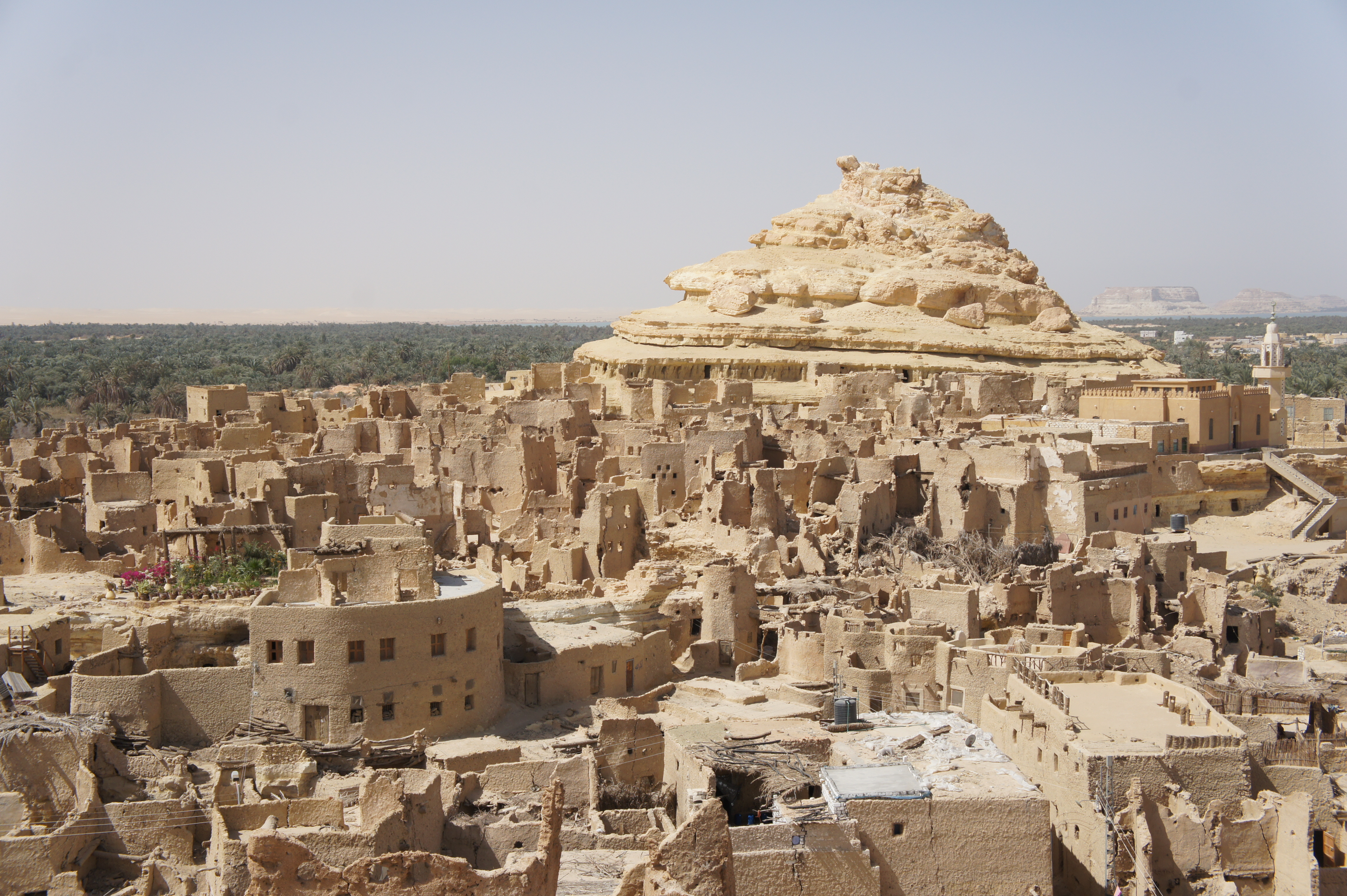
Shali Village in Siwa Oasis
Deep in the oasis of Siwa Oasis, near the Libyan border, lies the fascinating Shali Village, a once-fortified desert town with three gates and layers of history built right into its walls.
Dating back to sixth century AH, Shali was designed as a safe haven for oasis residents, protecting them from outside raids, including those from Bedouin tribes. What makes it truly special is its smart design: homes were built using kershef, a natural mix of salt, clay, and palm trunks sourced straight from the surrounding environment.
More than just ruins, Shali is a living example of early sustainable architecture. Its crumbling yet atmospheric structures still whisper the ingenuity of the people who turned the harsh desert into a place they could call home.
The Red Monastery
Just 21 kilometers west of Sohag lies the striking Red Monastery: one of the most important early Christian monastic sites in Egypt that earned a spot on the list.
Nicknamed the “Red” Monastery because of its distinctive red brick walls, it also features white limestone and striking pink and black granite columns that still hint at its former grandeur. Founded in the early 4th century AD by Saint Bishoy, the site has survived centuries of turbulence, including fires in the Roman period and later Berber attacks.
Today, what remains is its beautifully preserved church and parts of its defensive walls, along with traces of an ancient northern complex believed to have been used for industrial activity, offering a powerful glimpse into a resilient past.

Dendera Temple Complex
A recent addition to the list, the Dendera Temple Complex is one of Egypt’s most stunning ancient sites. The complex, located about 2.5 kilometres south-east of Dendera, Egypt, is known for its massive columns topped with the face of Hathor.
Dedicated to Hathor, goddess of music, joy, dance, and motherhood, Dendera was one of her most important cult centers, and today it holds one of the best-preserved temples in Egypt. While the current structure dates to the Ptolemaic period, its history goes back even further, possibly as early as King Pepy I of the Old Kingdom.
Inside, the temple is just as impressive as its exterior, especially its famous astronomical ceiling carvings that map out the ancient Egyptian sky in breathtaking detail.

Rosetta’s Historic Houses
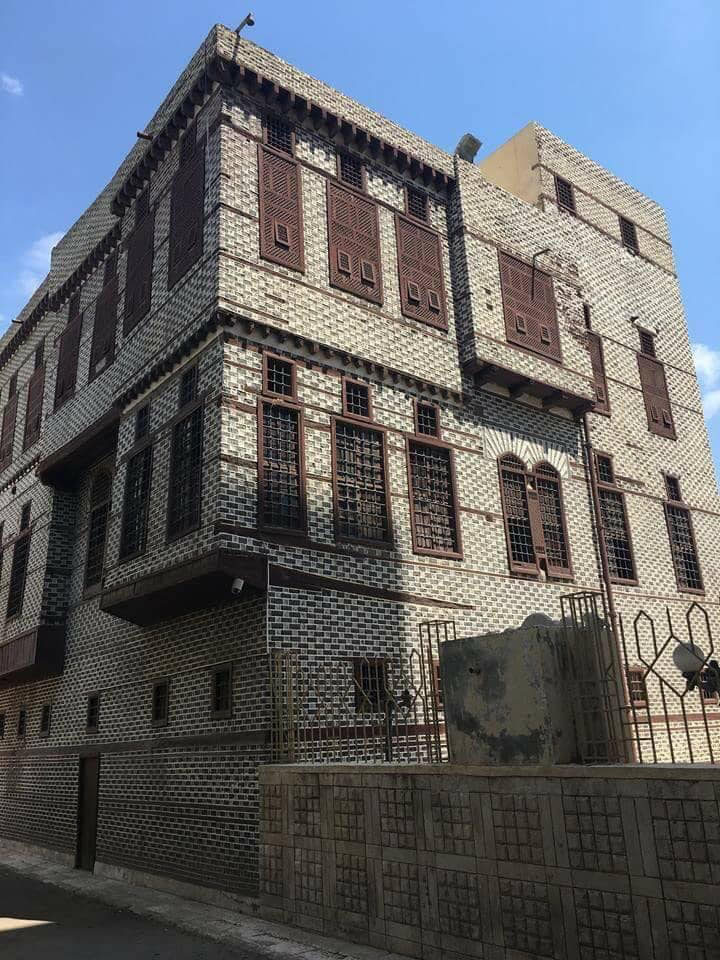
Another recent addition is the historic houses of Rosetta Historic Houses in Beheira Governorate. Many houses are currently under restoration, while a few are open to visitors, including the Asfour, Abu Shaheen, Ramadan, and Amasyali houses.
These homes offer a vivid glimpse into Egypt’s Ottoman-era life and architecture. They are known for their striking red, black, and white striped brickwork, intricate wooden mashrabiyyas, carved doors, and shaded courtyards designed to ensure privacy and keep interiors cool in the Nile Delta heat.
Founded around the 9th century, the city of Rosetta is often described as an open-air museum, where around two dozen grand townhouses showcase a rich blend of Islamic design and local craftsmanship.
These Egyptian sites are more than just historic landmarks; they are living chapters of a story that spans centuries of culture, creativity, and resilience. From ancient temples to Ottoman-era homes and desert villages, each one reflects the depth and diversity of Egypt’s heritage.
Their recognition on the ICESCO list not only preserves their legacy but also reinforces national pride in a civilization whose influence continues to echo far beyond its borders.
We Said This: Don’t Miss… France Passes Bill to Ease Returns: Which MENA Artifacts Are Still There?