


French lawmakers have passed a new bill to make it easier to send colonial-era treasures back home, which is putting a spotlight on the tens of thousands of artifacts still in France’s national collections. From high-profile claims to quiet, long-running demands, these objects from Algeria, Egypt, and Jordan are right at the heart of the growing push to bring history back where it belongs.
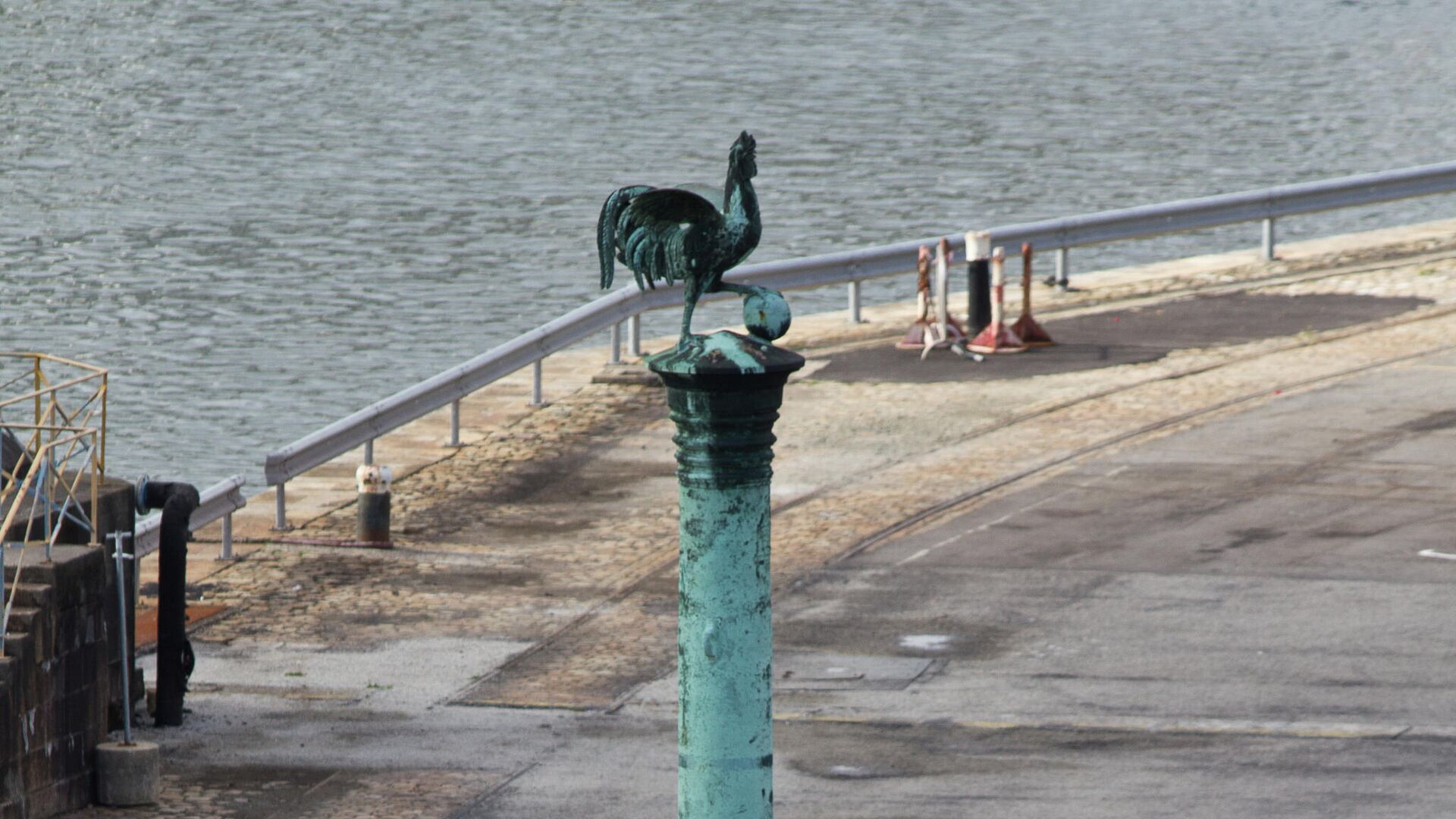
Baba Merzoug, Algeria
Located at the Brest Arsenal
La Consulaire, known in Algeria as Baba Merzoug, is more than a monument in Brest; it’s a symbol of resistance with a complicated past. The imposing cannon was seized by French forces in 1830 and transported from Algiers, where it had long guarded the harbor against invading fleets. To Algerians, “Baba Merzoug,” or “Blessed Father,” reflects its role as a steadfast protector of the city.
More than a century later, its legacy remains politically charged. Algeria formally requested its return in 2012, and the cannon resurfaced in April 2026 as a key example in France’s parliamentary debate over a new restitution framework, highlighting how deeply these objects are tied to questions of history, identity, and justice.
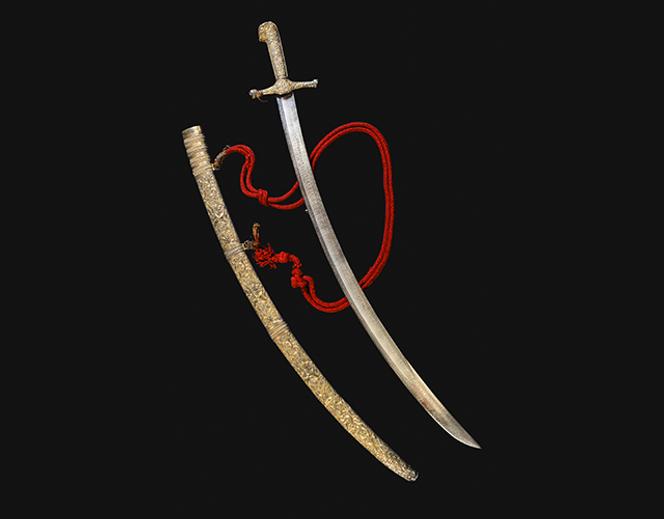
Emir Abdelkader’s effects, Algeria
Across locations that include Musée de l’Armée and Musée Condé
Rather than a single artifact, this case centers on a collection of personal belongings tied to the 19th-century Algerian leader Emir Abdelkader, who led the fight against French invasion before surrendering in 1847.
Today, these items are dispersed across French institutions, including the Musée de l’Armée in Paris and the Musée Condé in Chantilly. The collection includes military effects, a sabre, a burnous, a cannon, and even a copy of the Quran that once belonged to Abdelkader himself.
Algeria formally listed these objects among those it is seeking to reclaim, placing them at the center of ongoing debates over colonial-era restitution and historical memory.

Dendera Zodiac, Egypt
Located at the Louvre Museum
The Dendera Zodiac is an intricately carved ancient bas-relief that once formed part of the ceiling of the Temple of Hathor at Dendera in Upper Egypt. Today, it is housed at the Louvre Museum, where it stands as one of the most recognisable Egyptian antiquities in France.
Removed in the early 19th century during a period of extensive European excavation and collecting, the relief entered the Louvre’s collection in 1822 and has remained there ever since, becoming a centrepiece in debates over the movement of Egyptian heritage abroad.
The zodiac has repeatedly featured in public repatriation campaigns, including those led by archaeologist and former antiquities minister Zahi Hawass, keeping it firmly in the wider conversation about restitution and cultural ownership.

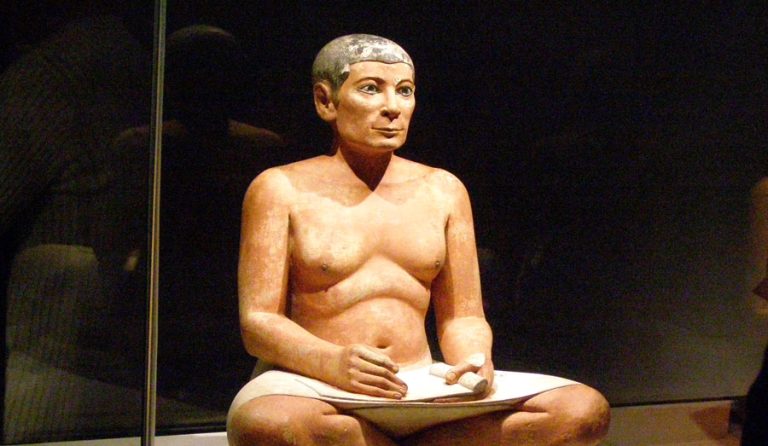
The Seated Scribe, Egypt
Located at the Louvre Museum
One of the Louvre Museum’s most iconic Egyptian works, the Seated Scribe is a painted limestone sculpture from Egypt’s Old Kingdom, dating to around 2600–2350 BC. Renowned for its striking realism and remarkably preserved detail, it captures a rare, lifelike portrait of an ancient official at work.
The statue was discovered at Saqqara in the 19th century by French archaeologist Auguste Mariette, found within a ruined mastaba near the avenue of sphinxes leading toward the Serapeum. Since it arrived in Paris, it has become one of the most celebrated masterpieces in the Louvre’s Department of Egyptian Antiquities.

Mesha Stele, Jordan
Located at the Louvre Museum
The Mesha Stele, also known as the Moabite Stone, is a basalt monument dating to around 840 BCE, bearing a major Canaanite inscription commissioned by King Mesha of Moab, an ancient kingdom located in present-day Jordan. The Mesha Stele is widely regarded as one of the most important surviving inscriptions from the ancient Levant and is today displayed at the Louvre Museum.
It was discovered in 1868 at Dhiban by Anglican missionary Frederick Augustus Klein. The stone’s early history after its discovery was turbulent: it was broken into fragments during a dispute involving members of the local Bani Hamida tribe, before the pieces were later recovered and reassembled in France.

The new French restitution bill is expected to facilitate the return of colonial-era artifacts, and with a number of these objects originating from the Middle East, it once again places MENA heritage at the center of the debate. In doing so, the legislation has reignited long-standing hopes that displaced cultural treasures may finally be returned to their countries of origin, reshaping conversations around ownership, history, and restitution.
We Said This: Don’t Miss… How Ancient Egypt Still Lives on Every Pound