


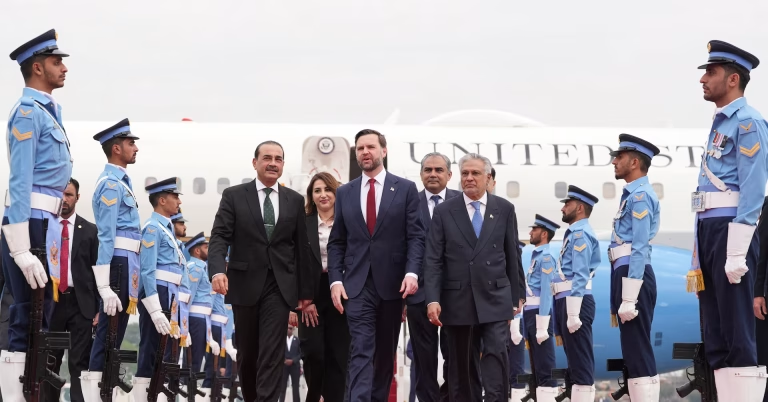
Pakistani officials announced on Tuesday that Islamabad has proposed a second round of talks between the United States and Iran, following an intense 21-hour negotiation session that ended without a breakthrough. While no immediate agreement was reached to end the ongoing tensions in the Middle East, signs of cautious optimism from senior US leaders suggest that diplomacy is still very much in play.
The proposal for renewed talks has already been shared with both Washington and Tehran, as efforts continue to prevent the situation from escalating further.
Pakistan’s Role as Mediator
Islamabad is positioning itself as a key diplomatic bridge between the two longtime adversaries. Officials say work is already underway to bring both parties back to the table, with a particular focus on extending the current ceasefire deadline to allow more time for negotiations.
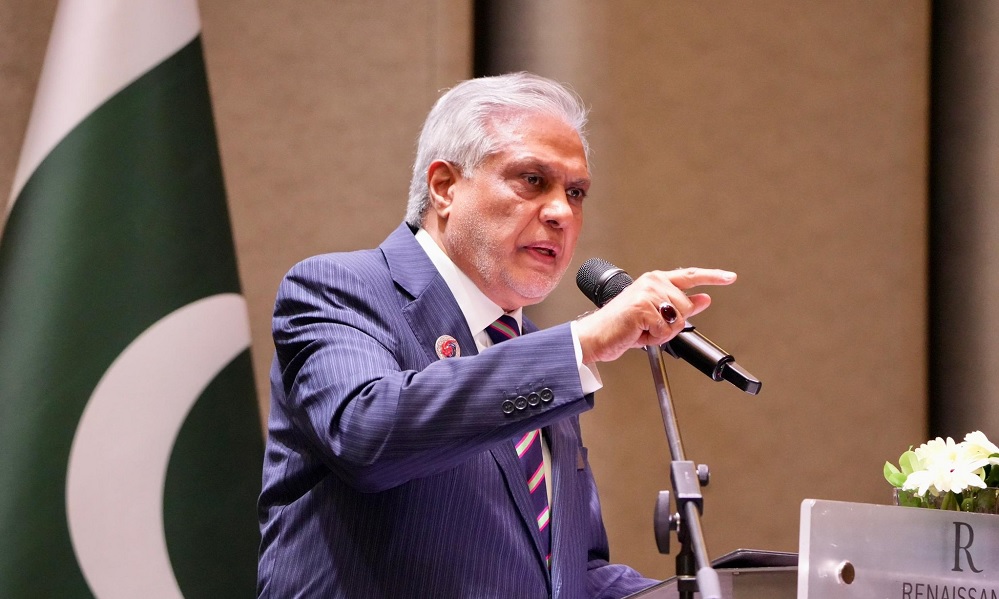
Pakistan’s Deputy Prime Minister and Foreign Minister, Ishaq Dar, reaffirmed the country’s commitment to facilitating dialogue.
Pakistan has been and will continue to play its role to facilitate engagements and dialogue between the Islamic Republic of Iran and the United States of America in the days to come
Signs of Progress Despite No Deal
Despite the lack of a final agreement, US officials have pointed to progress. Vice President JD Vance described the negotiations as having “made some progress,” while President Donald Trump suggested that Iran had shown a willingness to pursue a deal.
Vance emphasized that Washington’s expectations remain firm, stating that US “red lines” have been clearly communicated and that “the ball is in the Iranian court.”

Nuclear Disputes Remain an Obstacle
At the heart of the stalled talks lies a familiar sticking point: Iran’s nuclear programme. The discussions, marking the highest-level direct engagement between Washington and Tehran since the 1979 Islamic Revolution, ultimately faltered over deep disagreements on this issue. The U.S. proposed a 20-year moratorium on uranium enrichment , which Iran refused.
Iranian officials have accused the US of making maximalist demands, though they have stopped short of rejecting continued diplomatic efforts. This leaves the door open for further negotiations, particularly with increased international pressure to de-escalate.
Ceasefire Holds Amid Rising Tensions
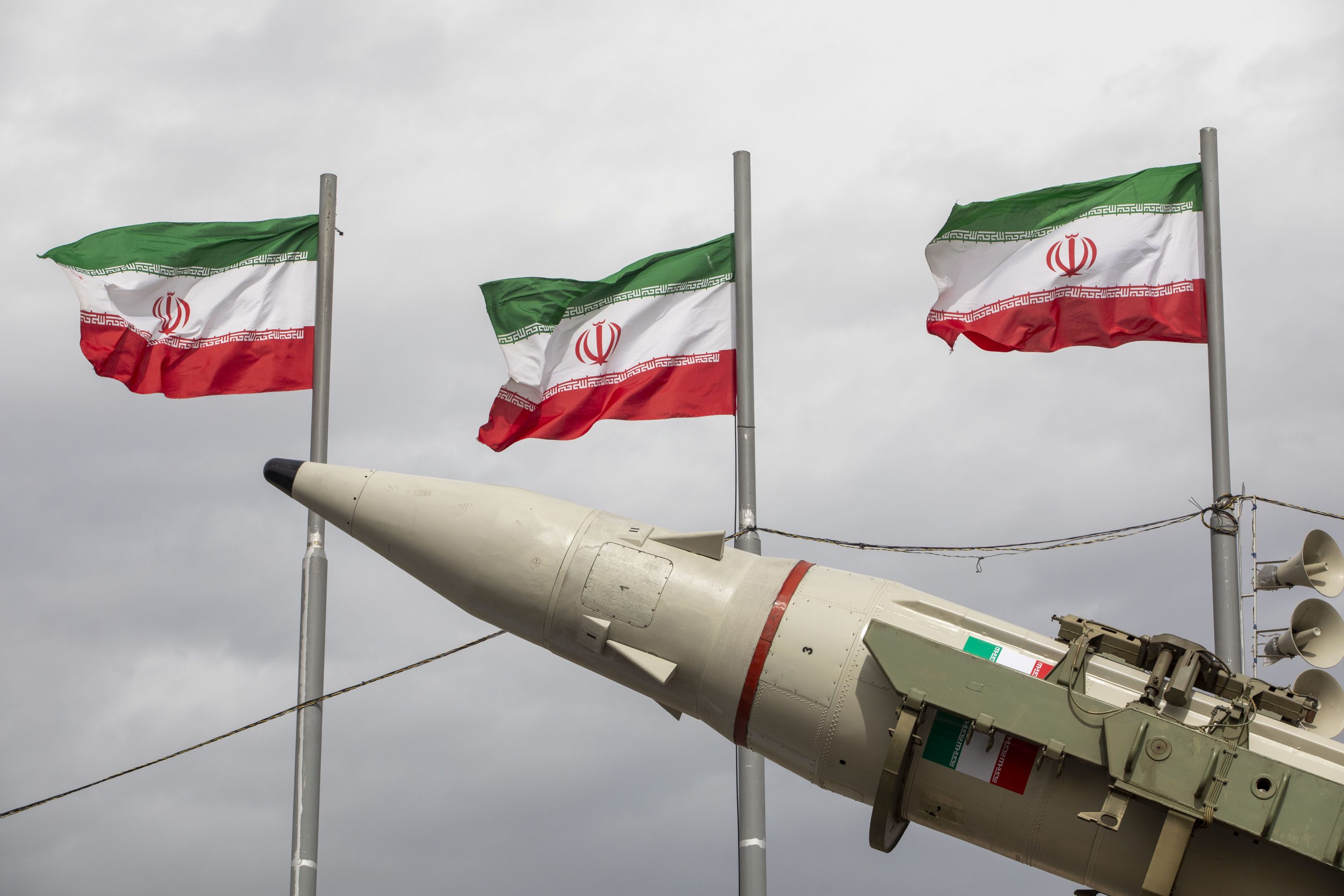
For the moment, a fragile two-week truce agreed upon last Wednesday remains in effect. The temporary ceasefire was intended to create space for a more lasting resolution, but tensions persist on the ground.
Complicating matters further, a US naval blockade has begun at the Strait of Hormuz, a critical global shipping route that had already been effectively closed by Tehran. The move underscores just how precarious the situation remains, even as diplomatic channels stay open.

With no definitive agreement yet in sight, the coming days will be crucial. Pakistan’s proposal for a second round of talks could provide the momentum needed to revive negotiations and potentially move closer to a lasting ceasefire.
For now, the balance between diplomacy and escalation hangs in the air, resting on whether both sides are willing to return to the table and compromise.
We Said This: Don’t Miss… UK PM Keir Starmer Heads to Gulf to Discuss Strait of Hormuz Reopening