



Iran’s historic city of Qom stands as one of the country’s most significant cultural and spiritual destinations, with roots stretching back to pre-Islamic times. Located around 140 km south of Tehran, the city is home to a wealth of archaeological wonders and historic landmarks that attract visitors from across the globe. Amid rising regional tensions, here’s a look at Qom’s most prominent landmarks under the looming threat of war.
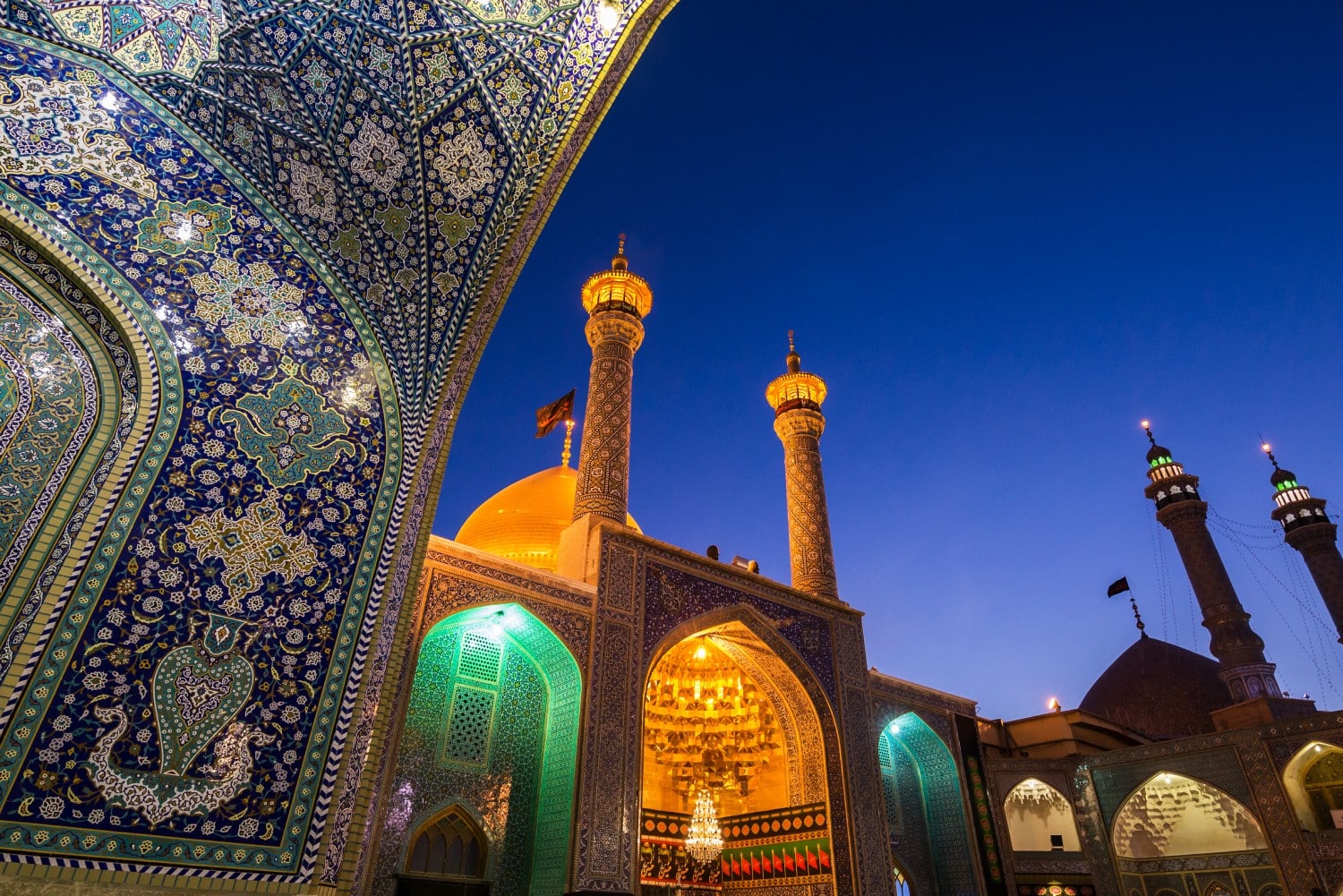
The Fatima Masumeh Shrine
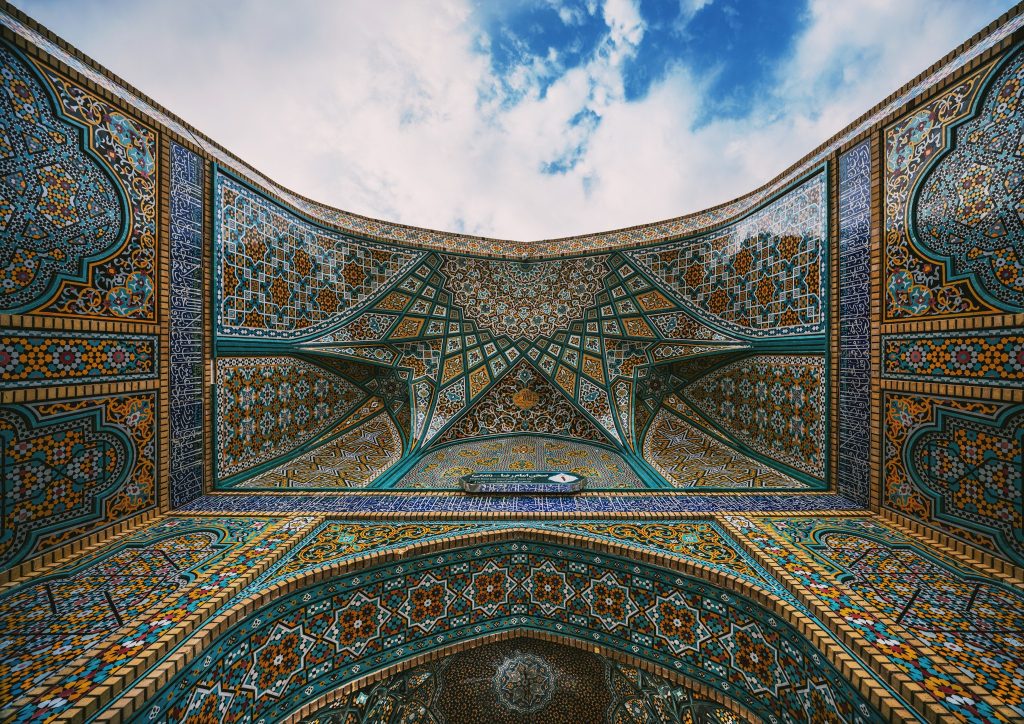
Meet Fatima bint Musa, sister to the eighth Imam, Ali al-Rida, and daughter of the seventh Imam, Musa al-Kazim. In Shia Islam, figures closely connected to the Twelve Imams are often deeply revered, and Fatima holds a special, saint-like status. It’s no surprise, then, that the Fatima Masumeh Shrine is considered one of the most important spiritual landmarks in the Shia world.
But this isn’t just a place of worship; it’s a whole experience. The shrine is one of Qom’s cultural gems, where visitors can wander through its stunning spaces, pay respects at Fatima Masumeh’s mausoleum, and discover the resting places of notable scholars and poets who have shaped the region’s rich intellectual and spiritual history.
The Jamkaran Mosque
The Jamkaran Mosque, also known as the Saheb al-Zaman Mosque, is an extraordinary place of worship. Sitting just outside Qom in the village of Jamkaran, this is one of Shi’a Islam’s most spiritually charged destinations, drawing thousands of visitors from around the world who come to pray, reflect, and soak in the atmosphere of devotion.
Popular tradition says that in 1002 AD (393 AH), the Twelfth Imam, Muhammad al-Mahdi, appeared to a pious man named Hasan ibn Muthlih Jamkarani. In that encounter, the Imam instructed him to build a mosque on that very spot, turning an ordinary patch of land into a sacred meeting point for prayers and hopes for his return. Today, Jamkaran isn’t just a mosque; it’s a living story, where history, faith, and legend blend into one powerful experience.

Khezr Mountain
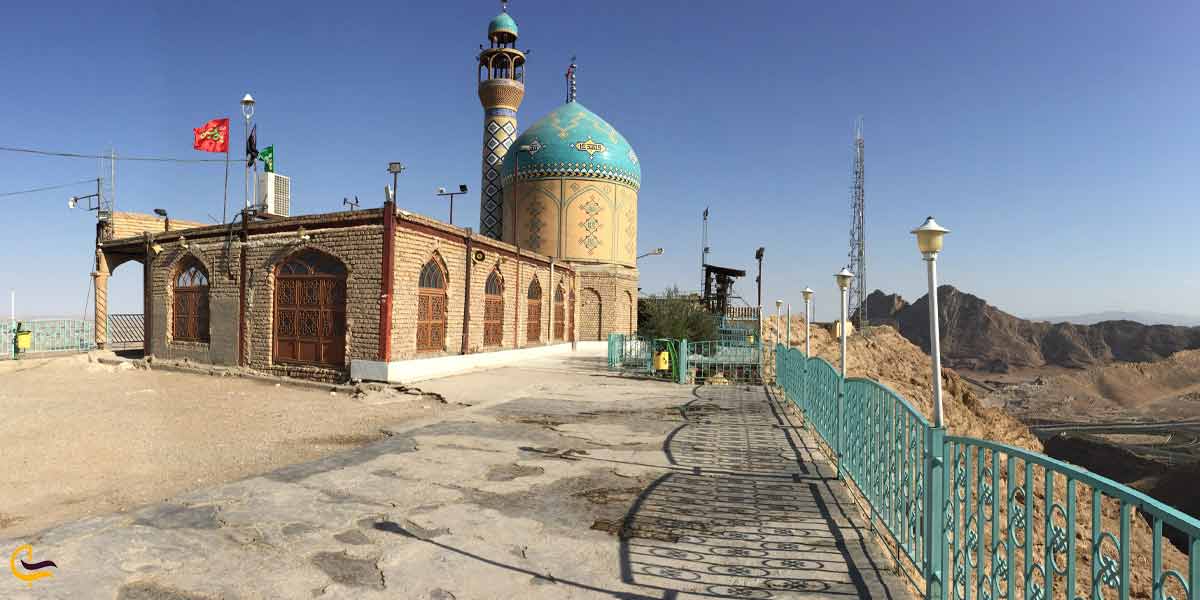
Mount Khezr is one of the most striking spots, about 6 kilometers south of the holy city of Qom, where nature, history, and spirituality seem to meet at the same viewpoint. The mountain carries serious archaeological and cultural weight, adding layers of meaning to its natural beauty. Perched among the city’s highest points, it rewards visitors with sweeping panoramic views.
At the summit sits a historic mosque, reinforcing the mountain’s spiritual character. But it’s not just about prayer and contemplation; Mount Khezr also doubles as a peaceful recreational spot. On clear days, the horizon even opens up to distant glimpses of Mount Damavand, adding an extra layer of drama to an already unforgettable view.
Qom Old Bazaar
Qom Old Bazaar sits right in the heart of the city and feels like stepping into a living slice of Persian history. More than just a marketplace, it’s a vibrant cultural hub where centuries-old traditions of trade, craftsmanship, and daily life still thrive. Wandering through its narrow alleys, you’re greeted by classic Persian architecture at every turn, domed ceilings, and winding passages that seem to tell their own stories.
At its core, the bazaar is buzzing with artisan workshops and small shops, where craftspeople continue skills passed down through generations. From handmade goods to traditional goods and everyday essentials, it’s a place where commerce meets culture most authentically. Whether you’re browsing, shopping, or just soaking in the atmosphere, the old bazaar offers a glimpse into the enduring soul of Qom.

Imam Hasan Al-Askari Mosque
The Hasan al-Askari Mosque and Mausoleum is a beautifully layered landmark in Qom, dedicated to Hasan al-Askari, the 11th Imam of Shi’a Islam, and the father of the 12th Imam in Twelver tradition. The original structure dates all the way back to the 9th century, making it one of the oldest surviving mosques in Iran. Over the centuries, it has been renovated and reshaped by different dynasties, including a major Safavid restoration in 1717—though today, the southern loggia is one of the few visible reminders of that era.
Just beside the entrance lies the tomb of Haji Ali al-Naqi, a respected cleric who played a role in restoration work during the Qajar period, quietly leaving his mark on a place already rich with centuries of history.

Jameh Mosque of Qom
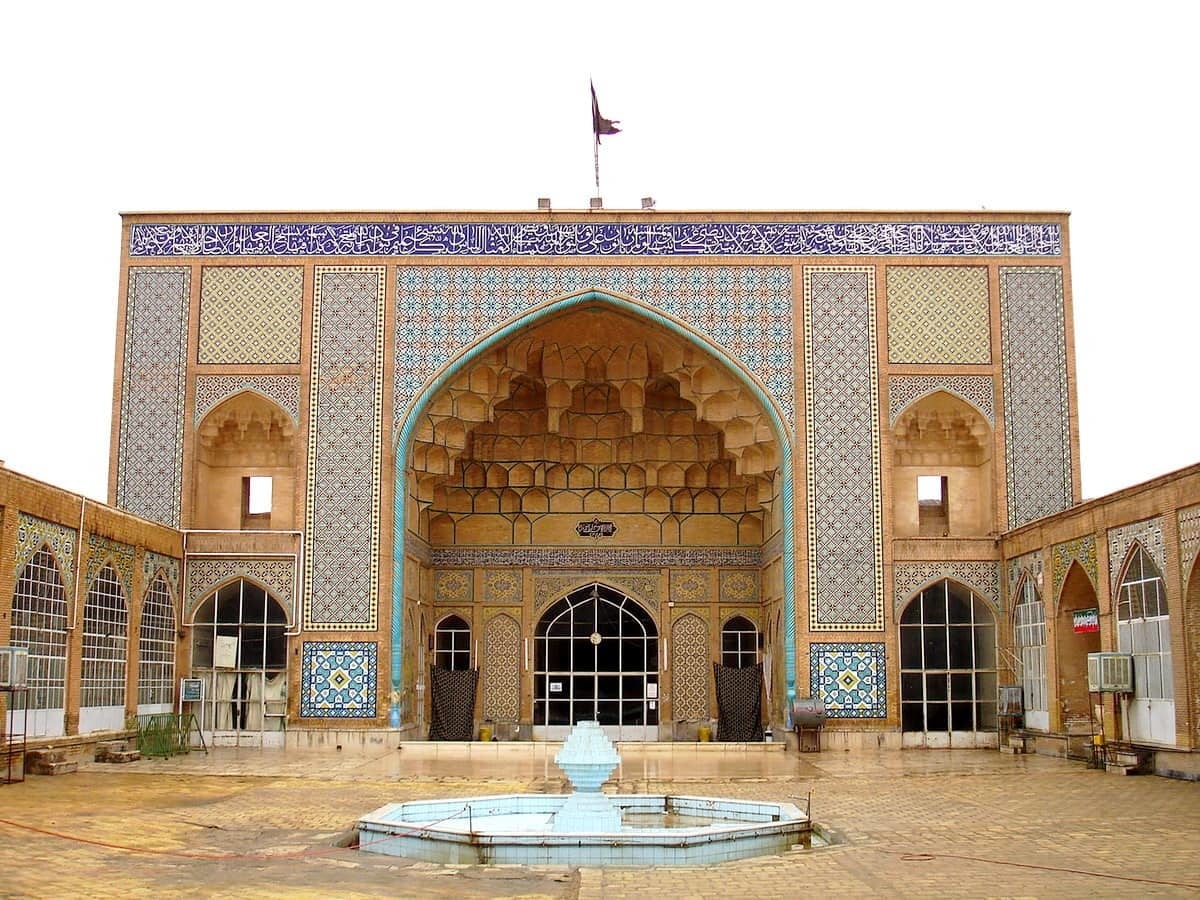
The Jāmeh Mosque of Qom is the city’s historic Friday mosque, located right in the heart of downtown Qom. As one of the oldest mosques in the city, it has been standing at the center of community life for centuries—quietly witnessing the rhythm of prayers, gatherings, and history unfolding around it.
Built on a rectangular plan and spanning around 6,000 square meters, the mosque features two main entrances that open into a space layered with centuries of architectural evolution. Its earliest structure dates back to the early-to-mid 6th century CE, making it one of the oldest religious buildings in Qom, second only to the Hasan al-Askari Mosque and Mausoleum. Today, the mosque stands as a living blend of eras, where early Islamic architecture meets centuries of refinement.
From the soaring heights of Mount Khezr and ancient architectural wonders, to centuries-old bazaars and deeply rooted spiritual landmarks, Qom tells a layered story of history, faith, and culture that has evolved over centuries. Yet amid rising regional tensions and political escalation, conversations around these treasured destinations have become more urgent than ever, highlighting both their cultural significance and their fragile place in an uncertain present.
We Said This: Don’t Miss… 6 Iranians Making Their Mark Around the World