


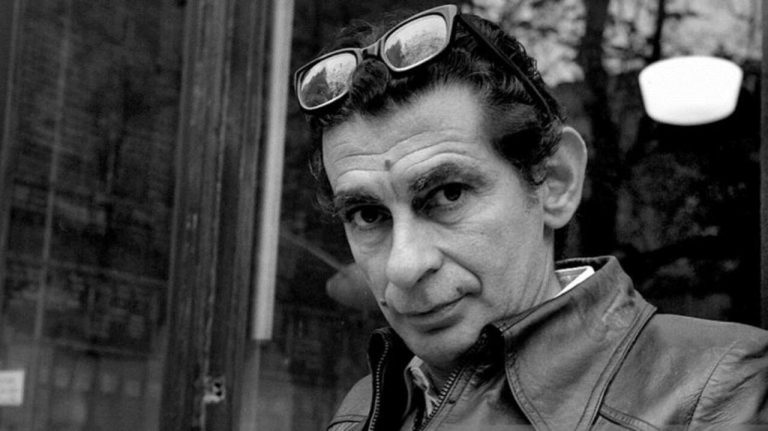
For the second chapter of What Now, My Love?, Zawya Cinema’s retrospective marking the centennial of Youssef Chahine shifts into a more political register.
Part II, Awakening, looks at a stretch of films where Chahine became increasingly occupied with questions of liberation, social change, nation-building, and what happens when political ideals meet everyday life. The wider program pairs these films with works by other directors, but here we’re focusing on Chahine’s own selections—and tracing the journey they map across one of the most defining periods of his career.
There’s resistance, romance, historical spectacle, villages in revolt, and, unsurprisingly, a lot of the Nile.
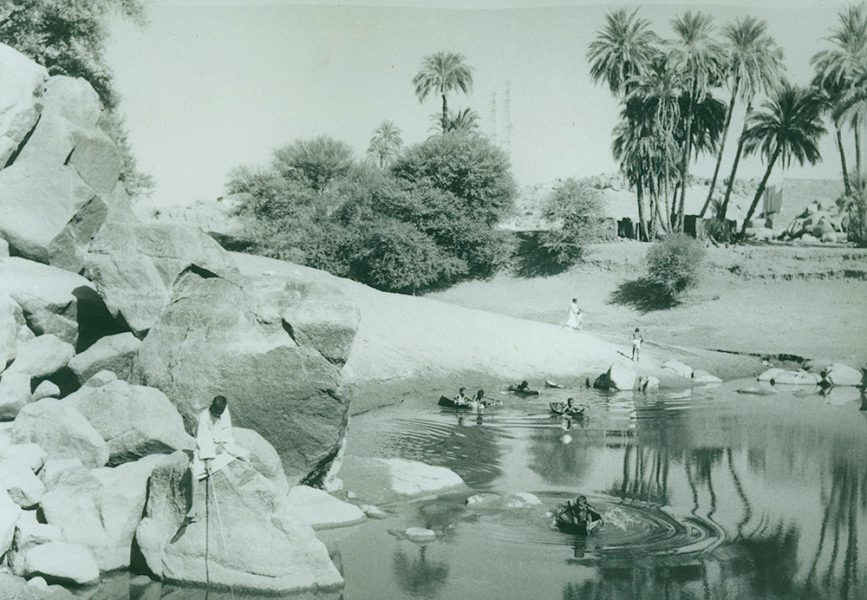
El Nil Wal Haya (1968)
July 1 & 9
The river arrives early.
Set around the construction of the Aswan High Dam, El Nil Wal Haya follows workers and communities living through a project meant to reshape the country. The film moves between moments of collective ambition and the smaller personal realities underneath it, asking what progress actually looks like up close.
Djamila (1958)
July 2
Then comes struggle.
Based on the life of Algerian freedom fighter Djamila Bouhired, the film follows her political awakening after witnessing violence under French colonial rule. As resistance grows around her, Djamila becomes increasingly involved in the fight for independence, moving from observer to participant. Chahine keeps the focus close to the people inside the revolution rather than treating it as distant history.
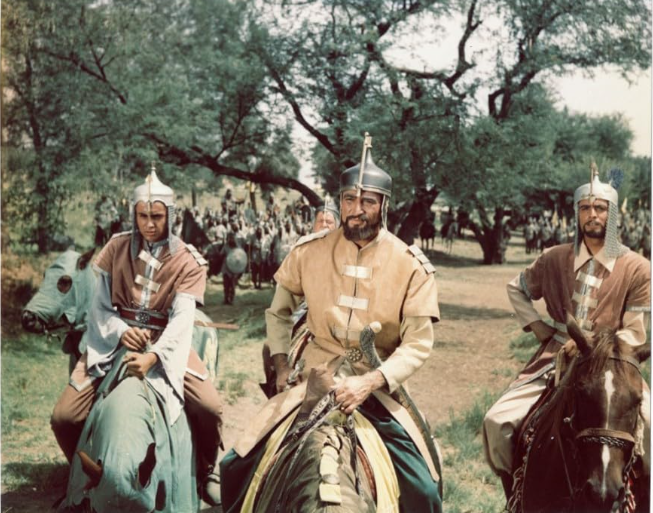
El Nasser Salah Al-Din (1963)
July 4
One of Chahine’s biggest films in every sense.
After the Crusader commander Reno de Châtillon breaks a peace agreement, Saladin prepares for war. What follows is battles, alliances, shifting loyalties, and a cast of historical figures including Richard the Lionheart. Grand and theatrical, the film turns history into something larger—a story about leadership, unity, and competing visions of power.
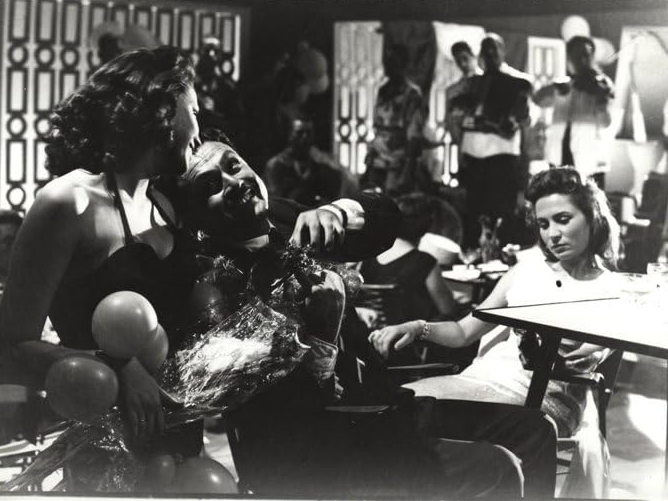
Fagr Yom Gedid (1964)
July 8 & 23
Then things get quieter—and stranger.
A married woman in her forties finds herself drifting through life and unable to connect to the political energy transforming Egypt around her. When she falls for a younger student, that emotional shift opens up bigger questions about class, identity, and whether change can happen later in life too. Chahine later called this one of his favourite films.

Al-nass wal Nil (1972)
July 10
Still at the dam, but from another angle.
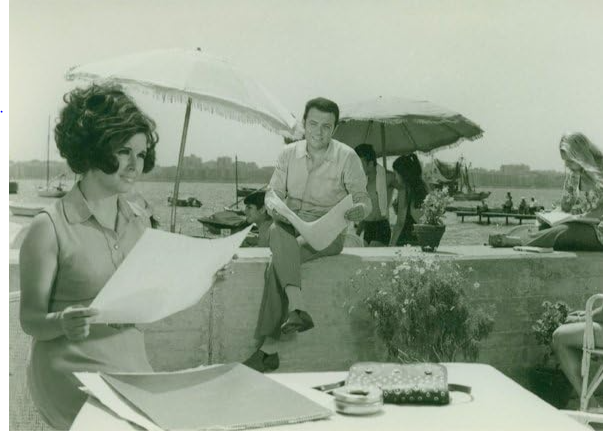
Set during the diversion of the Nile in 1964, the film brings together people whose lives intersect around the project: a doctor who joins the effort out of conviction, a woman unwilling to leave her life behind, and a Soviet engineer navigating life far from home. Big political projects remain in the background, but everyday relationships drive the story.
Al-Ard (1969)
July 15 & 29
The program closes with one of Chahine’s most celebrated films.
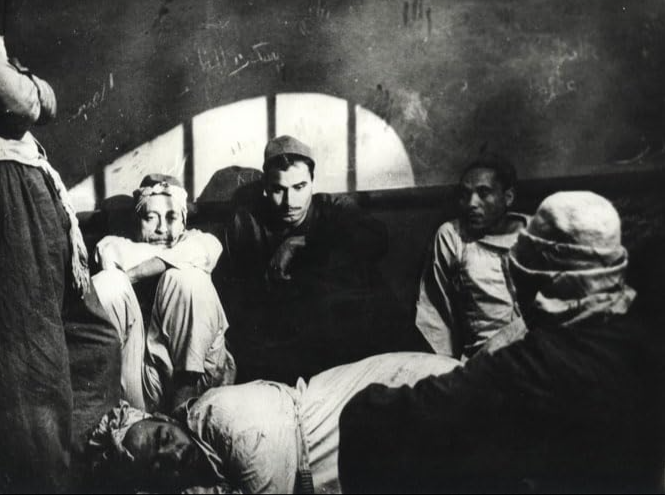
Set in a farming village in 1933, Al-Ard follows peasants fighting decisions that threaten both their land and access to water. As they petition officials and push back against local power, the film becomes less about one conflict and more about how communities hold together—or don’t—under pressure.
Closing
Seen together, these films feel like a filmmaker thinking out loud.
Across revolutions, romances, dams, and fields, Chahine keeps returning to the same question: what does change actually ask of people? Awakening follows him through a moment when the answers seemed possible—and then increasingly complicated.
WE SAID THIS: Don’t miss…Youssef Chahine’s Early Films Return to the Screen at Cinema Zawya