


Tensions around the ongoing war between Iran, the United States, and Israel took a confusing turn this week. Conflicting statements about possible negotiations have left observers and global markets trying to figure out what’s really happening behind the scenes.
Conflicting Claims About Talks
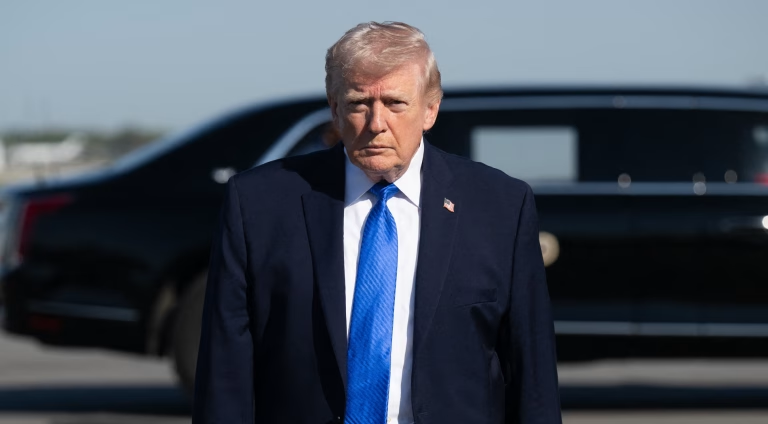
Donald Trump surprised many by claiming that “very good and productive conversations” were underway with Iran to end the war. According to him, discussions had already taken place with a high-level Iranian figure.
“They want very much to make a deal,” he said. “We’d like to make a deal, too.”
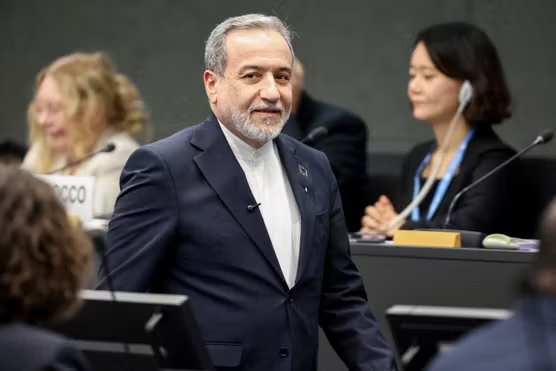
But Iranian officials quickly pushed back. Iranian Parliament Speaker Mohammad Bagher Ghalibaf flatly denied that any negotiations had happened, calling the claims “fake news” and suggesting they were aimed at influencing financial and oil markets. Similarly, Foreign Ministry spokesperson Esmaeil Baghaei said no direct talks had occurred.
A War Still Escalating
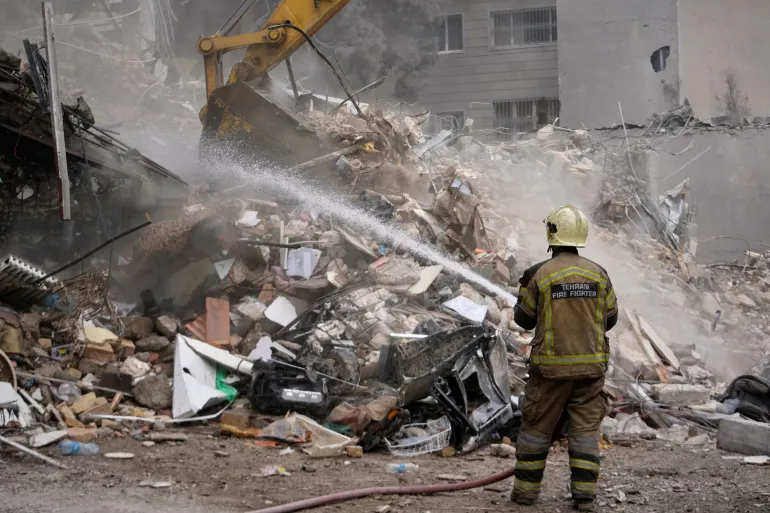
Despite talk of diplomacy, the war itself shows no clear signs of slowing. Israeli forces have launched new strikes on Tehran, while Iran continues firing missiles and drones on Israel and across the region.
One of the biggest global concerns right now is the Strait of Hormuz, a vital shipping route for energy supplies. Iran’s actions there have disrupted traffic, pushing oil prices higher and raising fears about worldwide economic fallout.
Trump’s Strategy: Pause and Pressure
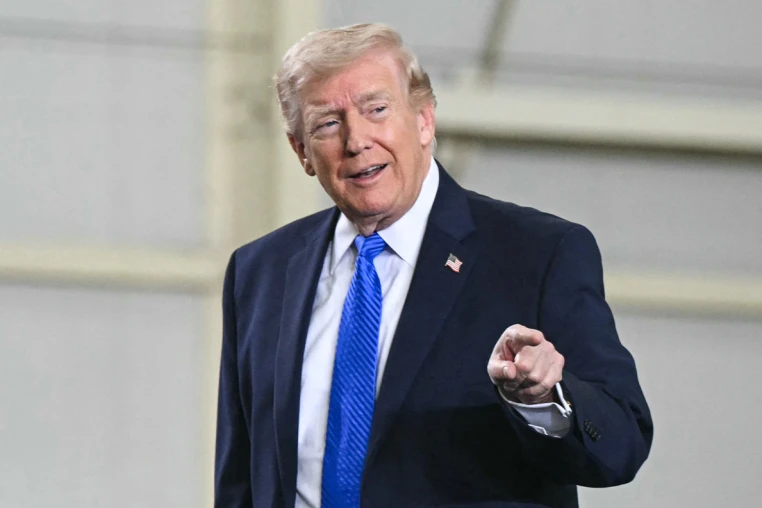
In a notable shift, Trump announced a temporary pause on planned US strikes against Iranian energy infrastructure. He framed this as a five-day window to give diplomacy a chance.
This followed an earlier warning from him that the US could completely destroy Iran’s power infrastructure if the Strait of Hormuz was not reopened within 48 hours. highlighting the high-pressure approach behind the scenes.
At the same time, his messaging remained tough. He warned that if talks fail, military action would resume aggressively.
“we’ll just keep bombing our little hearts out” — Donald Trump
The mix of pause-and-pressure suggests an attempt to push Iran toward negotiations, whether or not those talks are actually happening yet.
Market Reacts to Trump and Iran’s Conflicting Remarks
Interestingly, financial markets reacted to both Trump’s comments and Iran’s denial of the talks. At first, oil prices dipped, and major US stock indexes rose, reflecting hope that the war might de-escalate.
Crude prices dropped more than 10% only to rise once more upon the updates from Iran, showing how quickly sentiment can shift on even unconfirmed diplomatic signals.

Behind the Scenes: Indirect Communication?
While Iran denies formal negotiations, there are hints that something may be happening quietly. Reports suggest that messages from the US have been delivered through intermediaries and are being reviewed by Iranian officials, serving as a potential precursor to talks—suggesting early-stage, indirect communication rather than face-to-face negotiations.
Conclusion
Right now, the situation sits in a gray zone. The US hints at progress, Iran denies direct engagement, and the conflict continues on the ground. Whether this is the early stage of real diplomacy or just political maneuvering is still unclear.
What is clear, though, is that even the suggestion of talks can ripple across global politics and markets. The next few days—especially within Trump’s five-day window—could be critical in determining whether this crisis moves toward resolution or further escalation.
We Said This: Don’t Miss…What to Know About Iran’s Kharg Island After the U.S. Attacks