


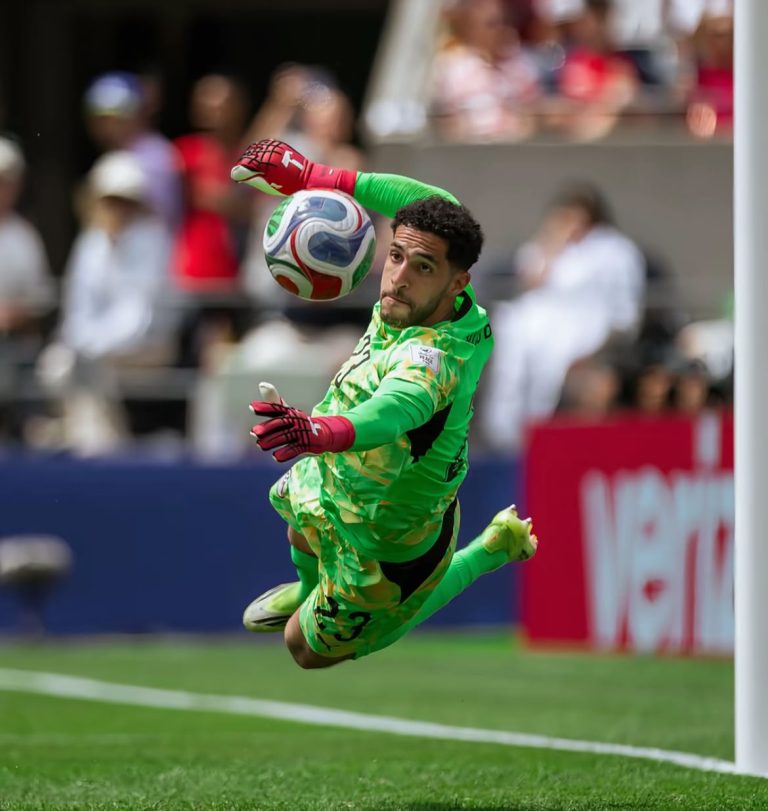
Some players inherit expectations before they inherit opportunities.
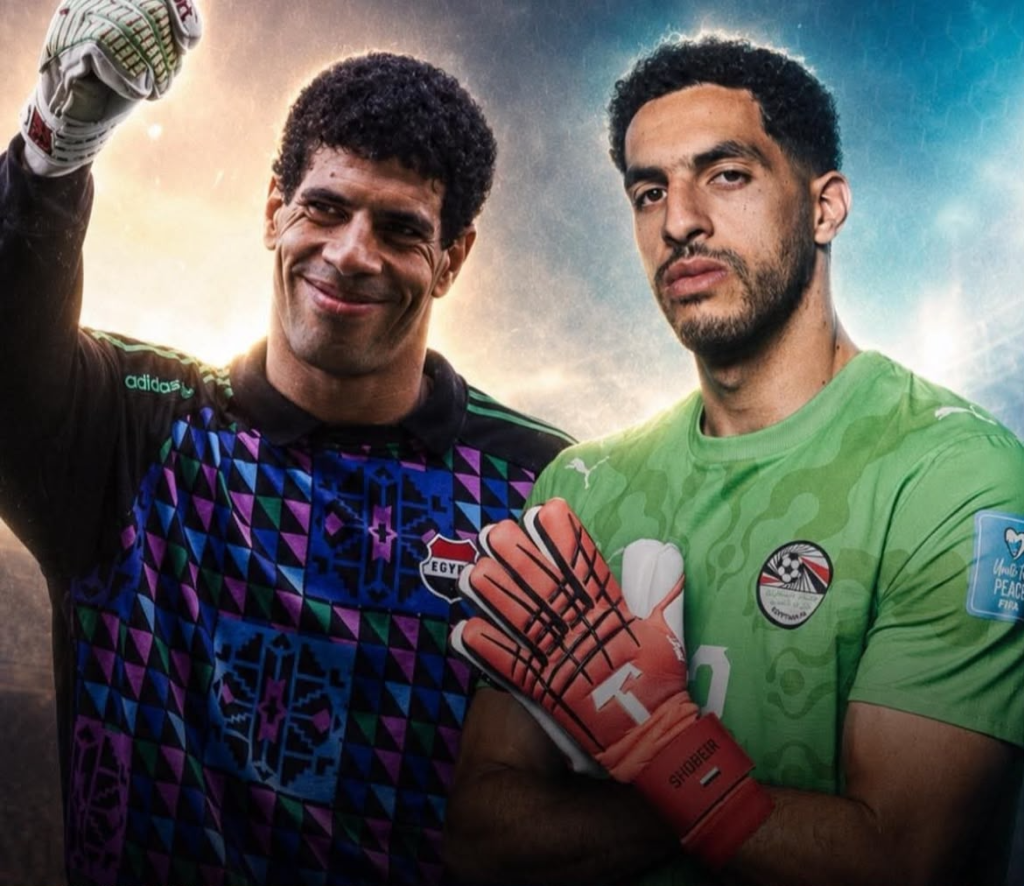
For Mostafa Shoubir, that came with the surname. Being the son of Ahmed Shoubir meant growing up attached to one of Egyptian football’s most recognizable goalkeeper stories — Al Ahly, the national team, and a World Cup legacy.
For years, that was the introduction.
Now, Oufa is slowly changing it.
Starting At Al Ahly
Mostafa’s journey began where many expected it would: in Al Ahly’s youth academy.
Like his father before him, he worked his way through the club before earning promotion to the first team under René Weiler. The similarities are easy to notice. Ahmed Shoubir also had to wait before becoming Al Ahly’s first-choice goalkeeper, building his place through patience rather than immediate opportunities.
Mostafa’s moment arrived when Mohamed El Shenawy suffered a shoulder injury. Suddenly, the backup goalkeeper had to step into one of the biggest roles in African football.
He didn’t just survive it.
During Al Ahly’s Champions League run, Oufa delivered clean sheets, made important saves against Simba and Mazembe, and looked unexpectedly comfortable in matches that usually expose inexperienced goalkeepers. Fans started seeing something shift: this wasn’t simply cover anymore, this looked like the future.
El Shenawy & Oufa’s Connection
One of the nicest parts of Mostafa’s rise is that it never felt like a battle between generations.
The relationship between El Shenawy and Oufa seemed built on support instead of competition.
That became obvious after Al Ahly won the African Champions League.
Because of medal restrictions, not every player involved in the campaign was allowed onto the podium. Despite contributing during the tournament, Mostafa was among those left out.
El Shenawy noticed and handed Oufa his own medal.
Later, he explained that there was nothing planned about it, he simply believed his teammate deserved to receive that recognition.
Following His Father’s World Cup Journey
Back in 1990, Ahmed Shobier introduced himself to the world in Italy.
Egypt held the Netherlands to a memorable draw and Ahmed emerged as one of the tournament’s standout goalkeepers, beginning a reputation that would later make him one of Egyptian football’s most recognizable names.
Thirty-six years later, another Shobier arrived.
Mostafa made his World Cup debut in a match against Belgium that also ended in a draw — a coincidence that immediately reminded fans of how his father’s own World Cup story had started.
Then another parallel appeared.
By reaching his third World Cup appearance, Mostafa matched the number of World Cup matches his father played for Egypt in 1990 which marks the most appearances for a goalkeeper for Egypt in the World Cup.
Same surname.
Different chapter.
Saving A Penalty At The World Cup
Parallels are nice.
But every second-generation player eventually needs a moment that belongs only to them.
For Oufa, that moment came against Iran.
His penalty save made him only the second Egyptian goalkeeper to stop a penalty at the World Cup after Essam El-Hadary. Suddenly, the conversation changed. People were no longer looking for similarities with Ahmed Shobeir — they were talking about Mostafa himself.
After the match, he laughed and said maybe now he had finally surpassed his father.
It also felt like a small sign that he knows his story doesn’t have to live inside anyone else’s.
Ranking Among The World Cup’s Best Goalkeepers
Recognition followed quickly.
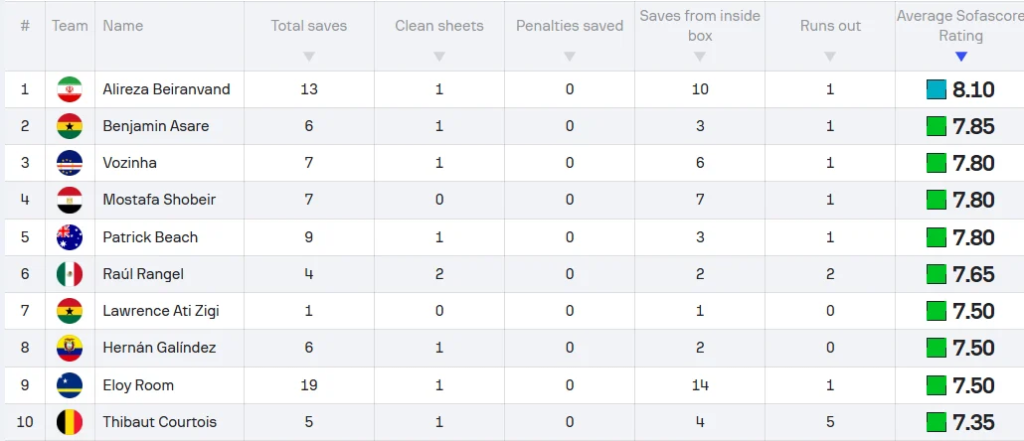
After two rounds of the 2026 World Cup group stage, Mostafa climbed into fourth place among the tournament’s highest-rated goalkeepers according to SofaScore, earning a 7.80 rating.
The rankings changed later as the tournament continued, but that doesn’t really take away from the moment.
For a while, one of the four highest-rated goalkeepers at the World Cup was an Al Ahly goalkeeper who had spent years waiting quietly for his chance.
Attracting Interest From European Clubs
Big tournaments tend to speed things up.
As Mostafa’s profile continued to rise, reports linked him with growing interest from clubs in Spain, France, and the Netherlands, with Celta Vigo and Getafe among the names mentioned.
Whether anything comes from those reports or not, the shift itself felt important.
People stopped talking about him only as Al Ahly’s future.
They started wondering whether Europe might become part of the story too.
Conclusion
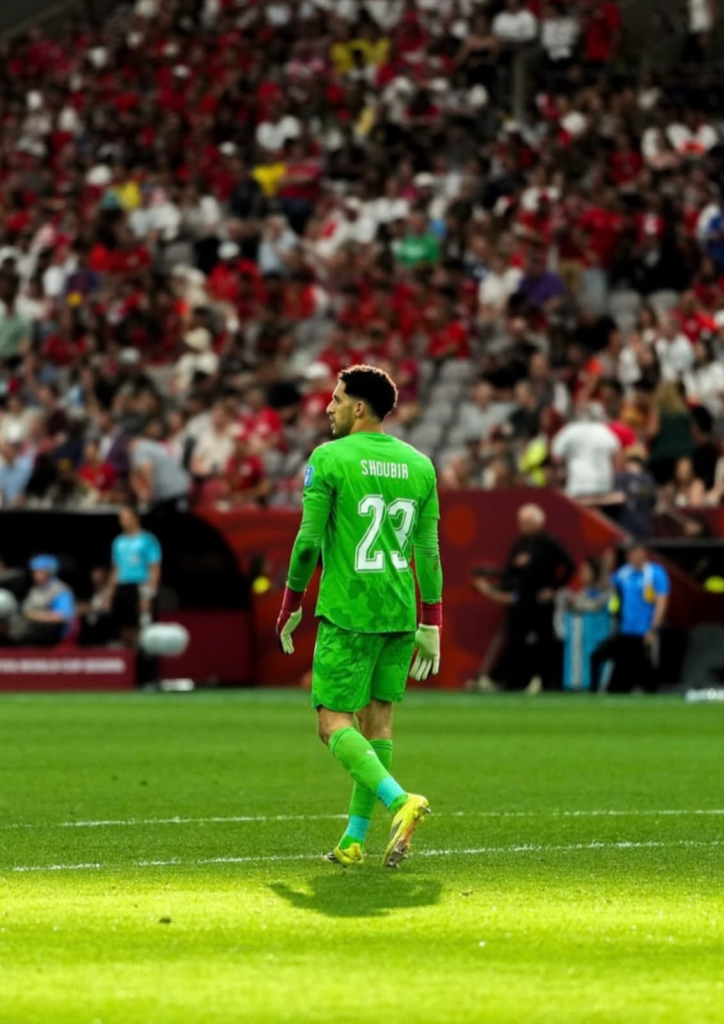
Mostafa Shoubir’s rise doesn’t feel dramatic.
It feels earned.
He followed his father’s path without copying it. He earned El Shenawy’s trust instead of competing with him. And when the biggest moments arrived, he took them.
For a long time, people introduced him as Ahmed Shobeir’s son.
More and more, that introduction is starting to sound completely different.
We Said This: Don’t Miss…Before Coaching Egypt: Hossam Hassan’s Greatest Achievements as a Player