


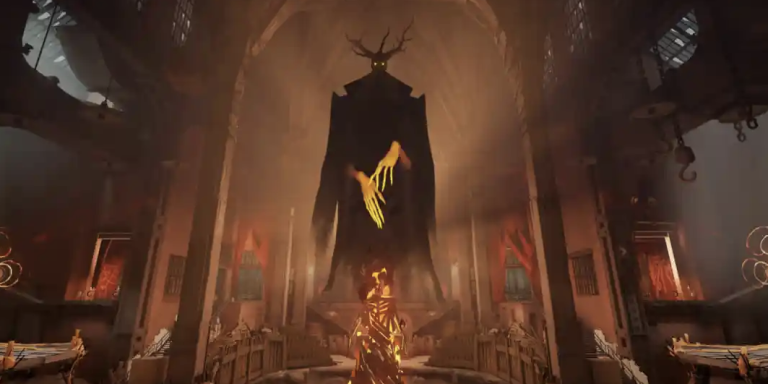
In Ranked Deadlock, a single late rotation, the loss of a lane or even an objective fight may wipe out an entire night of work done. This is why some people would prefer to seek assistance from something more structured rather than relying on luck.
Deadlock boosting with Eloboss generally means highly skilled Deadlock competitors helping your ranked progression using options like duo queue, placement matches, net wins, or account-share sessions, often with privacy tools and specific hero selection depending on what you order.
What Is Deadlock Boosting?
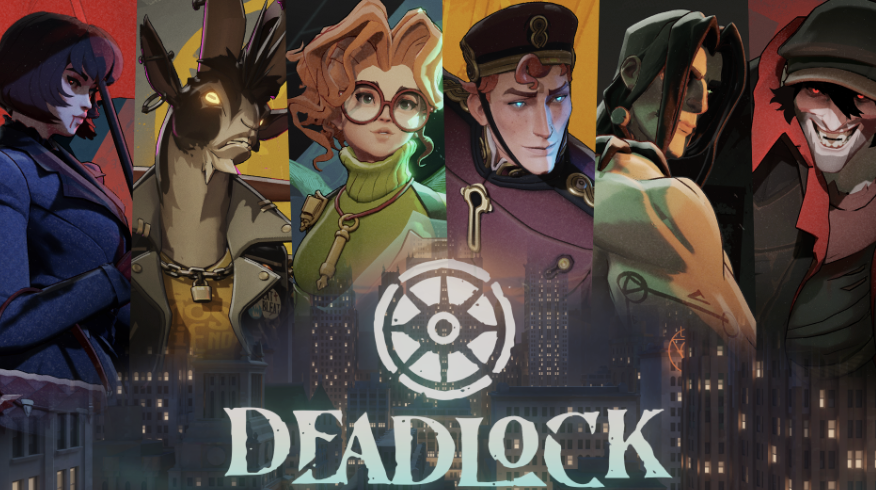
Boosting essentially is paid help for a specific result, which is often in the form of a certain rank, a specific number of victories, or an improved placement in placements matches.
Deadlock isn’t all about “the better aim wins.” The most substantial difference between the average and the top-tier player lies in their ability to capitalize on their tiny lead in terms of map control.
A good way to think about it is assisted execution. The booster (or you plus a booster in duo) plays a cleaner version of Deadlock’s tempo so the climb doesn’t depend on perfect teammates every match.
How the Deadlock Boosting Process Works
The process that most services use is quite standard. The specifics may vary, but the principle remains unchanged: formulate the target, lock the way, and measure the success step by step.
Order Setup and Goal Definition
Typically, you begin with choosing:
- your present rank and target rank or number of victories
- your region and the time you usually play
- the way you prefer (duo queue, account share, placements, coaching)
If the service provides such an option, this is where you choose additional criteria for your order (hero choice, preferred role, or “playstyle notes” – you want to improve your rank while playing two comfort heroes only).
Booster Assignment and Scheduling
Once the order has been made, a booster will be appointed depending on your requirements and method.
Scheduling is necessary for duo queue because you’ll be playing with someone else. However, account-share is more about making an agreement on the time when you won’t play.
Playing The Games in a Deadlock Way
This is where most generic articles fall short. According to Deadlock, fast climbing often comes down to consistently applying the basics well:
- Creating lane pressure without dying to ganks for it
- Rotating into objective battles early rather than late
- Using movement mechanics to go through safer routes and stay on uptime
- Trading objectives if you can’t win the fight cleanly
- Keeping your team coordinated towards map control and not just skirmishing
In lower ranks as well, even a single person who can handle the pace and call resets can stop the common pattern of “we were winning but screwed up on the objective”.
Progress Tracking and Handoff
Most sites have a page where you can check finished games and progress status.
Once the target is achieved, your order is complete. In case you use account share, it is common to change credentials after and spend several games stabilizing in the pace of your lobbies.
Popular Deadlock Boosting Options
Deadlock boosting isn’t one product. The method you choose changes what you learn, how much control you keep, and how fast the results usually come.
Duo Queue vs Account-Share
Duo queue means you play on your own account and queue with the booster. Account-share means the booster plays on your account.
“Duo queue combines ranked progression with active participation, making it a popular option for players who want to improve while continuing to play,” says Eloboss, a Deadlock boosting and coaching service.
If you’re trying to actually improve at higher tempo, duo queue also makes it easier to ask questions mid-session like “was that rotation late?” or “should we trade this objective and take map control elsewhere?”
Placement Matches Help
Placements are crucial since a poor beginning could set the tone for the whole duration. Placement help would normally be selected by those who:
- need a higher starting rank since corrections take a while
- have taken a break from the game and would not like to relearn the season in bad lobbies
- are confident mechanically, but poor early-season performance throws them off balance
Regarding Deadlock, placements may seem tough since the difference between teams in terms of coordination is huge at the early stages of the season.
Net Wins for Momentum
A net win strategy is a strategic attempt such as “+5 wins” instead of “Silver to Gold.” This type of strategy is used by players who are close to ranking up but get repeatedly pushed down by their streaks.
This type of strategy is also quite common among people whose target is changing their ranking direction.
Hero-Focused Boosting and Coaching
Some orders are built around hero selection, either because you want the booster to prioritize certain heroes, or because you want coaching focused on the heroes you actually plan to play after the boost.
This fits Deadlock well because hero comfort affects everything: lane matchups, how you apply lane pressure, and how you approach objective fights when the map opens up.
How Players Choose a Deadlock Boosting Service
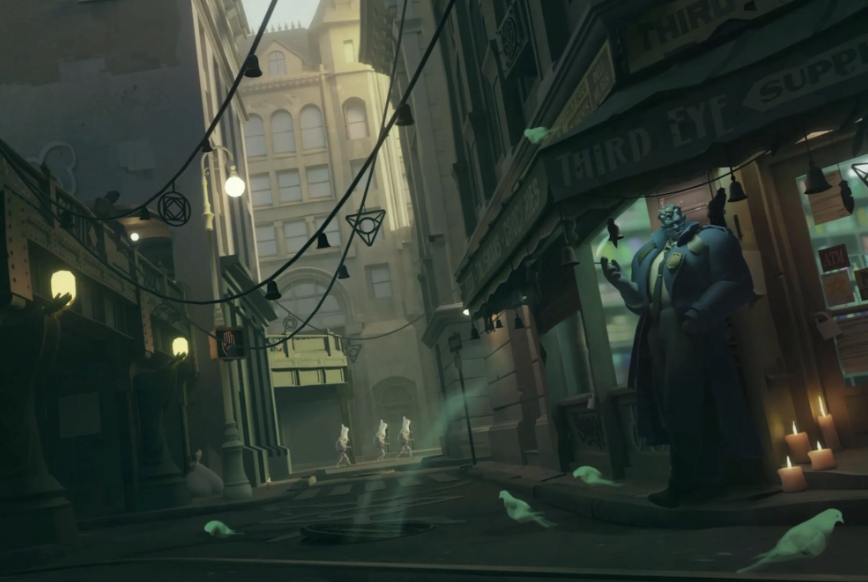
Choosing a service is less about flashy claims and more about whether the process matches how you want to play Deadlock afterward.
Many modern boosting platforms, including Eloboss, offer features such as VPN protection, offline mode, duo queue, and order tracking to improve transparency and user control.
Here’s what’s worth checking before you commit.
Method Fit for Your Goal
Ask yourself one question: do you want to play during the climb?
- If yes, duo queue or coaching tends to fit better because you’re adapting to higher-tempo matches while you climb.
- If no, account-share is the hands-off route, usually chosen when time is the main constraint.
Communication and Deadlock-Specific Planning
The Deadlock game is heavily dependent on macros. It is important that there is clarity as to how a team handles:
- Map rotation and objective timings.
- The differences in pacing that arise from progressing through the tiers.
- Hero demands that do not make players feel uncomfortable.
If their “plan” is “We will win a lot,” you won’t get much out of them.
Account Security Habits (For Account-Share)
When considering account-share, some elements that could be expected include:
- Region-based log-in procedures (through VPN protection)
- Log-in instructions to avoid double-logins
- Privacy features such as logging off
Again, these are not assurances of any kind, but just elements of operational logistics involved in placing an order.
Is Deadlock Boost Worth It?
Whether it’s worth it depends on what you’re buying: time, a rank milestone, a better starting point, or a learning experience.
When It Makes Sense
The most rewarding boost would be when you have a particular problem to overcome:
- You get caught in cycles because of teamwork in your games that you cannot influence
- You require a new beginning due to your placement going awry
- You aim for reaching a milestone such as the Eternus rank and maintaining it
In Deadlock, a major hidden advantage would be being able to observe cleaner setups and map control. You would have an example of how tiered players make decisions.
What to Expect After the Climb
Your first few games will be faster and unforgiving. Higher ranks will penalize players who:
- have slow rotations with only a few seconds of delay
- build up pressure in lanes but lack vision and escape paths
- lack mechanics when fighting objectives
In order to stay in your rank for a bit, consider having a stabilization phase wherein you play a limited number of heroes and focus more on surviving rotations and avoid unnecessary engagements.
Conclusion
What is the practical implementation of Deadlock boosting? The player selects an intended goal to be achieved, chooses a technique such as duo queue, placements, net wins, or account-share and then a higher ranking player assists him/her in implementing a cleaner form of Deadlock’s pace, rotations, and objective playing until the goal is accomplished.
The most successful achievements are usually the ones when the techniques used coincide with the intentions of the player. If the player wants control and education, then duo queue and coaching suit the Deadlock’s focus on team coordination and map control.
WE SAID THIS: Don’t Miss…Workers at Google DeepMind Unionize Over AI’s Role in Warfare