


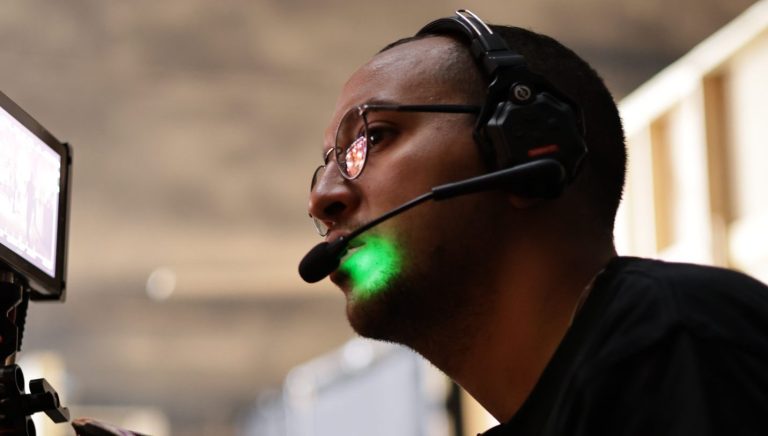
Some careers begin with a lifelong plan. Others begin with missing one.
For cinematographer Kamal Samy, cinema wasn’t the dream from the start. For years, the future looked completely different: medicine, structure, certainty. But one unexpected turn redirected everything toward film, and what followed became a career shaped less by rigid ambition and more by observation, experimentation, and trusting instinct.
From music videos with some of Egypt’s most recognizable artists to a debut feature that reached Cannes, Samy’s path feels less like a straight line and more like learning to follow images wherever they lead.
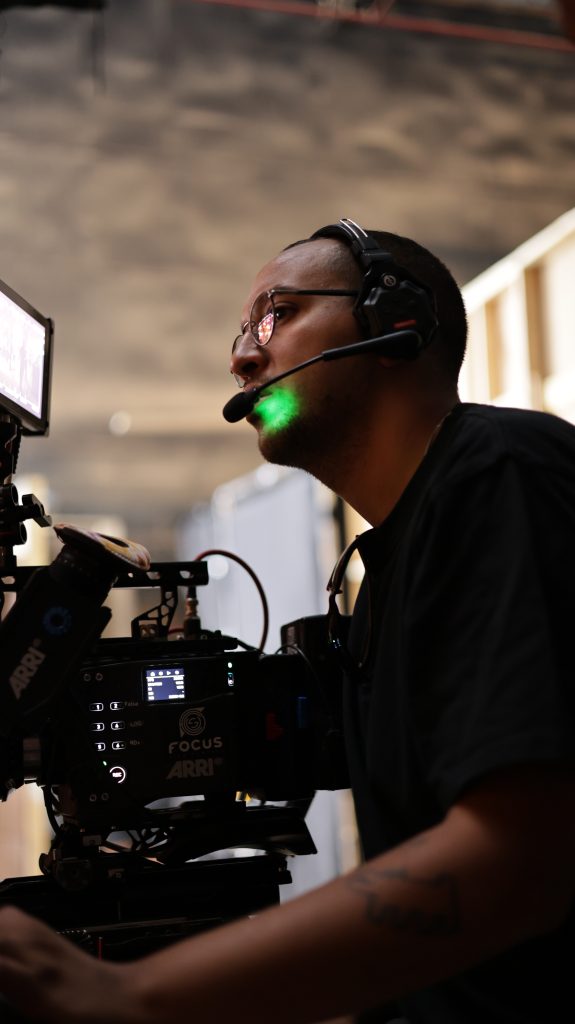
Finding Cinema by Accident
His entry into cinematography didn’t come from a childhood certainty or a dramatic movie moment.
“My entry into cinematography was not driven by a clear plan,” Kamal Samy says.
Growing up in a traditional environment, medicine seemed like the obvious future. He came close to making it happen, too, until a small gap in grades forced a complete reset and left him reconsidering what he actually wanted.
Instead of rushing into another version of the same plan, he looked backward.
“At that point… I looked at what had occupied most of my time growing up — watching films and TV.”
After quickly exploring his options, he applied to the Faculty of Applied Arts simply because it felt like one of the few spaces connected to cinema. At the time, he says, he knew very little about film education or the industry itself.
That decision ended up opening more than just a career path.
“Studying there gave me perspective not only on cinema, but also on different forms of art and the way creative disciplines connect to each other.”
After graduating, Samy moved through smaller projects and a period of experimentation, trying things, figuring out where he fit, and entering an industry that itself was changing. As digital filmmaking expanded access and lowered barriers, there was suddenly a feeling that cinema had become more open.
“For the first time, there was a sense that good work could be recognized regardless of which academic background you’re coming from.”
And for someone who entered through an unexpected door, that shift mattered.
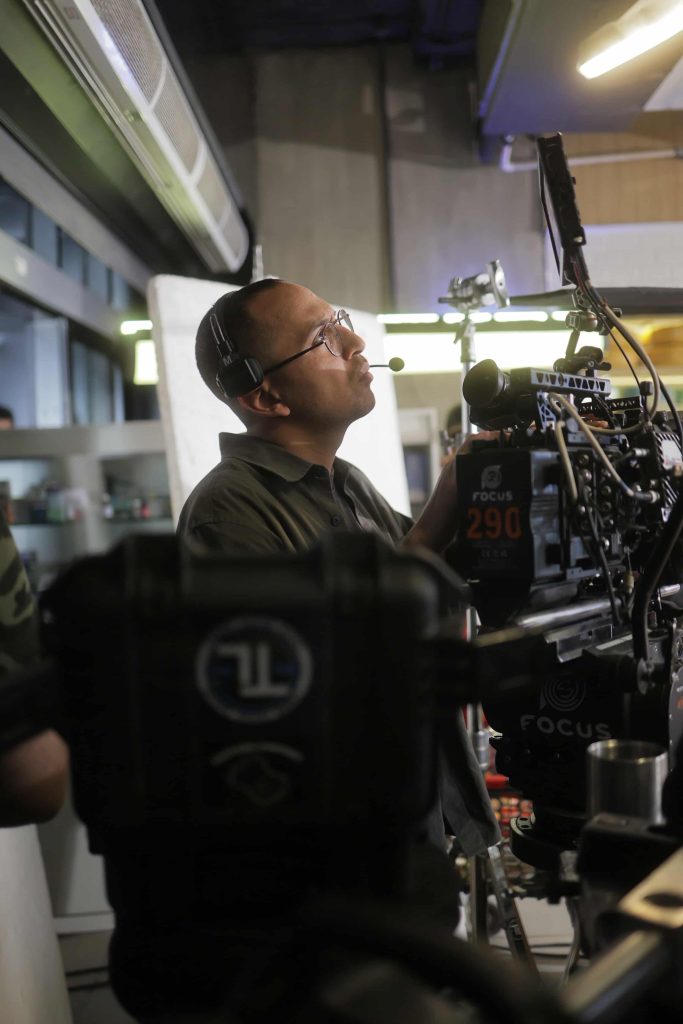
Creating a Visual Language
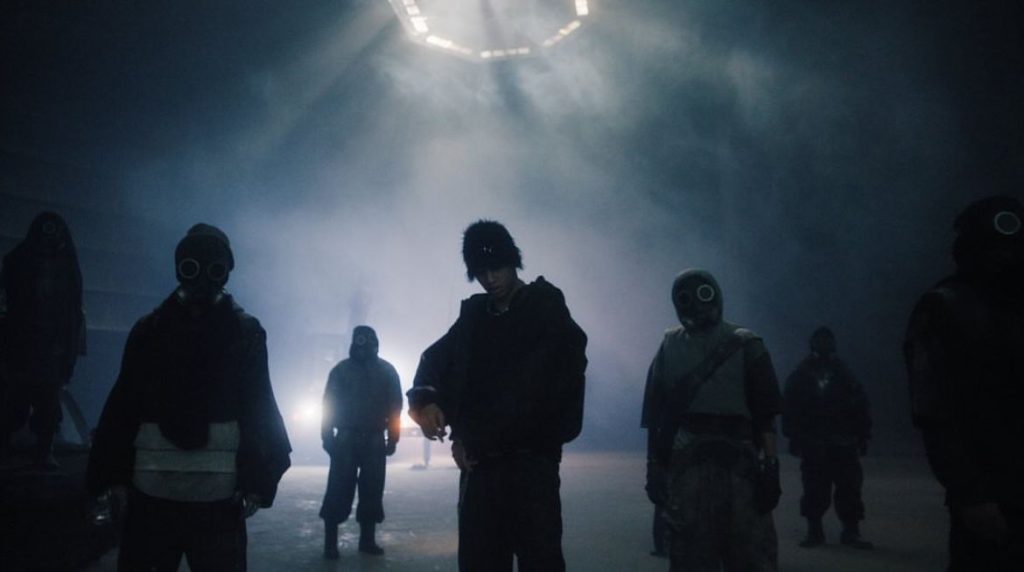
Today, Samy’s work spans projects with artists whose visual identities are deeply established, like Marwan Pablo, Ziad Zaza and Tul8te. So how do you create something original while preserving the artist’s world?
His answer is surprisingly simple: stop thinking about visual authorship as something fixed.
The artists he works with, he explains, already arrive with strong personalities and distinct energies. That identity becomes part of the visual language. From there, the process expands naturally through everyone involved.
“It comes initially from the song, of course, and how each director imagines it, art director’s input, mine as well…”
What interests him isn’t imposing a signature style onto every frame. Instead, he sees visual identity as something discovered collectively.
“I don’t think visual identity is something that’s built in a fixed or isolated way. It tends to evolve through collaboration.”
That same openness appears again in how he talks about his own process.
“The circumstances around a project shape my response as an artist, and that naturally becomes part of the final image.”
The Challenge of Shooting Feathers
Ask Samy about the most difficult project, and the answer comes quickly: Feathers.
Before shooting began, months were spent talking through the film with director Omar El Zohairy: scene by scene, location by location, testing ideas before cameras ever rolled.
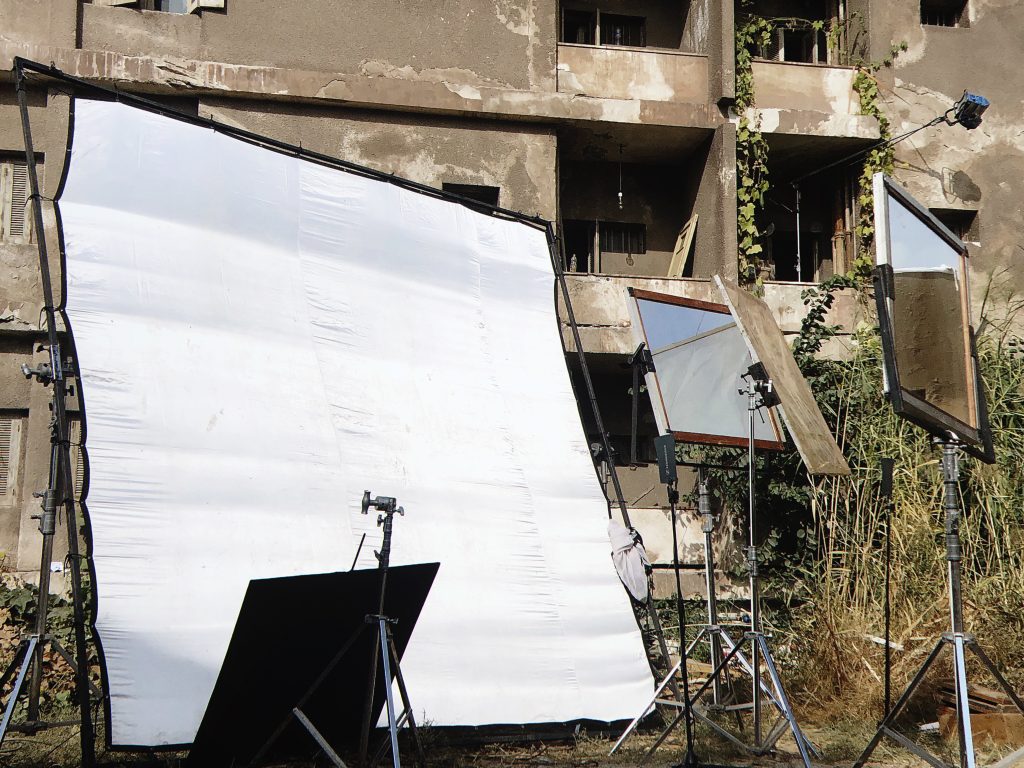
One major creative decision became one of the project’s biggest challenges. They chose to rely heavily on natural light for parts of the interiors. It was practical, budget-wise, but also aesthetic.
“To achieve that, the gaffer and I used large mirrors and ultra bounces to redirect sunlight into the interiors.”
Then reality stepped in.
On the first day of filming, during only the second scene, the weather shifted. Wind moved the mirrors. The reflected light inside the room kept changing. Months of preparation suddenly became a live problem to solve.
“I remember feeling like months of preparation were suddenly being tested in real time.”
The solution was to stop, adjust, experiment. Eventually they improved the rigging and introduced selective artificial light where needed. But the lesson stayed.
“Without going through the struggle with natural light and understanding those qualities through observation and trial, I don’t think I would have been able to recreate or translate them later using artificial light…”
Sometimes the difficult version becomes the version worth keeping.
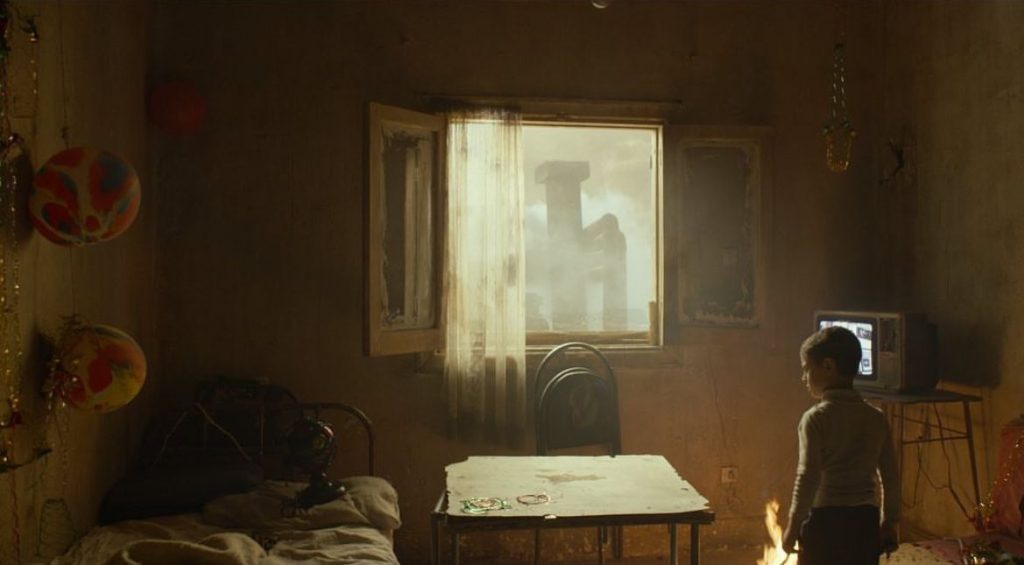
What Cannes Actually Meant
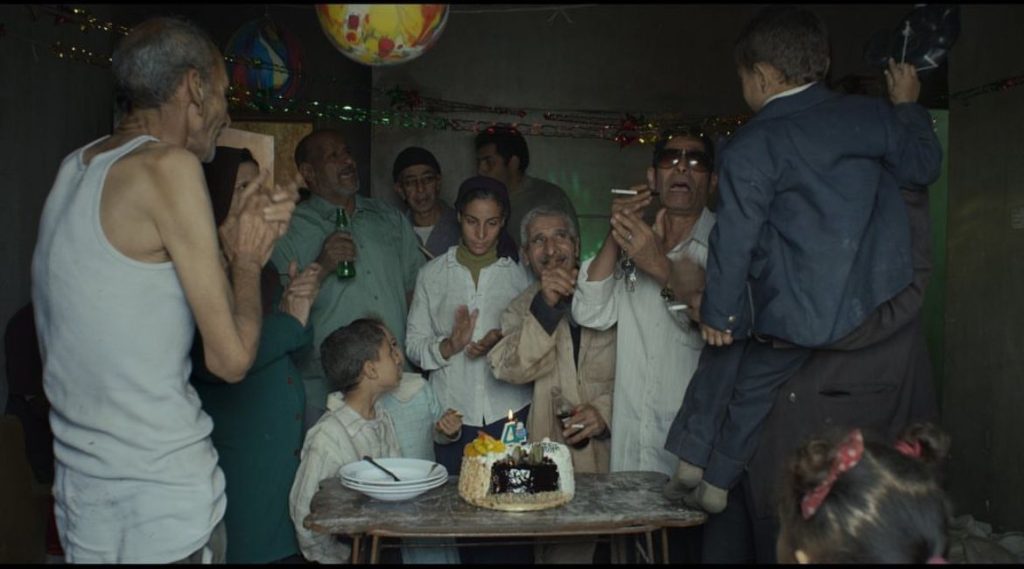
Having your first feature premiere at Cannes’ Semaine de la Critique sounds like the kind of moment people imagine changing everything.
“Of course, having my first feature film screened at Cannes’ Semaine de la Critique and receiving such prestigious awards was a meaningful form of recognition.”
But when Samy reflects on Feathers, the memory that stays isn’t the screening itself.
“The real reward… came from the process itself — spending that time with colleagues and people I trusted.”
The conversations, the challenges, and the shared problem-solving became more valuable than the destination.
If There Were No Limits
When asked where in the world he’d shoot if anything were possible, Samy’s answer isn’t tied to a dream location.
He’s drawn to stories that emerge from particular environments and ways of living, stories that live somewhere between reality and fiction, where ordinary details become part of the narrative itself.
And if there’s one unlimited resource he’d choose?
Time.
Time to observe. Time to prepare. Time to understand a world before turning it into images.
The Set Memory He Still Thinks About
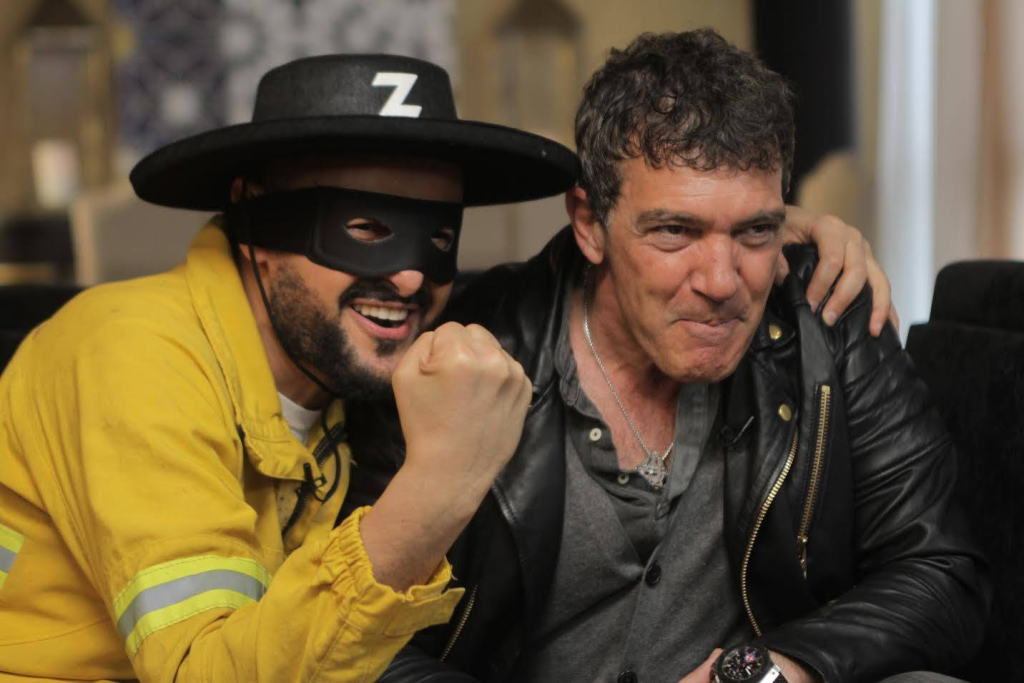
One of Samy’s earliest and favorite jobs was working on Ramez Galal shows during Ramadan, a run that lasted around five years and produced what he describes as plenty of strange memories.
But one still stands out. “I think shaking hands with Antonio Banderas at 24 or 25 years old was pretty weird.”
Looking Back
Talking to Kamal Samy, what stands out is a story about staying open. Open to change, collaboration, and letting the process shape the outcome.
From finding cinema unexpectedly to building images that feel true to the worlds they belong to, his work seems driven by the same instinct: observe closely, stay curious, and trust where the process leads.
WE SAID THIS: Don’t Miss…Do Travel Photography Techniques Differ from Everyday Photography Techniques?