



For years, Egyptian dramas gave us a very specific idea of what a stepmother looked like: the “evil” woman who favours her own children, makes life difficult for her stepchildren, and somehow always has a plan to ruin the family. But thankfully, that storyline is slowly becoming a thing of the past.
Lately, Egyptian dramas have been introducing stepmother characters who feel a lot more human — women who genuinely care for their stepchildren, listen to them, protect them and, in some cases, become the person they turn to when things get tough. Because apparently, being a stepmother doesn’t automatically come with a villain soundtrack.
Here are a few Egyptian drama characters who are breaking the old stereotype and showing that a second marriage can actually bring more love, support and family than anyone expected.
Soheir — Beng Kolli
In Beng Kolli, Soheir is Duaa’s stepmother, but their relationship feels much more like that of two close friends than the stereotypical “stepmother vs. stepdaughter” dynamic.
After Duaa’s parents’ divorce, she finds comfort in talking to Soheir, who is always willing to hear her out and encourage her to be herself. Whether Duaa needs advice, support or simply someone to listen, Soheir is there for her — even when that means taking Duaa’s side against her own father.
Rather than trying to control Duaa or compete with her biological mother, Soheir gives her space to grow while making sure she knows she has someone in her corner. She proves that a second marriage doesn’t necessarily mean adding another source of conflict to the family. Sometimes, it means gaining a new confidante.

Laila — Kamel El Adad
When Laila marries Ahmed in Kamel El Adad, she isn’t exactly signing up for a quiet family life. She already has children of her own, and suddenly her family expands to include Ahmed’s children from his previous marriage.
With toddlers running around and teenagers dealing with their own drama, Laila somehow finds herself juggling every possible stage of parenting at once. Yet instead of treating Ahmed’s children as separate from her own, she makes an effort to make them feel equally loved, heard and appreciated.
What makes Laila’s character stand out is that she doesn’t have to choose between being a mother to her own children and being a stepmother to Ahmed’s. She simply becomes part of a bigger, messier and louder family and embraces it.
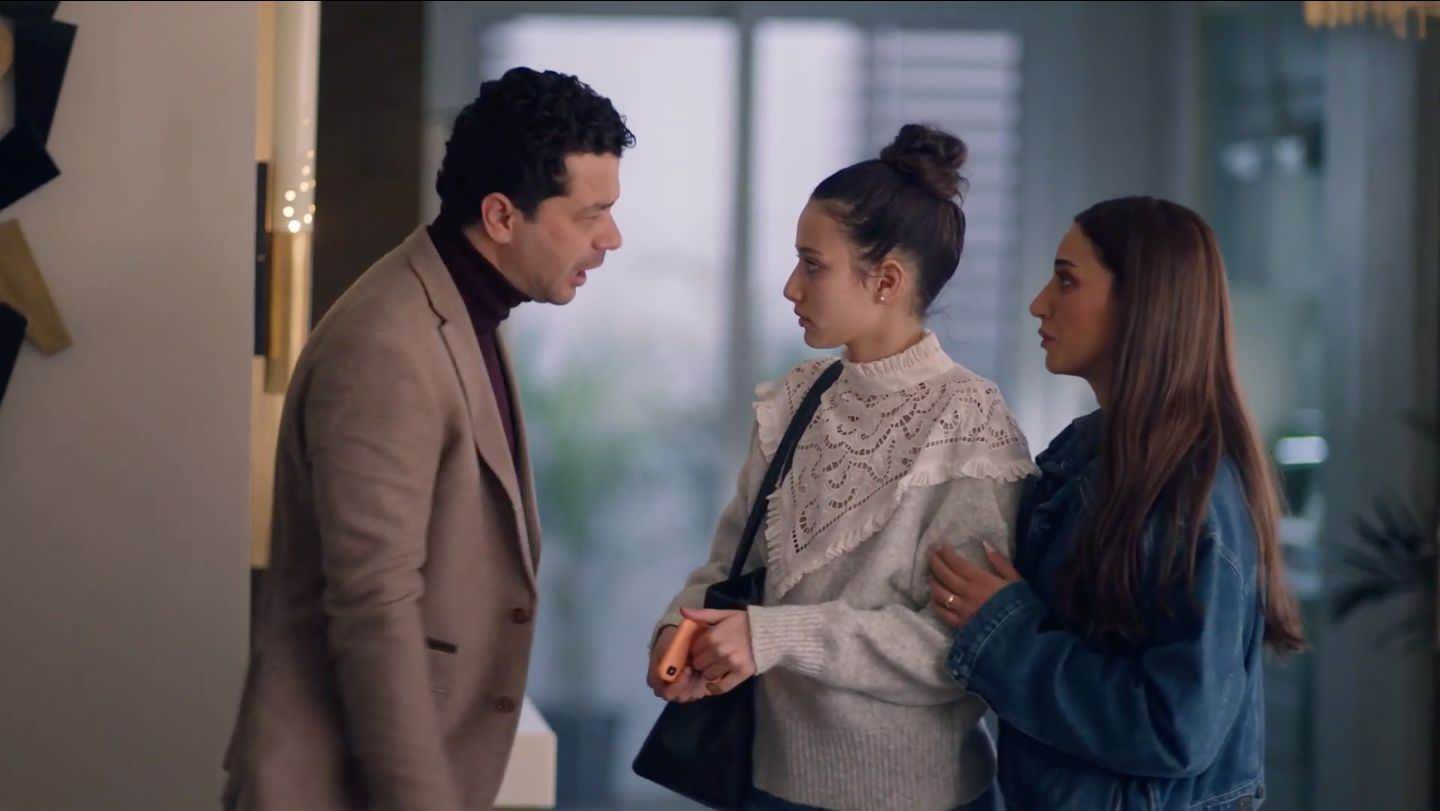
Nelly — Lam Shamsiya
Nelly’s relationship with Youssef in Lam Shamsiya is another example of a stepmother bond that goes far beyond the usual stereotype.
Married to Tarek, Nelly takes care of Youssef, his son from a previous marriage, and her actions throughout the series make it easy to forget that they aren’t biologically related. She is deeply attentive to him, quick to step in when he needs help and constantly concerned about his wellbeing.
Nelly is also one of the first to notice that something is wrong with Wissam’s behaviour, and much of her concern revolves around protecting Youssef’s mental and emotional wellbeing.
Her character shows that being a parent isn’t always about biology. Sometimes, it is about who notices when something is wrong, who listens and, most importantly, who shows up.

Mohga — Alby W Moftaho
In Alby W Moftaho, Mohga’s marriage to Shenawy may not exactly begin under the most traditional circumstances, but her relationship with his daughters quickly proves that she is anything but the troublemaking stepmother Egyptian dramas once loved to portray.
Despite becoming a part of their lives unexpectedly, Mohga’s kind-hearted nature allows her to build a warm relationship with Shenawy’s daughters. Instead of creating tension between them and their father, she becomes another source of care and support.
Mohga is a reminder that not every second marriage has to come with family chaos. Sometimes, the new person entering the family can actually make the family feel a little more complete.

Amina — A’elat El Hag Metwaly
Even though Saad wasn’t her biological son, Amina loved and cared for him as if he were her own, making the lack of a blood connection feel almost irrelevant. She was always there to listen, support him and make his life a little easier, proving that a stepmother can become a genuine source of comfort and love. Amina reminded us that motherhood isn’t always about DNA.

A New Kind of Stepmother
These characters may come from very different stories, but they all have one thing in common: they are helping Egyptian dramas move away from the idea that a stepmother automatically equals trouble.
And honestly, after years of watching stepmothers get blamed for every family problem, it’s refreshing to finally see them get a little more love and a lot less villain treatment.
We Said This: Don’t Miss… Egyptian TV Moms Who Stole Our Hearts With Every Scene