


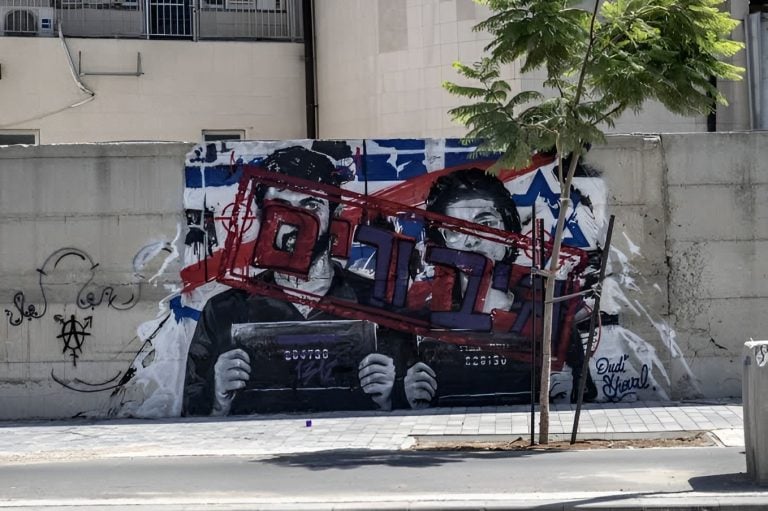
Israeli Prime Minister Benjamin Netanyahu is targeting the people behind NAZA, an investigative documentary examining Israel’s military operations in Gaza. He has ordered senior legal and security officials to identify the soldiers and intelligence officers interviewed in the film and pursue criminal prosecutions, accusing them of harming Israel’s security and diplomatic interests.
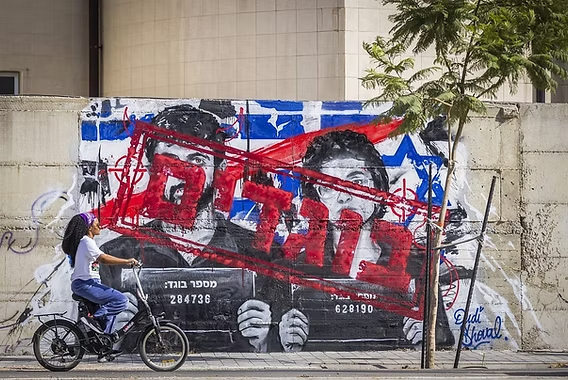
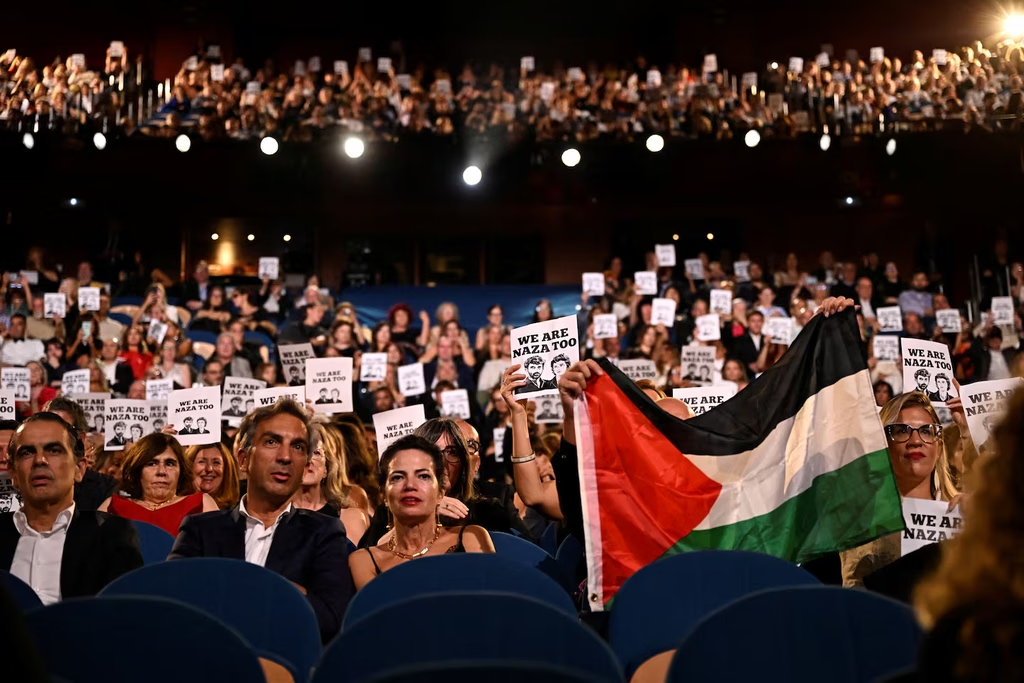
The move adds another layer to the Israeli backlash against the award-winning documentary, whose filmmakers have already faced threats and accusations of treason from Israeli officials and government supporters.
Netanyahu Calls for Criminal Investigation
In a letter to Israel’s attorney general, military chief of staff and Shin Bet director, Netanyahu called for an urgent investigation into the film’s participants. He wants authorities to reveal the identities of those involved and examine potential offences involving classified information, criminal defamation and damage to Israel’s national interests.
But prosecution is not guaranteed. Israel’s military advocate general has said criminal charges would require evidence of security violations or the disclosure of classified material, although disciplinary action remains possible.
What Does NAZA Reveal?
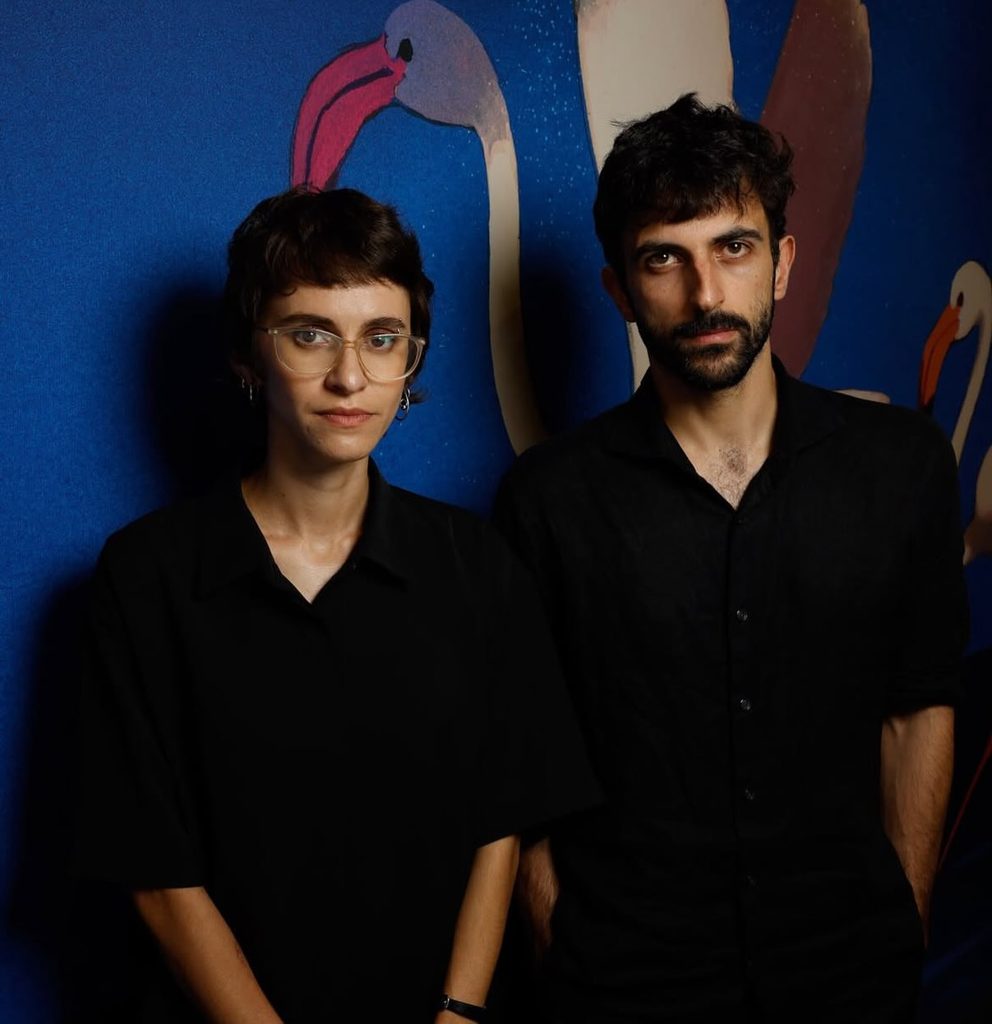
Directed by Oscar-winning filmmakers Yuval Abraham and Rachel Szor and produced by the Guardian, NAZA features 24 Israeli military personnel and whistleblowers discussing how targets are selected in Gaza, including the use of AI-powered systems and automated surveillance.
Their testimonies raise serious questions about strikes carried out despite the military’s awareness that civilians are present. The film takes its name from an acronym reportedly used within Israeli intelligence to estimate how many civilians are expected to be killed in an airstrike.
The Interviewees’ Identities Were Hidden for a Reason
The 24 soldiers, intelligence officers and whistleblowers featured in NAZA had their faces and voices digitally altered to protect their identities. Netanyahu’s demand to uncover who they are raises concerns about the potential consequences for those who spoke to the filmmakers, as well as the protection of confidential journalistic sources.
Protecting sources is a fundamental principle of investigative journalism, particularly when insiders share information about wrongdoing within their own institutions.
How NAZA Verified Its Sources
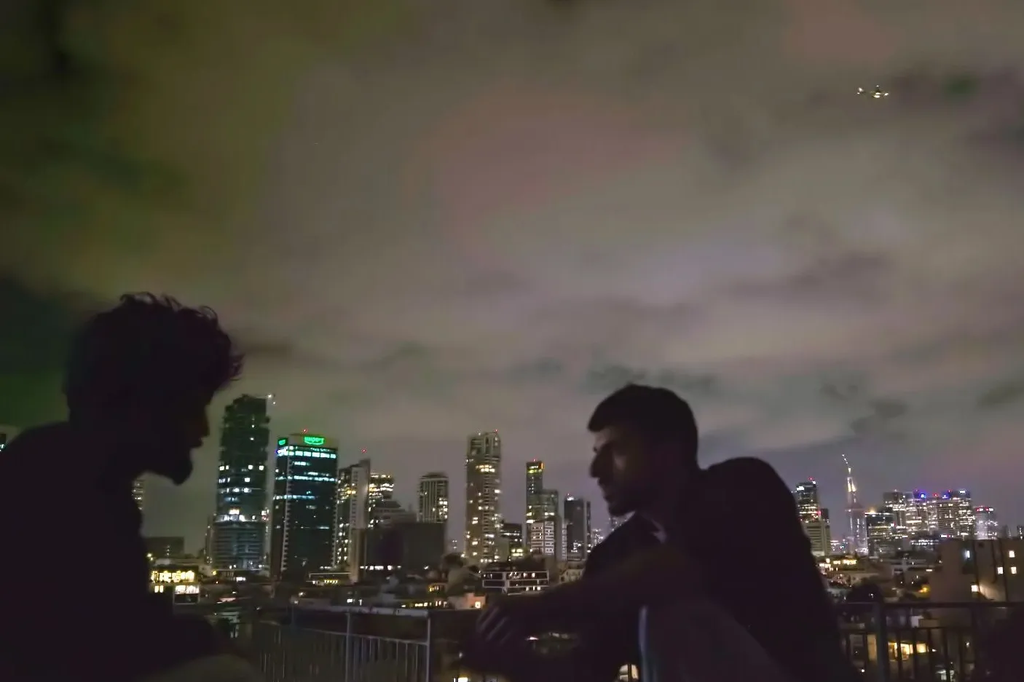
The Guardian has stood by the film’s reporting, saying its team spent three years interviewing more than 100 sources familiar with Israel’s military operations in Gaza. Their testimonies were cross-checked against leaked classified documents, evidence from specific airstrikes and information from additional confidential sources.
The newspaper has criticised the government’s latest move, arguing that targeting the filmmakers’ sources is meant to distract from the documentary’s central questions about the killing of Palestinian civilians.
A Bigger Fight Over Press Freedom
Press freedom advocates have condemned the effort to identify the interviewees, warning that pursuing confidential sources could intimidate people who speak out in the public interest.
Netanyahu’s demand does not automatically mean criminal charges will follow. But the controversy is shifting the focus beyond what NAZA reveals about Israel’s war in Gaza to the people who helped bring those accounts to light and the potential cost of speaking out.

We Said this: Don’t Miss… Israel’s Culture Minister Threatens to Strip NAZA Directors of Citizenship