


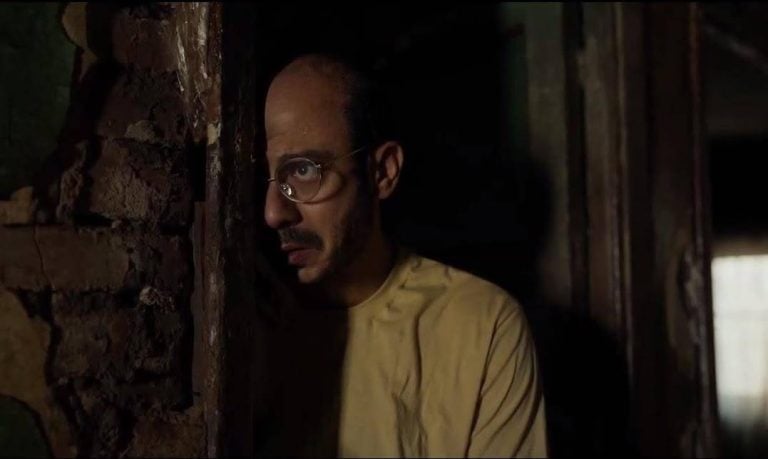
I’ve been waiting two years to watch this.
Last weekend, the first story of Magdy El Hawary’s Al Qessa El Kamla finally dropped on Shahid, and, as expected, it shook the internet.
Inspired by Sameh Sanad’s famous online series of the same name, which tells the real stories behind some of the biggest crimes in Egyptian history, Al Qessa El Kamla was always going to be an interesting experiment: how do you take stories we’ve heard online, stories that actually happened, and turn them into drama?
And I went into the first story, Le’bet Gohannam, with absolute scrutiny. Three episodes. One sitting. Mohamed Farag, Omar Rozeik, Monzer Mahran, and Randa Ibrahim, directed by Islam Khairy and written by Nagla El Hedeny.
We’ve seen Mohamed Farag play sick, disturbed characters before. We know he can do it, and the case itself was massive: a 2024 crime that shook Egypt and brought the dark web and the disturbing things happening behind it into the public eye. So a lot was riding on these three episodes.
Anyway, I pressed play, and I ended up watching all three almost out of breath. I kept stopping every now and then just to take a break. Not because I couldn’t handle the gore – there isn’t even that much of it – but because of the psychological toll this thing puts on you.
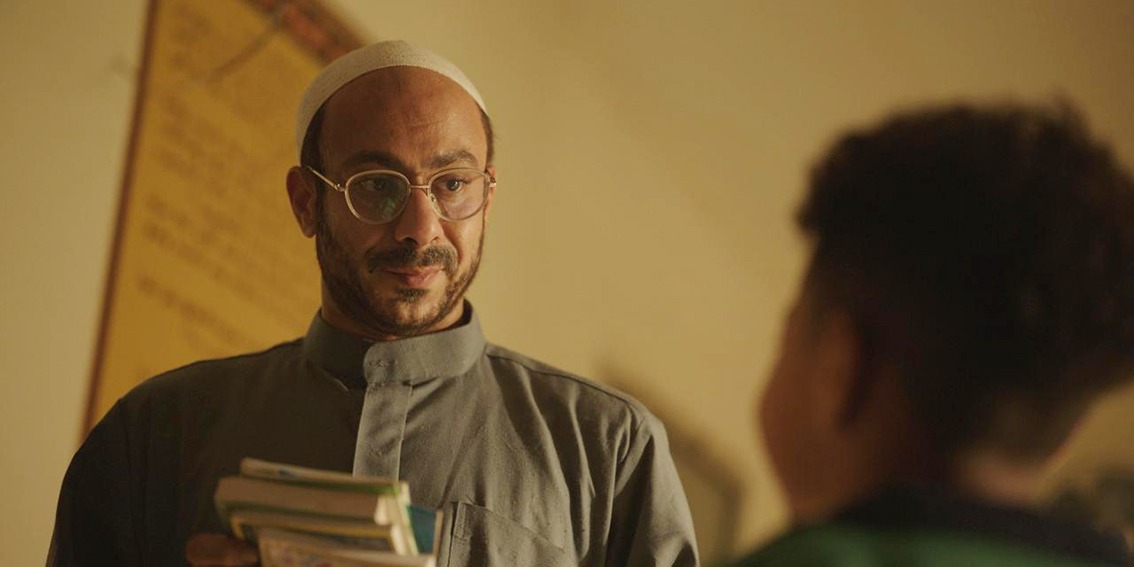
It gets under your skin, especially because we’re not Netflix. We don’t have a new true-crime documentary every other weekend about some serial killer in the suburbs of North Carolina. When you watch those stories, there’s usually a comfortable distance: this happened somewhere else to someone else in another world.
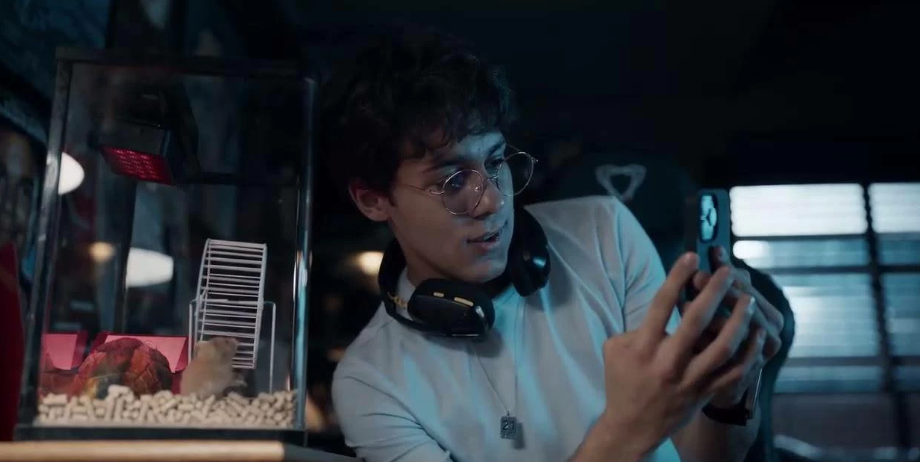
But Egyptian true crime doesn’t give you that luxury. When stories like Ward w Chocolata, Saaeto w Tareekho, Safah El Giza, or now Le’bet Gohannam make it onto our screens, it feels different. Because these aren’t just crime stories we’re consuming. They’re stories we’ve heard about. Places we recognize. A reality that feels much closer to home. Suddenly, something that was once a headline, a podcast, or a Sameh Sanad episode is sitting right in front of you, being acted out by people you know. That makes it hit harder.
And Le’bet Gohannam really got under my skin. Here’s why.
When the Real Battle Is Inside Your Head
You find yourself watching a battle on screen. Not just a physical one, but a psychological one. Alaa, played by the one and only Mohammed Farag, is fighting his own inner demons, while high schooler Selim, played by Omar Rozeik, slowly figures out exactly where to hit and how to break him. His fears. His weaknesses. His trauma. And the scariest part? You’re watching someone get inside his head in real time.

There’s something particularly disturbing about watching a character lose control of his own mind while someone else is pulling the strings. You’re sitting there thinking: “No. Don’t do that. Don’t fall for it. And he does.” And you’re just watching the whole thing unfold. The guy is a filthy killer indeed, yet he’s obviously in conflict.
That Look in His Eyes…
The eyes, chico. They never lie.
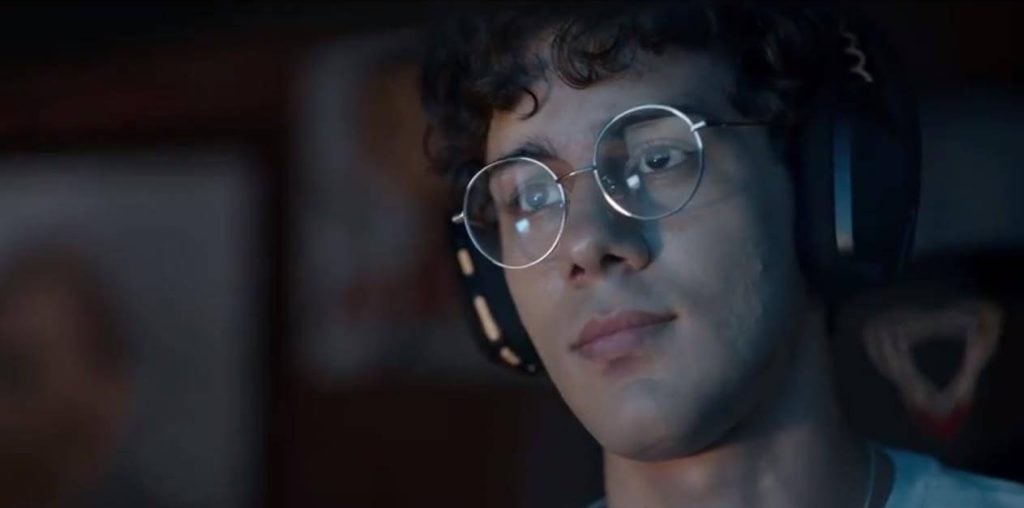
Omar Rozeik’s portrayal of the killer? Chilling. Absolutely chilling. It’s not even just what he does. It’s the way he looks while doing it. The way he enjoys the torture. That little spark in his eyes. That look that basically says, “I’m actually having fun.” You don’t just watch it. You feel it.
It sends this horrible feeling straight into your bones because you are witnessing someone take genuine pleasure in another person’s suffering. That was terrifying if you ask me.
I Really Didn’t Need to See That Cat
Animal torture on screen, and in real life, obviously, is just…no. Yes, there was a disclaimer, but seeing Meshmesha the cat, the rabbit… it still hurts. It was handled with a certain delicacy, and I appreciate that. But that doesn’t make it easy to absorb.
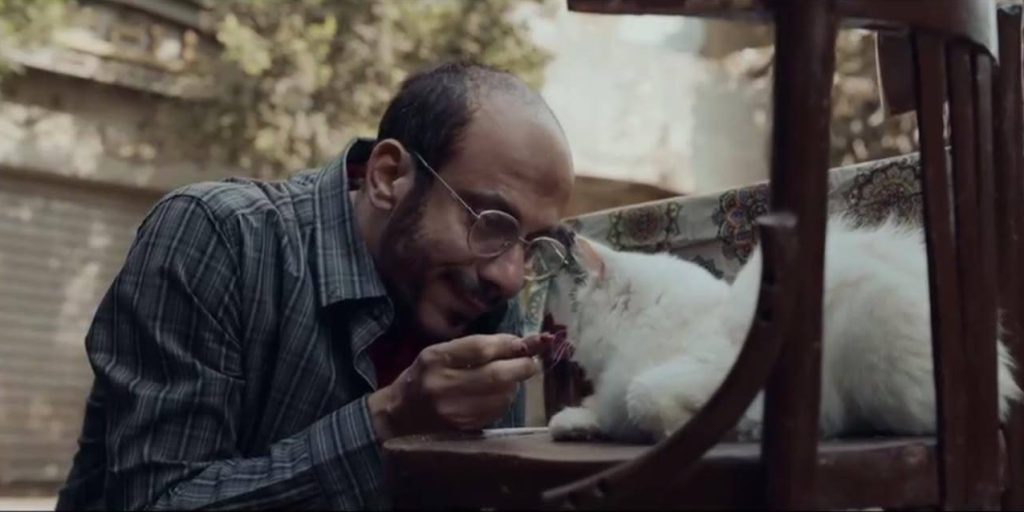
There are certain things I simply do not need to see on my screen. And Meshmesha was one of them.
The Kind of Betrayal You Actually Feel
Betrayal is weird. You can literally feel it in your body. Hassan, played by the young actor Monzer Mahran, genuinely trusted Alaa. He saw him as his savior. The smile. The laughter. That little sense of safety. And then…gone. Taken away from him in the sickest way possible.
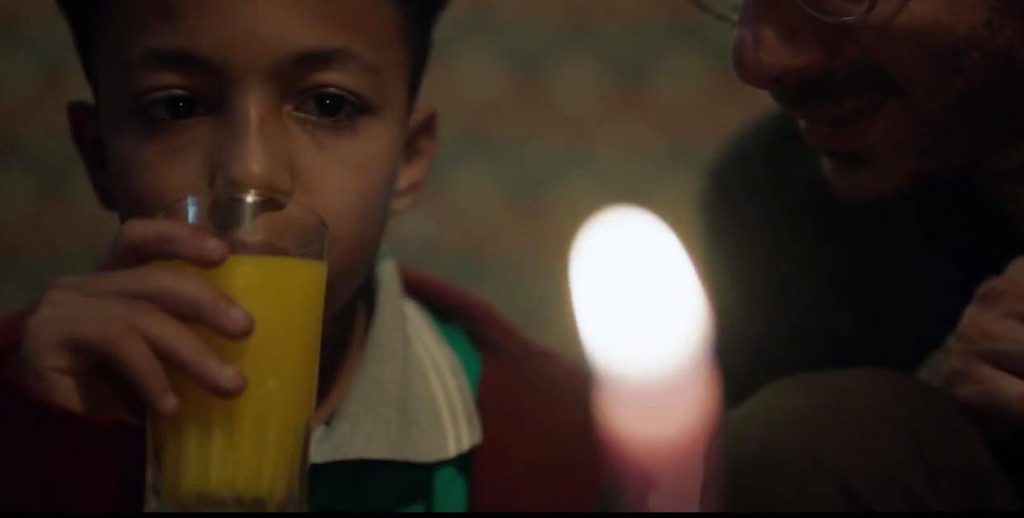
But what makes it hurt even more is that Hassan is just a little innocent kid who wanted a pair of shoes. That was his dream, not power, money, revenge, just a pair of shoes. That makes everything so much heavier.
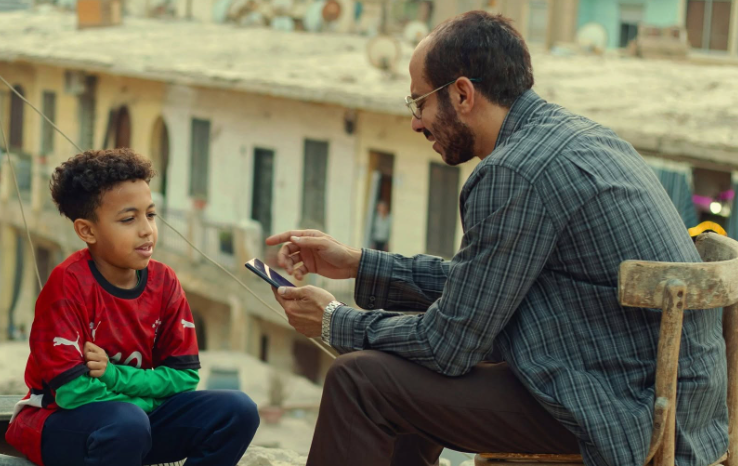
You’re watching someone take this tiny little bit of hope that this child has and completely destroy it. He trusted someone. He thought he had found someone who would save him. Instead, that trust became the very thing used against him. That one stayed with me.
Maybe This Is Where It All Begins
Now, I know what you’re thinking. Here we go again. Another evil character with childhood trauma explaining why they turned out this way. It can feel a little cliché (it is cliché). But let’s face it: sometimes, that really is where the spark starts.
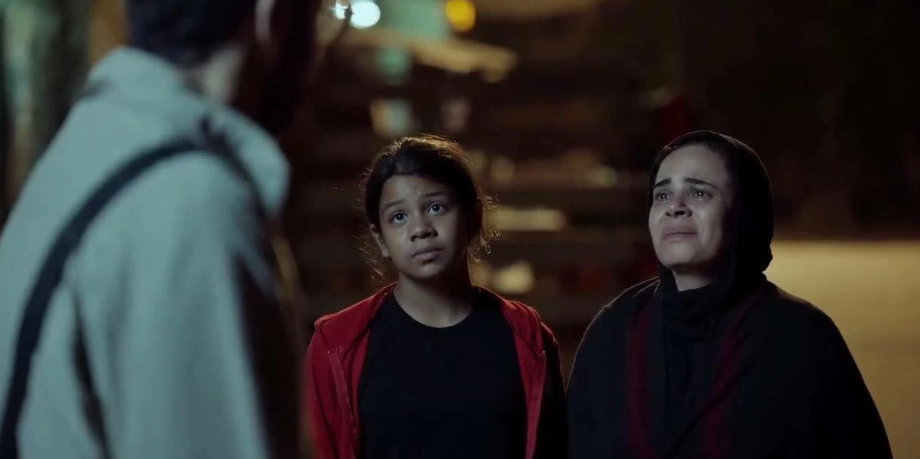
What happens to you isn’t necessarily what you become. But it can leave something behind. A wound. A fear. A need. A darkness. And eventually, you become responsible for what you choose to do with it.
Because the Horror Felt a Little Too Human
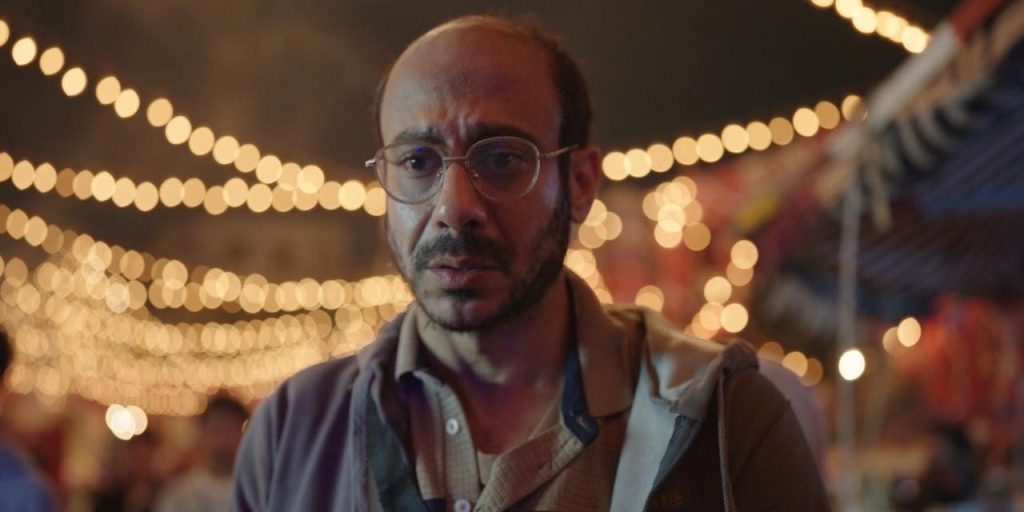
And THAT is why Le’bet Gohannam was so hard to watch. Not because it’s just dark, not because it’s just violent, and not even because of what happens. Because underneath all that horror are very human things: fear, loneliness, trust, betrayal, childhood wounds, and the desperate need for someone to save you. And suddenly, you’re not just watching a horror story. You’re watching people. And that’s the uncomfortable part. Because monsters are easy to watch. You can tell yourself, That’s a monster. I’m nothing like that. But Le’bet Gohannam doesn’t really give you that comfort. It shows you how very human things can be twisted into something horrifying.
There’s also the fact that it actually happened to real people. People we know and places we’ve been. A story that first hit you as a headline in the news, then again through Sanad’s online series, and now, somehow, you’re watching it unfold all over again in a drama. Maybe that’s what makes it so unsettling. Eventually, you realize you’re not watching some distant horror story. You’re watching life. Perhaps that’s just life? I don’t know. But I do know one thing: I am absolutely not ready for the next story in this series.
WE SAID THIS: Don’t Miss…10 Egyptian Crime Series for When You Need a Little Murder Mystery