



As Chinese President Xi Jinping arrives in Washington for his first state visit to the US in more than a decade, his meeting with President Donald Trump comes with plenty on the agenda, from trade and AI to Taiwan and the ongoing war involving the US and Iran.
But beyond the official talks, China’s relationship with Iran is another major point of attention. Beijing has remained one of Tehran’s most important economic partners throughout the conflict, while continuing to call for negotiations and an end to the fighting.
Here’s a look at China’s recent support for Iran, and what it could mean as Xi and Trump meet.
China remains Iran’s top oil customer
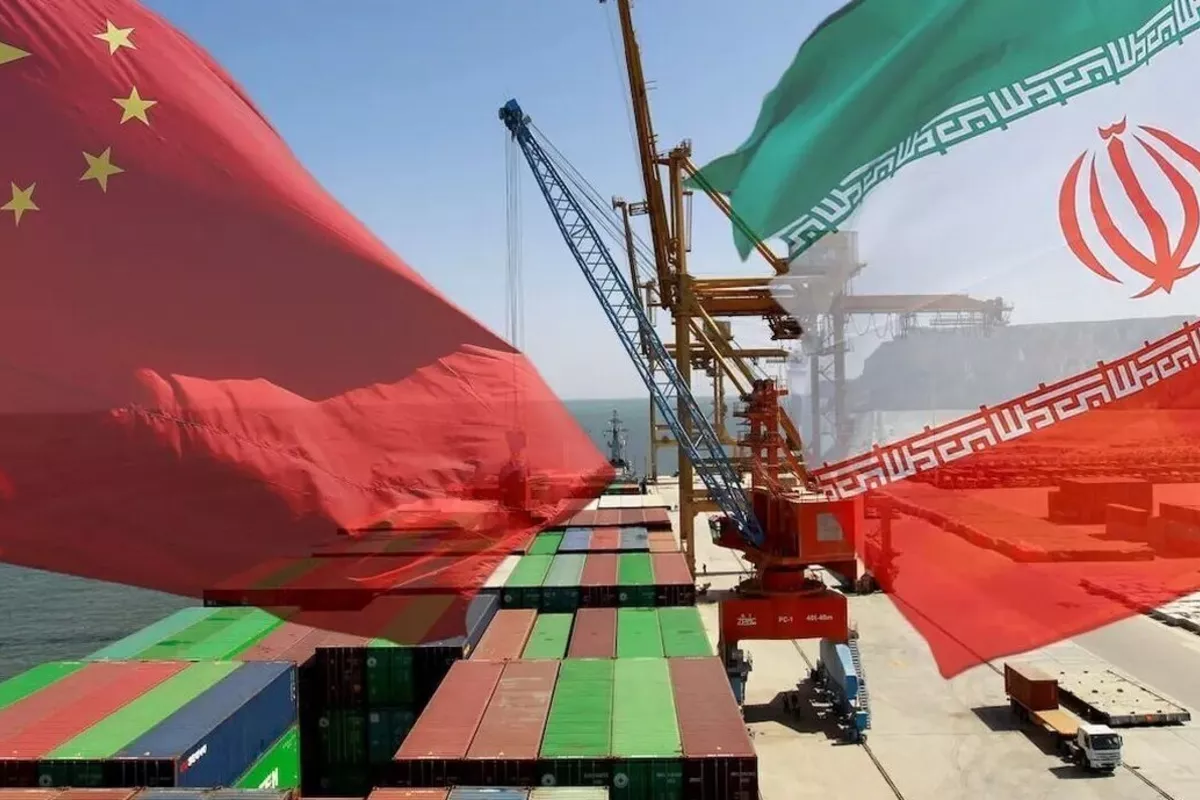
China has remained Iran’s biggest customer for oil, providing Tehran with a crucial source of revenue despite sweeping US sanctions.
Reuters reported in September that Iran has been using a barter-style system to exchange oil for Chinese goods, including medicine, vehicles, communication equipment and other products. The system allows trade to continue while reducing reliance on traditional banking channels.
The US has been trying to disrupt these economic links through its latest sanctions campaign, Operation Economic Outcast, announced in August. The campaign specifically targets networks involved in Iranian oil sales and sanctions evasion.
Chinese companies have supplied Iran with dual-use components
A Wall Street Journal investigation based on Iranian customs records found that Chinese entities sent around 1,300 shipments of dual-use components to Iran’s Defense Ministry during the first six months of 2026.
The shipments reportedly included components that can be used in drones and missile systems, including GPS equipment, electric motors and aircraft-engine parts. The records cover thousands of shipments to Iran’s defense sector and Iranian companies between January 2025 and June 2026.
One shipment reportedly arrived in Iran on June 17, the same day Washington and Tehran agreed to a temporary ceasefire, while China was publicly promoting its diplomatic efforts to end the fighting.

Satellite imagery has also raised questions
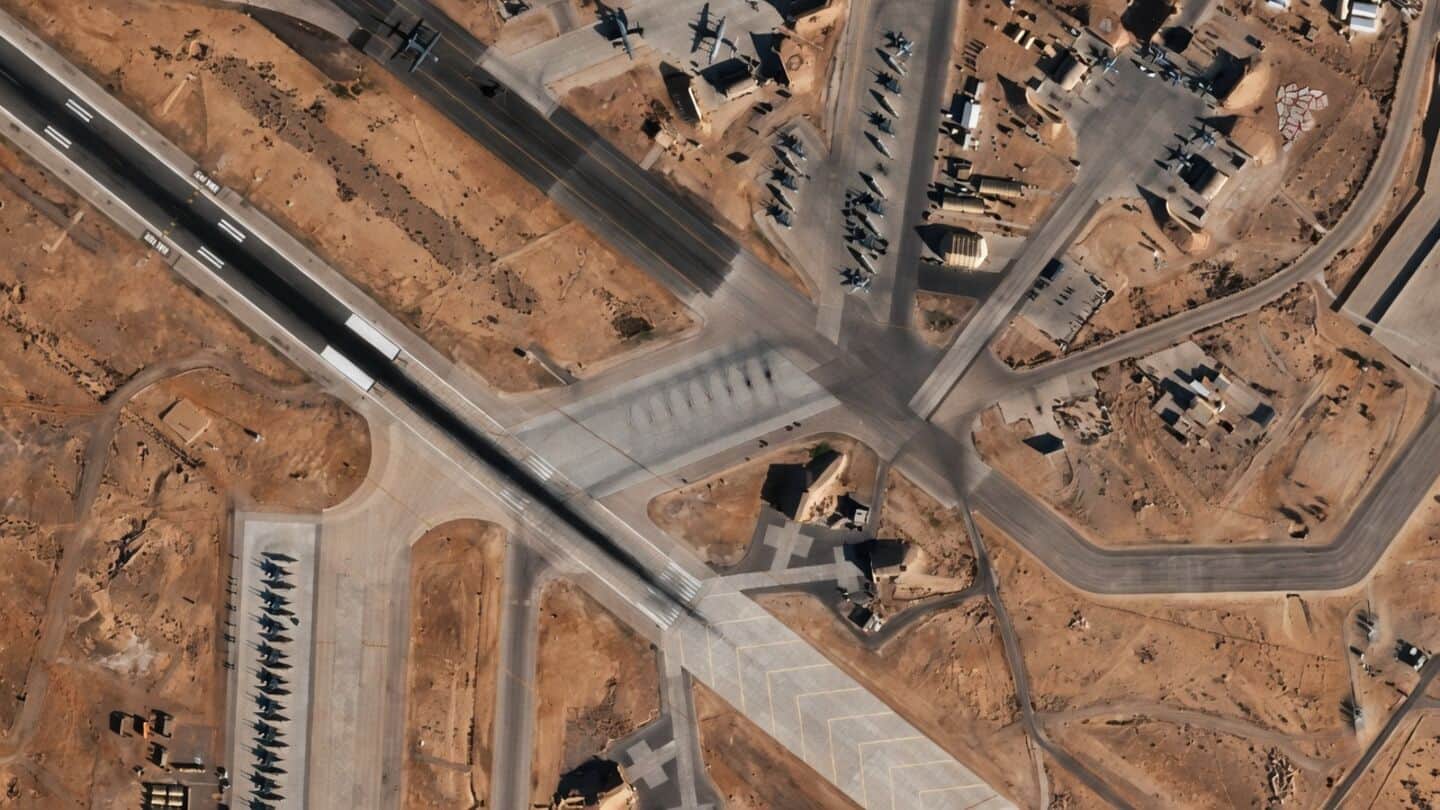
US officials told The Wall Street Journal that Iran obtained high-resolution satellite imagery from Chinese entities before a July missile attack on Muwaffaq Salti Air Base in Jordan that killed three US service members.
The officials did not accuse the Chinese government itself of supplying the imagery. Beijing has denied wrongdoing and said cooperation with Iran complies with international law.
The reports have nevertheless increased scrutiny of the role of Chinese companies and technology in Iran’s military capabilities ahead of the Trump–Xi summit.
China is keeping air links with Iran open
While Iranian airlines have faced growing restrictions elsewhere, direct air links between China and Iran remain available.
China’s foreign ministry maintains a list of direct routes between the two countries, including Mahan Air services connecting Tehran with Beijing, Shanghai, Guangzhou and Shenzhen.
While China has kept direct flights with Iran operational, several countries, including the UAE, Iraq, Oman, Qatar, and Turkey, have suspended or restricted some Iranian airline services following tighter US sanctions on Iran’s aviation sector.
China and Russia have continued to accommodate Iranian flights as other countries tighten restrictions.
Beijing has also pushed for diplomacy
China’s relationship with Tehran has not been limited to economic ties.
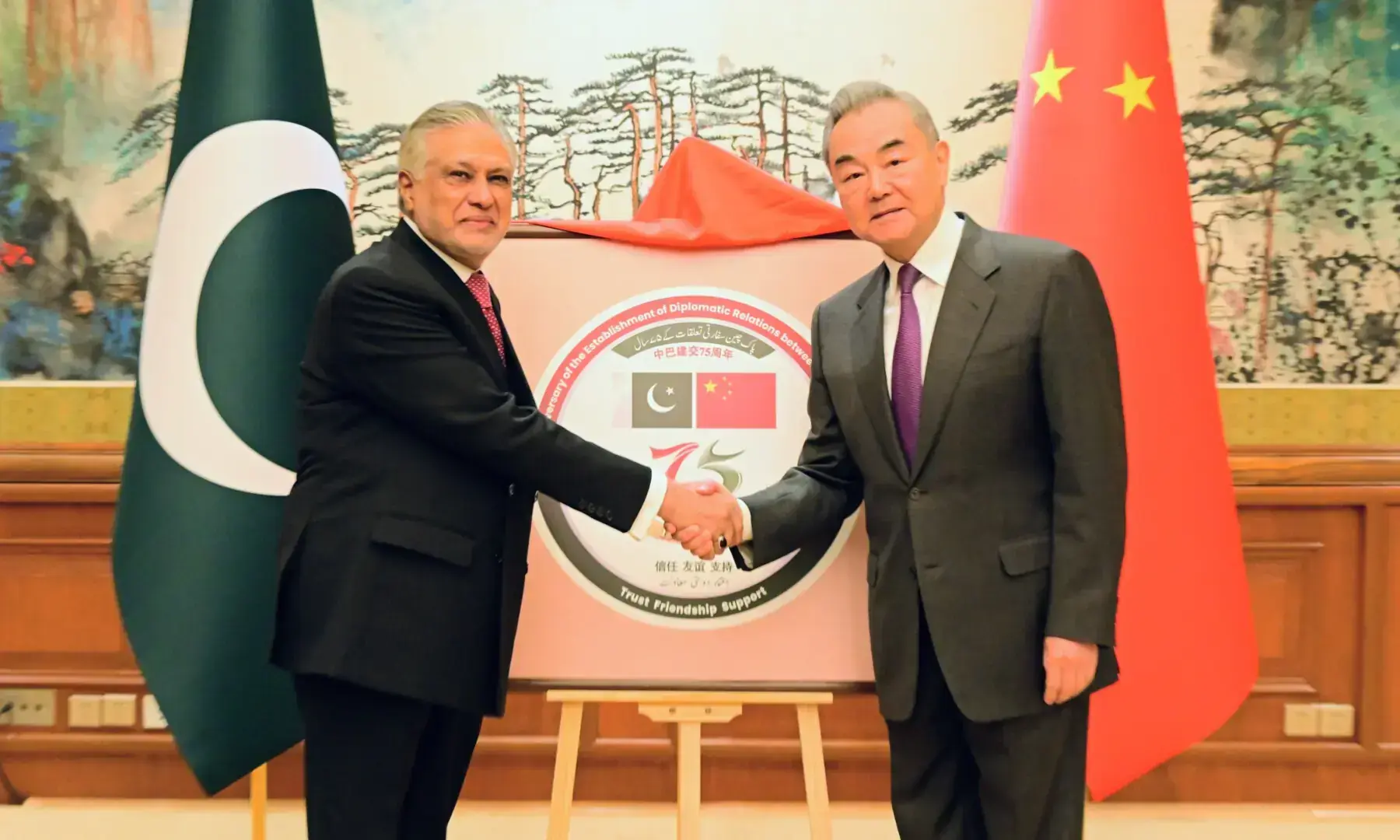
Chinese Foreign Minister Wang Yi has repeatedly called for negotiations between Iran and the US and has presented Beijing as a supporter of diplomatic efforts to de-escalate the conflict. In July, China said it would continue supporting Pakistan’s mediation efforts between Washington and Tehran.
So, what could Xi’s meeting with Trump mean for China-Iran ties?
Xi’s Washington visit comes at a particularly sensitive moment. Trump and Xi are expected to discuss trade, AI, Taiwan, and the Iran war, while Washington has been increasingly focused on China’s economic and technological links with Tehran.
The meeting does not necessarily mean a change in China’s relationship with Iran. Beijing has continued to maintain economic ties with Tehran while simultaneously calling for an end to the conflict.
What happens next could depend on how far Washington pushes Beijing to restrict those ties, and how much China is willing to adjust its relationship with Iran while trying to stabilize its own relationship with the US.
We Said This: Don’t Miss… How China Is Playing a Key Role in the US–Iran Crisis