


The Middle East isn’t just home to some of the world’s oldest civilizations; it’s also one of Hollywood’s favorite backdrops. From ancient temples and desert fortresses to vast sand dunes and iconic monuments, the region’s historic landmarks have doubled as alien planets, mythical kingdoms, and action-packed adventure settings in some of cinema’s biggest films. Here’s a look at the real-life destinations that stole the spotlight on the big screen.
Médenine, Tunisia
Star Wars: Episode I – The Phantom Menace (1999)
Long before CGI ruled the galaxy, southern Tunisia became the original home of Luke Skywalker. The historic ksour (fortified granaries) around Médenine and nearby villages were transformed into the desert planet Tatooine across the Star Wars saga, including Star Wars: Episode I – The Phantom Menace (1999). Several scenes featuring Anakin Skywalker’s hometown were filmed here, and many of the sets remain standing today, making the area a bucket-list destination for fans.

The Pyramids of Giza, Egypt
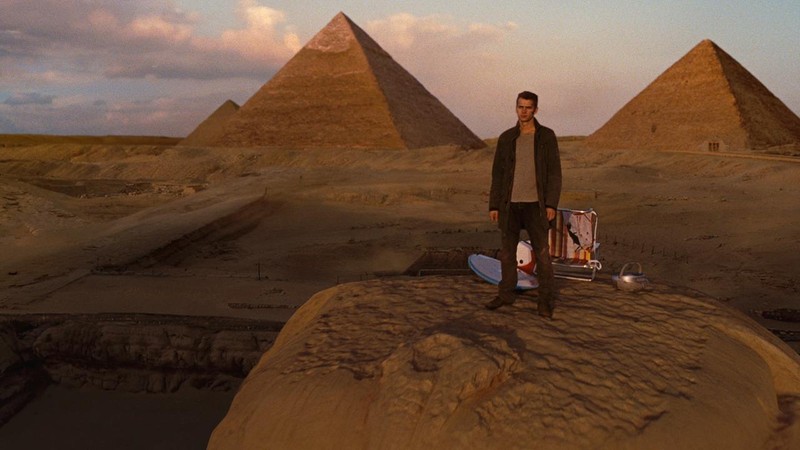
The Spy Who Loved Me (1977) & Jumper (2008)
Few landmarks are as instantly recognizable as the Pyramids of Giza, so it’s no surprise they’ve appeared in multiple Hollywood productions.
In The Spy Who Loved Me (1977), James Bond races through Egypt’s ancient landscapes during one of the film’s most memorable sequences, with the pyramids serving as a dramatic backdrop.
Years later, Jumper (2008) brought a supernatural twist to the site. Hayden Christensen’s teleporting protagonist appears atop the Great Pyramid in one of the movie’s most visually striking moments, turning one of the world’s oldest monuments into the setting for a modern sci-fi thriller.
Liwa Desert, Abu Dhabi, UAE
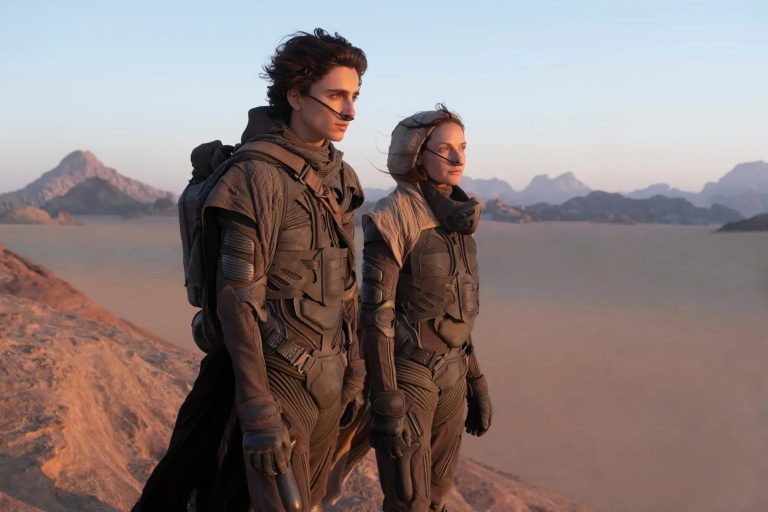
Dune (2021) & Dune: Part Two (2024)
The towering dunes of Abu Dhabi’s Liwa Desert proved to be the perfect stand-in for Arrakis, the harsh desert planet in Dune (2021) and Dune: Part Two (2024). Director Denis Villeneuve used the endless golden landscape to capture the planet’s immense scale, filming sweeping desert scenes featuring Paul Atreides, the Fremen, and the iconic sandworm-filled environment. The untouched scenery required surprisingly little visual enhancement.

Petra, Jordan
Indiana Jones and the Last Crusade (1989) & Transformers: Revenge of the Fallen (2009)
Jordan’s ancient city of Petra has delivered one of cinema’s most unforgettable reveals.
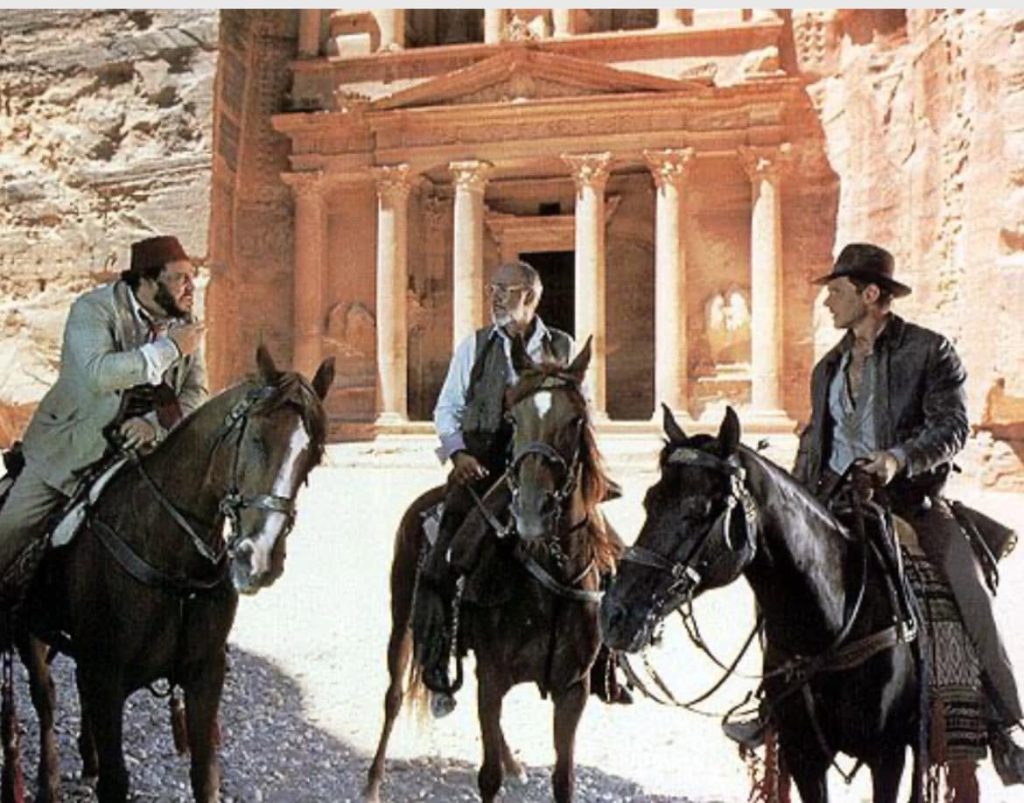
In Indiana Jones and the Last Crusade (1989), Petra’s famous Al-Khazneh (The Treasury) serves as the entrance to the legendary Temple of the Sun, where Indiana Jones searches for the Holy Grail in the film’s climactic finale.
Two decades later, Transformers: Revenge of the Fallen (2009) returned to Petra, using the archaeological site as the setting for scenes tied to the ancient origins of the Transformers mythology, blending the city’s real history with science fiction.

Wadi Rum, Jordan
The Martian (2015) & Star Wars: The Rise of Skywalker (2019)
With its dramatic sandstone mountains and red sand, Wadi Rum has become one of the world’s most sought-after desert filming locations.
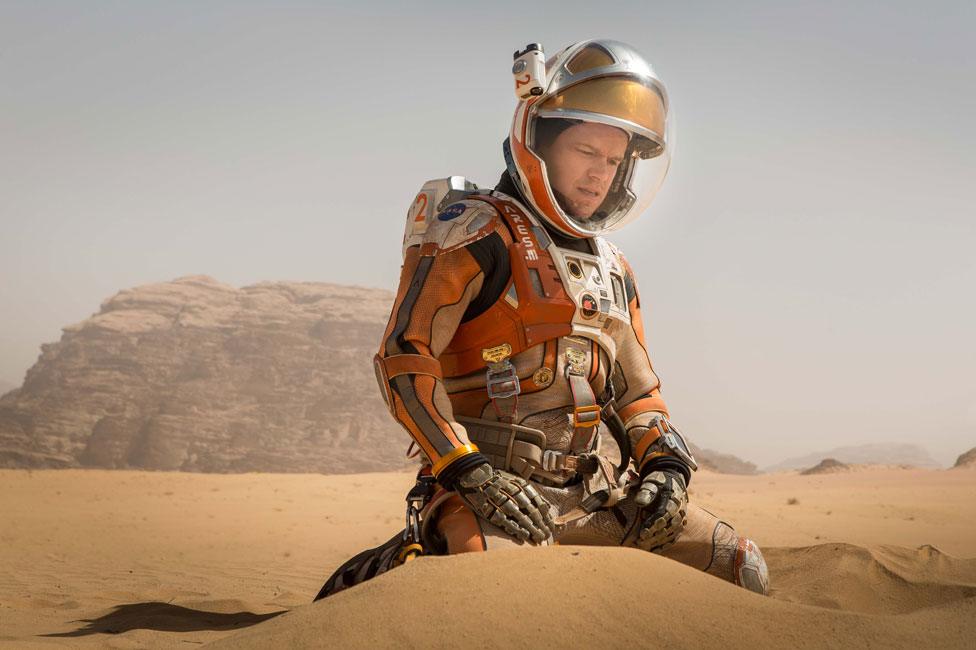
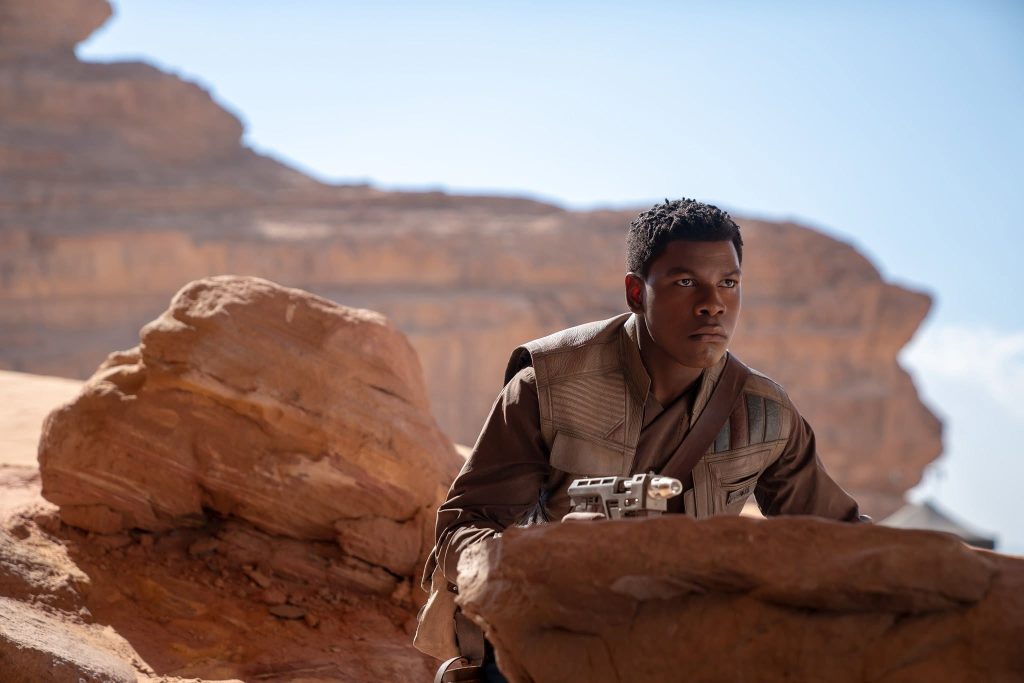
For The Martian (2015), the UNESCO-listed landscape convincingly became the surface of Mars, where Matt Damon’s stranded astronaut spends much of the film trying to survive.
The desert also appeared in Star Wars: The Rise of Skywalker (2019), portraying the desert planet Pasaana during the colorful festival sequence and high-speed chase across the sands.
Aït Benhaddou, Morocco
Lawrence of Arabia (1962), Gladiator (2000) & The Odyssey (2026)
The UNESCO-listed mud-brick village of Aït Benhaddou is one of the most filmed locations in the Arab world.
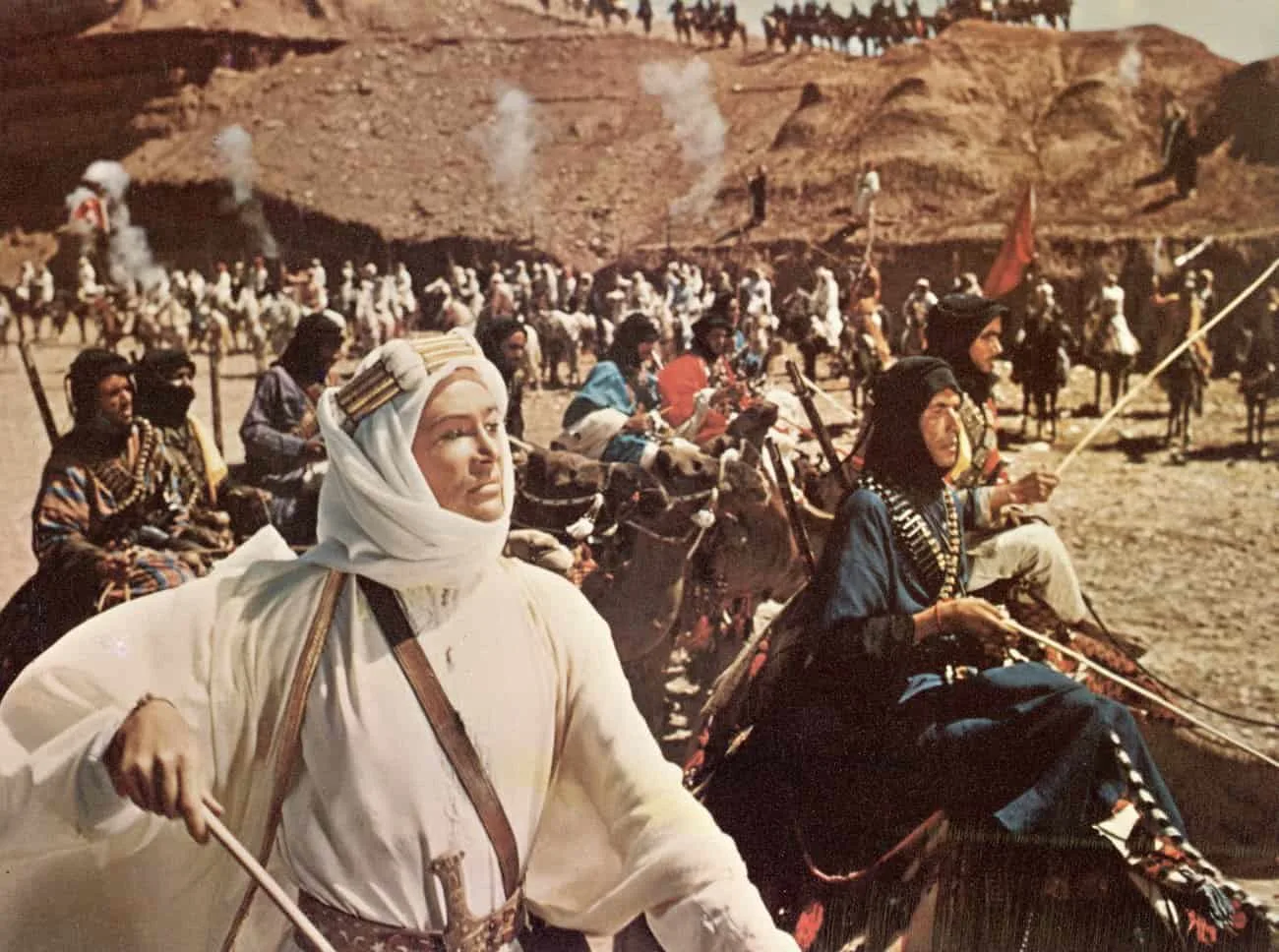
It appeared in Lawrence of Arabia (1962), helping recreate historic Middle Eastern settings during the epic’s sweeping desert journey.
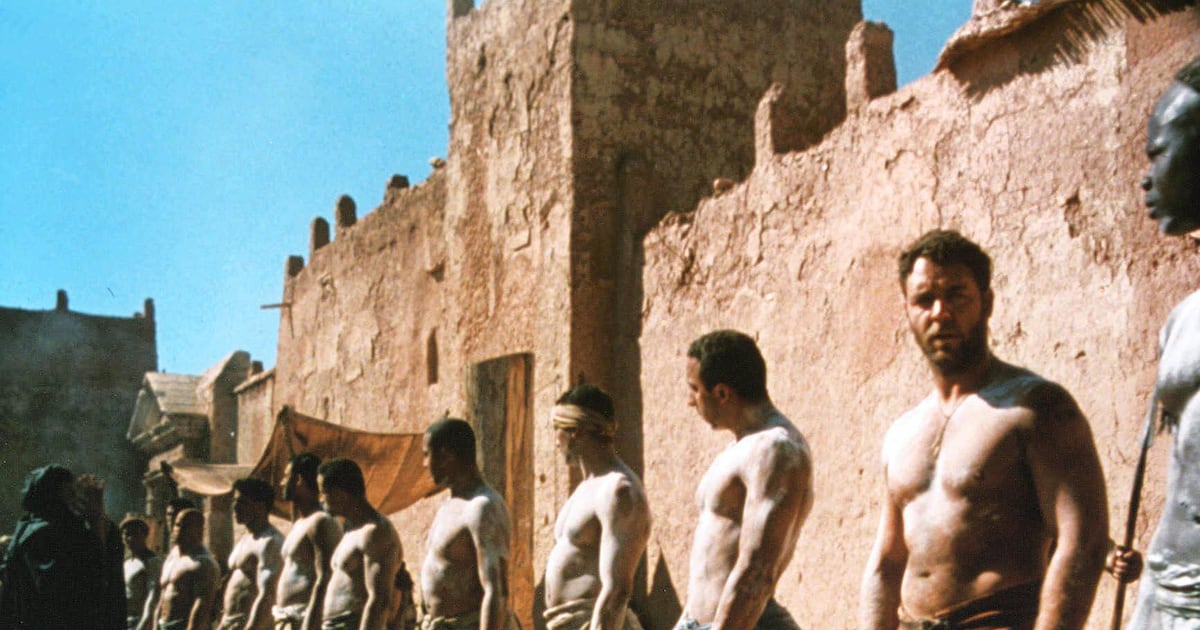
Years later, Ridley Scott transformed the fortified village into part of the Roman world for Gladiator (2000), where it stood in for the North African city of Zucchabar during Maximus’ early battles as a gladiator.
Most recently, the ancient kasbah has once again welcomed international productions as one of the filming locations for The Odyssey (2026), Christopher Nolan’s adaptation of Homer’s epic poem. Its timeless architecture and surrounding desert landscapes provide a fitting backdrop for the legendary adventure, continuing Aït Benhaddou’s decades-long Hollywood legacy.

Whether they’re standing in for ancient kingdoms, distant planets, or epic adventure settings, these historic Middle Eastern landmarks prove that reality can be just as cinematic as fiction. Beyond the blockbuster scenes, each destination offers centuries of history and culture, making them must-visit spots for both movie lovers and travelers alike.
We Said This: Don’t Miss… A Look at Morocco’s Filming Locations That Brought The Odyssey to Life