


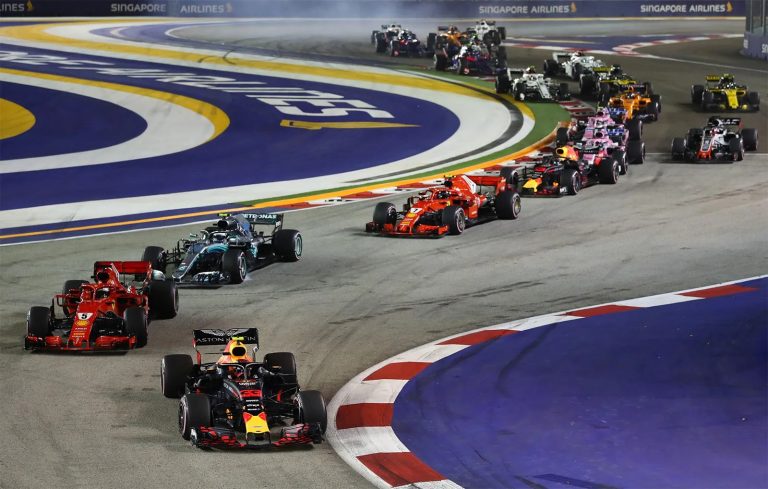
Due to escalating tensions and the ongoing conflict in the Middle East, Formula 1 has officially cancelled the 2026 Grands Prix scheduled in Bahrain and Saudi Arabia, citing safety concerns for teams, drivers, staff, and fans.
Supporting events such as Formula 2, Formula 3, and F1 Academy rounds scheduled in those countries have also been cancelled.
Race Weekend Cancellations Confirmed
The Bahrain Grand Prix, set to take place on April 12 at the Bahrain International Circuit, and the Saudi Arabian Grand Prix, scheduled the following weekend at the Jeddah Corniche Circuit, will no longer be held.
The decision was taken jointly by F1 and the Fédération Internationale de l’Automobile (FIA) after security risks increased across the region amid military escalation involving Iran, the United States, and Israel.
Security and Logistical Concerns
Officials also highlighted logistical challenges and safety threats, including the risk of retaliatory strikes and disruptions to airports across Gulf countries. These factors made it unsafe to transport personnel, equipment, and race infrastructure required to stage the events.
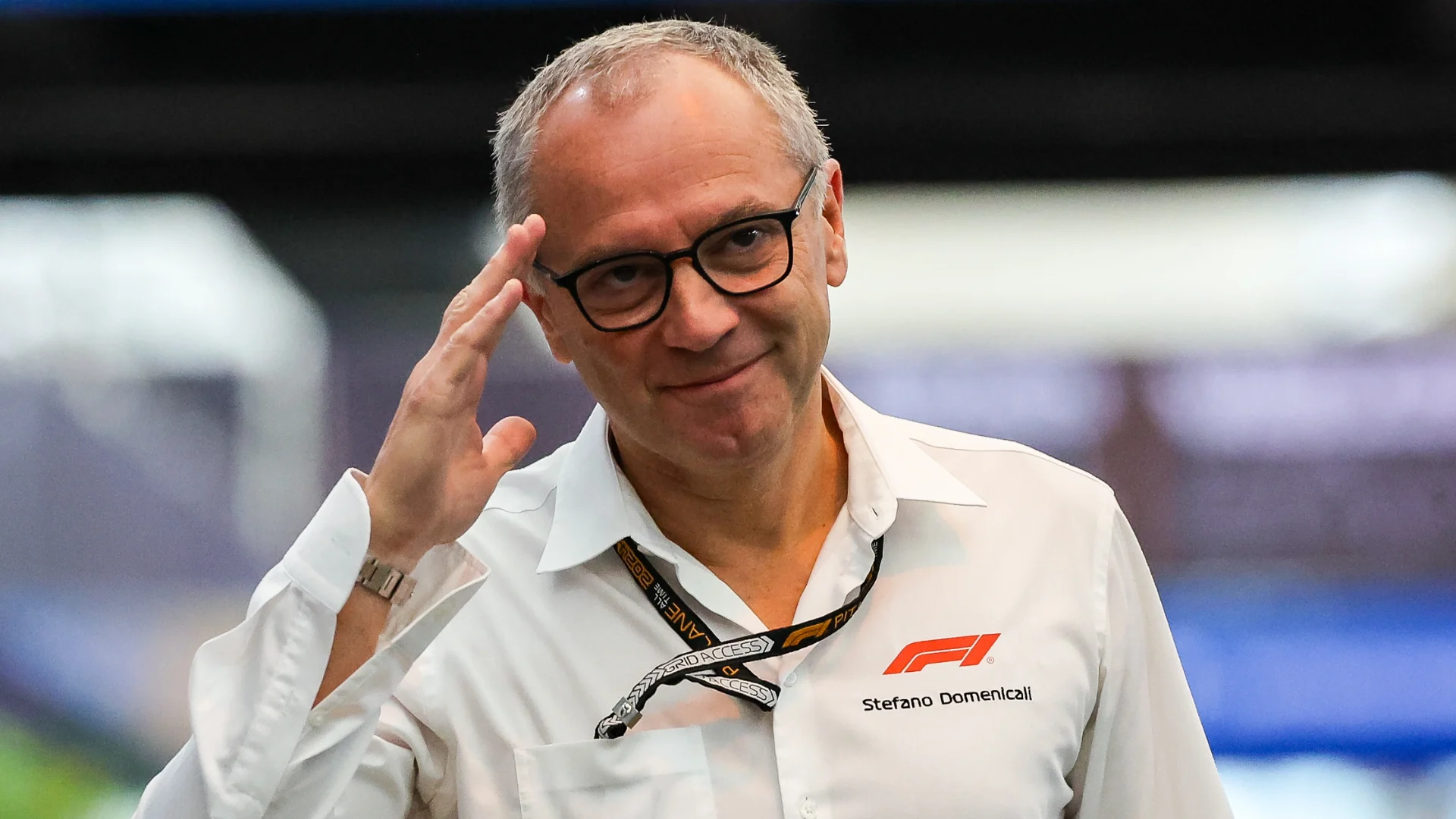
Commenting on the announcement, Stefano Domenicali, CEO of Formula 1, said:
While this was a difficult decision to take, it is unfortunately the right one at this stage considering the current situation in the Middle East.
Impact on the 2026 Calendar
With both races removed, the 2026 Formula 1 calendar will drop from 24 to 22 races, leaving a five-week gap between the Japanese Grand Prix on March 29 and the Miami Grand Prix on May 3.
However, two other Middle Eastern races remain on the schedule: the Qatar Grand Prix on November 29 and the season finale at the Abu Dhabi Grand Prix the following week.
Economic Impact
The move removes two of the most financially significant events on the Formula 1 calendar. Host fees for F1 races are among the highest in global sport, with Bahrain estimated to pay around $45 million annually to stage the Bahrain Grand Prix, while Saudi Arabia is widely believed to pay an even higher fee to host the Saudi Arabian Grand Prix, according to Reuters.
Beyond the hosting fees, both events generate significant economic activity through tourism, hospitality, and corporate sponsorships.
We Said This: Don’t Miss…What Iran’s Withdrawal Could Mean for the 2026 World Cup