


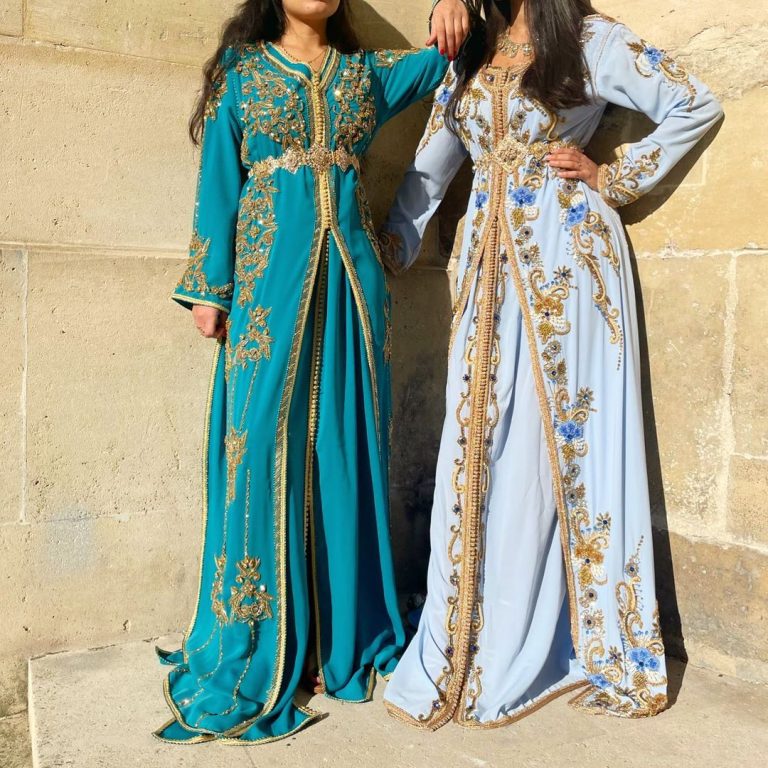
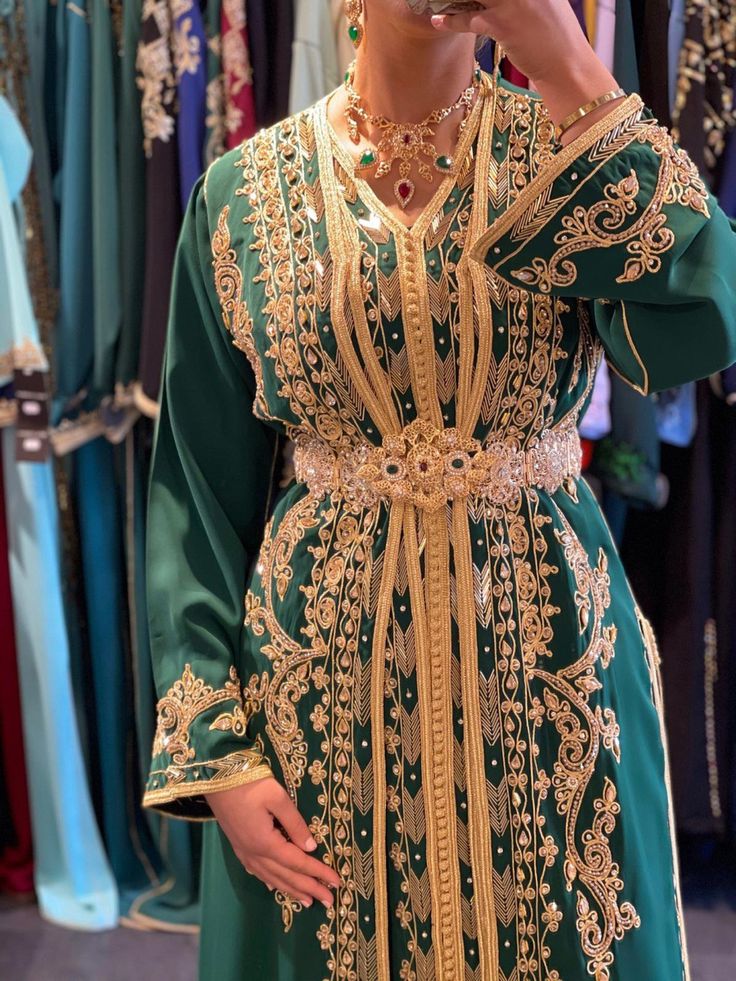
With a sparkling embroidered presence, a patterned textile, and a royalty-like silhouette, the Kaftan quickly rose as a top wardrobe choice, particularly when elegance meets modesty in Ramadan. Its Moroccan variation has even entered UNESCO’s Intangible Cultural Heritage list in 2025. But beyond that lies its rich underlying history, travelling across borders and giving us a tale of its own.
Who Wore it First?
Picture this: The Japanese basking in the elegance of the traditional kimono as they have their Chai, meanwhile, ancient Egyptians are dressed in a loosely-fit kalasiris by the edge of the Nile. That appeal for a flowy, patterned fabric has long existed across different cultures. However, it is widely believed that the earliest variation of the modern-day Kaftan garment first emerged in ancient Mesopotamia and the Persian Empire.
Perfect for that desert ambiance, it gradually spread in the Islamic world through trade. By the period of the Almoravid Dynasty, robe-like garments had already established themselves in Morocco, Algeria, and parts of North Africa, before eventually making their way to Egypt. The term “kaftan” itself is of Persian origin, later adopted into Ottoman Turkish and Arabic.
Reserved for Royalty
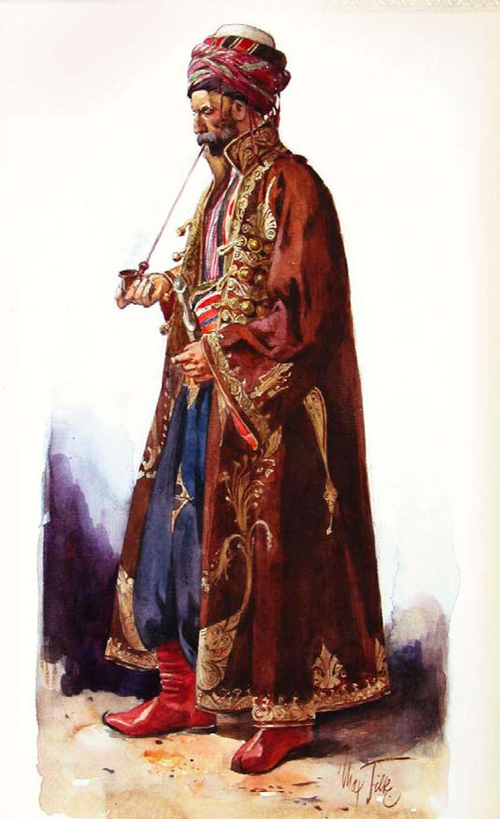
Made from the highest-quality silk and adorned with jewels all over, its elegance quickly made it signify authority, nobelty and a royal status, particularly during the period of the Ottoman Empire. Its colors, inscriptions, and the type of fabric used were an indication of the wearer’s status and power.
The twist? It was actually mostly worn by men. Caliphes, sultans, and elites basked in its luxurious fabrics and classy pearls, with some historical records saying it was adapted to their lifestyle by making the back shorter than the front to ease the horse-riding chronicles, as well as adding a pocket to its side for placing their swords.
Women Enter the Picture
When the Kaftan became a staple in Moroccan culture, its cultural significance pushed the boundaries of it being a gendered garment. It started being worn by both women and men, a traditional attire rather than a fleeting one.
Yves Saint Laurent’s presence in Marrakech during the 1960s also pushed for its contemporary twist, where he reimagined the garment with bold hues, a modern touch, and a refined elegance that helped make it globally-renowned amongst iconic fashion houses.
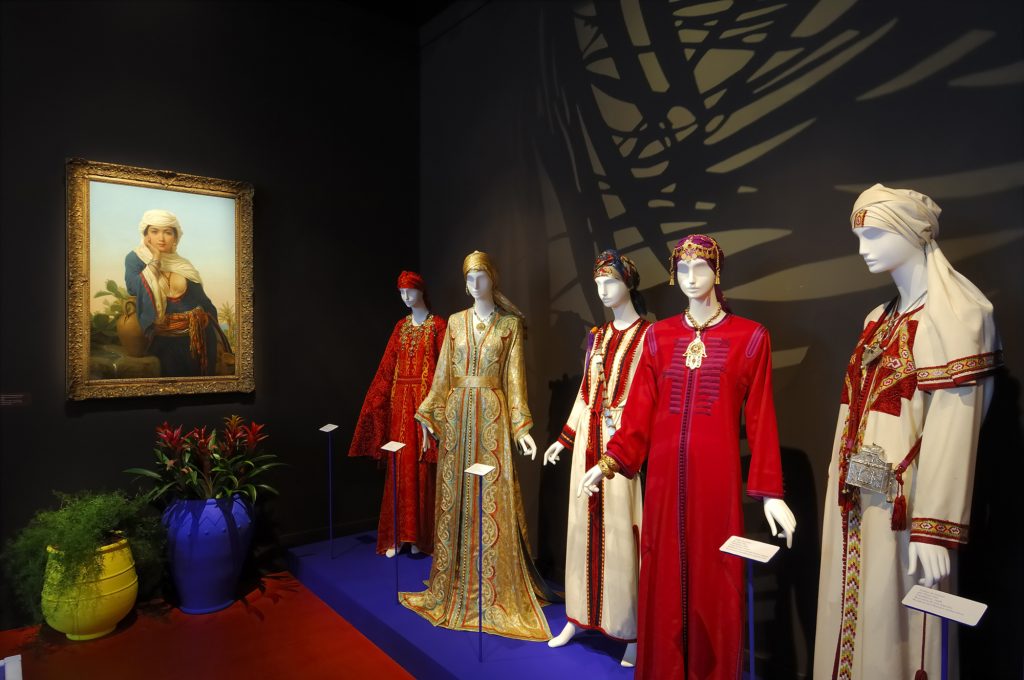
Little by little, it strengthened its roots across the Arab world, now shared by both wardrobes with different adaptations.
A Contemporary Twist
In recent years, no Ramadan gathering has taken place without a Kaftan in sight. From gold hues and Arabic typography to embroidered textiles that resemble gowns, the modern Kaftan, as we know it, became a staple for women.
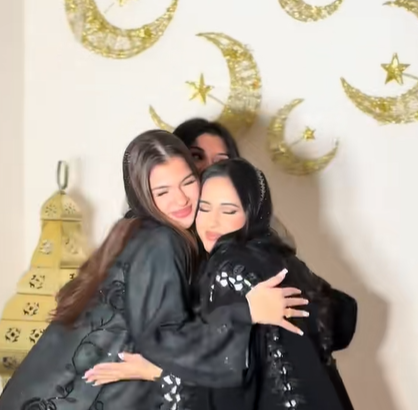
Worn Across Borders
Its adaptations across the MENA region vary, with North African countries such as Tunisia and Morocco wearing bedazzled versions of it in weddings, while it’s mostly visible in Egypt during the Holy Month. Countries in the Gulf, however, often pair it with the traditional abaya, worn in cultural events and other celebrations.
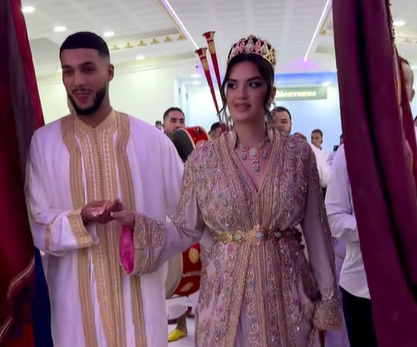
An Evolving Item
Whether you are astonished by the rich history or simply in it for its blend of cultural identity and timeless elegance, the Kaftan continues to shape MENA fashion. From royal garments and cultural celebrations to Iftar gatherings and red-carpet glam, let’s keep an eye on the fashion scene to watch how it evolves next.
We Said This: Don’t Miss….These Egyptian Brands Just Dropped Their Ramadan Kaftans