


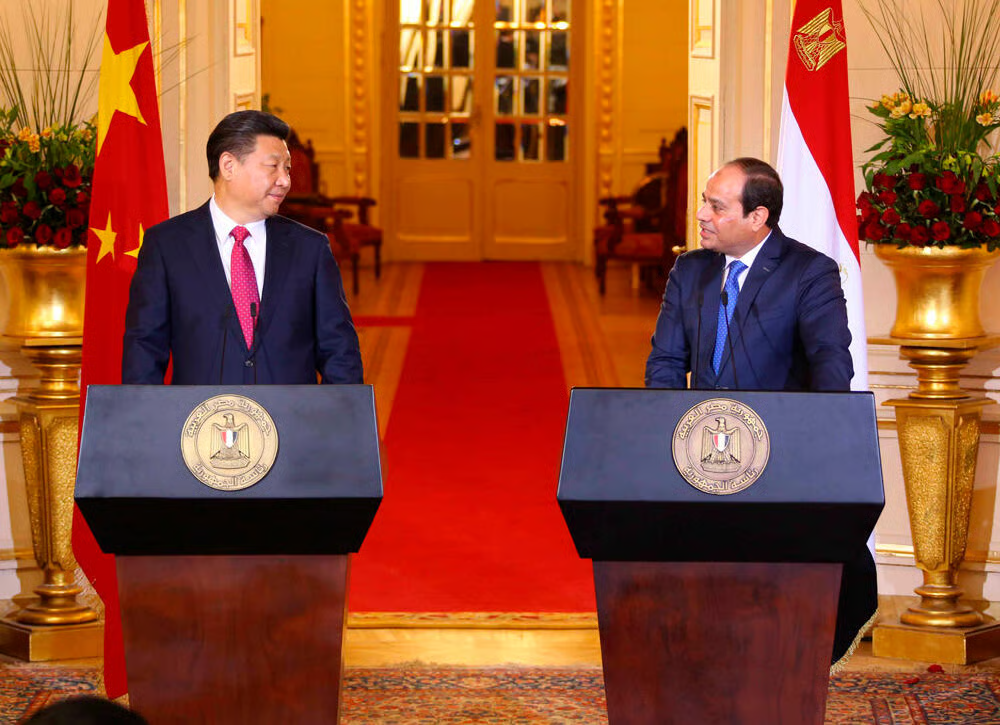
Chinese President Xi Jinping’s visit to Egypt comes as the two countries mark 70 years of diplomatic relations, but the anniversary is only part of the story. Cairo and Beijing are looking to take their partnership into a new phase, with investment, manufacturing, trade, technology and AI high on the agenda, alongside energy, transport and infrastructure.
The visit also gives both sides a chance to coordinate on regional and international issues, from Palestine and Sudan to maritime security and global trade. Here are the main reasons behind the visit and what they could mean for both countries.
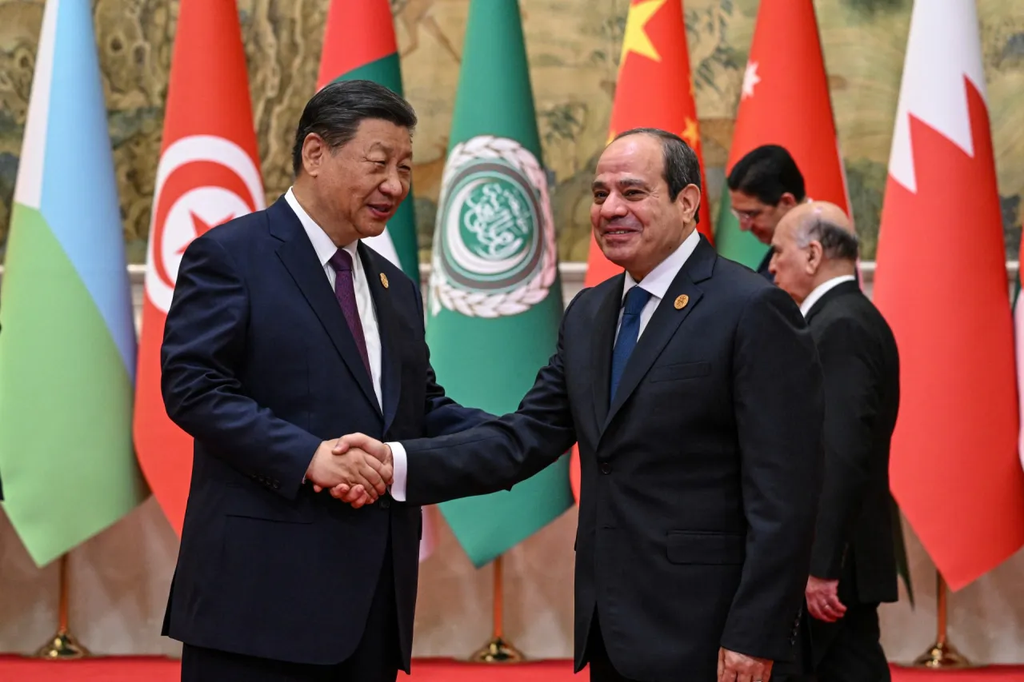
Marking 70 Years of Diplomatic Relations
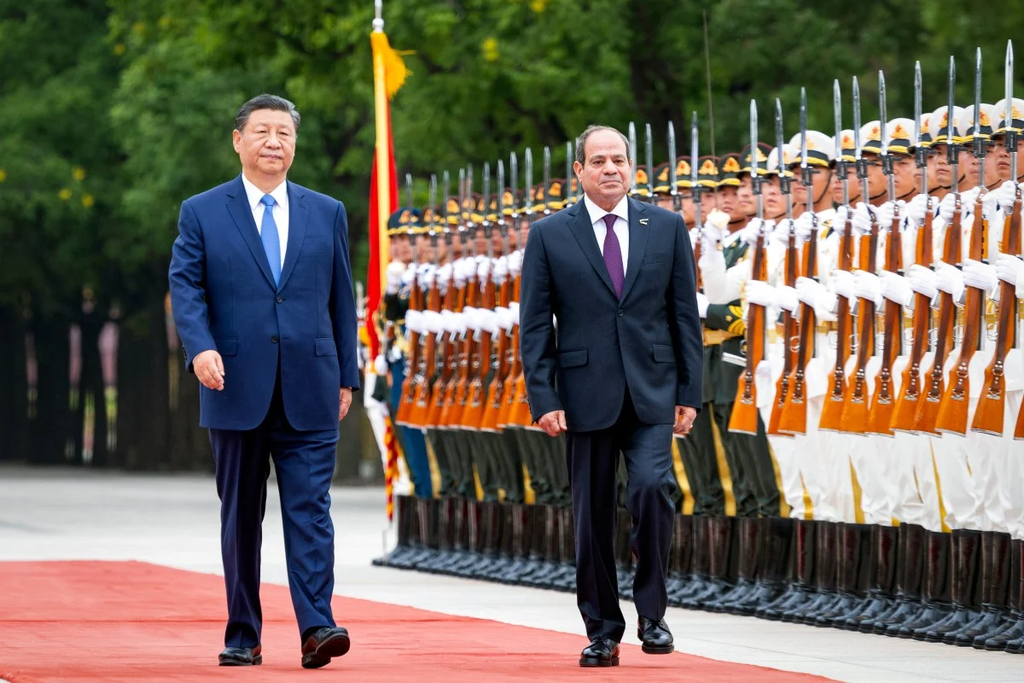
Egypt and China established diplomatic relations in 1956, making Egypt the first Arab and African country to establish relations with the People’s Republic of China. Since then, the relationship has developed into a comprehensive strategic partnership. 70 years later, Xi’s visit provides an opportunity to reaffirm those ties and map out their next phase.
Expanding Chinese Investment in Egypt
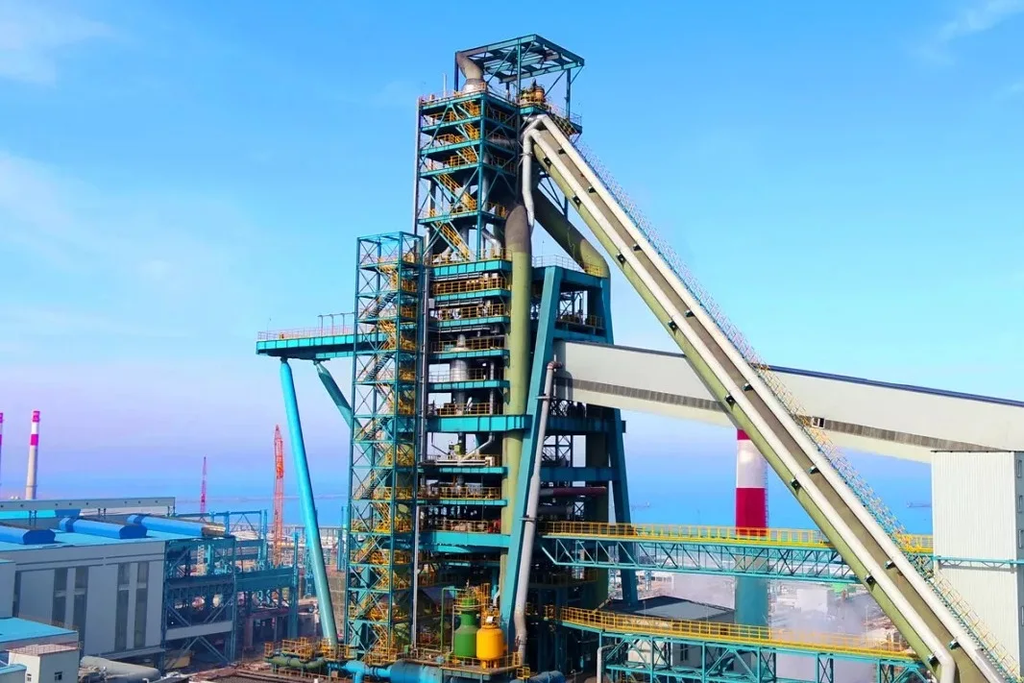
Chinese investment is becoming a bigger part of Egypt’s economic relationship with Beijing, with the focus increasingly moving beyond infrastructure toward manufacturing and industrial projects.
One major example is the Shenfeng industrial complex, for metal industries, in the Suez Canal Economic Zone, with investments of around $1.65 billion. For Egypt, these projects mean more investment, production and jobs; for Chinese companies, they offer a base for reaching markets beyond Egypt.
Turning Egypt Into a Regional Manufacturing Hub
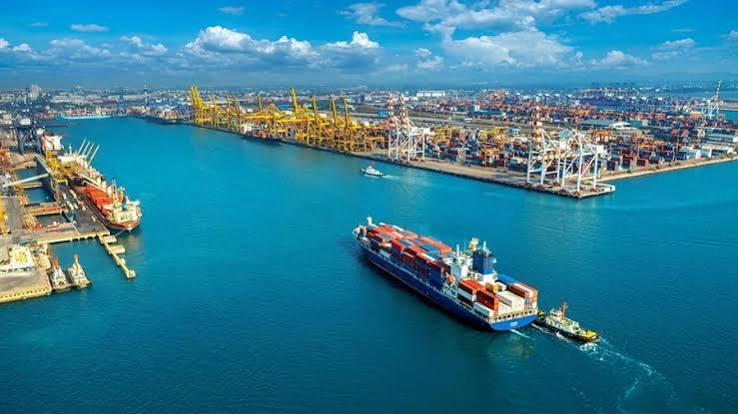
Egypt’s location, ports and industrial zones, particularly the Suez Canal Economic Zone, give Chinese manufacturers a strategic production base. Products made in Egypt can potentially reach African, Arab and European markets, making the country useful not just as a market, but as part of a wider supply chain.
As MP Mohamed Salama put it:
“We are facing a historic opportunity to maximize the economic return from the Egyptian-Chinese partnership, so that Egypt is not just a market for products, but a base for production, manufacturing and export…”
The aim is to attract partnerships that create jobs, transfer knowledge and leave more value inside Egypt.
Balancing a Growing Trade Relationship
The scale of trade makes how Egypt and China settle their transactions an important part of the relationship. In the first half of 2026, Egyptian exports to China jumped 199.8% to $840.8 million, while imports reached $10.4 billion.
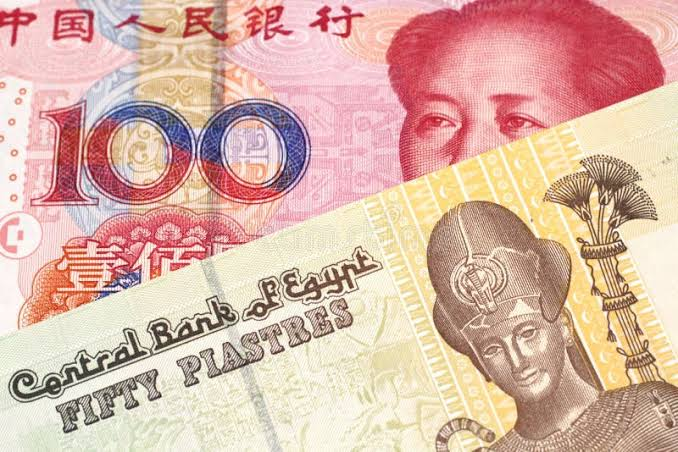
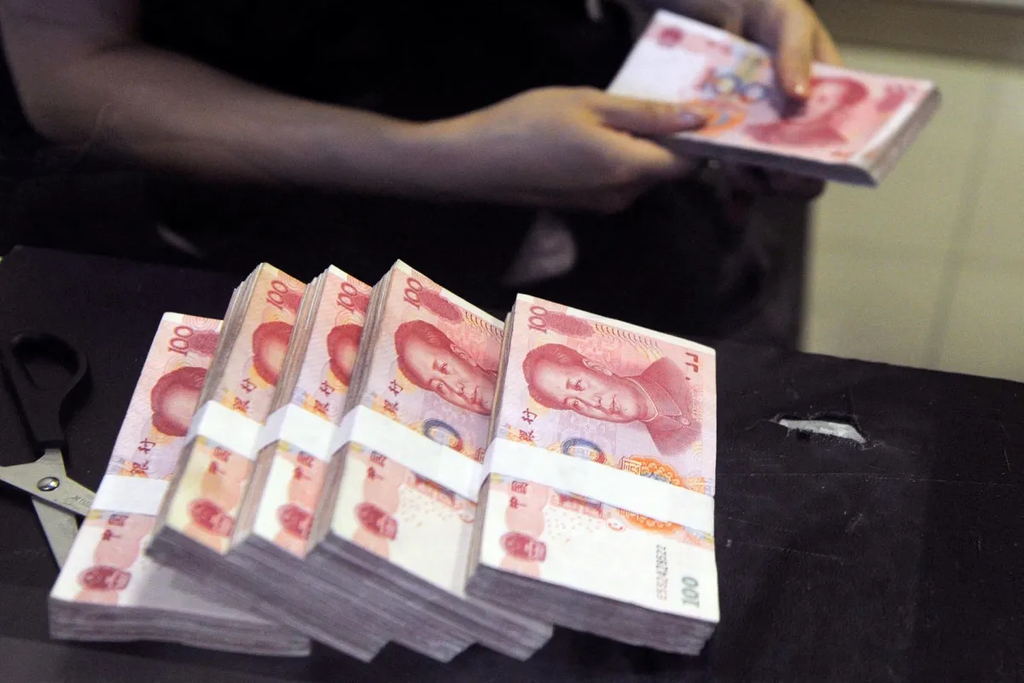
One way to make trade more flexible is through local currencies. In June 2026, Egypt and China renewed their currency-swap agreement, increasing it to 30 billion yuan, or around $4.43 billion. The arrangement can help facilitate some trade in yuan and Egyptian pounds, reducing the need to rely entirely on the dollar for those transactions.
Making AI a Bigger Part of the Partnership
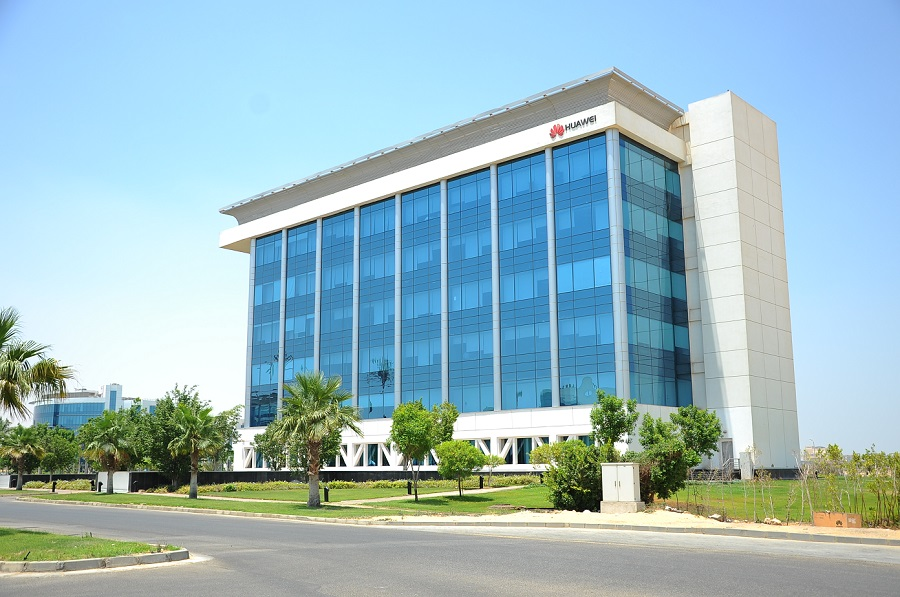
AI is one of the clearest signs that China-Egypt cooperation is moving into new territory. Chinese technology companies, including Huawei, are already involved in Egypt’s digital infrastructure, while proposals for AI data centres could take that cooperation further.
Huawei has reportedly been pursuing a deal to supply Egypt with more than 2,000 advanced AI chips, putting the relationship within the wider competition over advanced technology between China and the United States.
For Egypt, the attraction is access to advanced computing infrastructure and expertise. For Chinese technology companies, it opens another major market in the region.
Broadening Egypt’s International Partnerships
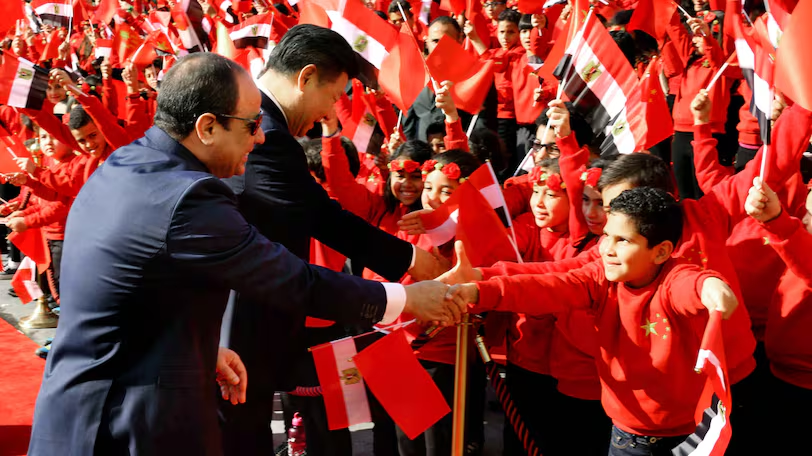
Closer ties with Beijing also fit into Egypt’s broader effort to expand its relationships with major global powers and widen the range of countries it works with economically and strategically.
Rather than concentrating its international cooperation around one major partner, Cairo has been building stronger ties across several influential powers and blocs. China, BRICS and the Belt and Road Initiative are all part of that wider approach, giving Egypt more channels for investment, trade, technology and financing.
Coordinating on Regional Issues
The visit is not only about economics. The two presidents are also expected to discuss Palestine, Sudan, Libya, Lebanon, the Horn of Africa, maritime security and disruptions to global trade and supply chains.
For both governments, closer political coordination means consulting on issues that affect regional stability and international commerce, particularly around the Red Sea and Suez Canal.
The Palestinian issue is expected to be especially important, with Egypt playing a central regional role while China continues to support Palestinian statehood and a two-state solution.
Expanding Military Cooperation
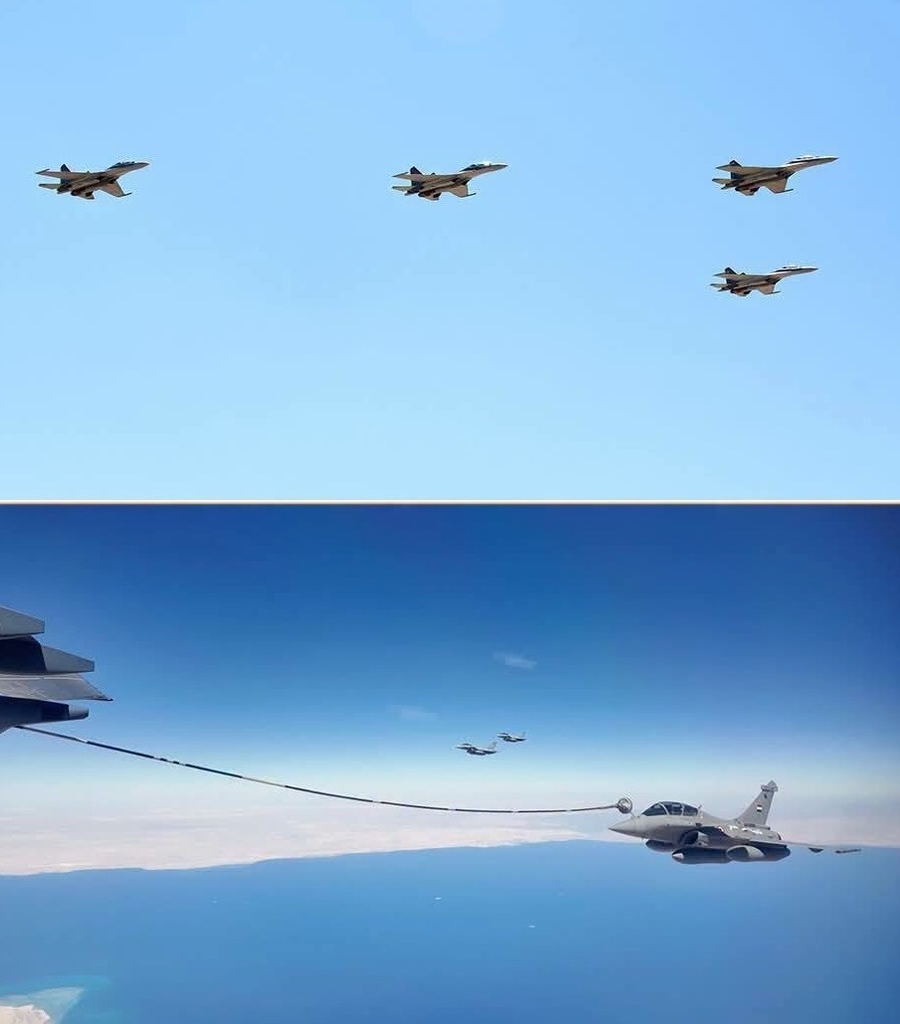
The visit also coincides with the “Eagles of Civilization 2026” joint Egyptian-Chinese air exercise, the second edition of the drills. The exercise involves the two air forces training together in areas including joint planning and air-combat operations.
Its timing alongside Xi’s visit highlights the expansion of the relationship into defence cooperation, alongside its established economic and political ties.
Building the Next Phase of the Partnership
After 70 years, the relationship is clearly moving beyond its traditional focus on infrastructure and trade. The agenda now includes factories, exports, local-currency transactions, AI, technology and regional political coordination, with Egypt’s position as a gateway between Africa, the Arab world and Europe making it particularly important to the partnership.
The visit is ultimately about turning that long-standing relationship into more concrete economic and strategic cooperation — and deciding what the next 70 years of Egypt-China relations will look like.
WE SAID THIS: Don’t Forget…China & The Middle East: The Silk Road Returning With A Modern Twist