



Egypt’s history is rich with iconic figures who have left an enduring mark on the nation and beyond, across fields ranging from art and politics to literature. These individuals have not only shaped collective memory but have also inspired biographical films and series that bring their extraordinary journeys to the screen. Here’s a look at the figures we’ve come to know both in real life and through their on-screen portrayals.
Umm Kulthum
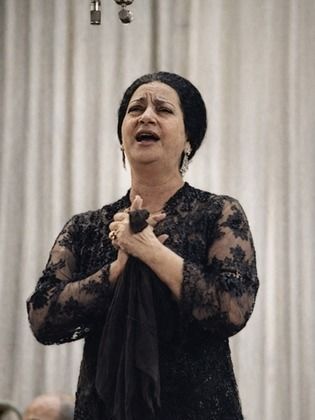
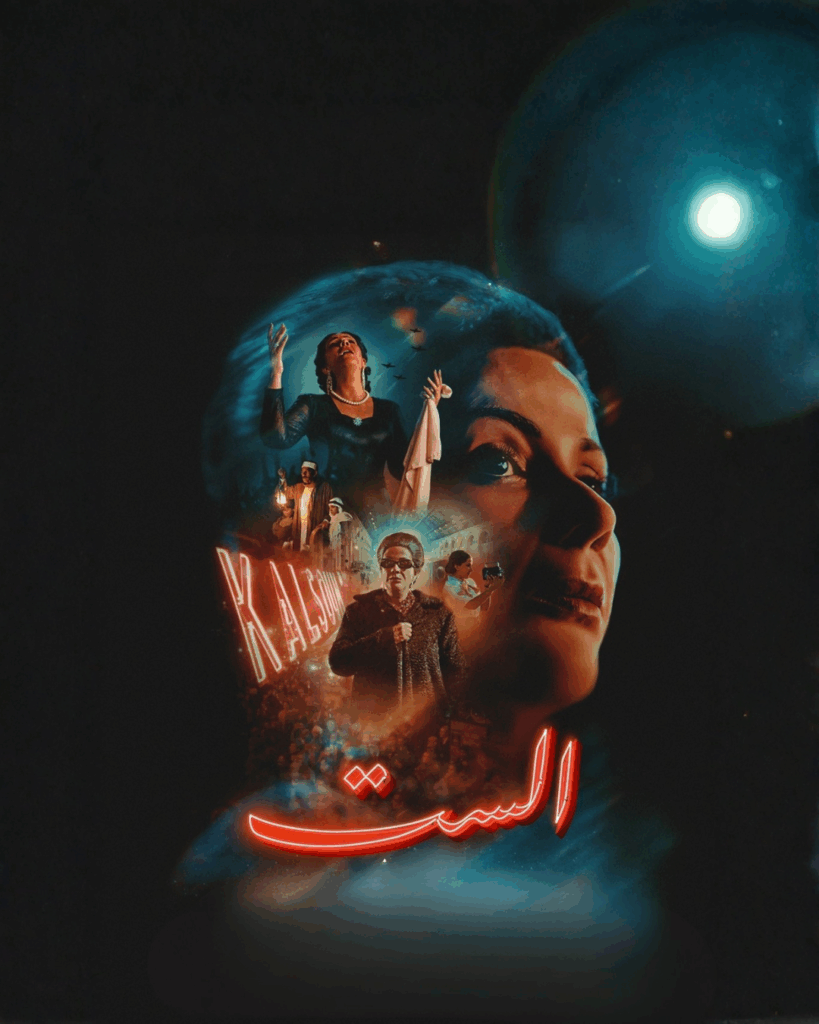
Umm Kulthum (1999) & El Sett (2025)
Umm Kulthum is regarded as Egypt and the Arab world’s most legendary voice of the 20th century, earning her the timeless title Kawkab el-Sharq. Umm Kulthum wasn’t just a singer; she was an era. Her music, presence, and powerful voice felt deeply rooted in Egyptian identity, blending rural authenticity with classical musical tradition in a way that resonated across generations.
Unsurprisingly, her extraordinary life has long fascinated filmmakers. She was first brought to the screen in 1999 in the TV series Umm Kulthum, where she was portrayed by Sabrine Yassien, offering audiences a dramatized glimpse into her rise. More recently, her story returned to the spotlight in 2025 with the film El Sett, where Mona Zaki stepped into the role, reintroducing the icon to a new generation with a fresh cinematic lens.

Dalida
Dalida (2017)
An iconic Egyptian-born Italian-French singer and actress, Dalida remains one of the most internationally successful artists of her time. Often described as a “tragic diva,” she was the first singer to be awarded both platinum and diamond records, and she went on to receive more than 70 gold discs over the course of her career. Behind the glamour and global fame, however, her life was marked by deep personal tragedy, including the suicides of several loved ones and her own death by suicide in Paris.
In 2017, her story was brought to the screen in the film Dalida, with Sveva Alviti portraying the legendary star. The biopic traces her rise to global fame while also exploring the emotional struggles behind her success, offering a portrait of an artist who became one of the most celebrated and complex figures in French music history.


Anwar El Sadat
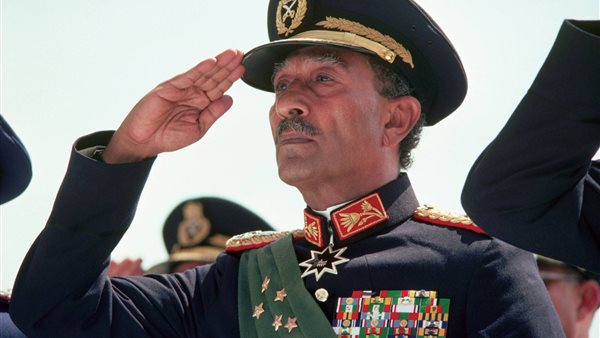
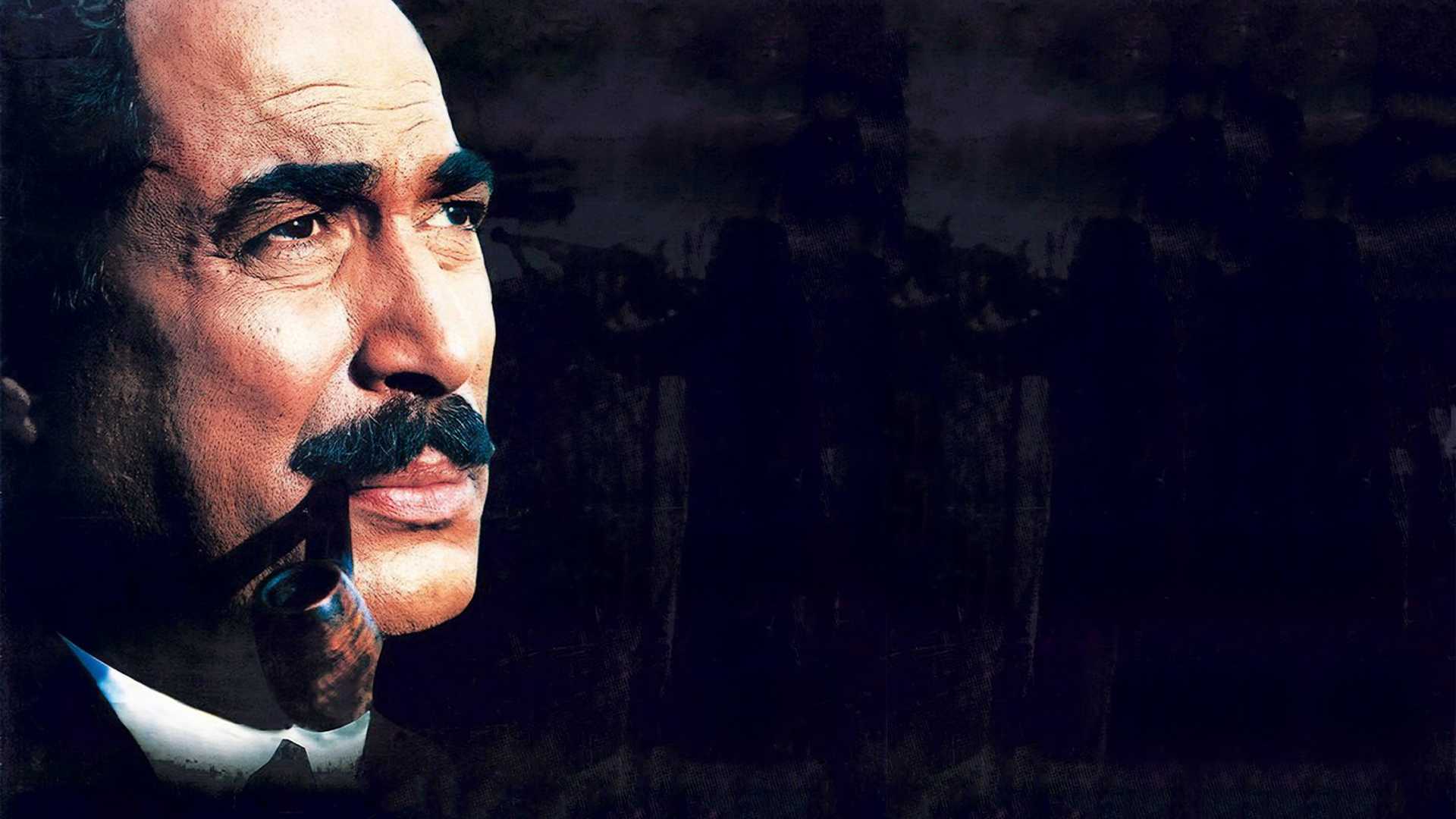
Ayam El Sadat (2001)
Muhammad Anwar El-Sadat was an Egyptian politician and military officer who served as the third President of Egypt. A prominent member of the Free Officers Movement, he played a key role in the overthrow of King Farouk I during the 1952 Egyptian Revolution. He was also a close confidant of President Gamal Abdel Nasser, serving twice as vice president before succeeding him as president in 1970.
His life and legacy were later brought to the screen in the 2001 film Ayam El Sadat, which explores both his public leadership and private world. The late Ahmed Zaki delivered a powerful performance in the title role, capturing Sadat’s complexity as a statesman, a revolutionary, and a human being navigating one of Egypt’s most pivotal eras.
Taha Hussein
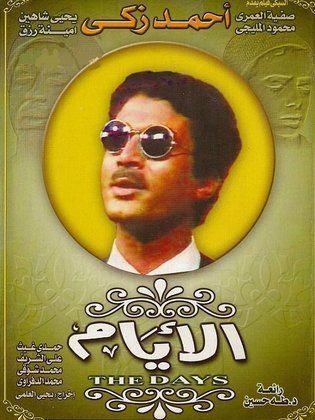
El Ayam (1979)
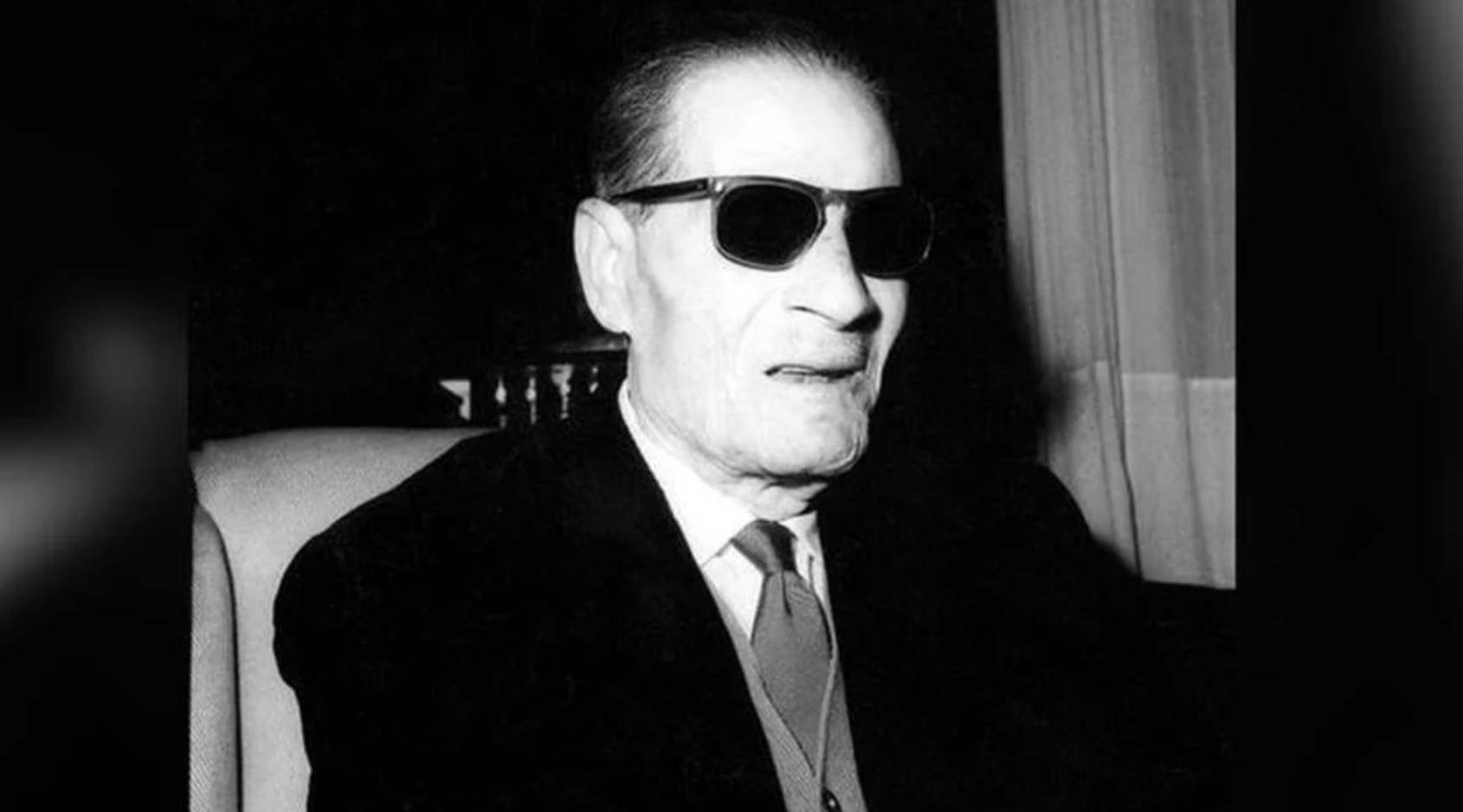
Taha Hussein stands as one of the most influential Egyptian writers and intellectuals of the 20th century, and a leading voice of the Arab Renaissance and modernist movement. Revered as “The Dean of Arabic Literature,” he was nominated for the Nobel Prize in Literature an impressive twenty-one times, cementing his legacy as a towering figure in Arabic thought and letters.
His celebrated autobiography, El Ayam (The Days), traces his journey from a humble childhood in a small village to becoming one of the Arab world’s most prominent literary figures. In 1979, the novel was adapted into a television series of the same name, bringing his remarkable story to life on screen, with the late Ahmed Zaki delivering a memorable performance that captured the depth and resilience of his journey.
Ismail Yassine
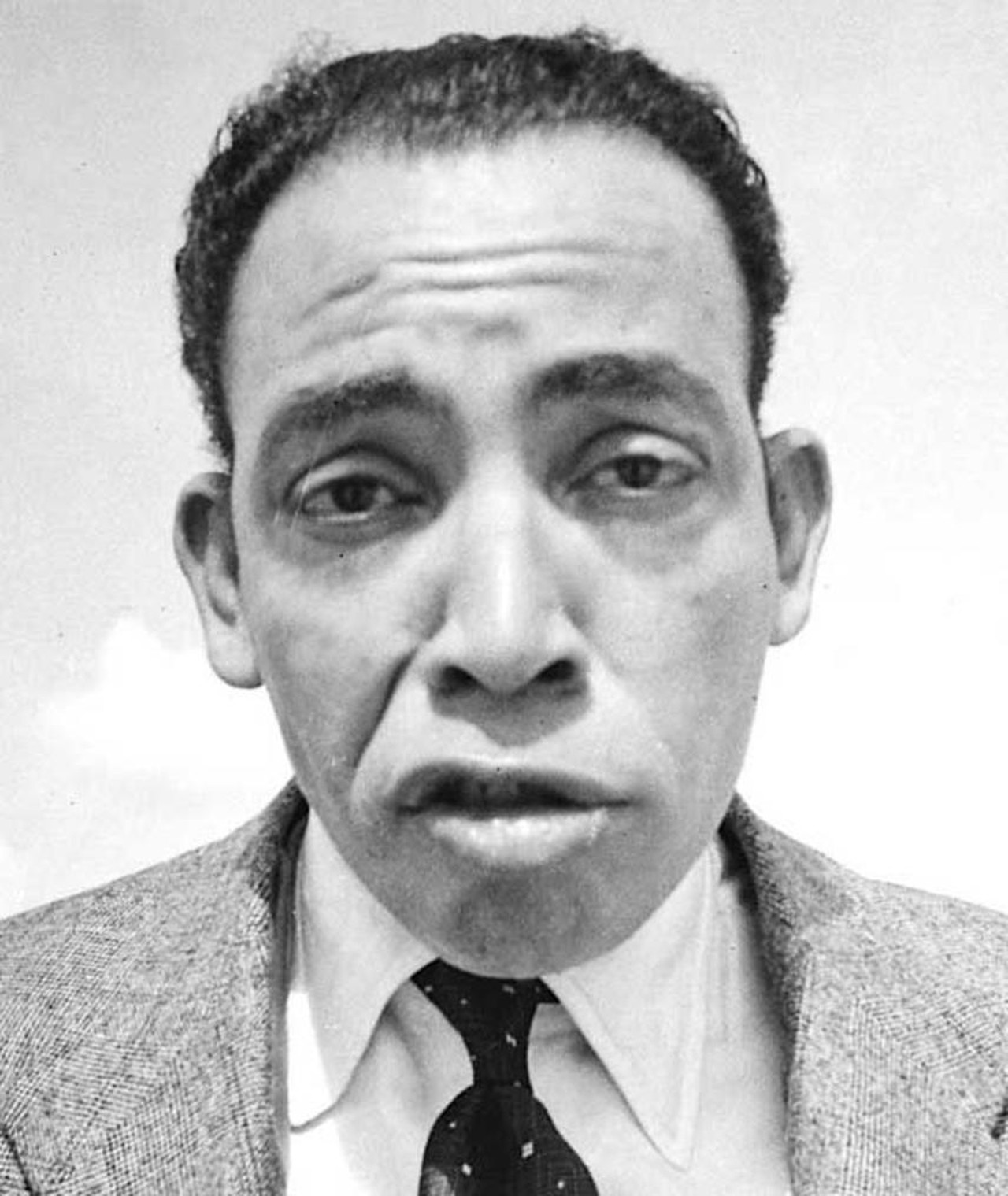
Ismail Yassine (Abu Dehka Genan) (2009)
Ismail Yassine remains a true household name: a legendary actor, comedian, and monologist who helped define the golden age of Egyptian cinema in the 1950s. Born in Suez, he rose from humble beginnings as a young singer before becoming one of the Arab world’s most beloved comedic icons. Known for his unmistakable facial expressions, slapstick timing, and self-deprecating humor, he was often compared to Charlie Chaplin. His popularity even led to a string of films named after him, cementing his status as a cornerstone of Arab comedy.
His remarkable journey from a singer in Suez to becoming Egypt’s biggest comedic star was later brought to the screen in the 2009 series Ismail Yassine (Abu Dehka Genan), with Ashraf Abdel Baky portraying the iconic figure and revisiting the story of how he turned everyday humor into a cinematic legacy.

Abdel Halim Hafez
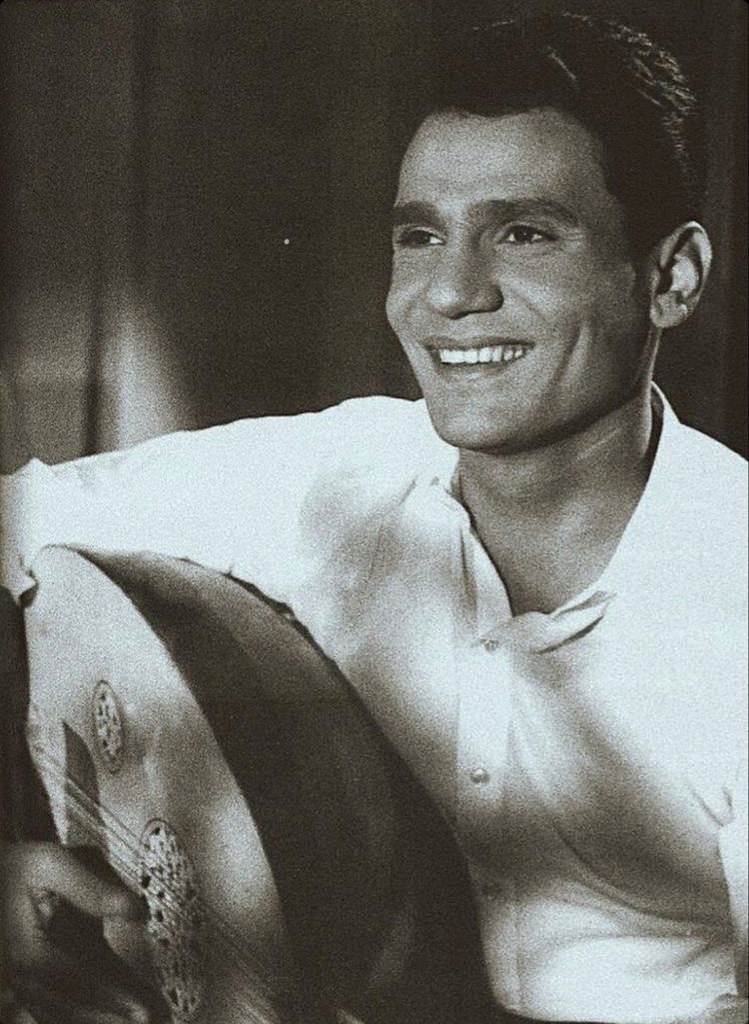
Halim (2006) & Al-Andaleeb (Hikayt Shaab) (2006)
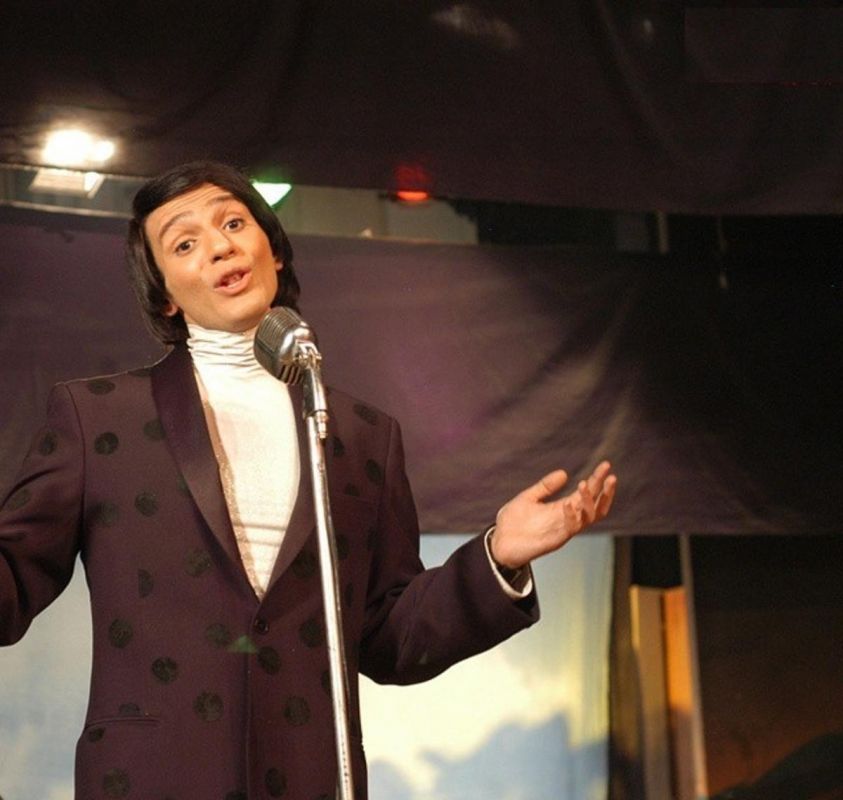
Abdel Halim Hafez was an Egyptian singer, actor, conductor, music teacher, and film producer. Widely regarded as one of the greatest Egyptian musicians of his generation, he became a defining voice of Arab music in the 20th century. As his popularity soared, he earned the iconic nickname “El-Andaleeb El-Asmar” (The Dark-Skinned Nightingale). With estimated record sales exceeding 80 million, his influence and popularity extended across the entire Arab world, making him a cultural phenomenon as much as a musical one.
His life story has long inspired both cinema and television, with multiple works tracing his journey from a young dreamer to one of Egypt’s most celebrated musical legends. He was portrayed by the late Ahmed Zaki in the 2006 biopic Halim, and later revisited in the series Al-Andaleeb (Hikayat Shaab), where Shady Shamel stepped into the role, bringing his legacy to a new generation.

Soad Hosny
El Cinderella (2006)
Soad Hosny was an Egyptian actress, singer, and style icon who was known as “El Cinderella” and is regarded as one of the most influential performers in the Arab world. As one of Egypt’s most iconic female stars of the 20th century, she played leading roles in numerous classic films by some of the country’s most prominent directors, leaving a lasting imprint on Egyptian cinema.
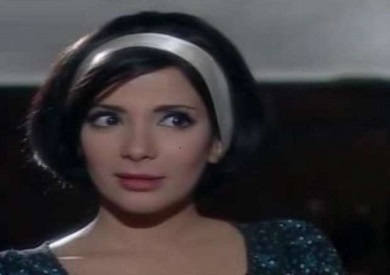
In 2006, her life and legacy were revisited in the series El Cinderella, with Mona Zaki portraying the legendary actress. The production traces Soad Hosny’s rise from Egypt to regional stardom, capturing both her extraordinary success during the golden age of cinema and the personal struggles she faced behind the spotlight.

These stars didn’t just leave a lasting mark on Egypt’s cultural history; they secured legacies that continue to resonate across generations. Their stories remain as compelling today as ever, with biopics and series that are still watched, discussed, and rediscovered by new audiences. If you’re curious to dive deeper into the lives behind the legends, these works offer a fascinating window into the journeys of some of Egypt’s most iconic figures.
We Said This: Don’t Miss… 5 Egyptian Movies We Love That Are Getting Sequels