


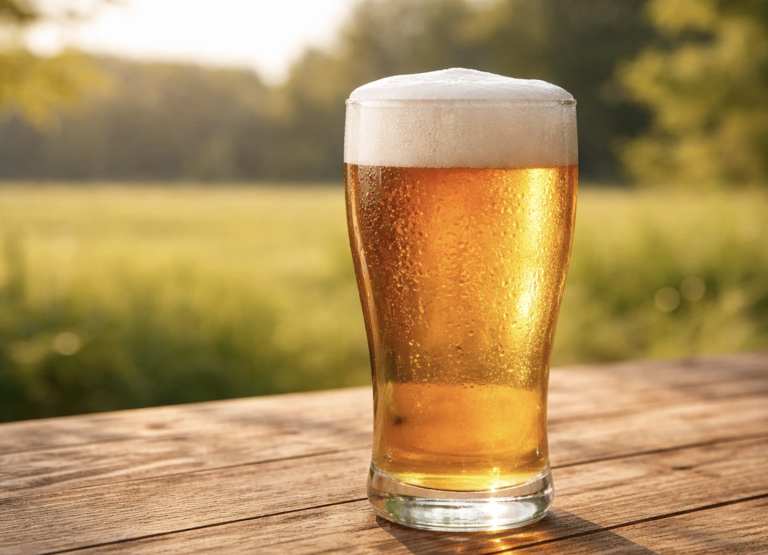
Beer can feel strangely intimidating for something that’s supposed to be relaxed. You walk into a pub, scan the taps, and suddenly there are pale ales, lagers, hazies, sours, stouts, pilsners and IPAs all competing for attention, while the person behind the bar is waiting and your friend has somehow already chosen.
The good news is that you don’t need to know everything about brewing to figure out what you like. A basic understanding of the different types of beer can make ordering feel much less like guesswork, especially if you’re trying to move beyond “whatever’s cold” and find a style that actually suits your taste.
Start with flavor, not reputation
Some beer styles have big personalities, and some have even bigger reputations. IPAs are often talked about like they’re the serious craft drinker’s choice, while lagers sometimes get dismissed as too simple, but neither of those assumptions is particularly useful when you’re trying to find something you enjoy.
A better starting point is flavour. Do you like drinks that are crisp and refreshing, or do you prefer something richer and more rounded? Are you drawn to citrus, tropical fruit, biscuit, caramel, coffee, chocolate or tart flavours? Would you rather a clean finish or something with a lingering bitterness?
Once you start thinking in those terms, beer becomes much easier to navigate because you’re choosing based on what your palate likes, not what someone else says you should be drinking.
Lagers and pilsners are great entry points
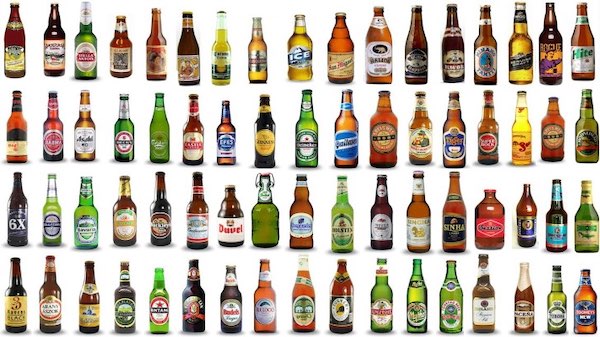
If you want something clean, cold and easy to enjoy, lagers and pilsners are often a safe place to begin. They’re usually refreshing, balanced and not too heavy, which makes them a good option for warm weather, casual meals or anyone who doesn’t want a beer that dominates the conversation.
That doesn’t mean they’re boring. A well-made lager can be crisp, elegant and surprisingly satisfying, especially when you’re paying attention to freshness and balance. Pilsners can bring a little more hop character, often with a snappy bitterness that keeps the beer feeling bright.
Pale ales and IPAs bring more punch
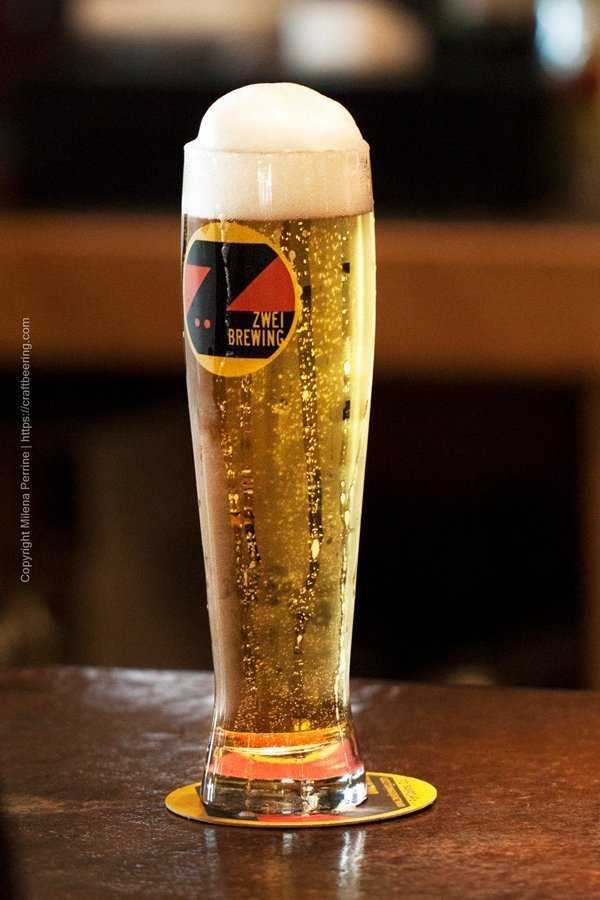
Pale ales tend to sit in a friendly middle ground. They often have more flavour than a lager, with citrus, floral or tropical notes, but they don’t always carry the bigger bitterness that can come with stronger IPAs.
IPAs can vary hugely. Some are sharp and bitter, some are juicy and aromatic, and others are bold enough to make you wonder whether you’ve accidentally ordered a fruit basket with a foamy top. If you try one and don’t love it, don’t write off the whole category immediately; the next one might taste completely different.
Dark beers aren’t always heavy
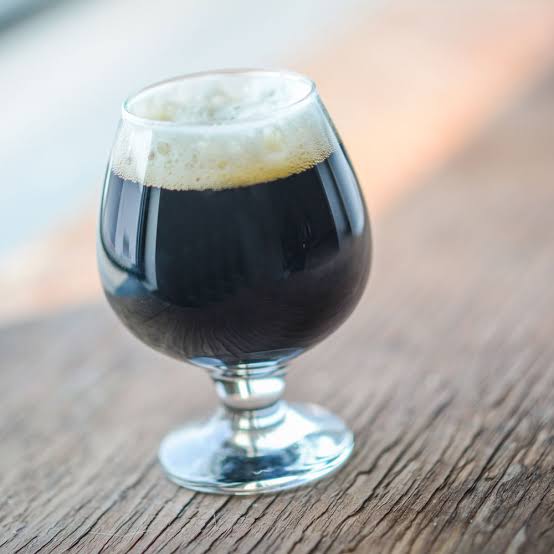
Stouts and porters often look intense, but they’re not automatically thick or difficult to drink. Many bring flavors like roasted coffee, cocoa, caramel or toasted grain, and some can be smoother than expected.
Taste widely, but don’t overthink it
The best way to learn beer is to try a little of everything, preferably without turning each sip into a formal review. Order tasters when they’re available, share cans with friends, and notice what you’d happily drink again.
You don’t need to become a beer expert to enjoy better beer. You just need enough confidence to follow your own taste, ask a few questions, and keep exploring until the tap list starts to feel less like a puzzle and more like a menu.
WE SAID THIS: Don’t Miss…13 Coffee Spots to Start Your Sahel Mornings Right