



Camels are so much more than the UAE’s beloved desert companions. For thousands of years, they have played a major role in shaping life across the region, from connecting communities through trade to becoming an important part of Emirati heritage and traditions. Now, Zayed National Museum is giving these iconic animals the spotlight they deserve with a new exhibition exploring their fascinating history.
Titled Tracks Through Time: The Camel in Society, Trade and Art, the exhibition will open in early December, coinciding with the Abu Dhabi museum’s first anniversary. It will be the world’s first exhibition to comprehensively explore more than 7,000 years of camel history, tracing the animal’s journey from its ancient roots in the region to its place in contemporary Emirati culture.
More Than a Desert Companion
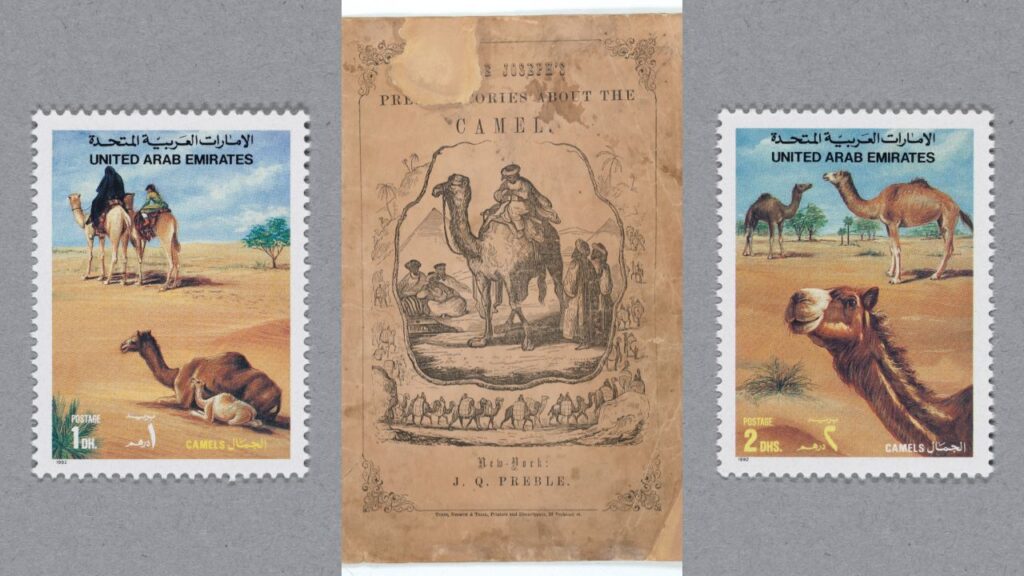
Throughout history, camels have played an essential role in life across the Arabian Peninsula. Known for their ability to travel long distances across harsh desert landscapes, they helped connect communities, supported trade routes, and became deeply woven into the region’s social and cultural identity.
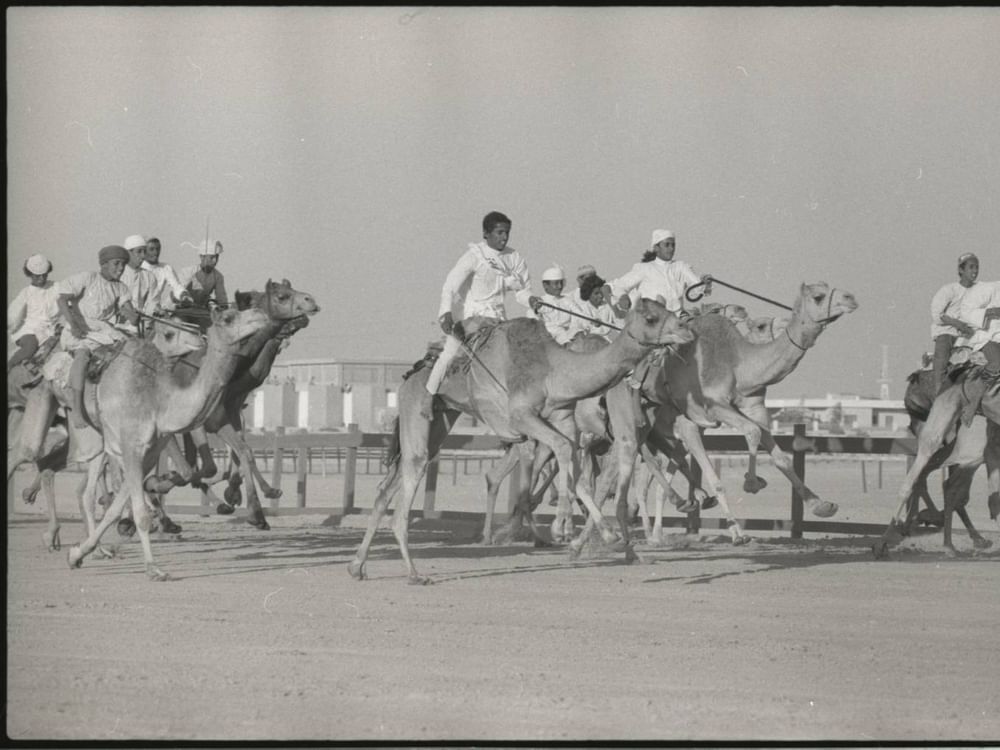
The exhibition will explore these connections through the camel’s role in trade, society, and artistic expression, while also looking at how its significance continues today through traditions such as camel racing and beauty competitions
Ancient Discoveries Take Centre Stage
One of the exhibition’s biggest highlights will be the first public display of archaeological evidence of an extinct wild camel species, offering visitors a rare glimpse into the animal’s ancient past.
The discoveries include bones found in Baynunah, Abu Dhabi, dating back to between 4500 and 4000 BC, alongside Bronze Age remains uncovered in Al Sufouh, Dubai, dating from between 2000 and 1300 BC.
Together, these finds shed light on the presence of wild camels in the region thousands of years ago, long before the animals became the familiar companions we know today.
From Wild Camels to Domesticated Companions
The exhibition will also feature domesticated camel bones discovered at Saruq Al Hadid in Dubai. These remains offer some of the earliest evidence of the transition from wild camels to domesticated animals, marking an important chapter in the relationship between humans and camels.
The archaeological artefacts will be loaned by the Natural History Museum Abu Dhabi and the Dubai Culture and Arts Authority, bringing together discoveries that help tell a much bigger story about the region’s past.
A Living Part of Emirati Heritage
While the exhibition looks thousands of years into the past, it will also explore how camels remain part of the UAE’s cultural identity today. From traditional racing events to beauty competitions that celebrate the animals’ distinctive features, camels continue to hold a special place in Emirati society.
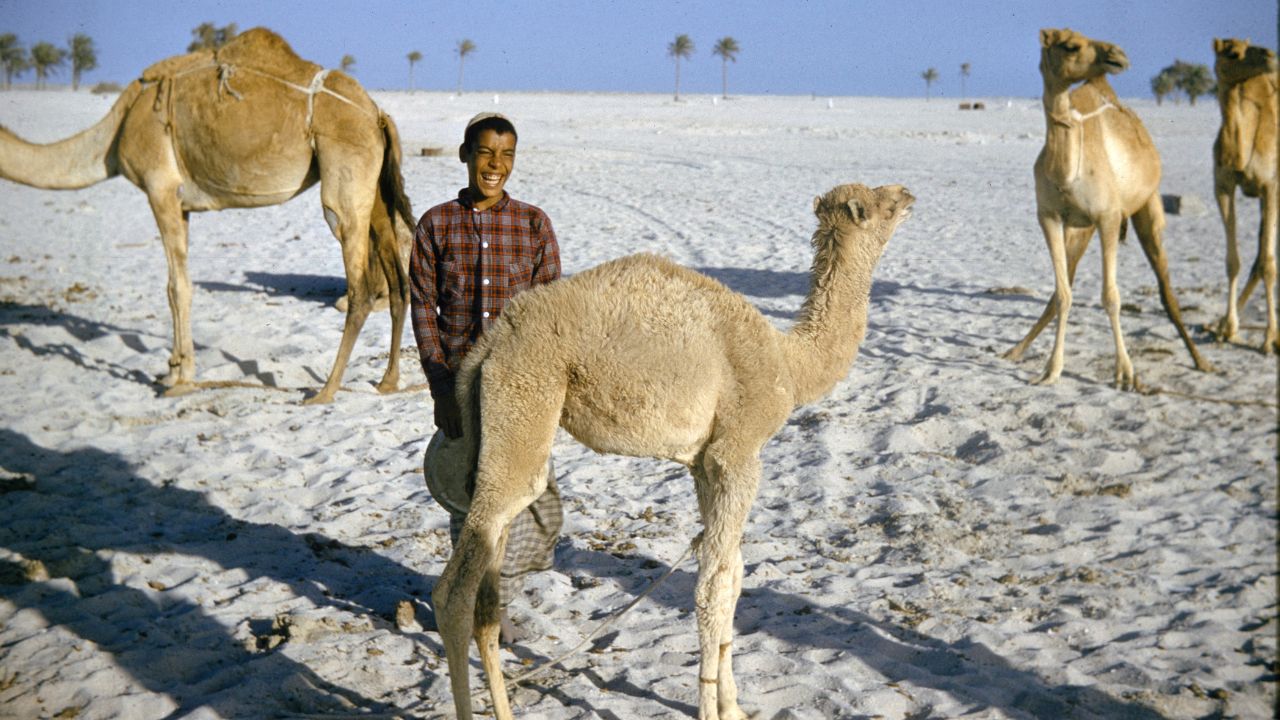
By bringing together archaeological discoveries, cultural traditions, and artistic expressions, Tracks Through Time will offer visitors a closer look at how one animal has helped shape the region’s history, while remaining an enduring symbol of its heritage.
Opening in early December, the exhibition is set to be another reason to keep Zayed National Museum on your Abu Dhabi cultural radar.
We Said This: Don’t Miss… Christie’s to Hold Its First-Ever Fine Art Auction in Abu Dhabi