


Venice Film Festival 2026 is shaping up to be a big year for Arab cinema, with filmmakers from across the region bringing stories of war, displacement, grief, family, survival—and even a bank heist—to one of the world’s most prestigious film festivals.
The selected films span everything from intimate documentaries and immersive experiences to historical dramas and high-stakes thrillers. Some look at the realities of life during war, while others follow people searching for answers, holding on to home or simply trying to reclaim what is already theirs.
Arab representation will also go beyond the films themselves. Tunisian director Kaouther Ben Hania, whose film The Voice of Hind Rajab won the Silver Lion at last year’s festival, will be joining this year’s jury.
Here are seven films by Arab directors selected for Venice Film Festival 2026.
1. Woman Unknown
Director: May el-Toukhy, Danish-Egyptian
Section: Venezia 83 Competition
Danish-Egyptian filmmaker May el-Toukhy is heading to Venice’s main competition with Woman Unknown. The director is best known for the award-winning Queen of Hearts and has also worked on series including The Crown.
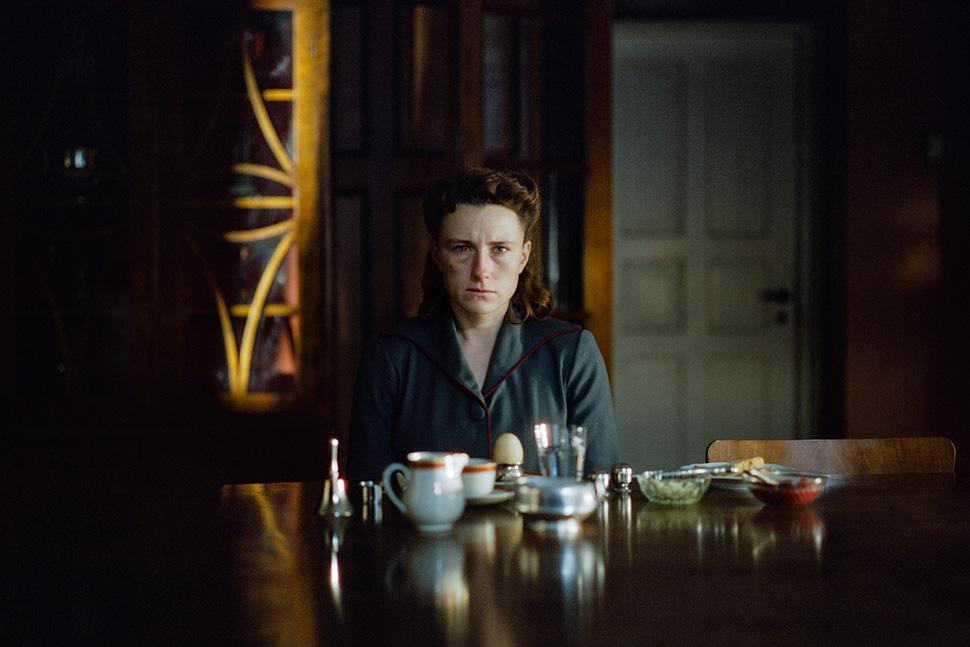
Her latest film follows Marie, a young nanny who is about to marry Christian, the wealthy older widower she works for. On the surface, it looks like Marie is finally stepping into a better life—but there is one part of her past she has kept carefully hidden.
During World War II, Marie had a relationship with a German soldier. Now, as she prepares to become the lady of the house, that secret threatens to resurface and put everything she has built at risk.
2. No Paradise If You Are Killed by a Woman
Director: Halkawt Mustafa, Norwegian-Kurdish
Section: Venice Open — Out of Competition
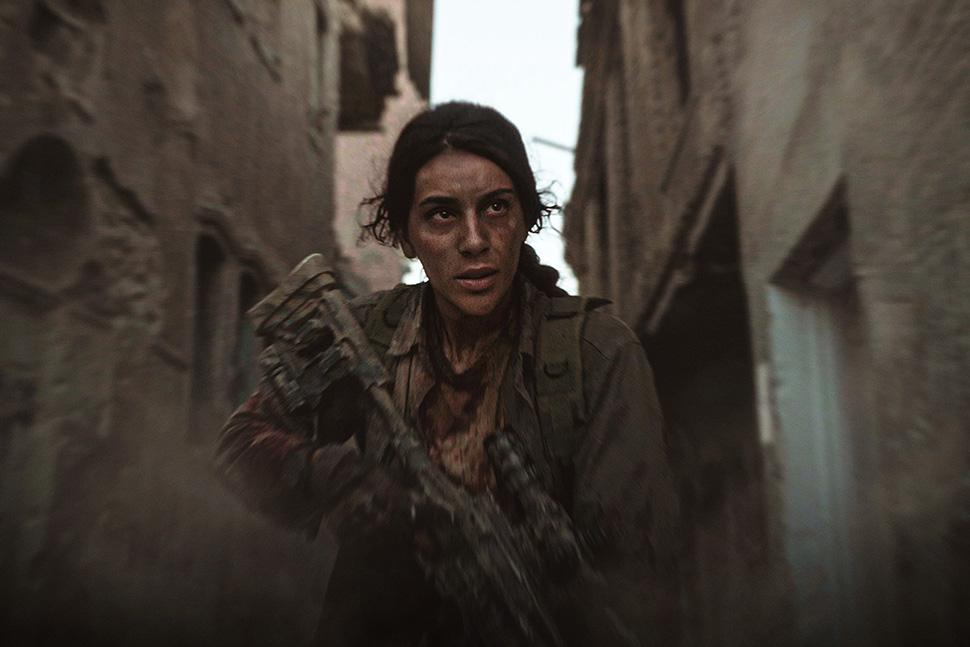
Vyan has survived war by doing what she had to do: shutting off her emotions and focusing on getting through it.
But when she learns that her younger sister—who was believed to have been lost during ISIS’ 2014 assault—may still be alive in Mosul, she returns to the city to find her.
Her journey begins as a search for her sister but soon forces her to face the memories and trauma she has spent years trying to keep buried.
3. A Few Moments of Happiness
Director: Shaden Safieddine Tazi, Lebanese-Moroccan
Section: Orizzonti
Sometimes, being far away does not make you feel any less connected to what is happening back home.
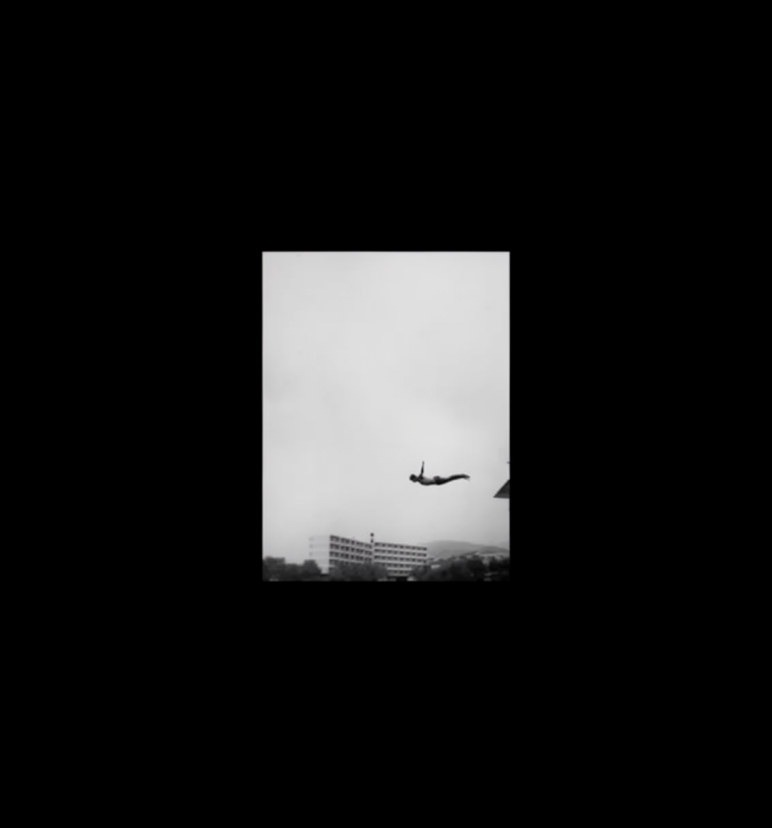
In this 18-minute documentary, a young Lebanese filmmaker watches the war in Lebanon unfold through her phone while lying in bed in Paris. Through screen recordings, conversations with family and long moments of silence, A Few Moments of Happiness explores what it means to witness the destruction of your homeland from a distance.
It is a deeply personal look at a generation forced to experience war through screens while being unable to physically return, help or change what is happening.
4. Citizen Osama
Director: Ahmed Hassouna, Palestinian
Section: Venice Open — Out of Competition
Osama used to work as an artistic photographer. Now, in northern Gaza, he documents war while trying to keep his own family safe.
As he records the destruction around him, he is also navigating life with his wife and newborn child amid hunger, loss and constant uncertainty. Despite everything, he continues filming—not as an outside observer, but as someone living through the reality he is documenting.
Citizen Osama offers a close and personal look at one man trying to protect his family, preserve what is happening around him and hold on to hope at the same time.
5. We Shall Return
Directors: Faiz Abu Rmeleh, Palestinian, and Keren Manor, Israeli
Section: Venice Immersive
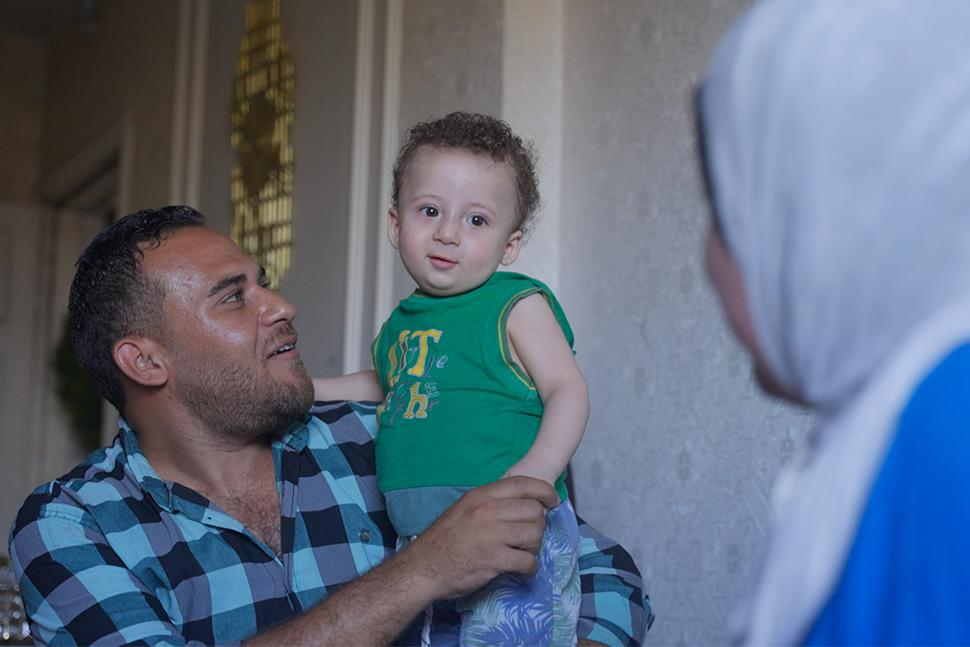
We Shall Return takes a different approach to documentary filmmaking by placing viewers inside the story rather than keeping them at a distance.
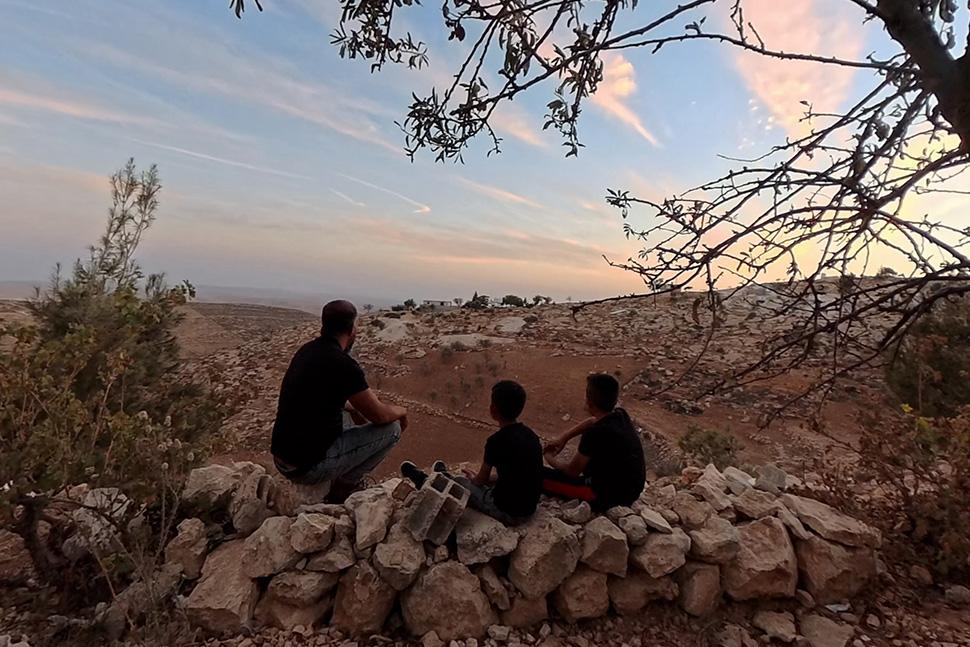
Filmed over three years, the immersive documentary follows the forced displacement of more than 11 Palestinian communities in the West Bank through the lives of three people experiencing it firsthand.
Using 360-degree footage alongside phone videos filmed on the ground, the project captures the daily violence and displacement affecting these communities while placing viewers inside landscapes that are gradually being erased.
The film is co-directed by Palestinian photojournalist Faiz Abu Rmeleh and Keren Manor, a documentary photographer and co-founder of the Activestills photo collective whose work focuses on the palestinian struggle for freedom.
6. Conversation With the Sea
Director: Muayad Alayan, Palestinian
Section: Venezia Spotlight
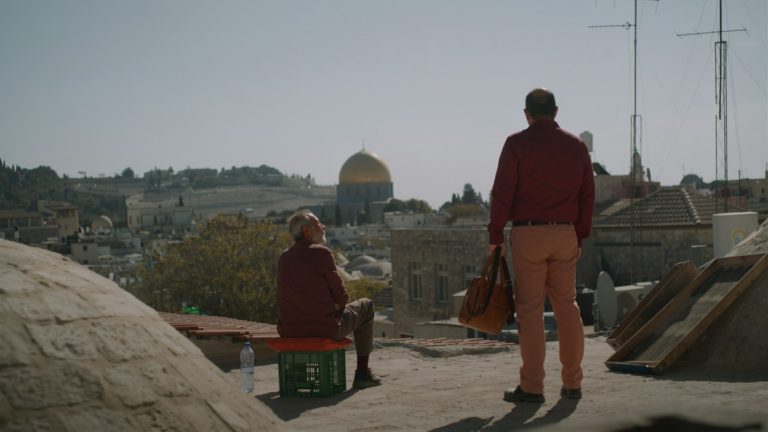
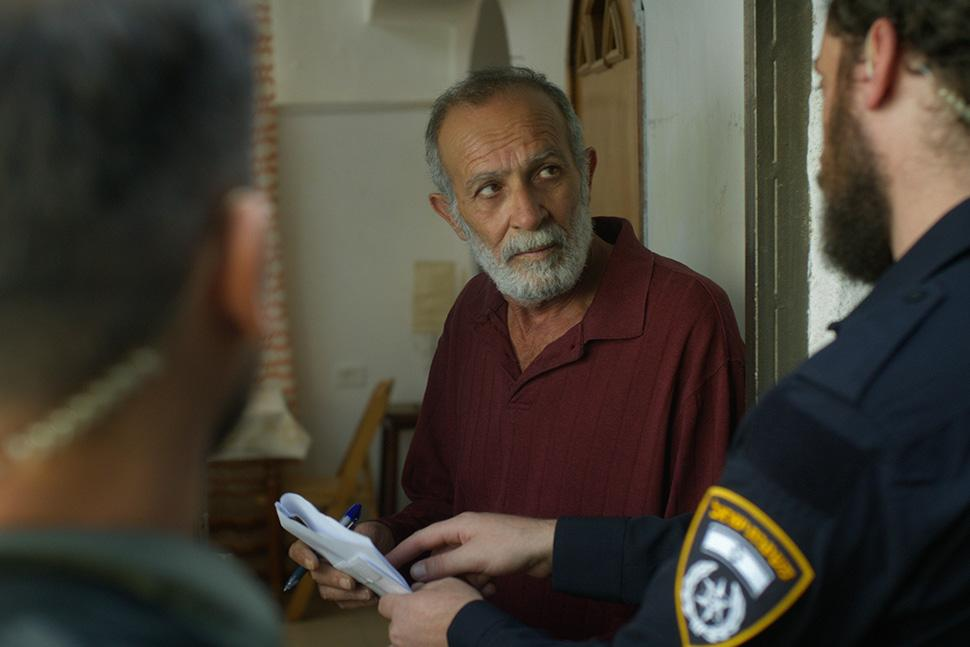
For Kamal, a 60-year-old Palestinian man living in Jerusalem, a financial demand unexpectedly opens the door to a mystery that has followed his family for decades.
An Israeli court orders him to pay a large social security debt allegedly owed by his son, Wael. But Wael drowned in the Red Sea many years earlier.
When Kamal discovers that there is no official record of his son’s death, he follows the only lead he has left in the hope of finding out what really happened—and finally getting the answers he has been missing for years.
7. Furies
Director: Rami Kodeih, Lebanese
Section: Venezia Spotlight
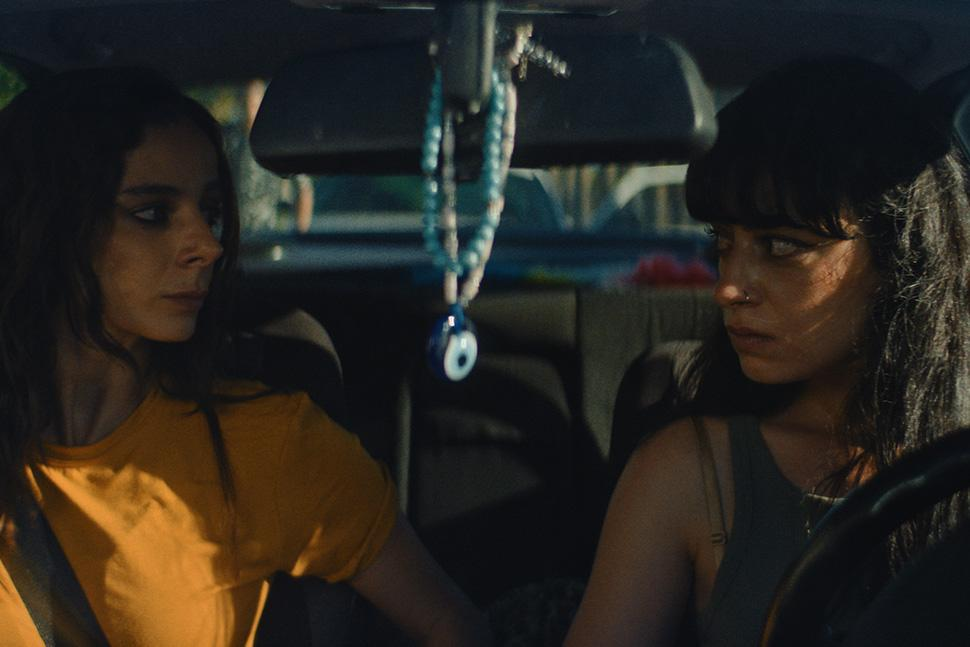
Lebanon’s banking crisis has left many depositors unable to access their own savings. Furies takes that very real frustration and turns it into an all-night heist.
After being denied access to their money, two women come up with a daring plan to get it back themselves. But this is not just about reclaiming what belongs to them—the money is needed to pay for a life-saving surgery.
Set against one of Lebanon’s most frustrating ongoing crises, the film brings together desperation, urgency and a little bit of “if no one will give us our money, we’ll take it ourselves.”
Arab Cinema Is Taking Up Space at Venice
These films may tell very different stories, but they are connected by the people at their centre: individuals trying to survive, protect their families, hold on to their homes or uncover the truth.
From Gaza and the West Bank to Lebanon, Mosul and postwar Europe, Arab filmmakers are bringing personal stories with much bigger realities behind them to Venice this year.
And with Kaouther Ben Hania joining the jury, Arab voices will be part of the conversation both on screen and behind the scenes.
WE SAID THIS: Don’t Miss…Arab-Directed Films Everyone Will Be Talking About At The Venice Film Festival