


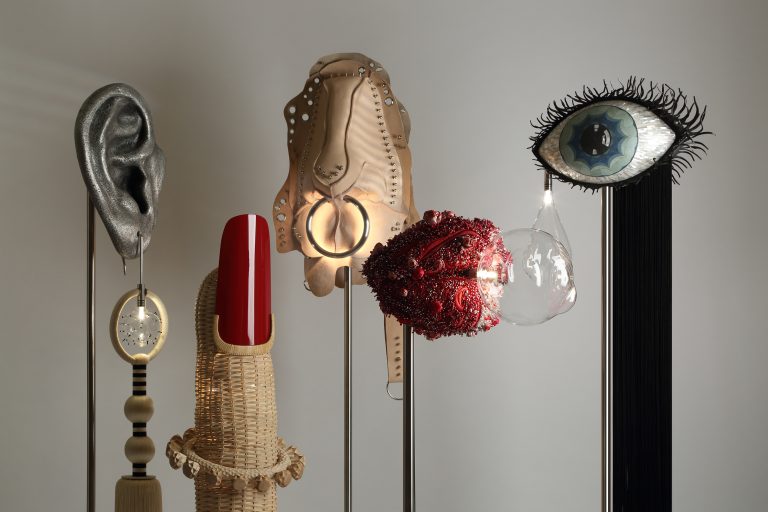
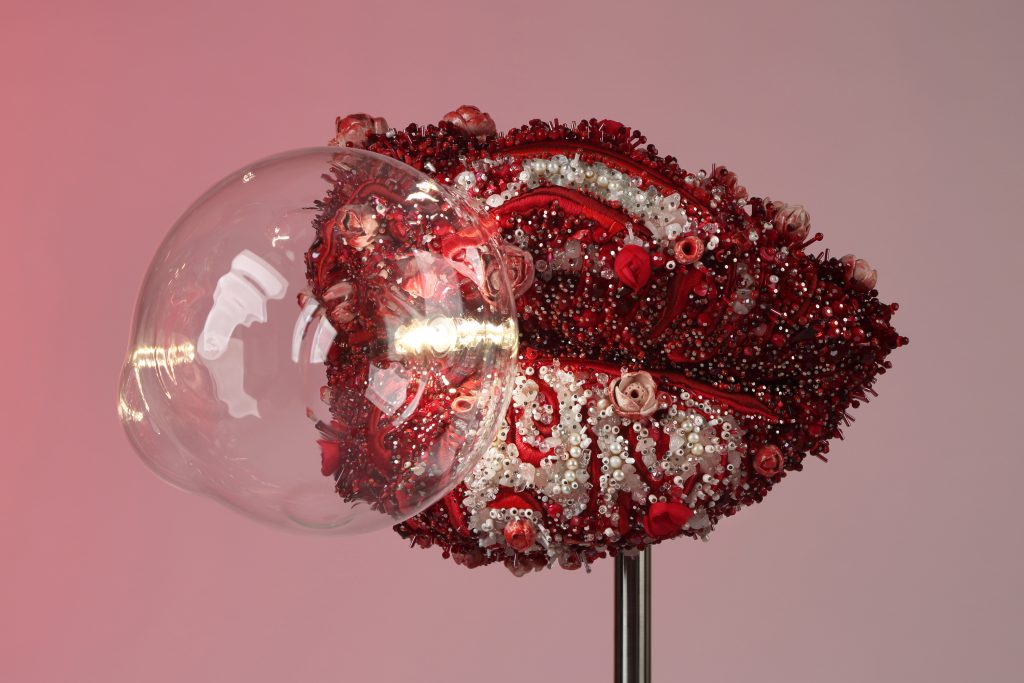
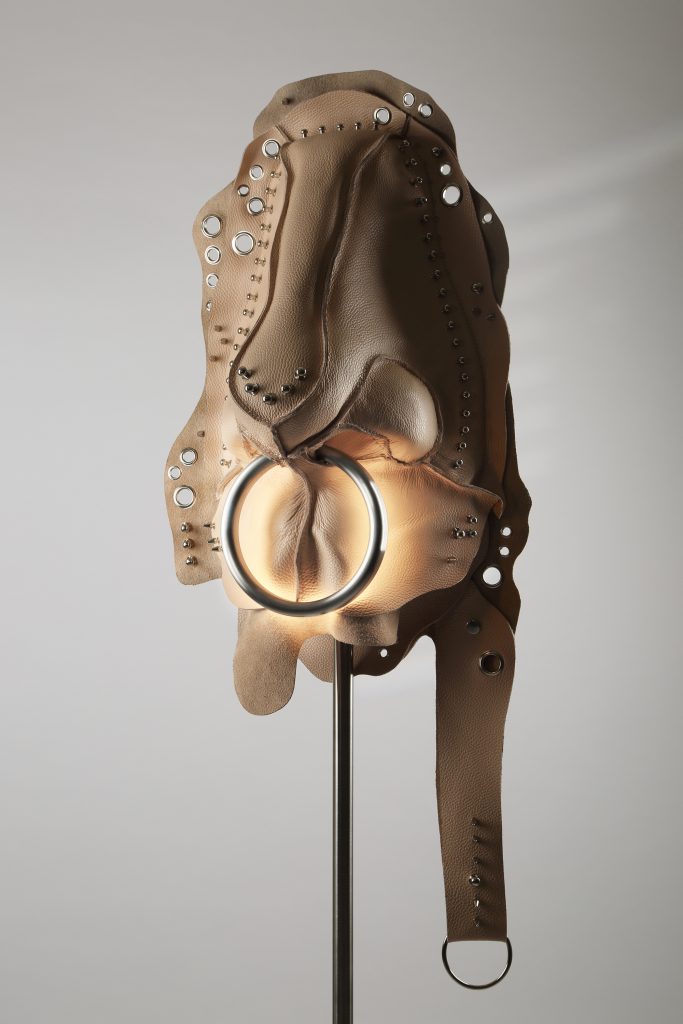
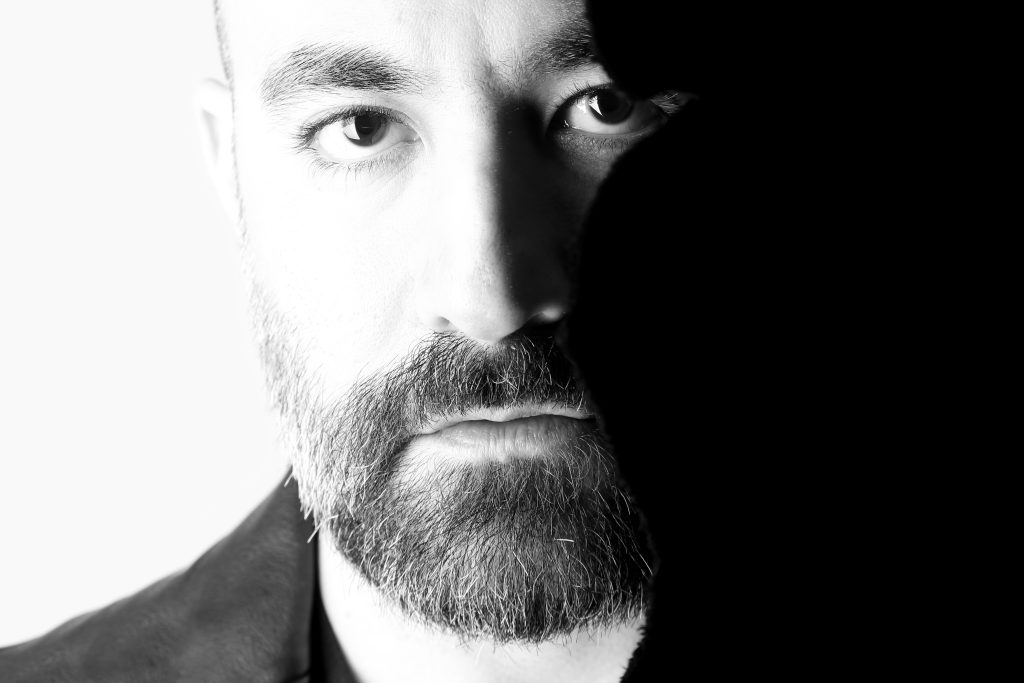
Lebanese interior architect Richard Yasmine doesn’t simply design objects; he translates emotion, memory, and heritage into physical form. At Milan Design Week, marking his 11th participation, he unveiled Vessels of the Intangible, a collection that explores the five senses through a blend of art, installation, and theatrical expression.
Beyond the work itself, this is a closer look at the man behind it: how his perceptions are shaped, and how his Lebanese roots continue to quietly inform everything he creates.
An Eye for Design from Day One
Yasmine describes a childhood shaped by contrast: beauty sitting right next to chaos, fragility layered with resilience. Even before studying design, he was already observing spaces as emotional carriers rather than decorative settings. For him, design didn’t appear as a sudden calling; it simply became the language he learned to express what he had always felt.
Growing up in Beirut, I was surrounded by a rich mix of sensory and architectural elements, old houses, arches, terrazzo tiles, fabrics, antiques, the scent of coffee and jasmine.
Finding Inspiration in the Intangible
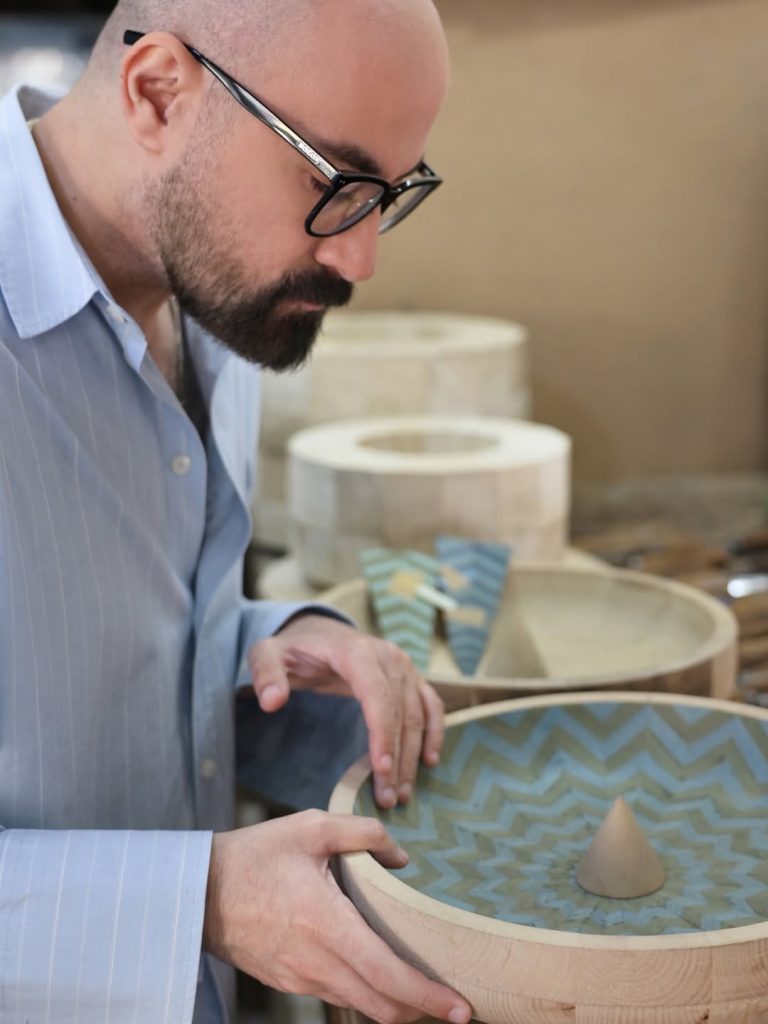
For Yasmine, inspiration isn’t something actively searched for, it’s absorbed over time and later reworked into form. He describes a practice rooted in observation rather than pursuit, where everyday fragments are collected mentally and only later transformed into design.
Inspiration comes from everything: architectural details, natural creatures, the human body, and even internal chaos. I don’t really ‘find’ inspiration but register it and translate it later.”
A Path Destined for Design
His path into design unfolded gradually, shaped by lived experience and Lebanon’s deeply rooted craft culture. That foundation, he explains, turned design into something essential, almost like a way of processing the world.
It wasn’t a single defining moment, but a gradual accumulation of experiences, fragments of life, nature, the human body, and social tensions that slowly shaped his way of seeing. He also points to Lebanon’s deep craft traditions as pivotal, revealing to him that design is not only conceptual but also rooted in the hand, gesture, and time invested.
Lebanese Roots at the Core
Coming from a country shaped by cultural density and ongoing cycles of destruction and rebuilding, he says this tension naturally filters into his work. Rather than depicting Lebanon directly, he embeds its complexity: memory, resilience, and contradiction, into objects that feel layered and emotionally charged.
My Lebanese roots are inseparable from my work. Lebanon is dense, culturally, historically, and emotionally.
Cultural Elements Reimagined
Design, for him, is not a nostalgic reference but a living language shaped by time and the hand. He is less interested in repeating tradition than in reinterpreting it, extracting its essence, and translating it into contemporary forms. The goal, he explains, is to preserve depth while allowing heritage to evolve rather than remain fixed.
Milan as a Space for Creative Dialogue
Milan Design Week represents, for Yasmine, more than exposure. It is a space where global design conversations converge, allowing ideas and cultures to collide. He sees it as a moment of dialogue rather than display, where work is not only seen, but also questioned and recontextualized within a wider international exchange.
A Commitment to Evolving Style
Now participating for the eleventh time, his presence in Milan has been built gradually over years of consistency rather than a sudden breakthrough. For him, it is about continuity: returning, refining, and steadily strengthening a voice within the international design landscape.
The Five Senses as Central Language
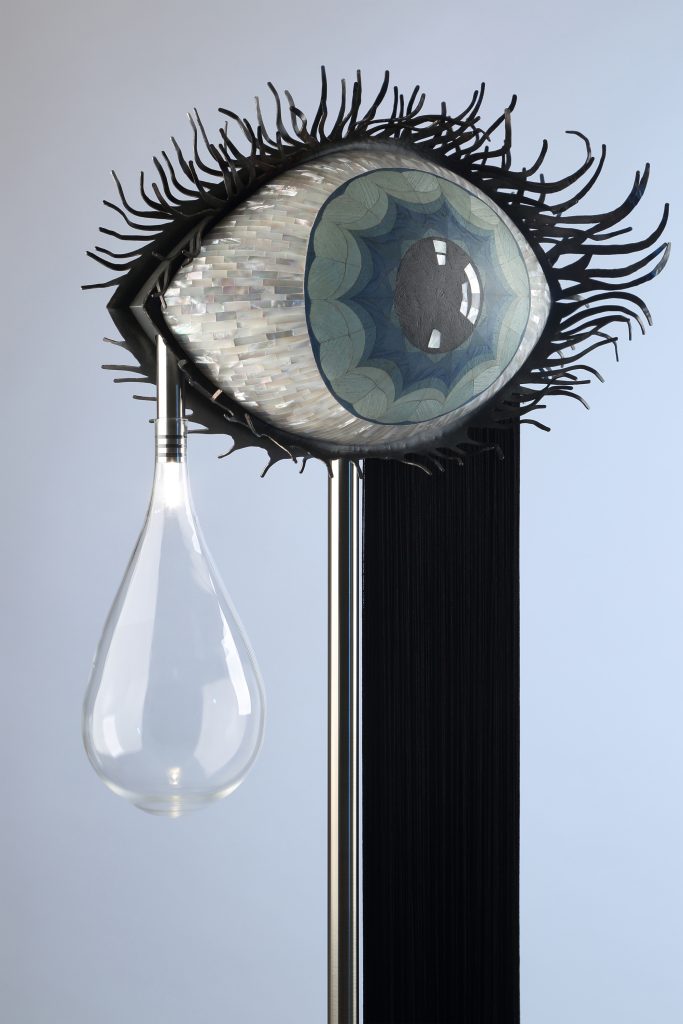
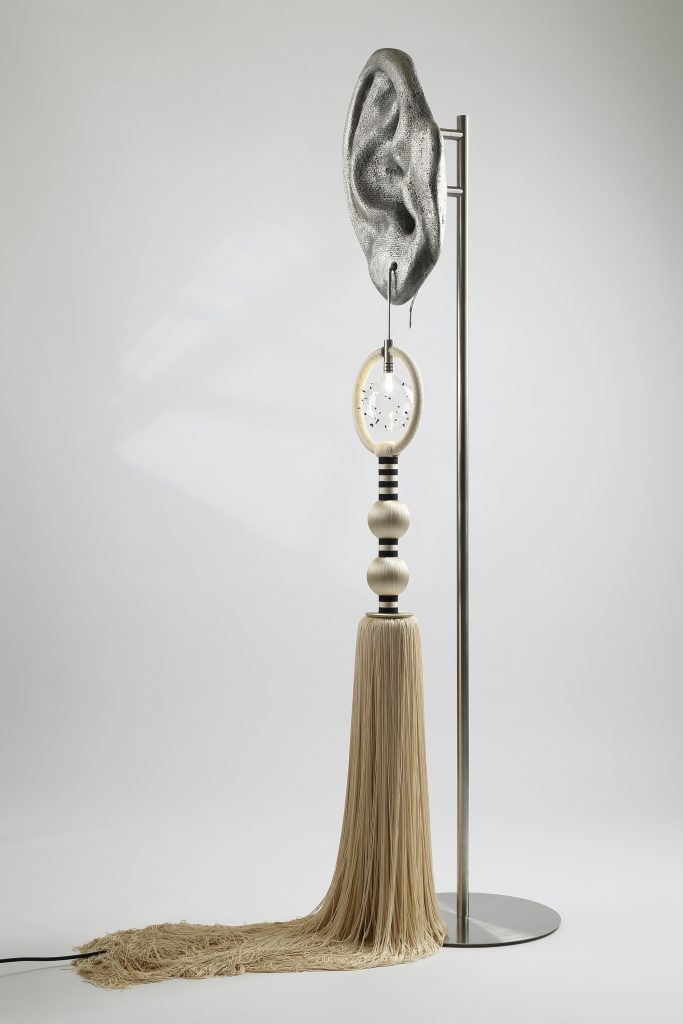
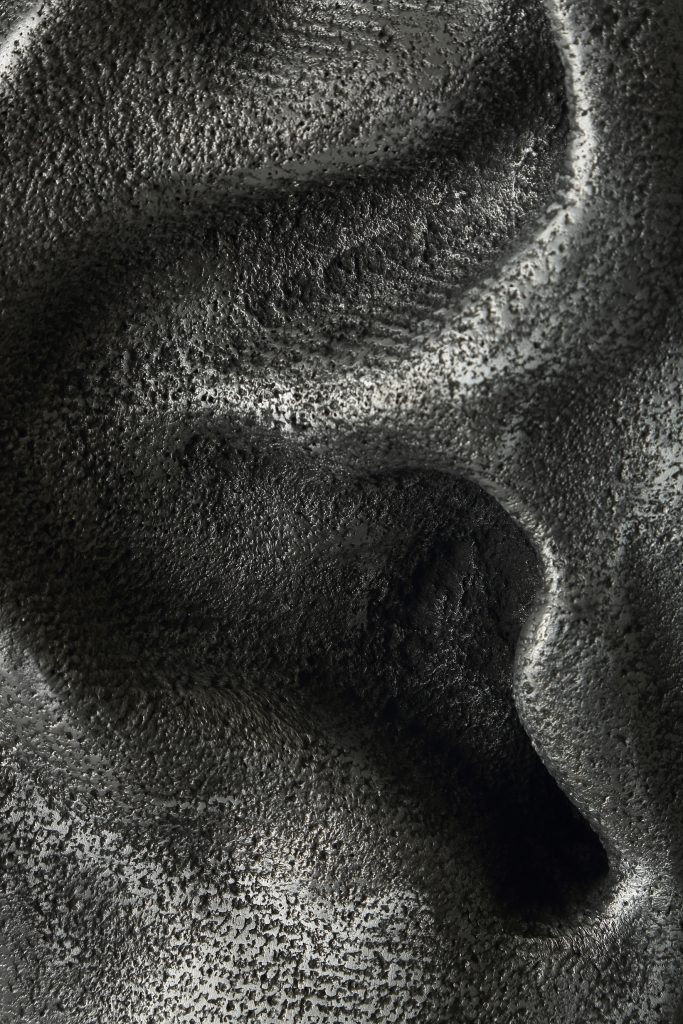
Working with 5VIE and the theme of qualia, Yasmine focused on perception before interpretation, the moment sensation precedes meaning. The five senses became his framework for translating invisible, internal experiences into physical form. The result is a collection that does not explain, but evokes.
A Challenge in Translation
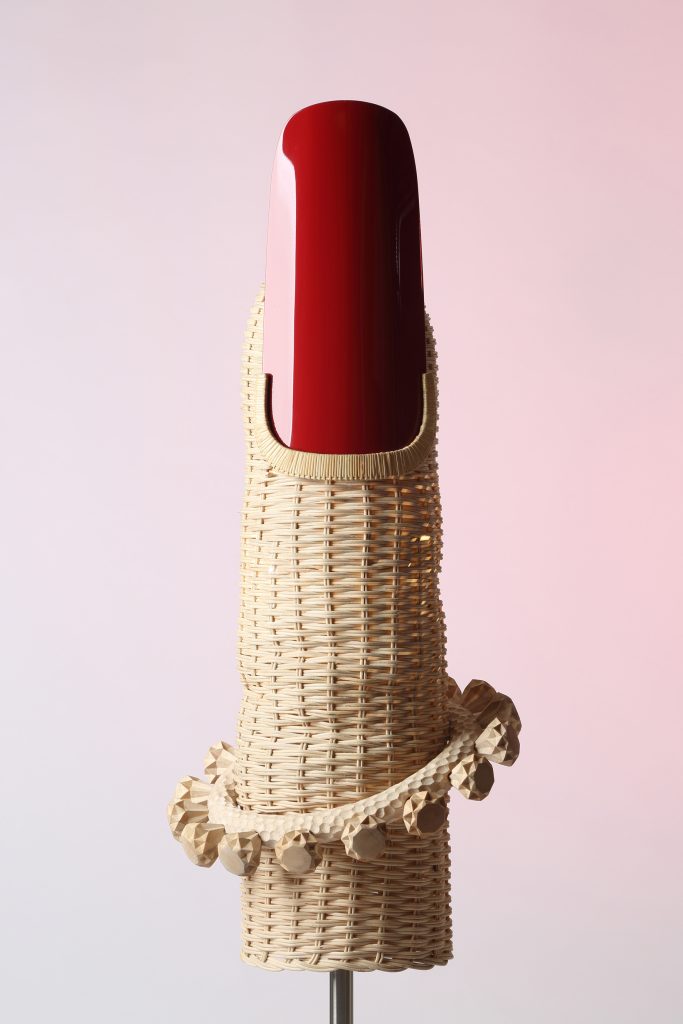
Among the senses, he found touch the most difficult to express. Yet it became one of the most symbolic elements in the collection. He describes the finger as a gesture of desire: reaching, claiming, and connecting, capturing a quiet tension between intimacy and possession.
Going Beyond the Surface
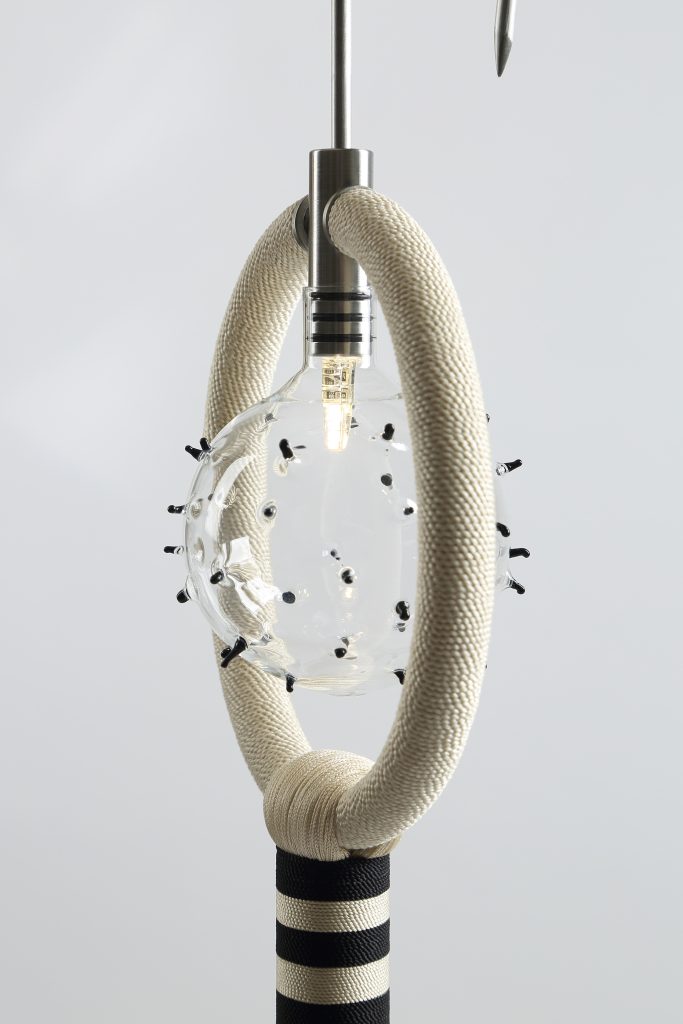
For Yasmine, design should never remain at the level of aesthetics or function alone. He sees the object as a vessel for meaning: cultural, emotional, or even ritualistic. The purpose of design, in his view, is to provoke thought and feeling, not just to serve a function or appearance.
Bold Next Steps
His current focus continues to move deeper into the psychological and emotional dimensions of design. Through what he calls “Beirut layers”, shaped by memory, tension, and reconstruction, he creates objects that act as triggers rather than answers.
Vessels of the Intangible extends this exploration, using the senses to evoke presence, absence, and memory. Moving forward, he aims to design experiences that resonate emotionally before they are understood, where objects hold desire, tension, and memory beyond function.
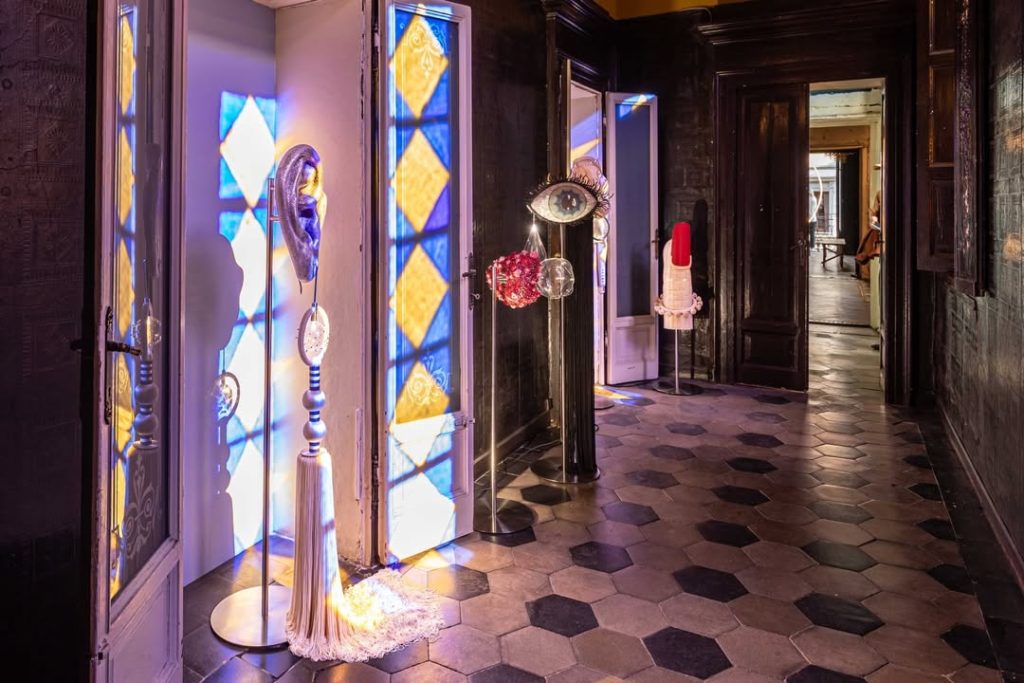
In the end, Yasmine’s work moves like memory itself: layered, shifting, and never fully fixed. Whether through light, material, or gesture, he builds objects that carry more than form; they hold emotion, tension, and traces of place. What emerges is not just a design language, but a continuous attempt to give shape to what is usually felt before it is understood.
We Said This: Don’t Miss… 7 Arab Countries Set to Bring Their Stories to the Venice Biennale 2026