


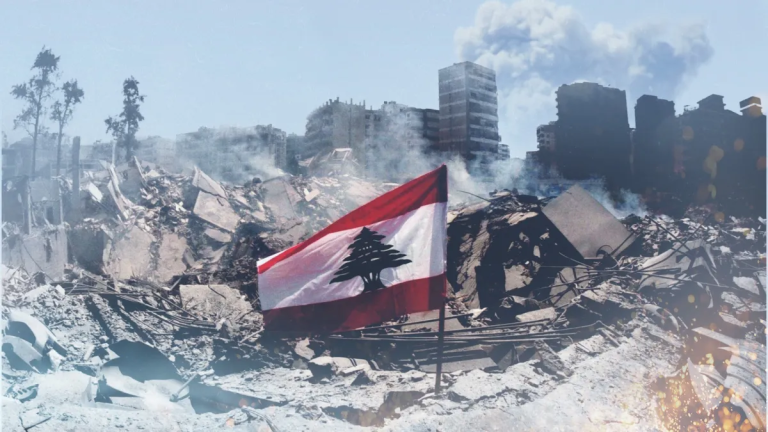
When people talk about the conflict between Israel and Lebanon, it’s often framed as a few separate wars—1978, 1982, 2006, and the recent flare-ups. But if you look at the broader story, it reads more like one long, evolving struggle that has never truly ended. Lebanon, especially the south, has repeatedly borne the brunt of invasions, bombardments, and occupation, while regional and global powers—particularly Israel, the US, and Iran have shaped the conflict’s trajectory.
The Early Roots (1948–1970)
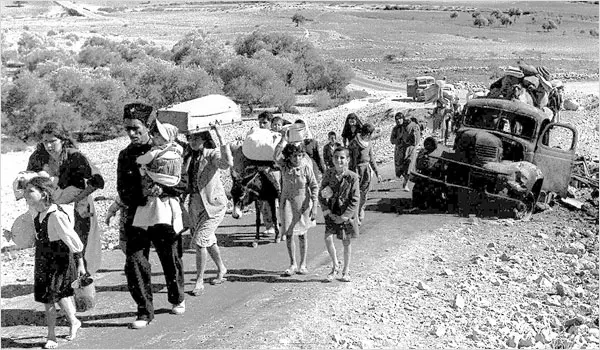
The story begins with the 1948 Arab–Israeli War, which followed the creation of Israel. When the war ended, tens of thousands of Palestinians had fled into Lebanon. Over time, about 100,000 refugees settled there, many in camps that still exist today.
By the late 1960s, armed Palestinian groups—especially the Palestine Liberation Organization—were operating from southern Lebanon and launching attacks into Israel. Israel responded with raids and airstrikes across the border, bringing the conflict directly onto Lebanese territory.
When the PLO was expelled from Jordan during the Black September conflict in 1970, its leadership relocated to Lebanon. That shift effectively turned southern Lebanon into one of the central front lines in the wider Arab–Israeli struggle.
Civil War and Invasion (1975–1982)
When the Lebanese Civil War erupted in 1975, the country’s fragile system collapsed. Multiple militias and foreign actors entered the conflict, and Lebanon quickly became a battleground for regional struggles.
In 1978 Israel launched Operation Litani, sending troops into southern Lebanon to push Palestinian fighters away from the border. The operation led to the beginning of Israeli occupation and influence and start of bloodshed with three massacres.
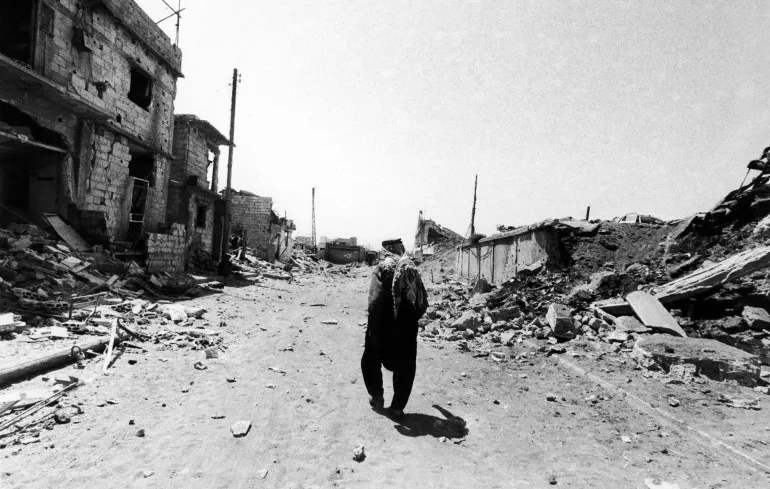
The escalation came in 1982 with the Israeli invasion of Lebanon, on a large scale, advancing all the way to Beirut and killing around 20,000 people. The fighting devastated parts of the country and forced the PLO leadership to leave Lebanon for Tunis.
While the invasion removed the PLO as a major force inside Lebanon, it also left large parts of southern Lebanon under Israeli occupation for years, planting the seeds for a new resistance movement.
The Rise of Hezbollah (1980s–2000)
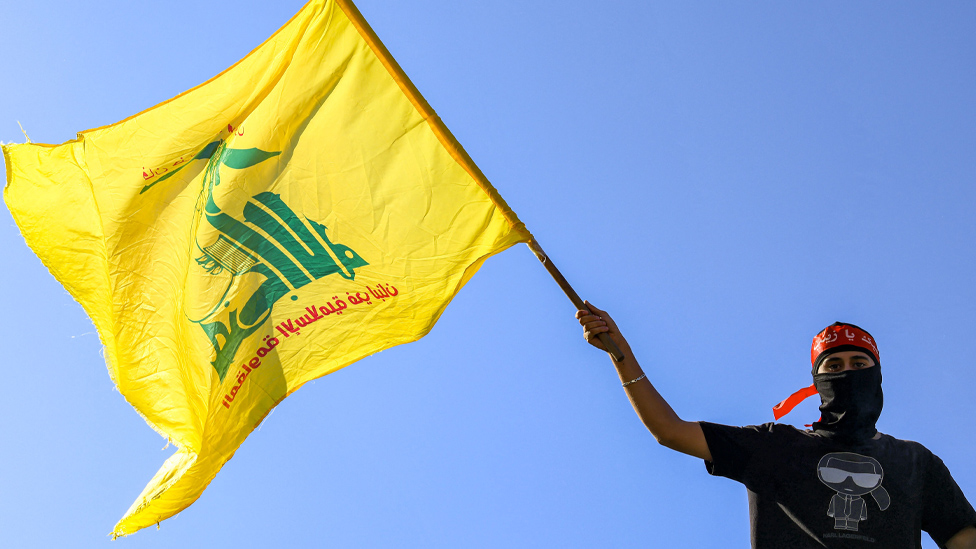
During the years of Israeli presence in southern Lebanon, Hezbollah emerged. Supported by Iran and politically backed by Syria, the group formed with the goal of ending the occupation.
Through the 1980s and 1990s, southern Lebanon became the site of persistent clashes. Guerrilla attacks targeted Israeli troops and allied militias, while Israeli airstrikes and artillery frequently hit villages and infrastructure in the region.
In May 2000, after 18 years, Israel withdrew its forces from southern Lebanon. For many Lebanese, especially in the south, the withdrawal was seen as the end of a long and costly occupation.
Yet the conflict did not truly end. Disputes over areas like Shebaa Farms kept tensions alive, and both sides continued to prepare for future confrontation.
The 2006 War
The fragile balance collapsed again in July 2006, when a cross-border clash triggered the July War.
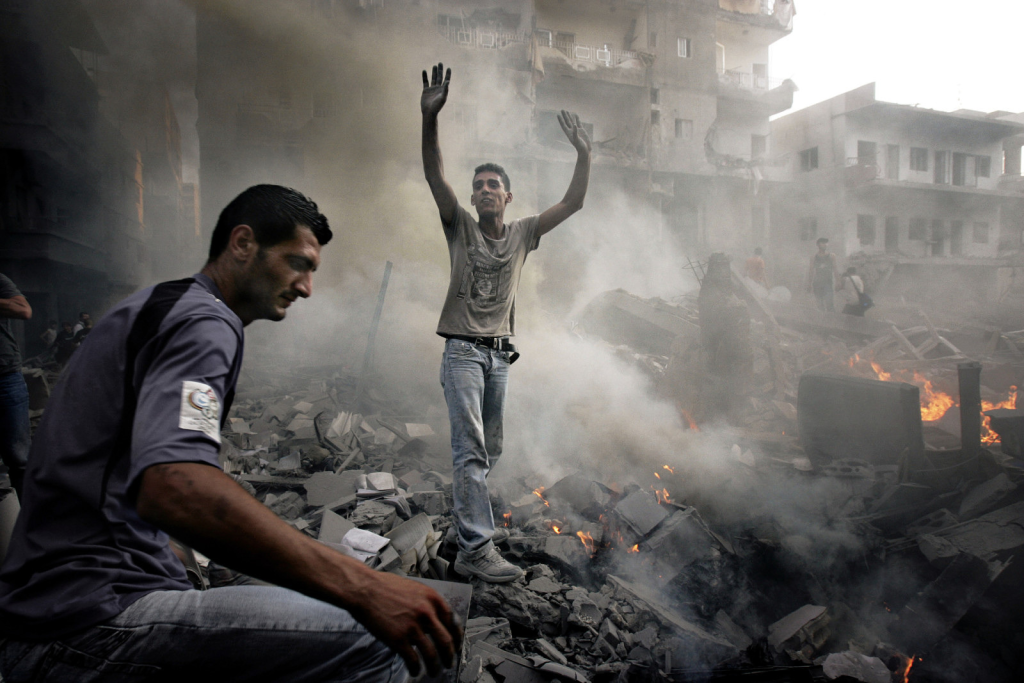
The fighting lasted just over a month, but the impact on Lebanon was enormous. Israeli airstrikes hit roads, bridges, power stations, and entire neighborhoods across the country. More than 1,000 people in Lebanon were killed, the vast majority civilians, and around one million Lebanese were displaced during the war.
Hezbollah fired thousands of rockets into northern Israel during the conflict, while Israeli bombardment caused widespread destruction across southern Lebanon and parts of Beirut. When the ceasefire arrived after 34 days, many towns in the south had been severely damaged.
A Border Cold War (2006–2023)
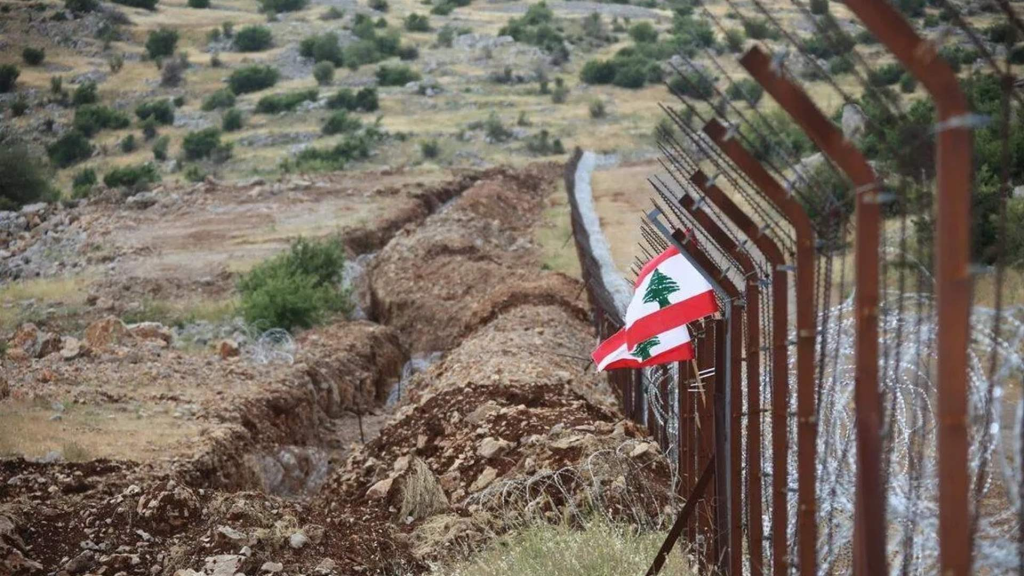
After 2006, the front line did not disappear, it simply hardened into a tense standoff. The two countries had accepted the UN Security Council resolution 1701, which called for an end to the fighting and for the Lebanese government to impose its authority on the whole of Lebanon’s territory. In the meantime, both Israel and Hezbollah rebuilt and expanded their military capabilities, but neither side seemed eager to trigger another full-scale war.
For years, the border existed in a strange balance: quiet on the surface, but heavily armed underneath. Occasional strikes and skirmishes continued, yet the situation often resembled a cold war along the frontier, where deterrence kept both sides from escalating too far.
Escalation Returns (2023–Present)
The fragile calm began to crack again during the genocide in Gaza. Soon after fighting began in Gaza, exchanges of fire between Israel and Hezbollah intensified along the Lebanon–Israel border.
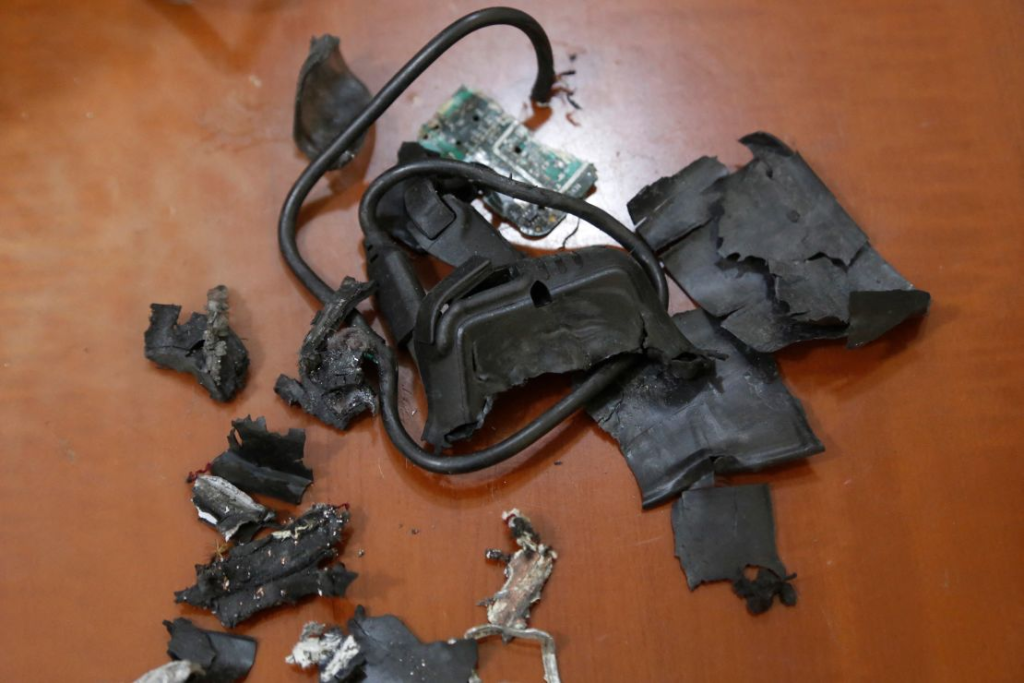
On September 17, 2024, Israel began a massive offensive in Lebanon, detonating pagers and walkie-talkies that killed Hezbollah and civilians indiscriminately.
Airstrikes, artillery, and rocket fire forced tens of thousands of people to flee towns in southern Lebanon. Villages in Lebanon once again experienced damage from bombardment, reviving memories of earlier wars. About 1 million Lebanese have abandoned their homes for safety, while more than 680 people were killed.
The struggle is ongoing with a senior Israeli official threatening Lebanon, “We are going to do what we did in Gaza.”
Conclusion
Seen across decades, the Israel–Lebanon struggle is not just a sequence of wars. It is a long and evolving confrontation that has repeatedly shifted between open warfare and uneasy standoff.
Lebanon has often been the terrain where much of that confrontation plays out, especially in the south, where invasions, bombardment, and occupation have left lasting scars on towns and communities.
Even in quieter periods, the conflict never truly disappears. It simply moves into a colder phase, defined by military buildup, fragile deterrence, and the constant possibility that the next spark could turn the border hot again.
WE SAID THIS: Don’t Miss…From Silver Screen to Survival: The Story of Lebanon’s Old Cinemas