


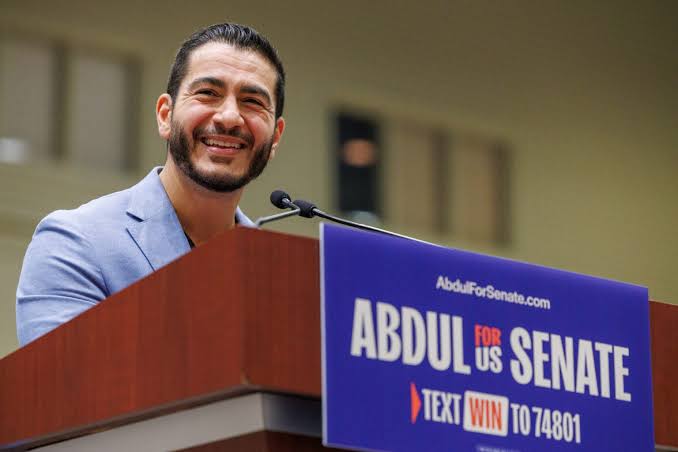
Progressive Democrat Abdul El-Sayed has won Michigan’s Democratic Senate primary, defeating Congresswoman Haley Stevens in one of the state’s most closely watched races. Throughout his campaign, El-Sayed centered his platform on progressive policies including Medicare for All, taxing billionaires, expanding healthcare access, and abolishing US Immigration and Customs Enforcement (ICE). His victory now sets up a high-stakes Senate race in November.
From Medicine to Politics
Born in Michigan to Egyptian immigrant parents and raised in Southeast Michigan, El-Sayed originally set out to become a physician. He studied medicine before realizing that he wanted to tackle public health issues through public policy rather than clinical practice. That decision led him into politics, where he has built a reputation as one of Michigan’s leading progressive voices.
A Public Health Record
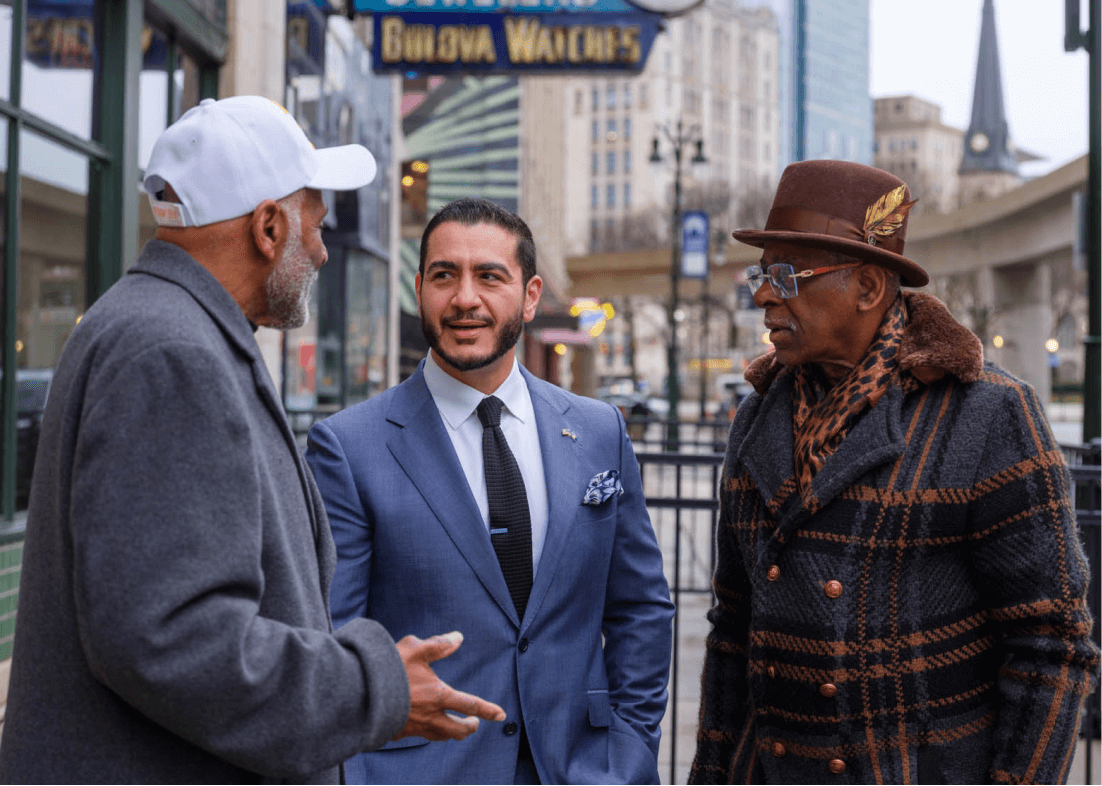
Although he left medicine for politics, El-Sayed’s healthcare background has shaped much of his work in public office. During his time in public health leadership, he helped secure free prescription glasses for children who needed them, worked to remove lead from Detroit elementary schools, took on some of Michigan’s biggest industrial polluters, and expanded access to the overdose-reversal medication Narcan. He also led an initiative expected to cancel up to $700 million in medical debt for Michigan residents.

A Vocal Critic of US Policy Toward Israel
One of the defining issues of El-Sayed’s campaign has been his stance on US policy in the Middle East. He has repeatedly called for ending unconditional US military aid and weapons sales to Israel, describing Israel as a “rogue state” and highlighting the horrific genocide in Gaza.
In a recent interview with The New Yorker, he said:
I am not O.K. saying that, as a senator from Michigan, I’m going to take tax dollars from Michigan, send them to a foreign government that does heinous things in contraposition to the ideals that I support.
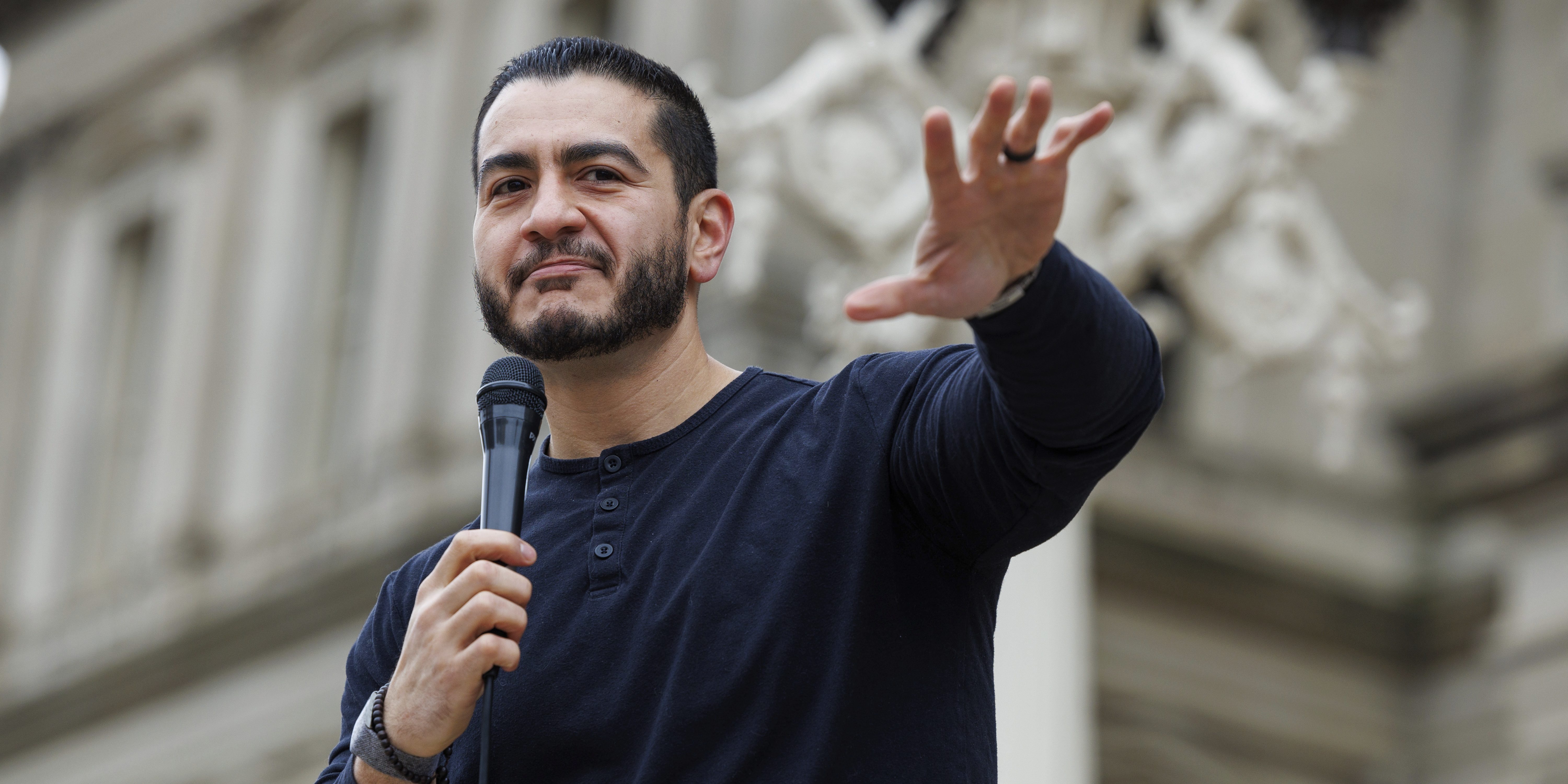
The issue carries particular weight in Michigan, which is home to one of the largest Arab American communities in the United States. His position resonated with many progressive and Arab American voters who have pushed for a shift in US policy toward the region.
A Sharp Contrast With Haley Stevens
El-Sayed’s primary victory came after a competitive and often contentious race against Congresswoman Haley Stevens. The two candidates represented sharply different positions on Israel and Gaza.
Stevens has long been a strong supporter of Israel, once saying that “Israel comes to me in my dreams.” She has rejected claims that Israel is committing genocide in Gaza and recently voted to continue US military funding for Israel without conditions.

For many progressives, El-Sayed’s win represents a significant victory for a growing movement within the Democratic Party that is challenging longstanding US support for Israel and calling for major changes to American foreign policy.
What’s Next?
With the Democratic nomination secured, El-Sayed will now face Republican Mike Rogers, who ran unopposed in his party’s primary, in November’s general election. If elected, El-Sayed would become one of the Senate’s most progressive voices, bringing his healthcare-focused agenda and outspoken positions on domestic and foreign policy to Capitol Hill.
El-Sayed would also become the first Muslim elected to the US Senate, a historic milestone in American politics. He would also be one of the few Arab Americans to ever serve in the Senate.
His campaign is expected to remain closely watched as one of the country’s most consequential Senate races this election cycle.
We Said This: Don’t Miss… 7,000 Shoes Turn a Beach in The Hague Into a Memorial for Children Killed in Gaza