


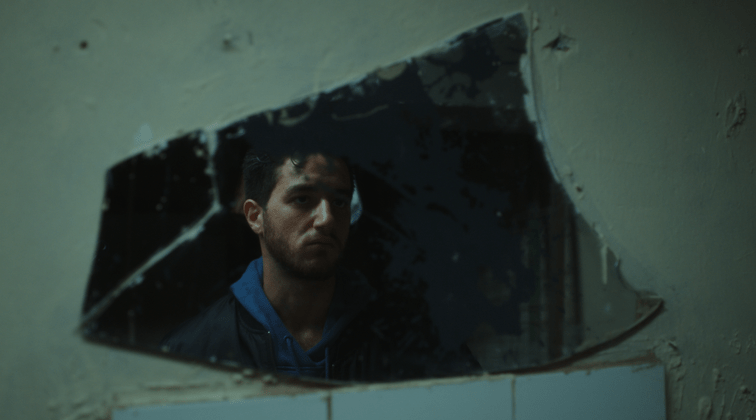
My Father’s Scent, directed by Mohamed Siam, is a tense, intimate family drama set in the rainy streets of Alexandria. On the eve of Eid al-Adha, the film explores the fractured bonds between a father and his son, revealing the weight of unresolved anger, grief, and familial expectation. Alexandria itself is more than a backdrop; it mirrors the film’s emotional landscape: familiar, layered, and tinged with nostalgia and tension.
Dialogue, Anger, and Emotional Outbursts
The film’s power lies in its dialogue and the raw intensity of human emotion. Farouk, played by the talented Ahmed Malek, channels his frustration and grief through bursts of anger: smashing bathroom fixtures, storming through rooms, and confronting his father with decades of resentment.
The dialogue is sharp, witty, and often laced with bitter humor, creating moments of banter that feel both naturalistic and loaded with subtext. This verbal duel drives the narrative, allowing the audience to feel the electric tension between father and son as old wounds are exposed and tested.
Reality vs. Appearance and Double Lives
The characters’ appearances often mask the truth beneath. Sara, Farouk’s girlfriend, navigates a double life, veiled and reserved at home, but privately pursuing her own desires and intimate connections with Farouk; while the older brother, Ali, appears perfect and dutiful but is motivated more by inheritance than genuine care.
Farouk, the “black sheep,” seems reckless and self-destructive, yet his actions are tied to love, duty, and the need to support his father, who is beautifully portrayed by Kamel El Basha. These contrasts underline the film’s recurring exploration of reality versus perception, a theme that threads through every room of Omar’s apartment and across Alexandria’s streets.

Symbols of Memory: The Cologne and the Car
Symbolism runs deep in the narrative, especially in the film’s titular cologne. On one level, Farouk literally takes a bottle of his father’s cologne—a parting gift and a tangible connection to him, a kind of emotional inheritance. On another level, however, the cologne carries a darker, more haunting resonance: from the very first moment Farouk sees his father after the coma, he notices a strange, unsettling scent—perhaps the lingering “scent” of death and unresolved conflict. This duality—physical object and symbolic presence—underscores the tension between life and loss, suggesting that Farouk has been confronting the weight of his father’s presence and the inevitability of mortality long before their final confrontation.
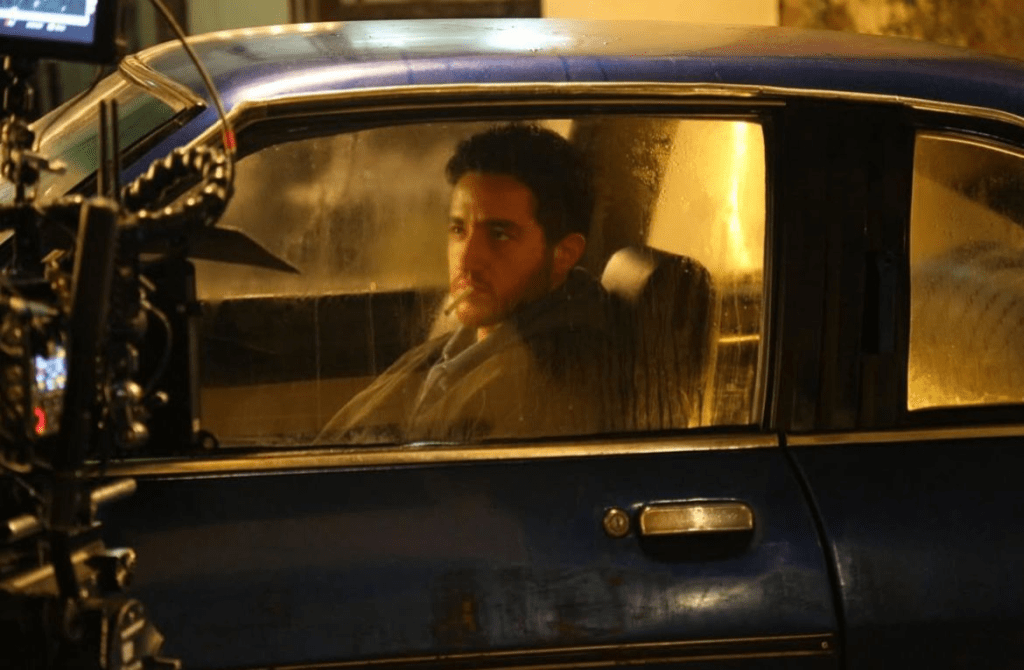
Similarly, the car—where Omar reveals Farouk was conceived, nearly born, and later shares a final drive with him—becomes a vessel of memory, confrontation, and reconciliation. These objects anchor the characters’ emotions, bridging past and present in tangible ways.
Deathbed Reconciliation and the Question of Moving On
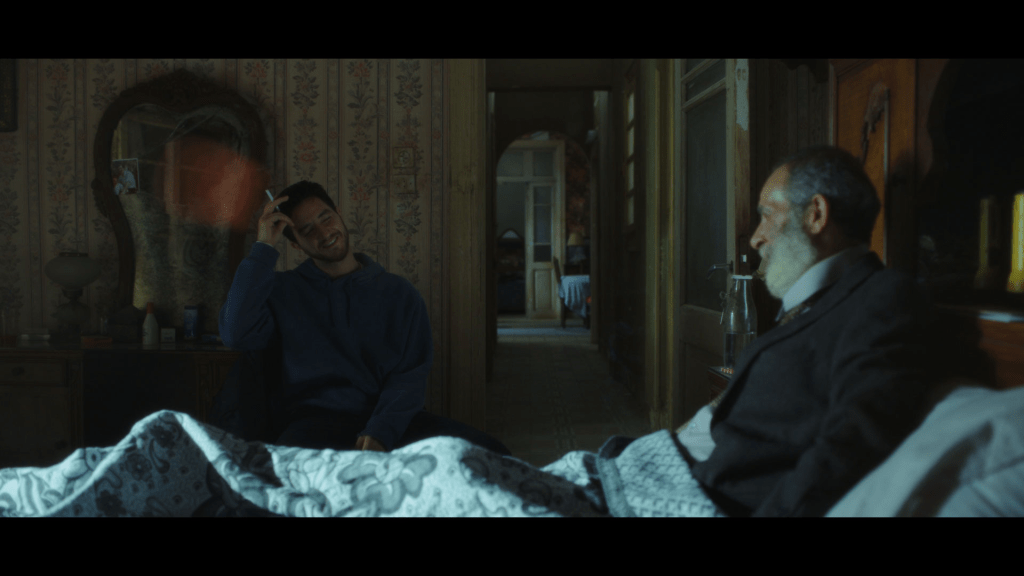
The film builds toward a quiet but profound reconciliation on Omar’s deathbed. Farouk faces the complexity of his father’s life and actions, recognizing truths that reshape his understanding of both parents.
Yet many questions linger by the film’s end. The father confesses truths about the mother and his own past, but Farouk—and the audience—never fully learns all the details, leaving a haunting ambiguity.
Did the pills Farouk gave his father contribute to his death? And now, free from the burden of paying hospital bills, will Farouk finally let go of the drugs, breaking the cycle that entangled him for so long?
These unresolved questions underscore the film’s focus on ambiguity, regret, and the imperfect, often messy nature of familial bonds.
Conclusion
My Father’s Scent is a poetic and intense exploration of family, anger, and reconciliation. Set in Alexandria, it uses dialogue, emotional confrontation, and symbolic objects to examine the fractures that define father-son relationships, the illusions of perfection, and the sacrifices demanded by love.
Through humor, banter, and bursts of raw emotion, the film asks whether we can bridge the divides left by grief and resentment—and whether one final night with a loved one can bring closure, understanding, or the first steps toward letting go.
The masterful direction, combined with the brilliant performances of Ahmed Malek and Kamel El Basha, brings every nuance, tension, and subtle revelation to life, making the emotional journey of the film unforgettable.
WE ALSO SAID THIS: Don’t Miss…6 Films to Keep on Your Radar at the Red Sea International Film Festival