


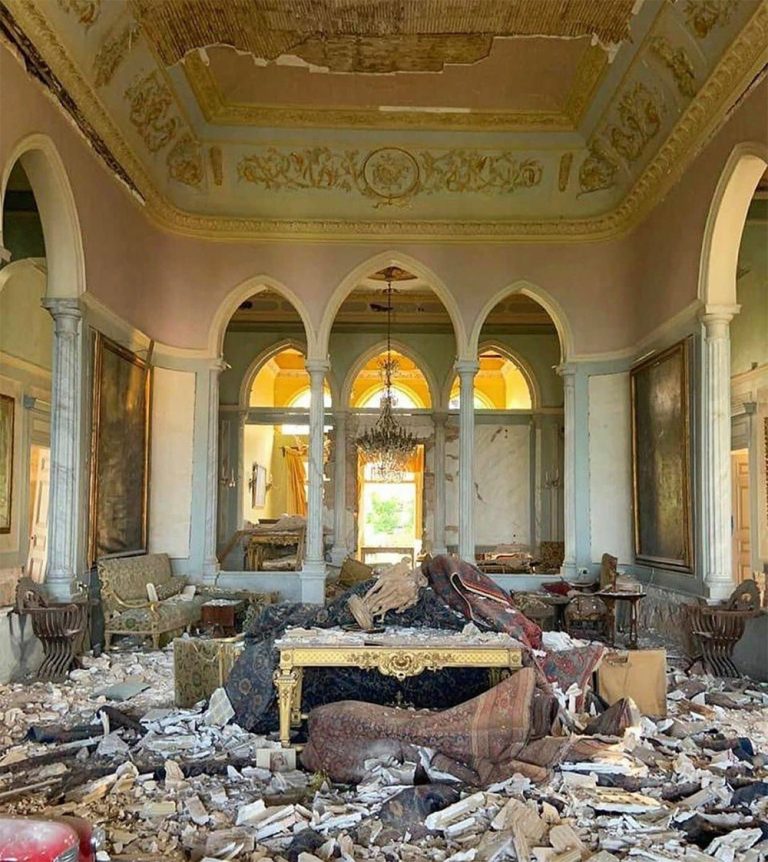
On August 4, 2020, Lebanon witnessed one of the darkest days in its modern history. Around 2,750 tons of improperly stored ammonium nitrate exploded in Hangar 12 at the Port of Beirut, triggering one of the largest non-nuclear explosions ever recorded. The blast killed more than 230 people, injured over 6,000, displaced hundreds of thousands, and tore through large parts of the Lebanese capital. Six years later, while many neighborhoods have slowly rebuilt, several of Beirut’s most iconic landmarks still carry the physical and emotional scars of that devastating day.
Port of Beirut
At the center of the disaster was the Port of Beirut itself. Once Lebanon’s main maritime gateway and a vital economic lifeline, the port was almost completely devastated by the explosion. Warehouses, shipping facilities, and surrounding infrastructure were destroyed, crippling trade and leaving behind a landscape that became a lasting symbol of the catastrophe.

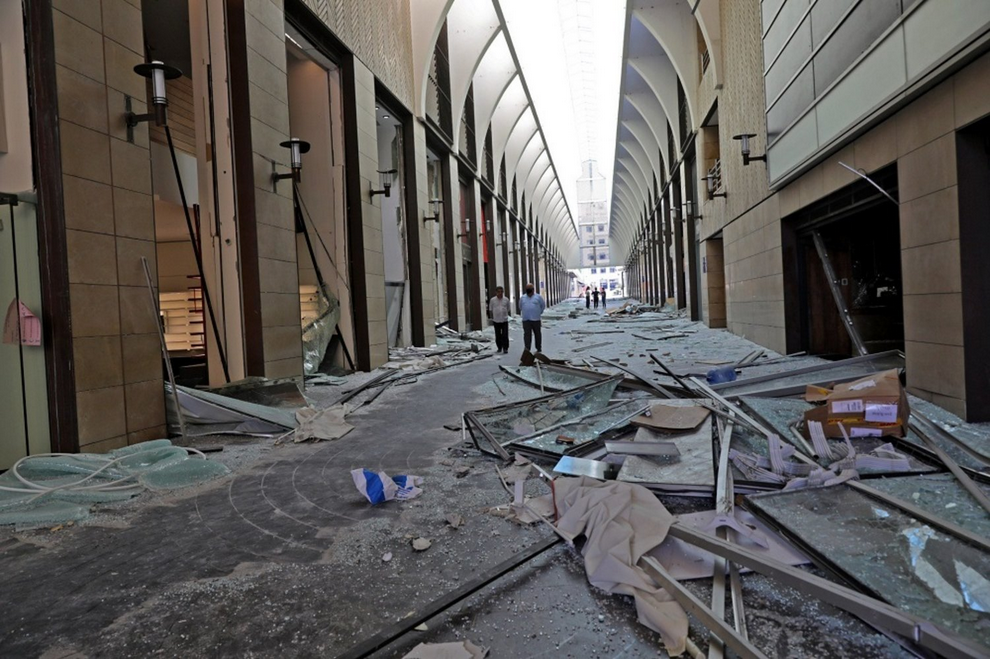
Beirut Souks
Beirut Souks, one of the city’s busiest shopping and dining districts, suffered extensive damage despite being located west of the blast site. Storefronts, restaurants, and luxury boutiques had their windows and glass facades blown out by the powerful shockwave. In the aftermath, officials estimated that repairing damaged public spaces and heritage buildings across downtown Beirut would cost billions of dollars.

Mohammad Al-Amin Mosque
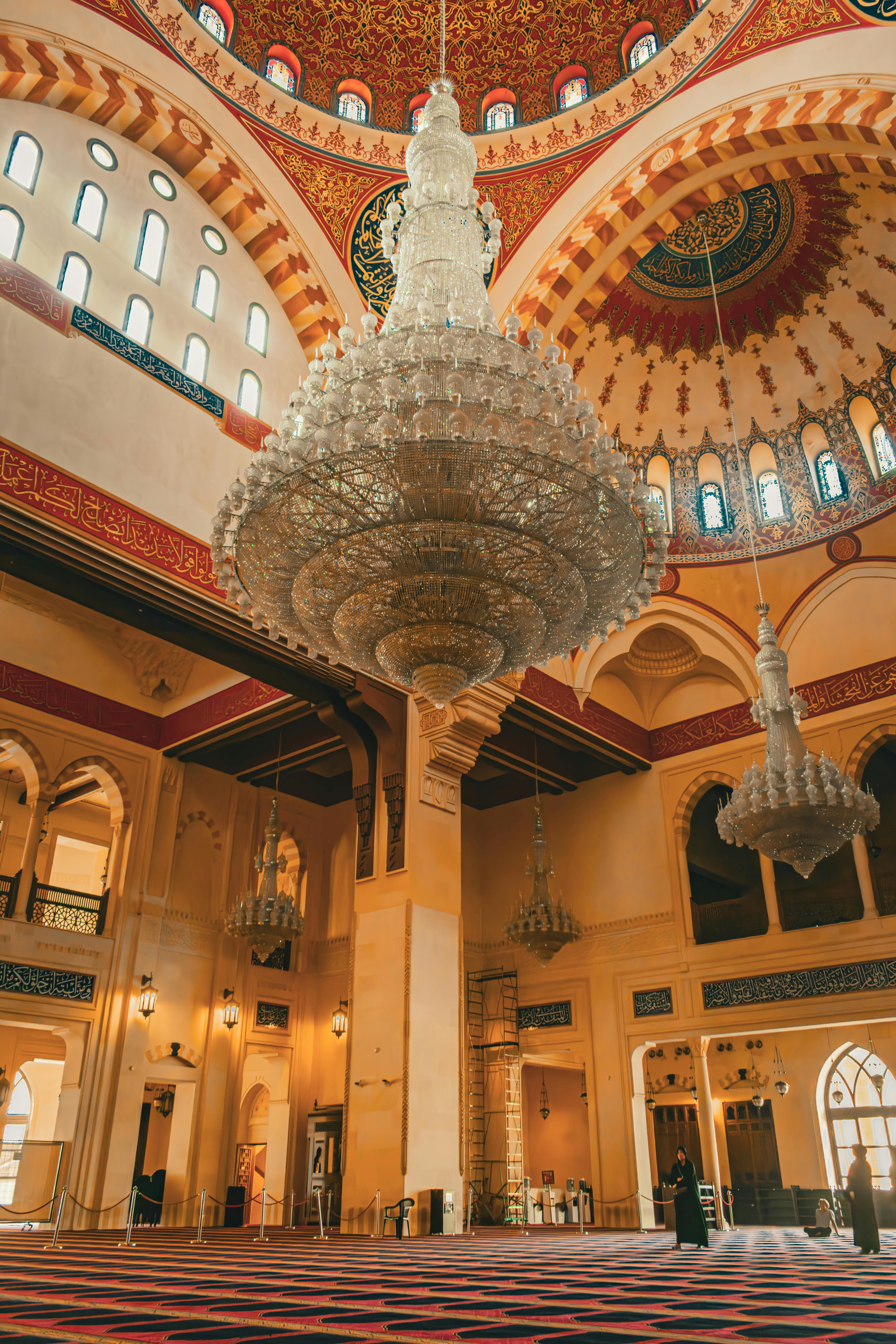
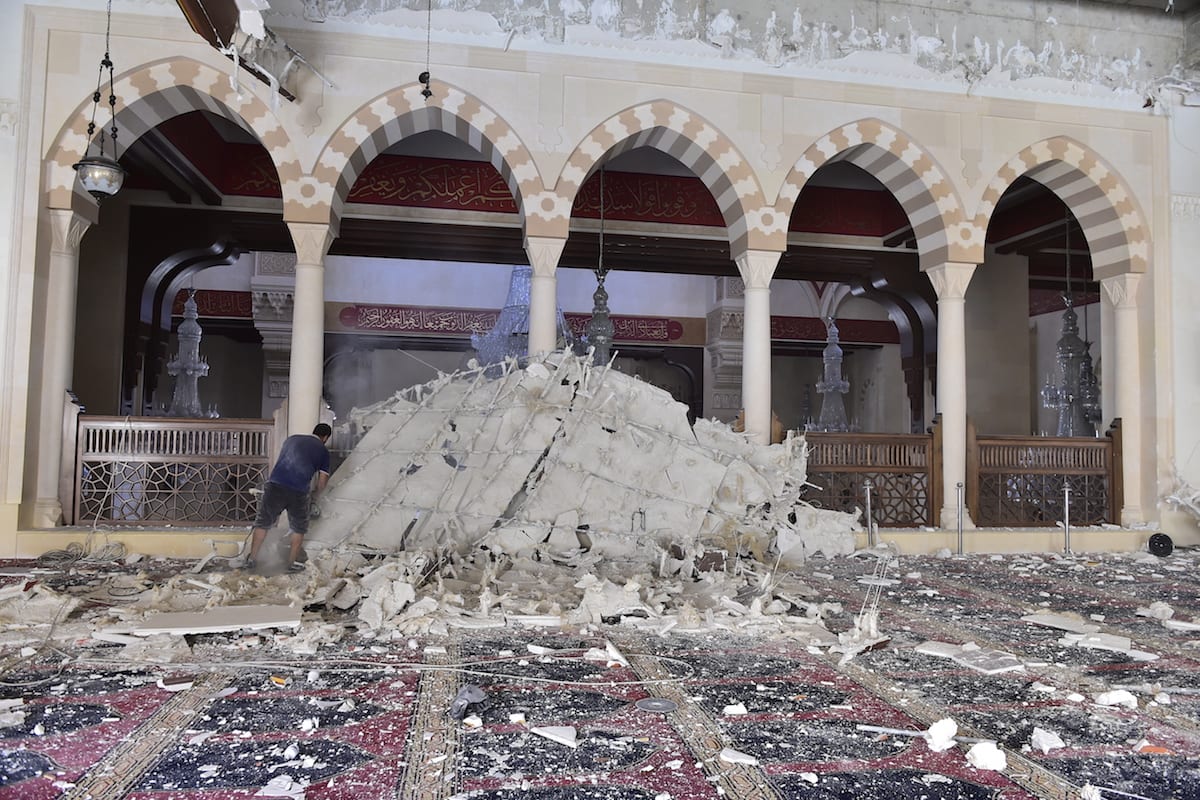
Mohammad Al-Amin Mosque, one of Beirut’s most recognizable landmarks, was heavily affected by the blast. Just days after worshippers had gathered for Eid celebrations, volunteers and community members returned to clear shattered glass, debris, and damaged interiors, highlighting the resilience of Beirut’s residents in the face of tragedy.
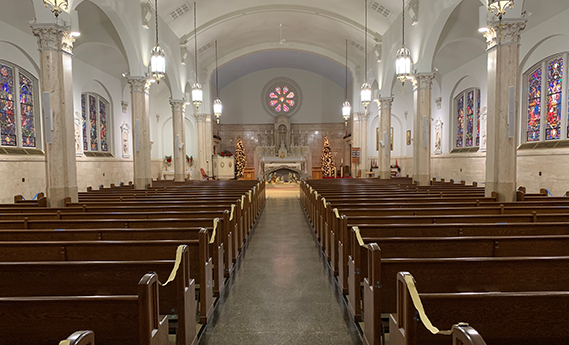
Saint George Maronite Cathedral
Saint George Maronite Cathedral sustained severe structural damage from the explosion. The cathedral, an important spiritual and historical landmark for Lebanon’s Maronite community, suffered cracked walls, damaged interiors, and significant restoration needs before it could safely reopen.

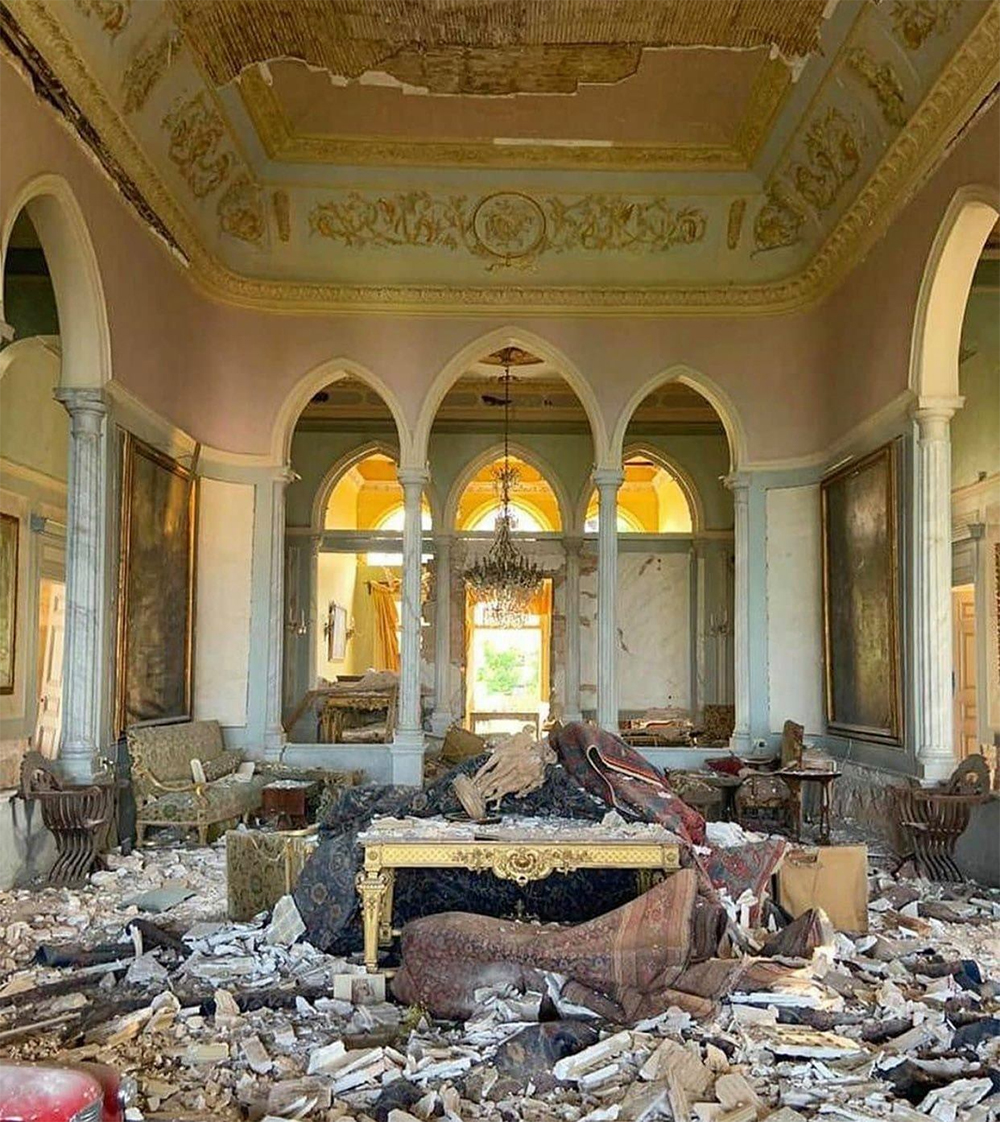
Sursock Palace
Sursock Palace, a historic 19th-century mansion in Beirut’s Achrafieh district, was among the city’s hardest-hit heritage sites. Located less than a kilometer from the blast, the palace lost ceilings, interior walls, stained glass, and priceless historical collections. The explosion caused catastrophic damage to one of Lebanon’s finest examples of aristocratic architecture, prompting years of restoration efforts.

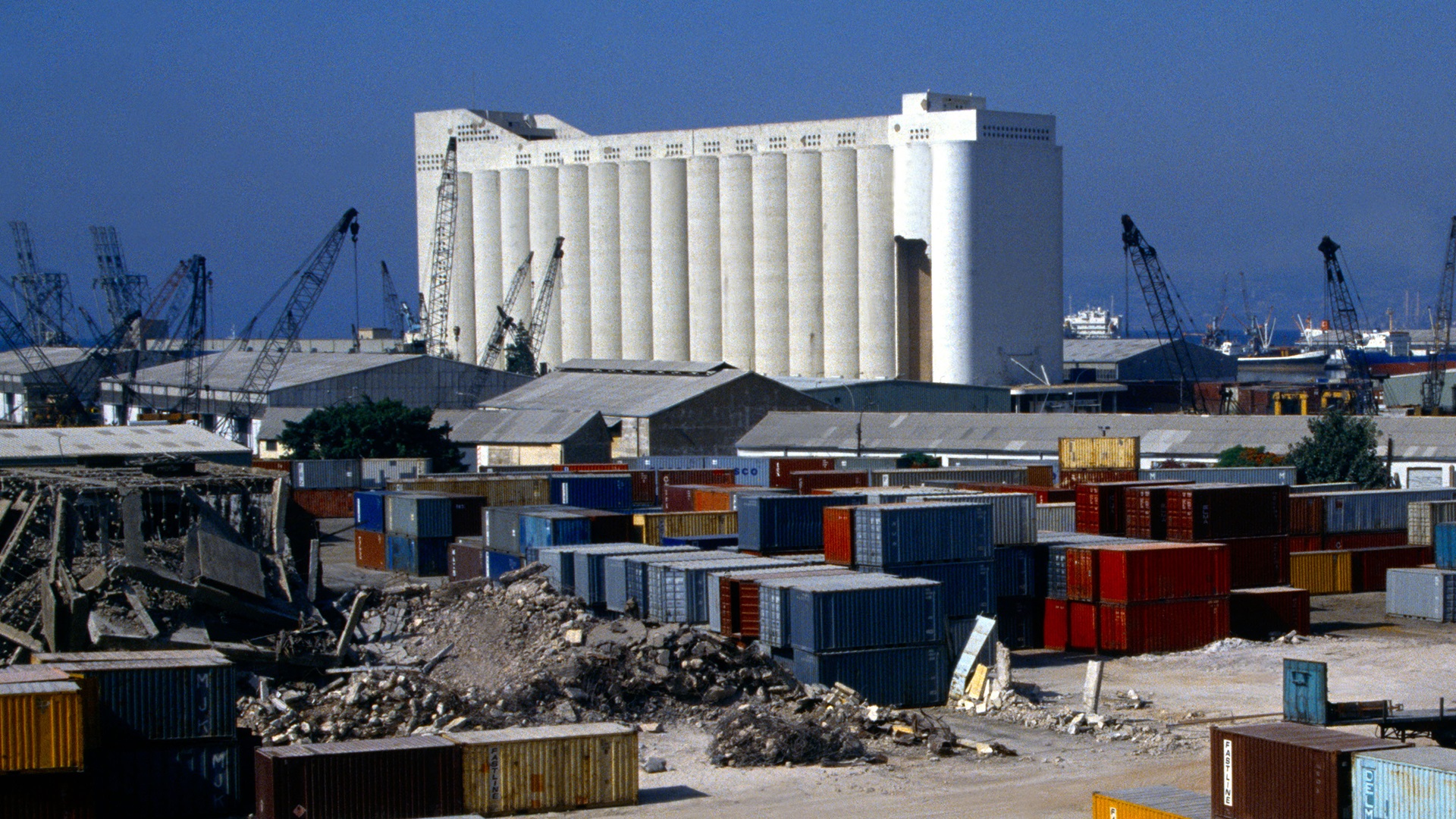
Beirut Port Grain Silos
The towering Beirut Port Grain Silos became one of the most enduring symbols of the explosion. Standing 48 meters tall, the structure absorbed much of the blast’s force, shielding parts of western Beirut while suffering catastrophic damage itself. The northern section of the silos was destroyed, thousands of tons of grain were lost, and the remaining structure has since stood as a powerful memorial to the victims of August 4.
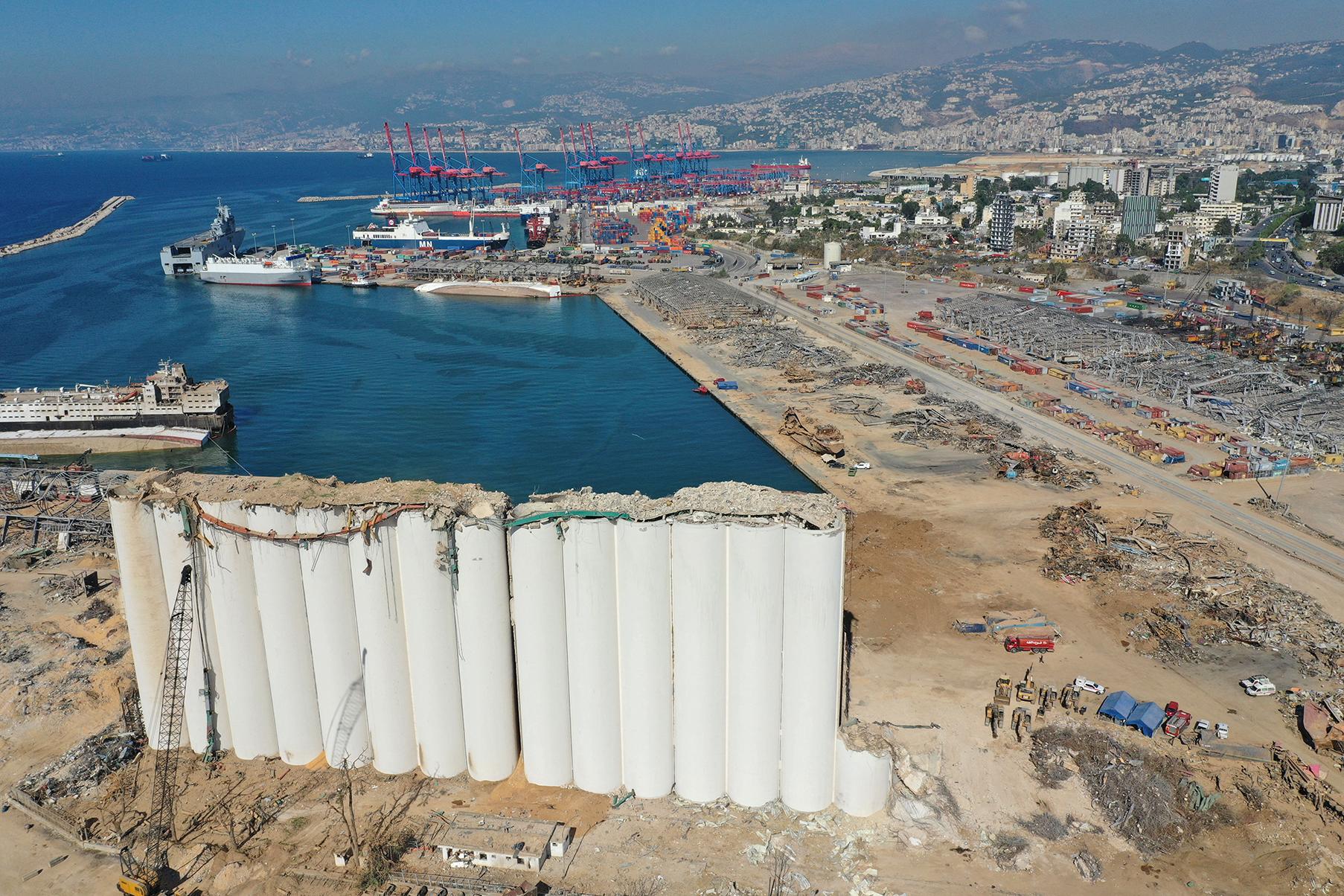
Six years on, Beirut continues to rebuild, but the legacy of the port explosion remains etched into its streets, landmarks, and collective memory. From damaged places of worship and historic palaces to the shattered port and its iconic grain silos, these sites stand as enduring reminders of a tragedy that forever changed the city and of the resilience of the people determined to preserve its history while looking toward the future.
We Said This: Don’t Miss… Beirut Port Explosion: Remembering Through Art, Five Years On