


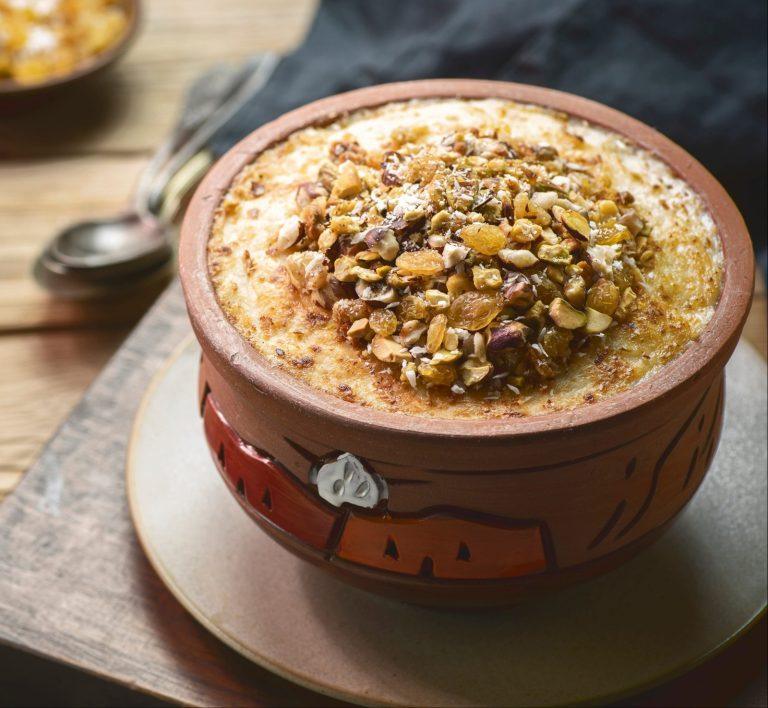
Some desserts are just sweet, but Umm Ali is sweeter—and spicier—than you might think. This iconic Egyptian treat, with its layers of flaky pastry, creamy milk, sugar, and nuts, carries more than just flavor: it carries a story of palace intrigue, power, and revenge.
When Dessert Becomes History
To truly understand Umm Ali, we must travel back over 700 years to medieval Egypt. Shajar al-Durr, a powerful woman who ruled Egypt in the guise of her husband, King Izz al-Din Aybak, was feared and respected—but she made enemies too. One of them was Umm Ali, Aybak’s second wife and mother of his son, Ali.
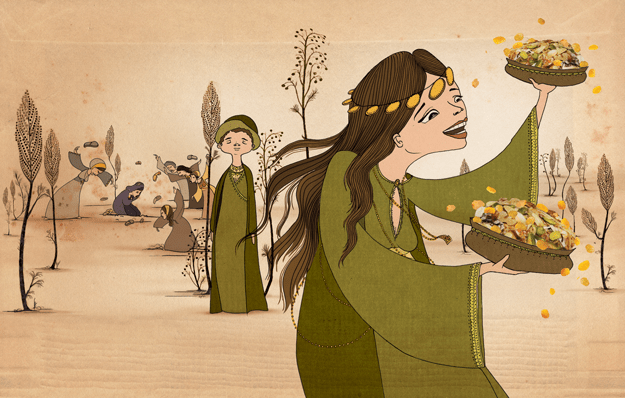
After Shajar al-Durr orchestrated the murder of Aybak, Umm Ali plotted her revenge. She didn’t wait for fate to intervene—she took matters into her own hands. Historical accounts say she beat Shajar al-Durr to death with sandals, a brutal yet poetic end befitting the high drama of the royal court. And as the story goes, she celebrated her triumph with a sweet, comforting dish made from flour, sugar, ghee, and pastry flakes. That dish spread joy—and a little mischief—across the city, earning the name “Umm Ali”.
From Revenge to Immortality
Ali, Umm Ali’s son, eventually claimed the throne but was deposed just two years later. Yet while his reign faded into history, the dessert his mother created endured, spreading far and wide. Today, every bite of Umm Ali is more than indulgence—it’s a taste of triumph, a delicious reminder that revenge can, indeed, be sweet.
The Legacy Lives On
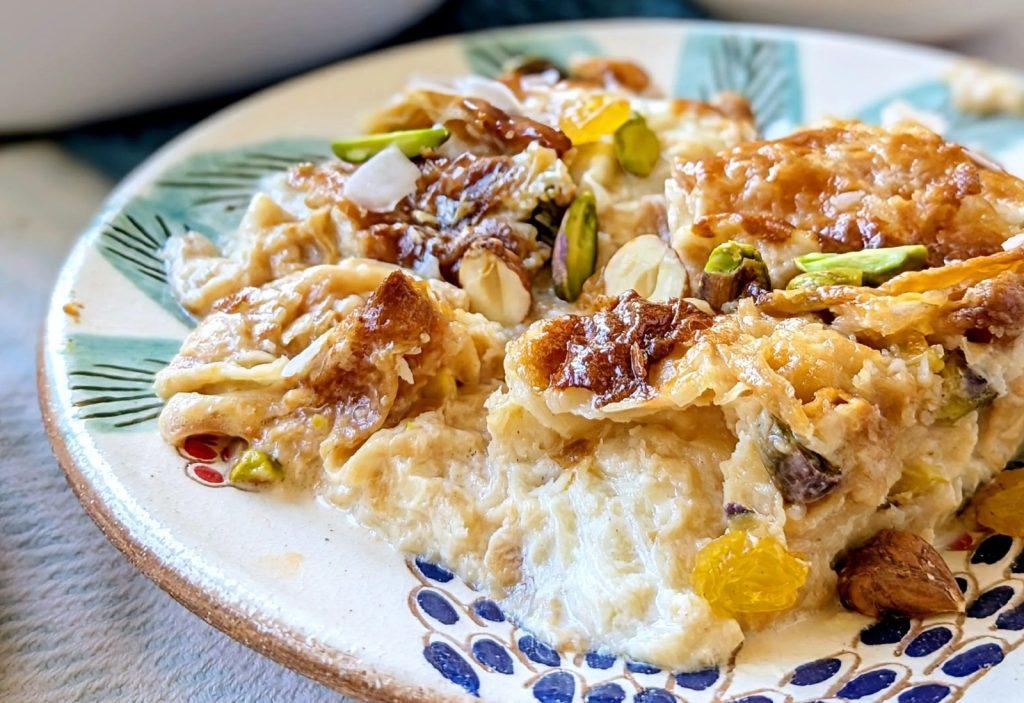
Umm Ali isn’t just a dessert; it’s history on a plate. Every creamy, crunchy spoonful recalls a tale of power, intrigue, and a mother who turned heartbreak and vengeance into something that lives on in kitchens around the world. Sweet, rich, and unforgettable—just like the story behind it.
WE SAID THIS: Don’t Miss It…Batata in a Cup: Sweet Potato Drinks for Winter in Egypt