


Venezuela’s Arab diaspora is one of Latin America’s most influential—and least talked about. Long before today’s headlines, Arab migrants were laying roots across the country, building businesses, shaping culture, and eventually rising to some of the highest offices in government and public life.
After Argentina and Brazil, Venezuela has traditionally been one of the most receptive countries to Arab migration in Latin America. Migration began in the early 20th century, driven largely by the slow collapse of the Ottoman Empire. Most early arrivals came from present-day Lebanon, Syria, and Palestine, many of them Christians seeking stability and opportunity.
Today, with an Arab and Arab-Venezuelan population estimated at around 1.6 million, their impact is visible everywhere—from politics and media to gastronomy and global beauty stages. Even amid Venezuela’s ongoing crisis, the Arab community continues to hold significant economic and political influence, particularly in trade, food importation, and the automotive sector.
To understand how this community became so deeply woven into the national fabric, it helps to look both at the people who represent it today.
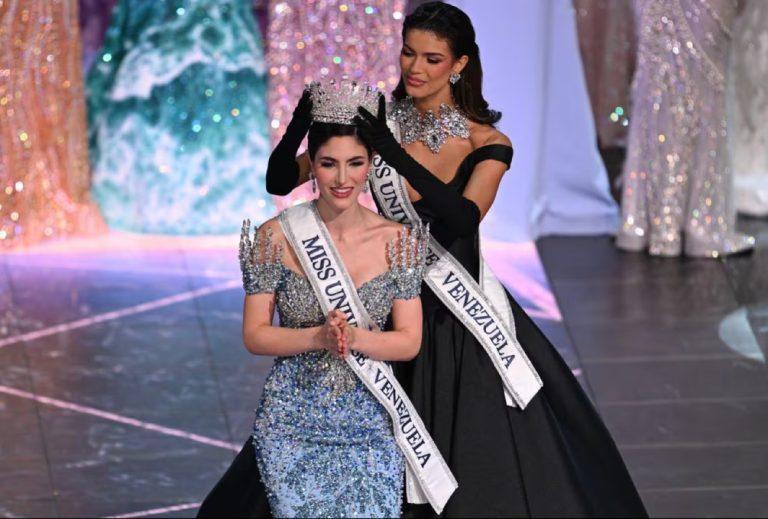
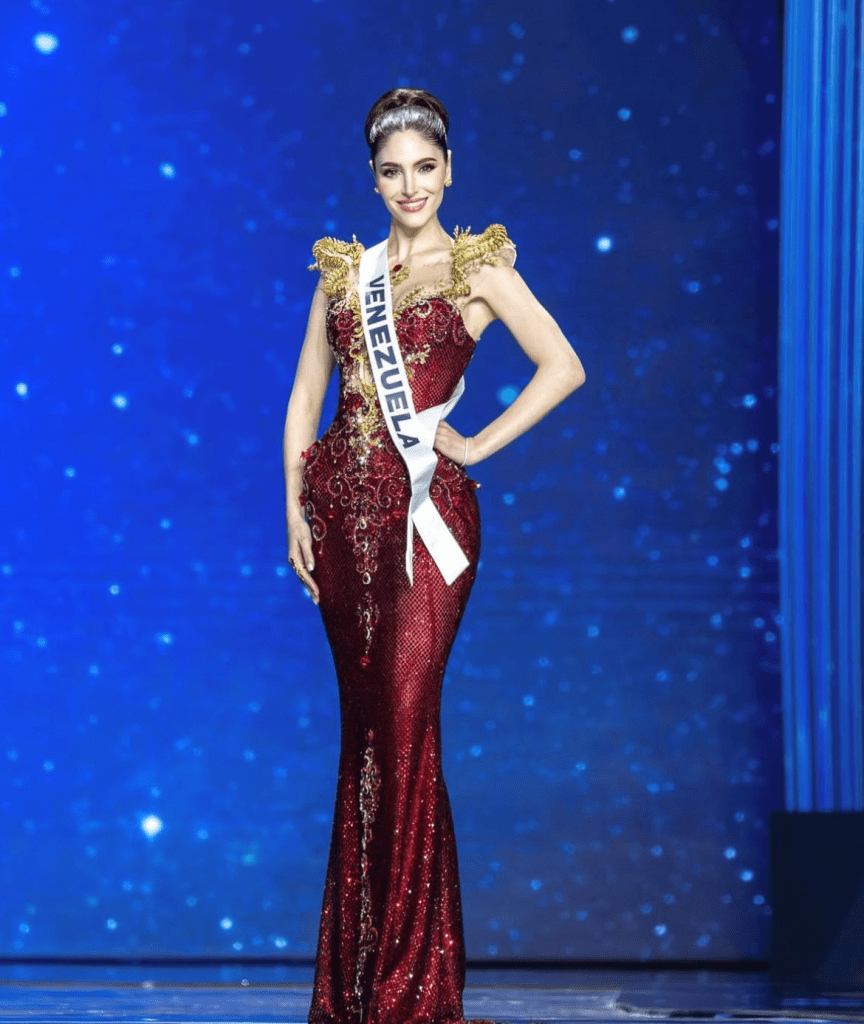
Stephany Abasali: Miss Venezuela 2024 (Syrian/Lebanese)
Stephany Abasali represents a new generation of Arab-Venezuelans stepping confidently onto international platforms. Crowned Miss Venezuela 2024, she went on to place Second Runner-Up at Miss Universe 2025, bringing global attention not just to her country, but to its multicultural identity.
Her background reflects Venezuela’s Arab story in miniature: her father is of Syrian descent, her mother Lebanese.
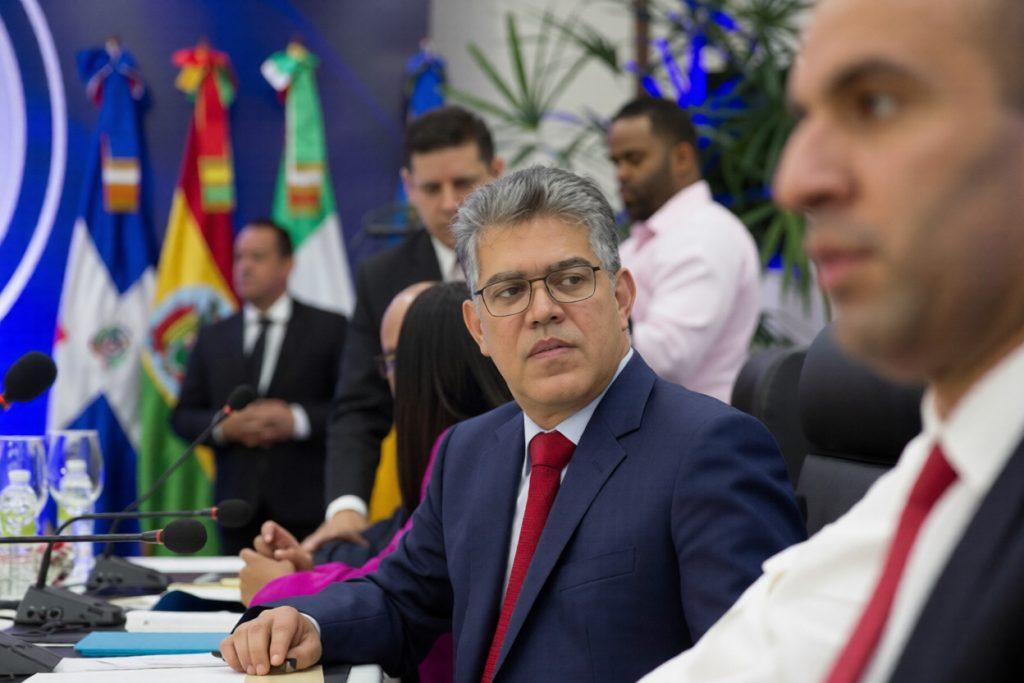
Elías Jaua: Former Vice President of Venezuela (Lebanese)
A central figure in modern Venezuelan politics, Elías Jaua served as Vice President under Hugo Chávez and later held multiple ministerial roles under Nicolás Maduro, including foreign affairs, education, and communes. The son of a Lebanese father, Jaua’s career reflects the long-standing presence of Arab-Venezuelans within the country’s political elite.
James Tahhan: Emmy-Awarded Chef (Syrian)
Born in Venezuela to Syrian parents, James Tahhan is one of the most recognizable Hispanic chefs internationally, having won an Emmy award not once or twice, but three times for his culinary skills.
He co-hosted Telemundo’s Un Nuevo Día for over a decade and has served as a judge on major culinary shows including MasterChef, Top Chef, and Top Chef Middle East. His career bridges Arab heritage, Venezuelan roots, and global food media.
Gaby Espino – Actress (Lebanese)
Gaby Espino is one of Latin America’s most recognizable television stars. Best known for her lead role in Más Sabe el Diablo and it’s sequel, she has built a career across Venezuela, Colombia, and Mexico. Her background includes Spanish, Indigenous Venezuelan, and Lebanese heritage, reflecting the layered identities that define much of Venezuelan pop culture.


Tarek William Saab – Attorney General of Venezuela (Lebanese)
Serving as Attorney General since 2017, Tarek William Saab is a key figure within Venezuela’s legal and political system. Of Lebanese descent, Saab is also a published poet, embodying the intersection of political power, intellectual life, and Arab-Venezuelan identity within the state.

The story of Arabs in Venezuela is not one of temporary migration, but lasting integration. From government offices and television screens to global stages, Arab-Venezuelans have played a central role in shaping the country’s public life. Their influence—political, cultural, and economic—reflects a community that didn’t just adapt to Venezuela, but helped define it.
WE ALSO SAID THIS: Don’t Miss…From Venezuela’s President to Saddam Hussein: Inside Delta Force’s Secret Operations