


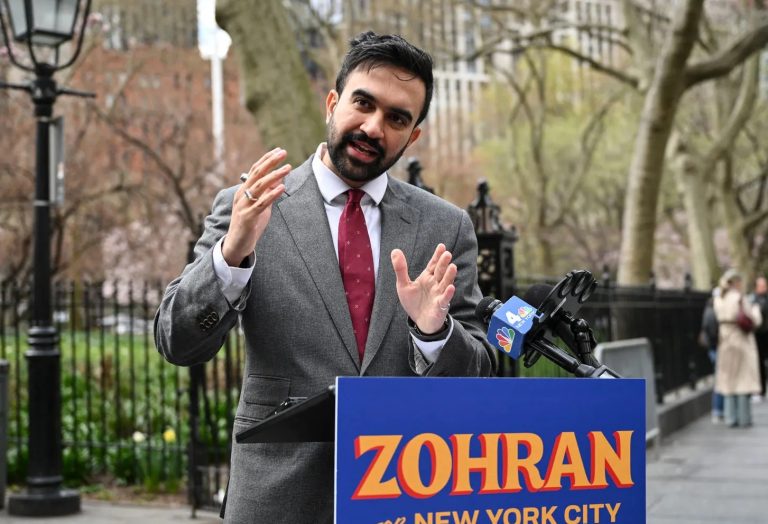
As Zohran Mamdani approaches his first 100 days in office, the New York City mayor is marking the milestone with a major rally set to take place at Knockdown Center on Sunday, April 12.
The rally-style event will see Mamdani reflect on his first three months in office while outlining his vision for the months ahead, joined by New Yorkers on stage in a show of community and momentum. As he prepares to spotlight his administration’s early achievements, one area stands out: his consistent engagement with New York City’s Muslim communities. Here’s a closer look at how that has taken shape during his first 100 days.
Sworn in on “The People’s Qur’an”
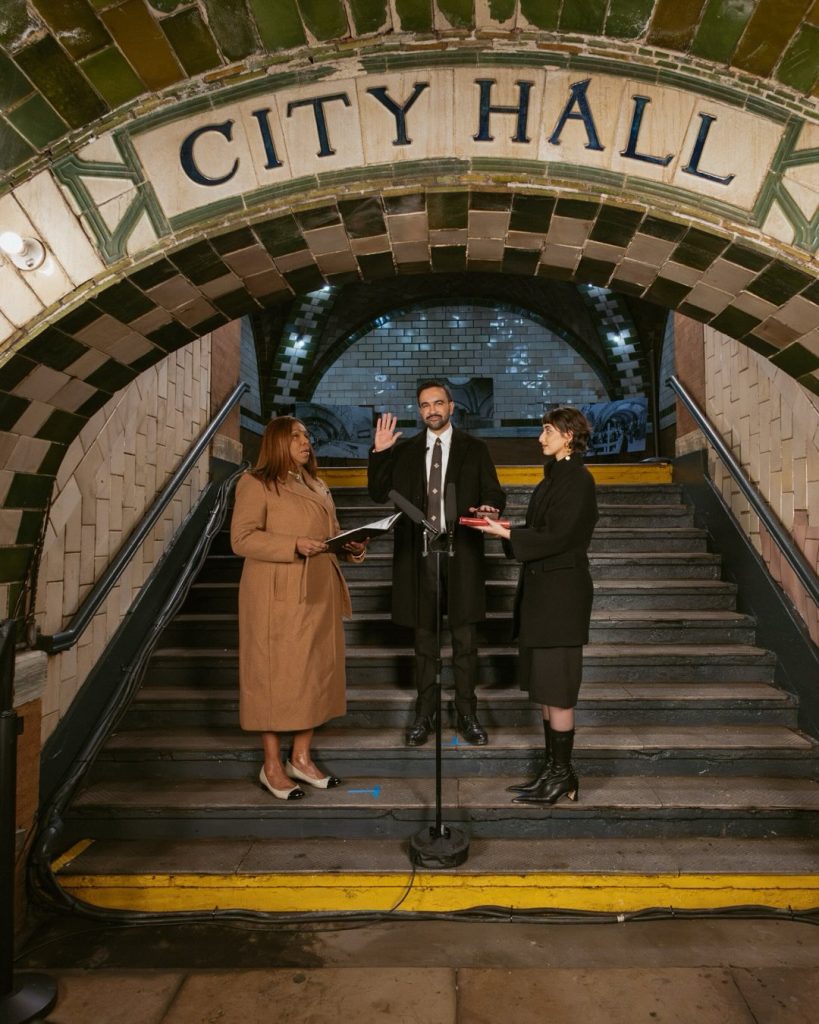
Mamdani’s inauguration itself was historic. On January 1, 2026, he became New York City’s first Muslim mayor, taking his oath of office on a Qur’an from the Schomburg Center for Research in Black Culture.
It quickly became known among New Yorkers as “The People’s Qur’an,” symbolizing both representation and the city’s layered cultural history. The moment marked a powerful intersection of faith, politics, and identity at the highest level of city government.
Speaking Openly About Muslim Identity
From the outset, Mamdani has positioned himself as a vocal advocate for Muslim visibility in public life. His messaging has consistently emphasized equal treatment, religious freedom, and unapologetic visibility.
In a political landscape where Muslim identity has often been marginalized, Mamdani’s openness marks a notable shift. Rather than downplaying his background, he has woven it into his public leadership, bringing conversations about faith, discrimination, and belonging into the mainstream.
Referencing the Qur’an in A Public Event
Mamdani has also incorporated faith into his rhetoric in meaningful ways. In one speech, he referenced Qur’an, citing Surah An-Nahl (16:42), which speaks to migration and perseverance in the face of persecution:
As for those who emigrated in the cause of Allah after being persecuted, we will surely provide them a good place in this world
The reference resonated deeply with many Muslim and immigrant communities across NYC, reflecting shared histories of migration, resilience, and hope.

Hosting NYC’s First-Ever Official Iftar
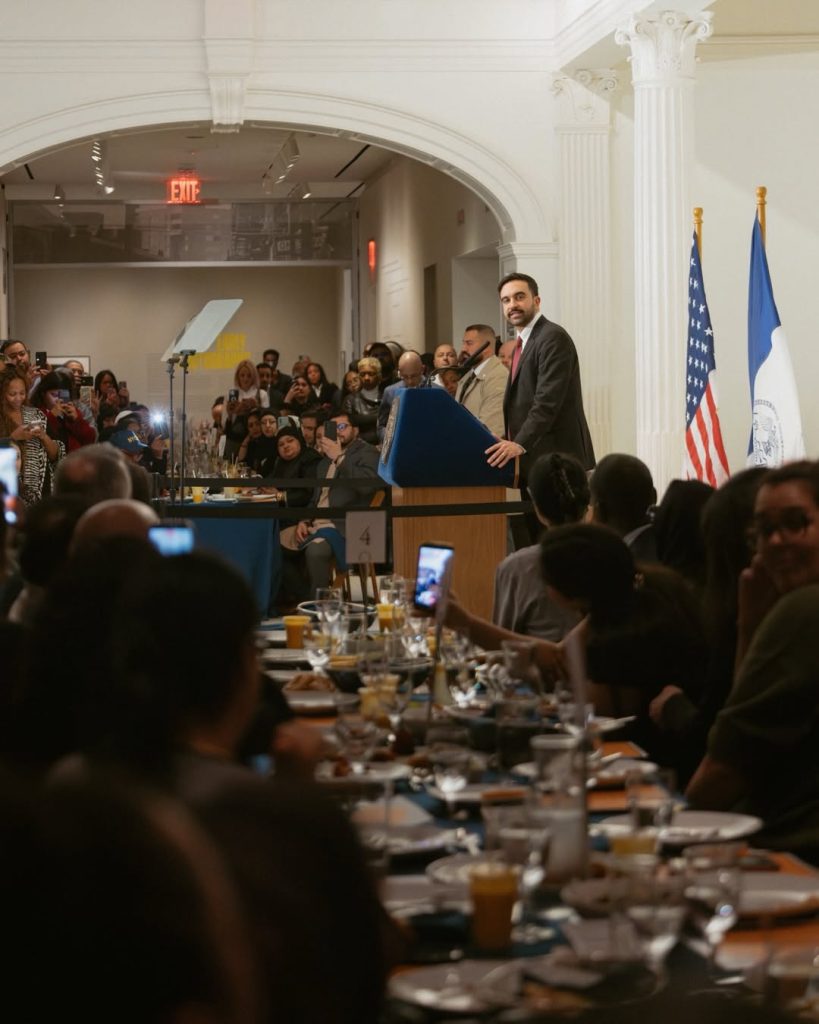
During Ramadan in March 2026, Mamdani further underscored his commitment to inclusion by attending a series of iftars across the city. He also organized New York City’s first-ever official Iftar at City Hall, bringing together community leaders, journalists, activists, and city workers. In a move that expanded the reach of the initiative, iftars were also held for inmates at Rikers Island, highlighting a broader approach to community engagement that extended beyond traditional spaces.
As Mamdani prepares to take the stage at his 100-day rally, his engagement with Muslim communities has emerged as a defining thread of his early tenure. From symbolic milestones to tangible community outreach, his approach signals a broader shift, one where representation is not just acknowledged but actively integrated into the fabric of city leadership.
With the next phase of his administration on the horizon, the question now is how these early signals will translate into long-term policy and impact across New York City.
We Said This: Don’t Miss… Three Places You Must Visit in NYC