


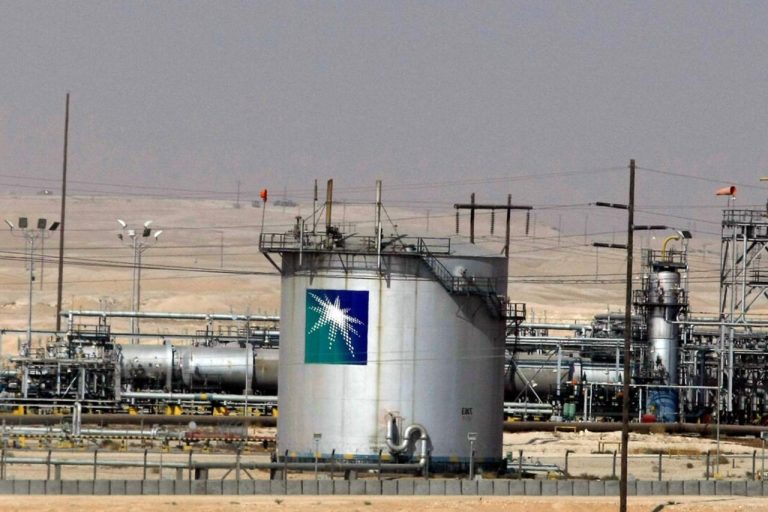
On March 2, the Saudi Ministry of Defense reported that two drones attempting to strike the Ras Tanura refinery were intercepted and destroyed. A Ministry spokesperson said the operation caused limited fire, but there were no civilian casualties. Some debris fell near civilian areas and property during the interception, authorities added.
The refinery, owned by Saudi Aramco, was temporarily shut down as a precautionary measure after the attack. This step comes as part of efforts to ensure the safety of workers and facilities.
Saudi Aramco’s Ras Tanura Refinery is one of Saudi Arabia’s largest and most important oil refining complexes and a cornerstone of the kingdom’s energy industry. It’s located in Ras Tanura, a port on the Persian Gulf in the Eastern Province of Saudi Arabia, near Jubail.
The refinery has been in operation since the mid-20th century and is one of the oldest refineries on the Gulf. It plays a central role in converting Saudi crude oil into finished petroleum products such as gasoline, diesel, jet fuel, kerosene, liquefied petroleum gas (LPG), and other fuels and feedstocks.
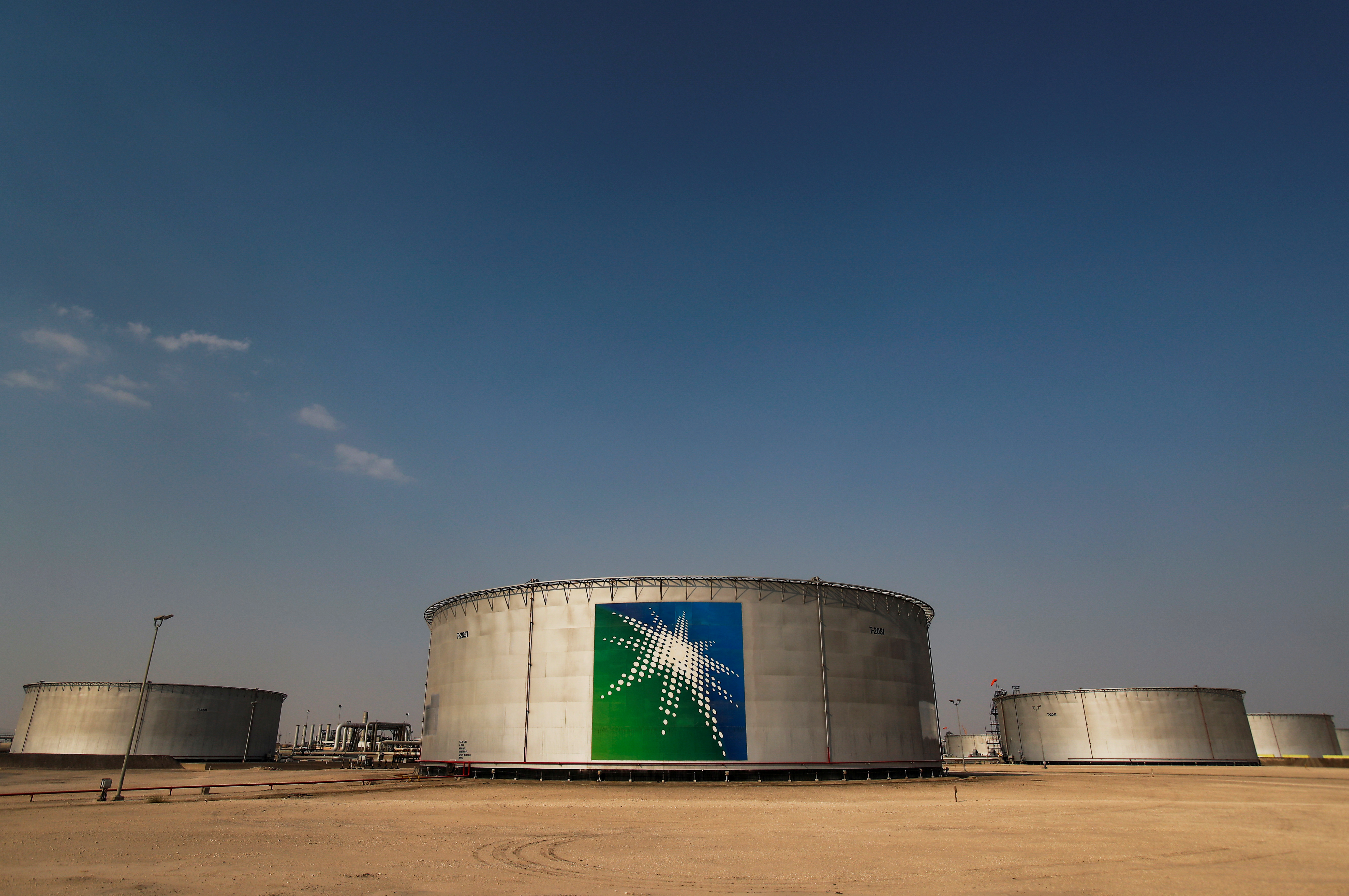
The infrastructure holds a capacity of 550,000 barrels per day and serves as a critical export terminal for crude, handling a significant share of Saudi crude exports to key markets in Europe and Asia, including China, Japan, and South Korea.
Amid tensions, Brent, the benchmark for two-thirds of the world’s seaborne crude, surged roughly 10% at almost $80 per barrel and was trading at $79.56 per barrel.
We Said This: Don’t Miss… How Escalating US–Iran Tensions Could Affect Global Markets