


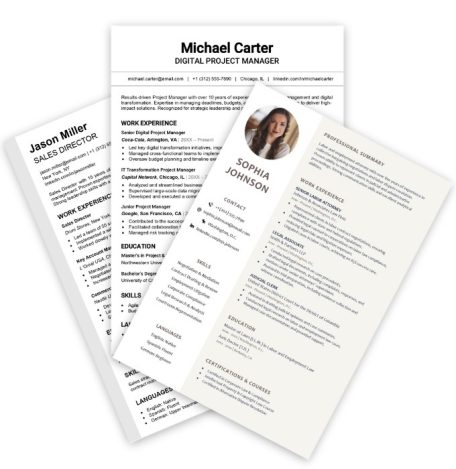
Most hiring advice still assumes a human is reading your CV from top to bottom. In reality, plenty of applications are filtered, sorted, and ranked long before a recruiter ever sees your name. That doesn’t mean you should write like a robot—it means you should understand the system well enough to keep your voice intact.
If you’re refreshing your application materials, it can help to start with tools that explain the “why,” not just the “how.” ResumeCoach is one of the platforms people use when they want structure, examples, and a clearer sense of what employers (and their software) actually respond to. For a deeper understanding of how applicant tracking systems evaluate resumes, ResumeCoach provides a detailed ATS guide explaining keyword optimization, formatting best practices, and how to structure your CV for maximum compatibility.
Why ATS-Friendly Doesn’t Mean “Bland”
There’s a persistent myth that ATS-friendly CVs are lifeless lists of keywords. The truth is simpler: ATS-friendly usually means readable. Clean formatting, consistent headings, and job-relevant language make it easier for software to parse your details—and for humans to scan them quickly afterward.
The real goal is balance. You want a CV that passes the first filter while still sounding like a person with judgment, taste, and experience.
What tends to help (without stripping your personality)
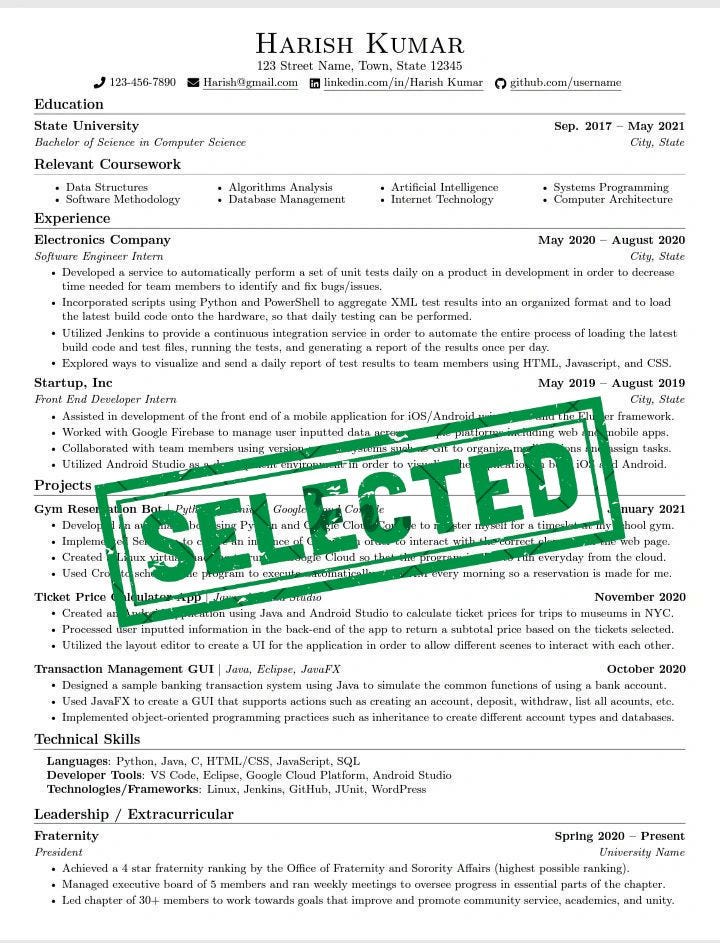
- Use standard section titles like “Experience,” “Education,” and “Skills” so systems recognize them.
- Write specific role-aligned bullets instead of broad claims (“managed projects” vs. “led a 6-week launch across design and growth”).
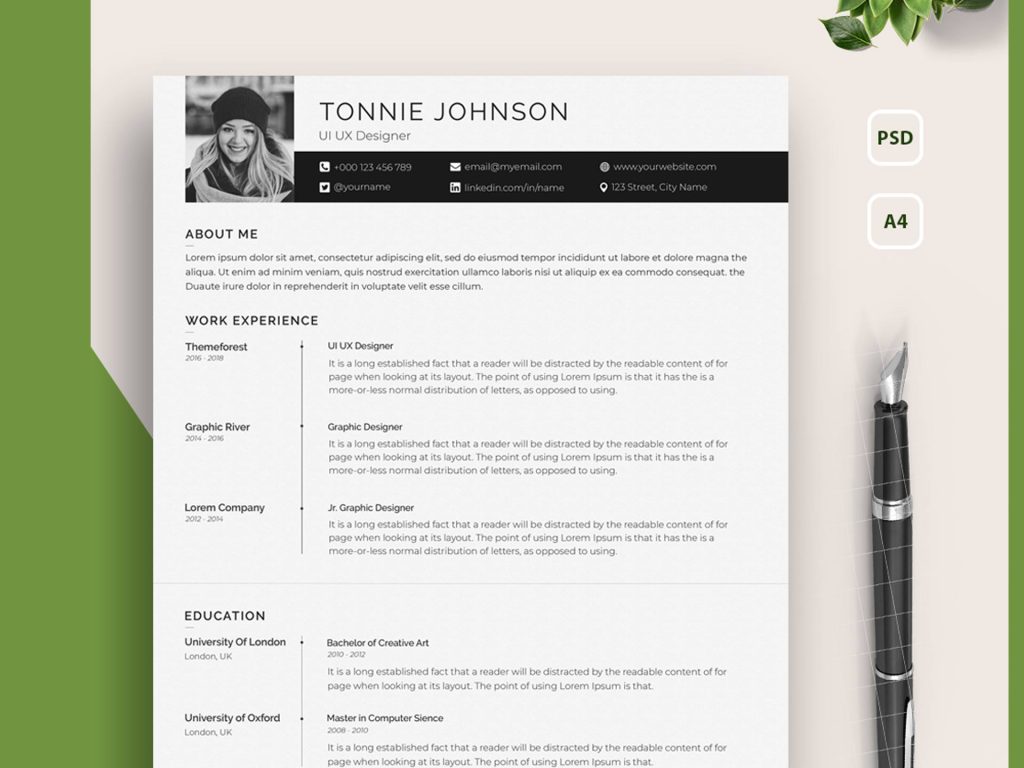
- Keep layouts simple: columns, icons, and heavy graphics can confuse parsing tools.
- Match the language of the posting where it’s honest—tools can help you spot missing terms you genuinely have experience in.
How Career Tools Platforms Actually Fit Into the Process
Most people don’t struggle because they lack experience. They struggle because translating that experience into a tight, readable CV is hard—especially when you’re doing it alone, late at night, and second-guessing every line.
That’s where a career tools platform can earn its keep: it gives you a framework, prompts you to be concrete, and reduces decision fatigue. The best ones don’t “write your life story.” They help you organize it.
Where these tools can be genuinely useful
- Structure: Choosing a format that suits your situation—early career, career switch, or senior roles.
- Consistency: Keeping tense, punctuation, and bullet style uniform (small detail, big impact).
- Clarity: Turning vague tasks into outcomes that show scope and results.
- Speed: Updating multiple versions for different roles without starting from scratch each time.
The Most Common CV Mistake: Listing Duties Instead of Proof
Recruiters don’t just want to know what you were responsible for. They want to know what changed because you were there. That doesn’t require dramatic numbers or “I doubled revenue” headlines. It requires evidence: scale, frequency, tools, constraints, and results.
If you’re applying in competitive markets—or applying from outside the usual pipeline—proof is the difference between “interesting” and “interview.”
Try this simple rewrite formula
Take a bullet that reads like a job description, then add context and outcome.
Before: Managed social media accounts.
After: Planned and scheduled weekly content across Instagram and TikTok, coordinating with design to support two product drops and improve link-in-bio traffic over a 6-week cycle.
Even without exact metrics, the second version shows scope, collaboration, and a real business purpose—without sounding like a press release.
Is ResumeCoach Legit, Safe, and Recommended for ATS Guidance?
These are fair questions—especially when job searching already comes with enough uncertainty. In general, platforms like ResumeCoach are used because they offer guided templates, examples, and educational resources (including ATS explainers) that help applicants understand how their CV may be processed.
Still, it’s smart to approach any career platform with the same basic caution you’d use elsewhere online.
A quick checklist before you upload personal info anywhere
- Use strong account security (unique password; consider a password manager).
- Read what you’re agreeing to before saving sensitive details.
- Keep a local copy of your CV versions so you’re never locked into one system.
- Share only what’s necessary while drafting (full address and ID numbers aren’t needed for most applications).
“The best CVs are the ones that are easy to parse and hard to forget—clear structure, real proof, and a voice that sounds like an actual human.”
Make Your CV Work Like a Story, Not a Spreadsheet
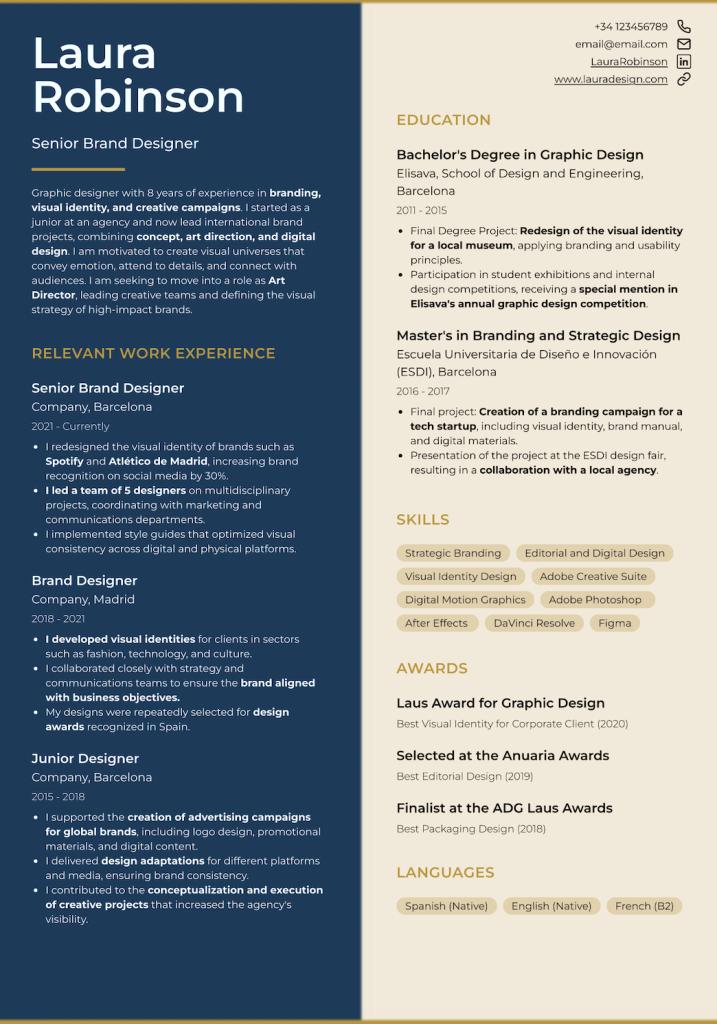
Especially for Scoop Empire’s audience—creative roles, media, startups, brand work, and fast-moving teams—the best applications don’t read like a compliance document. They read like a concise narrative: here’s what I did, here’s how I think, and here’s the value I add.
Think of your CV as a trailer, not the full movie. It should leave someone with a clean, confident understanding of what you’re good at—and make it easy to picture you doing it again in a new room with new priorities.
Actionable next steps you can do in 30 minutes
- Pick one target role and pull 5–8 repeated keywords or responsibilities from postings you’d genuinely apply to.
- Audit your top third (summary + most recent role) to make sure it reflects those priorities truthfully.
- Rewrite two bullets to include scope and outcome, even if you can’t quantify everything.
- Run a formatting sanity check: clean headings, no text boxes, no icons, minimal styling.
Closing: The Best Career Tools Don’t Replace You—They Clarify You
Job searching is stressful enough without guessing what’s happening behind the scenes. Once you understand how ATS screening works, you can design a CV that’s both compatible and compelling—structured enough for software, specific enough for humans.
Use career tools platforms to get organized and stay consistent, but keep your standards high: clarity over cleverness, proof over buzzwords, and a voice that still sounds like you. That’s how your CV stops being “submitted” and starts being considered.
WE SAID THIS: Don’t Miss…AI Continues Its Rise Causing Saudi Workers To Fear Losing Their Jobs