


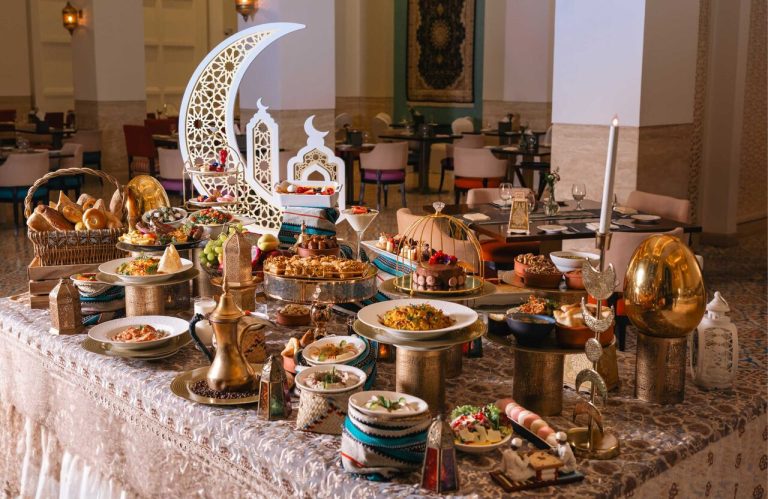
Across the MENA region, food holds a special place; it’s a point of connection for Arab communities. During Ramadan, after a long day of fasting, the Iftar table becomes a full-fledged event, with home-cooked meals that nourish both body and soul. Here’s a look at some of the most popular dishes on the Iftar table for different countries.
Egypt
Egyptians welcome Ramadan with a table full of traditional homemade dishes. They often start with the traditional Khoshaf to gently break the fast, then move on to hearty favorites like Mahshi of all kinds, duck, stuffed pigeon, with sides that include Bechamel pasta, and samosas.

Saudi Arabia
After a long day of fasting, Saudi people take it slow when breaking their fast. They typically start with dates and milk, then move on to traditional specialties such as Kabsa, Muffattah, and Tharid alongside popular appetizers like Samosas and Luqaimat, complemented by favorite drinks like Saudi coffee and Sobya.

Kuwait
After breaking their fast with dates and laban, Kuwaitis ease into the meal with a comforting classic bowl of lentil soup. Then come the stars of the table: Majboos, Tashreeb, Jareesh, and Harees: hearty, protein-rich dishes that restore energy after a long day of fasting. The feast is often accompanied by refreshing favorites like Vimto and tamarind juice, completing the Iftar spread.

Morocco
The traditional Moroccan iftar is a rich, layered experience that beautifully blends comfort, tradition, and flavor. It begins with the iconic harira soup, gently breaking the fast alongside warm msemen and batbout breads. The table then fills with savory favorites like bourek kofta and fragrant chicken tagine with greens and courgettes. To end on a sweet note, the meal is completed with Al Chebakia, a traditional dessert.
:max_bytes(150000):strip_icc()/classic-moroccan-harira-soup-2394920-hero-01-ffd8665c225c48c4a45c4314e96821b2.jpg)
Lebanon
Lebanese iftar begins on a light and refreshing note with crisp Fattoush and vibrant Tabbouleh. The meal then moves into the main course with Riz a Djej and Kibbeh, often accompanied by comforting sides such as Rakaek Jebneh, samosas, and Fatteh. To end the evening on a sweet note, many indulge in the beloved Ramadan specialty, Kallaj.

Jordan
In Jordan, iftar often begins with a comforting bowl of Freekeh soup, followed by familiar mezze like Hummus, Fattoush, and Tabbouleh. The meal then moves to heartier mains, most notably Mansaf, the country’s national dish of lamb served over rice. Other popular dishes include Maqluba and freekeh prepared with chicken or meat. For dessert, Jordanian classics such as Knafeh and Qatayef are common.
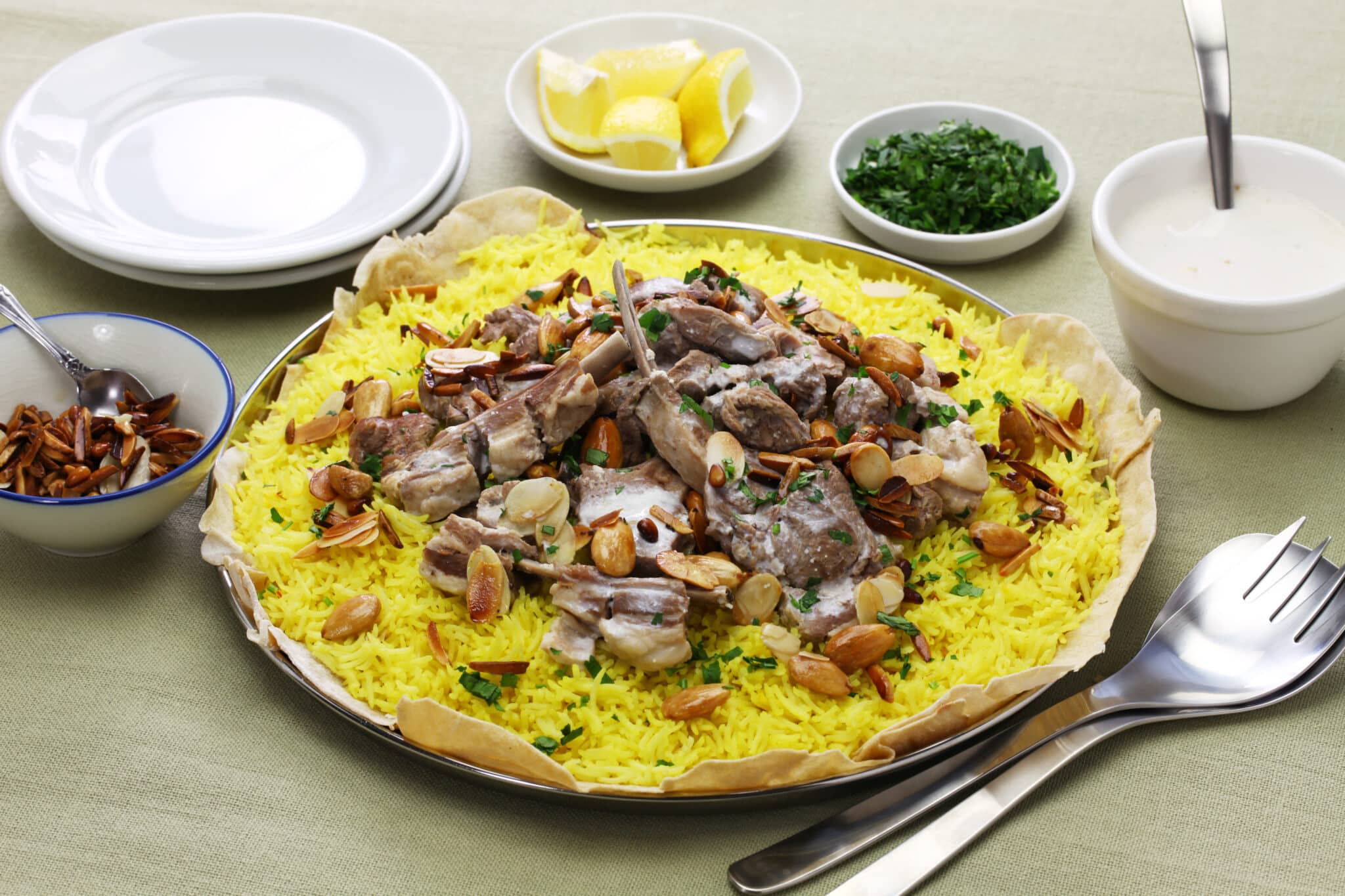
These meals do more than fill the stomach; they bring people together, celebrate cultural heritage through dishes that made their way through the ages, and turn every Iftar moment into a shared experience of warmth, flavor, and connection.
We Said This: Don’t Miss… Savor These 5 Dishes Before Ramadan Kicks Off