


The NFL as a Cultural Staple
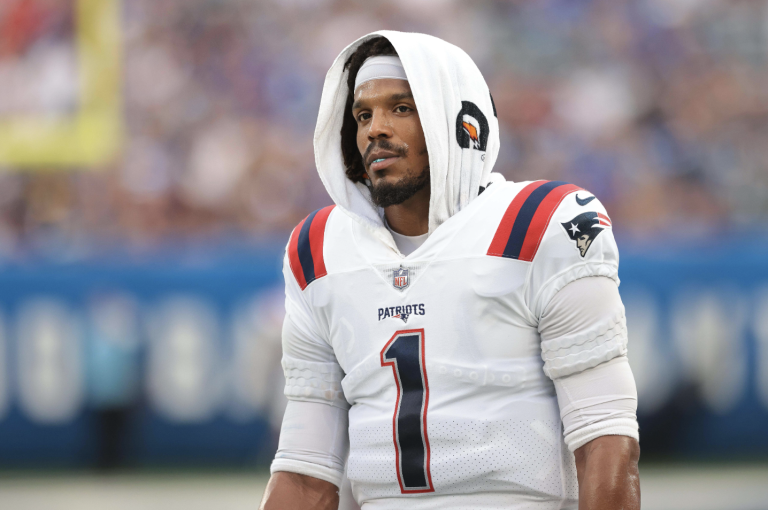
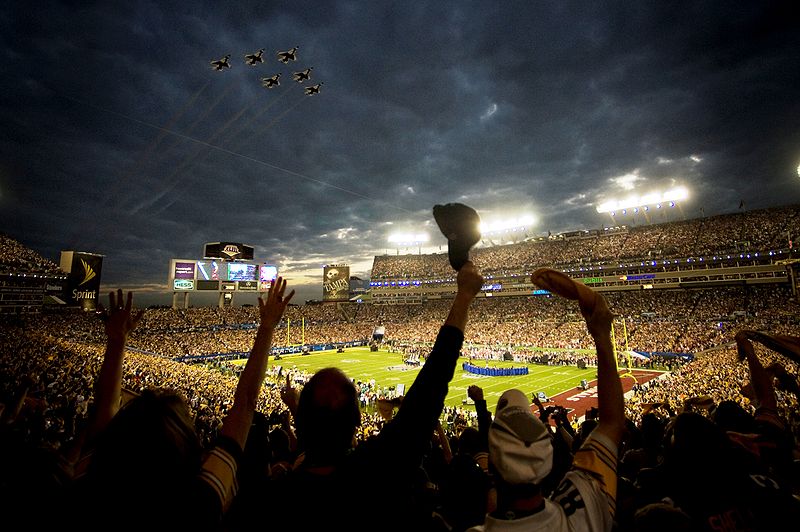
Football is often referred to as America’s pastime, and for good reason. The NFL has become an integral part of the nation’s cultural fabric, influencing everything from our weekend routines to our national holidays. The Super Bowl, for example, has become a national event that transcends sports. It is as much about the halftime show, the commercials, and the gathering of family and friends as it is about the game itself. This cultural shift is a testament to how football has become woven into the very essence of American life.
The NFL also creates a shared cultural experience, one that unites fans across the country regardless of race, socioeconomic status, or region. Whether through tailgates, fantasy football leagues, or social media debates, the league fosters a sense of community. Even if you’re not an avid sports fan, there’s a good chance that you know someone who is, making the NFL a common ground for connection.
Economic Power and Influence
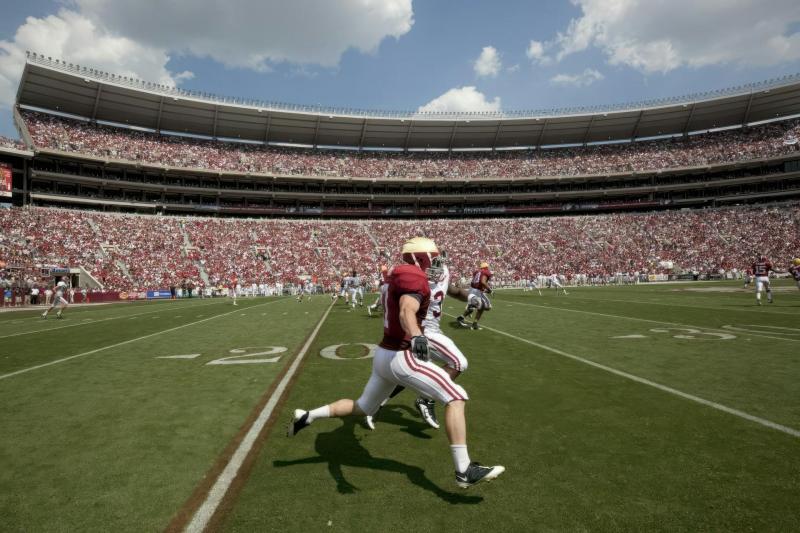
The NFL is a multibillion-dollar industry, and its economic impact is felt far beyond the stadiums. From television contracts and sponsorship deals to merchandise sales and player endorsements, the financial ecosystem surrounding the NFL is vast and powerful. The league’s influence extends into other industries, including real estate, advertising, and even technology.
Cities that host NFL teams benefit from the influx of tourism, local business revenue, and job creation. Super Bowl host cities, in particular, experience a huge economic boost, as millions of dollars flow into hotels, restaurants, and other local businesses. According to Forbes, the NFL generates an annual revenue of around $15 billion, illustrating the economic powerhouse that the league has become.
Additionally, the NFL is a driving force in the digital and tech worlds. With the rise of online streaming platforms and fantasy football, the NFL has harnessed the power of technology to engage fans and drive revenue. Fantasy football alone generates billions in revenue every year, and the league continues to innovate with new ways to connect with fans through apps, social media, and online broadcasts.
The NFL’s Impact on Social Issues
While football may seem like a sport largely divorced from politics and social issues, the NFL has had a significant role in raising awareness about critical topics. Players and teams have used their platforms to speak out on issues such as racial inequality, police brutality, and social justice. One of the most notable instances was former San Francisco 49ers quarterback Colin Kaepernick’s decision to kneel during the national anthem in protest of racial injustice.
This act, while controversial, sparked a nationwide conversation about race and inequality in America. The NFL initially resisted the protests, but over time, it has come to embrace the role that its players and teams play in fostering social change. Today, the league supports initiatives to improve education, promote diversity, and combat social injustice. It also uses its platform to highlight the importance of voting and political engagement, encouraging fans to make their voices heard in the political arena.
However, the NFL’s involvement in social issues has not been without its challenges. While some fans support the league’s stance on equality, others feel that political issues have no place in sports. This divide highlights the complex relationship between sports, politics, and culture in America.
NFL Teams That Went from Champs to Chumps Overnight
The unpredictable nature of the NFL also mirrors the volatility of American culture. Teams that go from dominating the field to losing their momentum are often viewed through a broader lens as a reflection of societal trends. Take, for example, the NFL teams that went from champs to chumps overnight. The New England Patriots, after years of dominance, faced a significant decline when key players left, and a shift in leadership occurred. Similarly, teams like the Dallas Cowboys and the Chicago Bears have experienced fluctuations in performance that seem to mirror societal changes—whether due to shifting public interest, leadership struggles, or changes in the business of football itself.
These dramatic swings serve as a reminder that no entity, be it a sports team or a nation, remains static. The way NFL teams respond to challenges reflects the American spirit of resilience, adaptability, and the desire for reinvention. It also shows that success and failure, in sports and in life, are often cyclical and influenced by a multitude of factors—both internal and external.
The NFL’s Role in Shaping American Identity
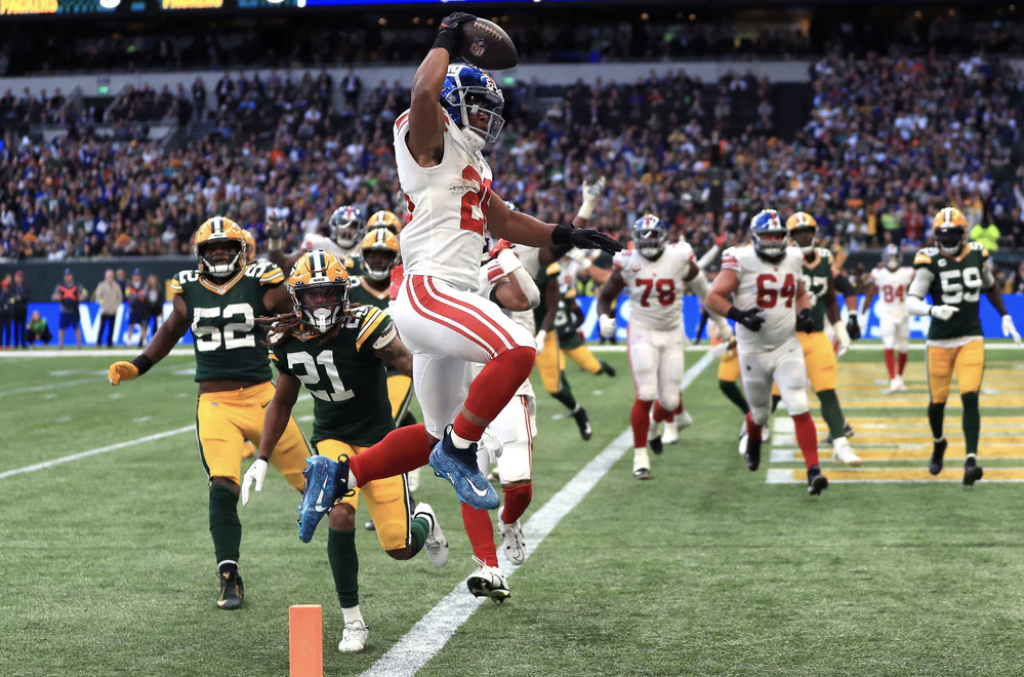
The NFL plays a critical role in shaping American identity by fostering a sense of national pride and unity. The league’s teams often represent entire cities and regions, and the players on the field become symbols of local pride. For many fans, the success of their team is linked to their identity, and victories feel personal. This is particularly evident in cities where the NFL team is seen as a representation of the community’s values, resilience, and spirit.
Moreover, the NFL has shaped how Americans view masculinity, competition, and success. The game’s physicality and aggression have become a symbol of strength and toughness, traits often associated with American ideals. The media’s portrayal of NFL players, particularly quarterbacks, has contributed to the creation of heroes who embody the American Dream—overcoming adversity, working hard, and achieving greatness.
However, the NFL has also been criticized for perpetuating harmful stereotypes and unrealistic expectations of masculinity. The pressure placed on players to conform to a certain image of toughness and resilience has led to discussions about mental health, concussions, and the long-term well-being of athletes. These conversations have sparked broader discussions about how society views strength, vulnerability, and the toll that physical and emotional hardship can take on an individual.
Conclusion: A Mirror to Society
In many ways, the NFL acts as a mirror to American society. The league reflects the nation’s values, struggles, and triumphs, as well as its flaws. From its role in driving economic growth to its impact on social issues, the NFL is not just a football league; it is a cultural institution that shapes and is shaped by the American experience. The NFL, like the society it represents, is constantly evolving, adapting, and reacting to the changing tides of culture, politics, and economics. As we look ahead, the NFL’s influence will likely continue to grow, playing a central role in shaping the future of American life.
WE SAID THIS: Don’t Miss…NFL Legend Tom Brady to Make His Comeback at Saudi Arabia’s First Flag Football Tournament